
The annual assessment of high-fidelity home cinema equipment requires a rigorous, standardized approach to evaluate how hardware handles dynamic range, color accuracy, spatial audio, and motion processing. During the current product testing cycle, the laboratory has processed a diverse array of hardware, ranging from high-end Dolby Atmos-capable soundbar systems to ultra-short-throw (UST) laser projectors. To determine the technical limitations and performance ceiling of these devices, the testing team relies on a curated rotation of reference-grade content that pushes audio-visual hardware to its absolute limit.
Methodology and Technical Benchmarking
Testing at this level requires content that offers consistent, high-bitrate masters capable of stressing the image processing engines of modern displays. While blockbusters often serve as visual spectacles, the team focuses on specific technical criteria: shadow detail in low-light environments, peak brightness in HDR highlights, and the phase accuracy of spatial audio objects. The following selections represent the current benchmark for both physical media and high-bandwidth streaming performance.

The Last Duel: A Masterclass in Cold-Tone Color Grading
Ridley Scott’s 2021 historical drama, The Last Duel, has emerged as a cornerstone for evaluating display calibration, specifically regarding desaturated color gamuts and contrast ratios. Unlike films that lean into high-saturation, high-contrast HDR aesthetics, this production utilizes a deliberate, frosty blue-grey filter that permeates the entire 14th-century French landscape.
From a technical standpoint, this visual choice serves as a significant test for modern OLED and Mini-LED panels. A display must be capable of rendering subtle shifts in gray scales and cold blues without introducing banding or losing detail in the textures of chainmail and stone fortifications. The film’s reliance on a triple-perspective narrative structure mirrors the complexity of its visual palette, requiring the viewer to perceive slight variations in lighting and color temperature across different accounts of the same event. For enthusiasts looking to test their panel’s ability to render "bleakness" and natural texture, The Last Duel serves as a primary reference point.
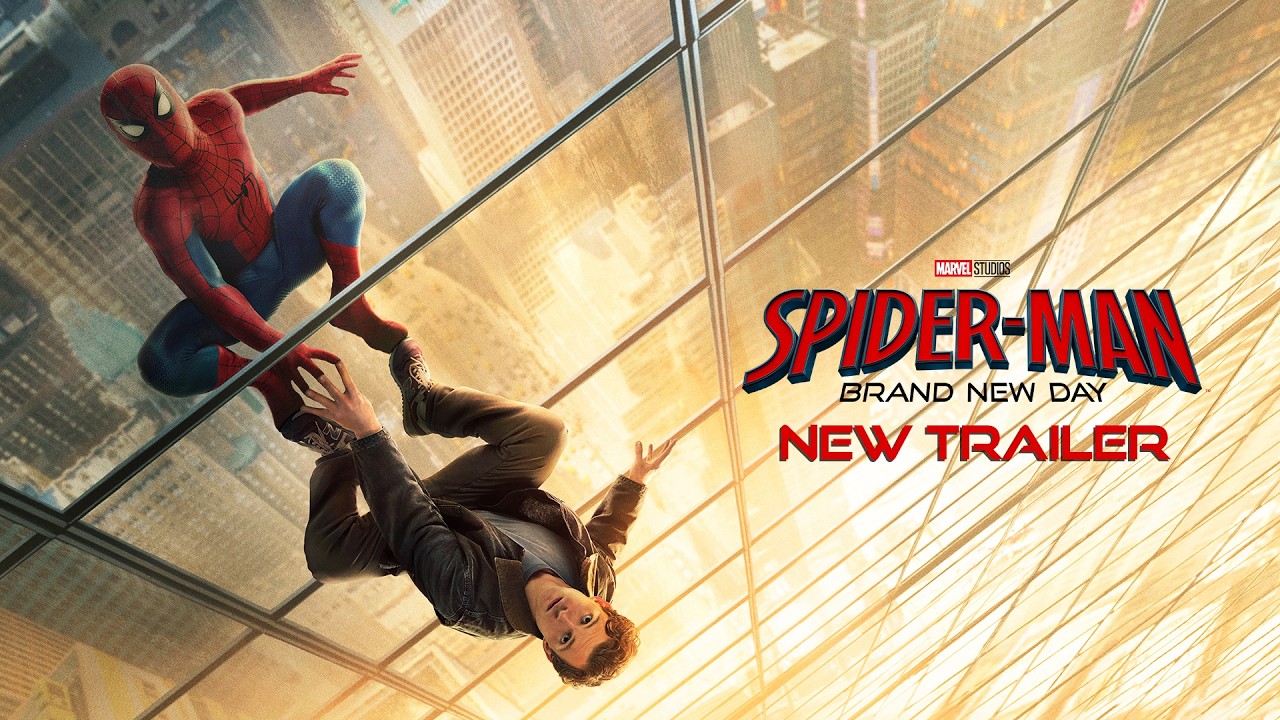
Spider-Man: Brand New Day: The New Standard for Digital Mastering
The 2026 release of Spider-Man: Brand New Day has fundamentally altered the expectations for modern action cinematography. With a global box office haul currently exceeding $2.45 billion, the film has surpassed industry titans such as Avengers: Endgame to become the highest-grossing domestic release in U.S. history.

Beyond its commercial success, the film provides a massive technical dataset for testing motion handling and high-dynamic-range (HDR) metadata implementation. Directed by Destin Daniel Cretton, the production abandons the high-tech, glossy CGI look of previous iterations in favor of a grittier, high-contrast aesthetic that emphasizes the physical strain of the protagonist.
The audio mix is particularly noteworthy. The soundtrack, featuring tracks by Tame Impala and Steve Lacy, paired with Michael Giacchino’s score, requires a sound system capable of handling complex frequency responses. The film’s set pieces serve as an excellent test for Dolby Atmos height channels, requiring precise object-based positioning to maintain immersion during the film’s street-level combat sequences. The transition from massive ensemble epics to a more grounded, character-focused narrative allows for a clearer evaluation of how hardware handles dialogue clarity against complex, multi-layered background soundscapes.
Bumblebee: The Reference for Low-Frequency Effects
While the broader Transformers franchise has experienced significant critical fluctuation, the 2018 installment, Bumblebee, remains the industry’s preferred reference disc for testing low-frequency effects (LFE) and bass integration.

The opening sequence, which depicts a high-octane arrival on Earth, is essentially an unofficial test signal for subwoofer performance. For a home cinema system to be considered "reference grade," it must accurately reproduce the percussive impact of the "comet" impact while maintaining the separation of higher-frequency elements like debris and mechanical whirring. The film’s placement of sound effects within a 3D soundfield provides a rigorous stress test for speaker arrays. If the system is correctly calibrated, the viewer should be able to track the movement of aircraft and robotic entities across the soundfield with distinct spatial precision, confirming that the audio processor is handling high-bitrate surround data without latency.
Metal Lords: Passion and Mid-Range Audio Clarity
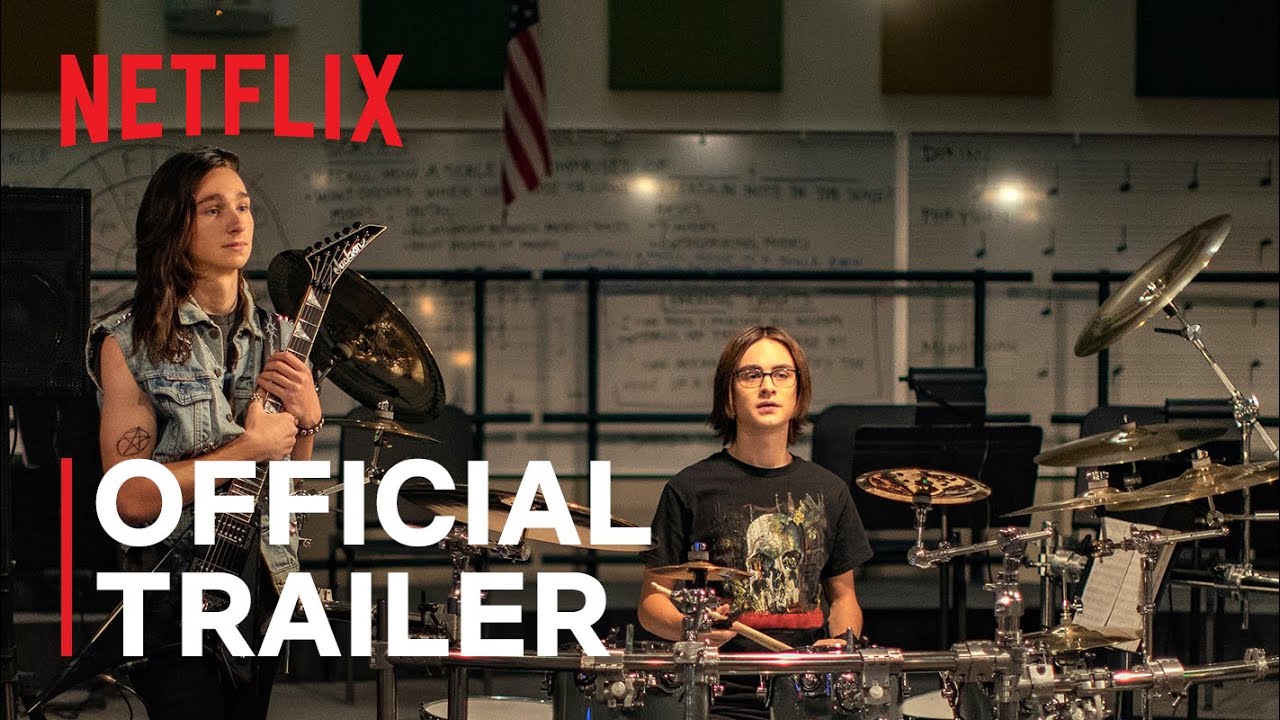
While not a technical showcase in the traditional sense, the 2022 film Metal Lords, directed by Peter Sollett, has become a cult favorite for testing mid-range vocal clarity and musical transparency. The film’s focus on the subculture of heavy metal—specifically the visceral, raw sound of garage-band performance—demands a system that does not over-process or "smooth out" the audio signal.
For those evaluating high-fidelity stereo or surround sound music playback, Metal Lords offers a unique perspective. It provides a realistic approximation of how live instruments sound in an unpolished environment. The cameos by industry legends such as Kirk Hammett and Rob Halford further add to the film’s authenticity, providing a standard against which to judge how a system handles the complex, distorted guitar tones and aggressive drumming styles inherent to the genre. It is an essential test for determining whether a system can capture the "soul" of a recording, rather than just its technical specs.
Slow Horses: The Benchmark for Shadow Detail and Atmospheric Tension
Apple TV’s spy drama, Slow Horses, has firmly established itself as a critical pillar for evaluating streaming quality. As the series enters its sixth season, the production team has leaned into an increasingly dark, rainy, and claustrophobic aesthetic. This stylistic choice makes the show an ideal candidate for testing black-level depth and shadow detail.
In the episode "Circle of Life," the majority of the action takes place in low-light, high-contrast environments. This presents a classic challenge for display technology: if the black levels are not absolute, the detail in the shadows—essential for identifying characters and maintaining narrative focus—becomes "crushed," resulting in a muddy image.
Furthermore, the show utilizes a complex soundscape that highlights the difference between studio-mastered content and compressed web streams. While Apple TV provides high-bitrate streaming, the dense, ambient noise of London’s streets, coupled with the dry, rapid-fire dialogue, tests the ability of a soundbar or receiver to maintain clarity without sacrificing the atmospheric tension created by the score.
Broader Implications for Home Cinema Standards
The rotation of these titles highlights a clear trend in the industry: viewers are moving away from purely spectacle-based content toward material that demands nuance, technical precision, and calibration accuracy. As streaming bitrates increase and physical 4K Blu-ray releases continue to serve as the gold standard for peak performance, the disparity between "average" and "reference" equipment becomes more apparent.
The data gathered from these tests confirms that a system is only as capable as the source material it reproduces. Whether it is the cold, unforgiving blue-grays of 14th-century France or the deep, shadow-laden streets of a modern-day London spy thriller, the hardware must be agile enough to adapt. For consumers, these films provide more than just entertainment; they offer a roadmap for evaluating whether their investment in home cinema technology is yielding the intended cinematic experience. As the industry continues to push the boundaries of 8K resolution, high frame rates, and object-based audio, the necessity for standardized reference content will only grow, ensuring that the hardware of tomorrow remains grounded in the performance requirements of today.