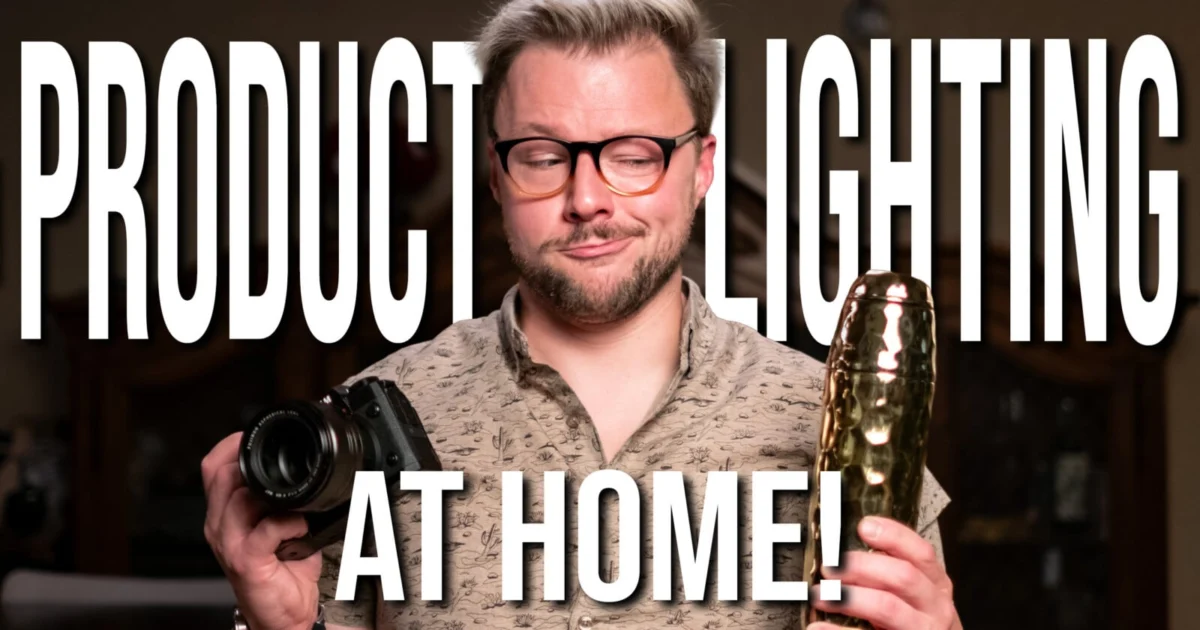
Recently, a well-known culinary brand approached an independent content creator with a unique proposition: provide feedback on their soon-to-be-released cocktail shaker. Instead of the standard survey, the creator opted for a more dynamic approach, transforming their dining room into a makeshift studio to produce a comprehensive promotional video for the product. This initiative highlights a growing trend in product marketing, where authenticity and resourcefulness can yield compelling results, even without a dedicated professional studio. The project, undertaken with a keen eye for visual storytelling and technical execution, offers a case study in how to leverage existing equipment and environments to create high-quality product showcases.
The impetus for this project arose from a direct request by the culinary brand to evaluate their latest offering. While a formal survey was proposed, the creator, recognized for their ability to craft visually appealing product imagery, saw an opportunity to go above and beyond. The decision was made to forgo the conventional feedback mechanism in favor of a hands-on, creative demonstration. This pivot aimed not only to fulfill the brand’s request but also to provide them with tangible, high-quality visual assets that could be repurposed for their marketing campaigns. The choice to create a promotional video rather than simply submitting written feedback underscores a desire to showcase the product’s potential through dynamic visuals and practical application. This approach allows potential customers to see the shaker in action, envisioning it as a centerpiece of their own entertaining endeavors.
Strategic Lighting: Taming the Reflective Beast
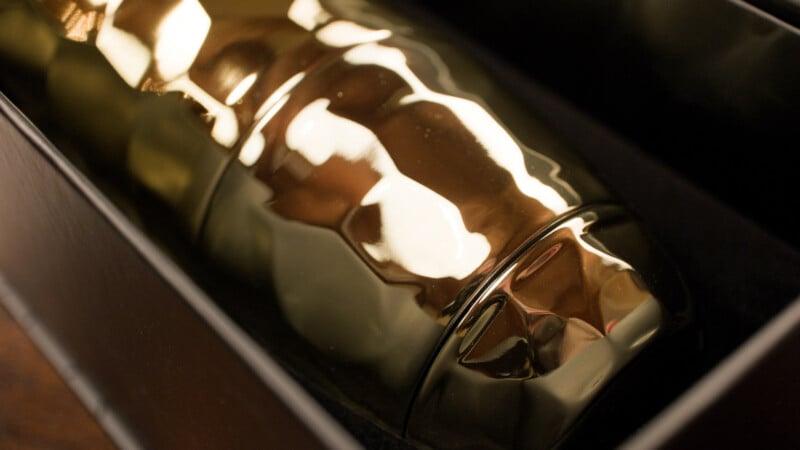
The cocktail shaker itself was described as a "gorgeous" and "sleek" design, characterized by numerous gold facets. This aesthetic, while visually striking, presented a significant challenge: its highly reflective surface. Effectively capturing such a product requires meticulous control over lighting to avoid distracting glare and to accentuate its intricate details.
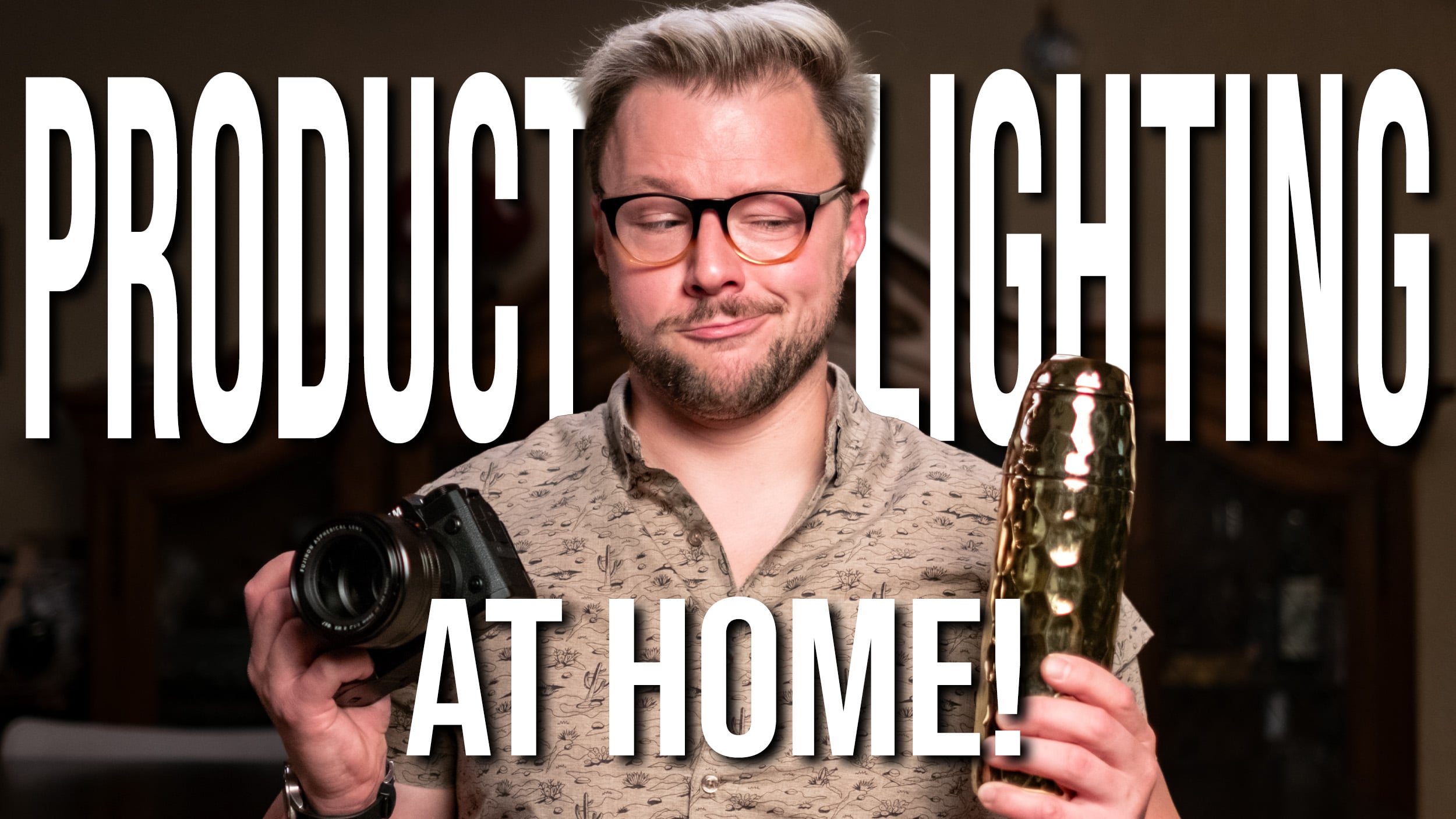
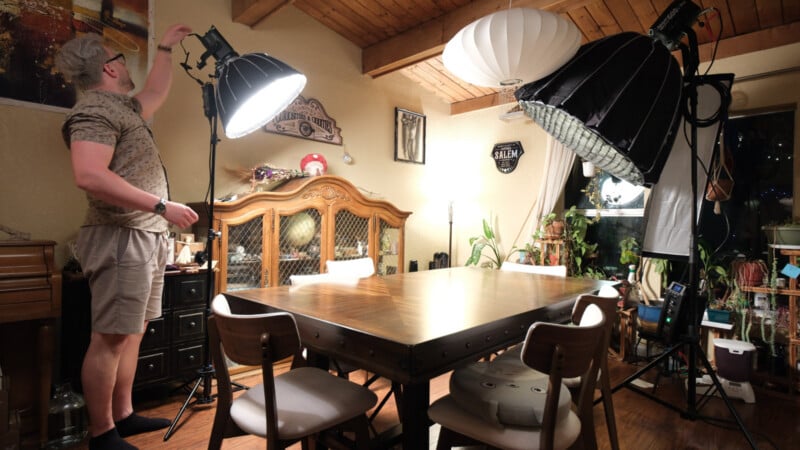
To address the reflective nature of the shaker, the creator prioritized establishing a controlled lighting environment. The ideal scenario, according to the creator, would be to shoot at night, thereby eliminating any competing daylight. However, personal and professional commitments, specifically the responsibilities of fatherhood to a young child, precluded this option. Consequently, a "Plan B" was implemented, involving a thorough blackout of the primary window and drawing curtains on a secondary one. This measure aimed to achieve a near-complete darkness, allowing for the exclusive use of artificial lighting. The creator emphasized that achieving a perfect blackout was not essential, as the powerful studio lights would easily overpower any residual ambient light. This strategy also offered the advantage of precisely controlling the color temperature of the lighting, ensuring it complemented the desired aesthetic of the final product shots.
In this instance, the creator opted to balance the color temperature around 2,700 to 2,900 Kelvin. This setting was chosen to align with the warm tones present in the chosen shooting environment, likely contributing to a more inviting and sophisticated ambiance for the cocktail-making scenario.
The lighting setup itself was carefully constructed. The primary illumination, referred to as the "key light," was provided by an Aputure 600 Bicolor LED fixture. This light was equipped with a medium dome softbox and positioned to illuminate the area where cocktails would be prepared. To further refine the light and prevent it from spilling uncontrollably, a grid was added to the softbox. This modification concentrates the light beam, ensuring it precisely illuminates the intended subject without washing out the background or other elements.
Complementing the key light were two additional lights serving as "edge lights." These were crucial for creating separation between the product and the background, adding depth and dimension to the visuals. The first edge light utilized a Nanlite 150 fixture fitted with a small circular dome softbox. The second edge light employed another Nanlite 150, this time paired with a narrow Godox softbox, which the creator noted is particularly effective in confined shooting spaces. Grids were also applied to both edge lights to maintain precise control over light spill and prevent unwanted illumination on adjacent surfaces. This layered lighting approach is fundamental in product photography and videography, enabling the creator to sculpt the light and define the product’s form and texture.
Incorporating Movement: Beyond the Static Shot
While tripods are indispensable for stabilizing the camera and achieving sharp focus, particularly for intricate detail shots, modern product videography thrives on dynamism. The creator recognized that a compelling promotional video requires more than just static images; it necessitates movement. This can manifest as subtle camera pushes, smooth dolly shots, or dynamic orbiting movements around the product.
To achieve controlled push-ins, the creator employed a pre-existing motorized 30-inch slider. This equipment allows for precise, linear camera movements, ideal for revealing the product gradually or drawing the viewer’s attention to specific features. However, for cylindrical products like cocktail shakers and glasses, the creator identified a need for a different kind of motion: the ability to rotate around the subject.
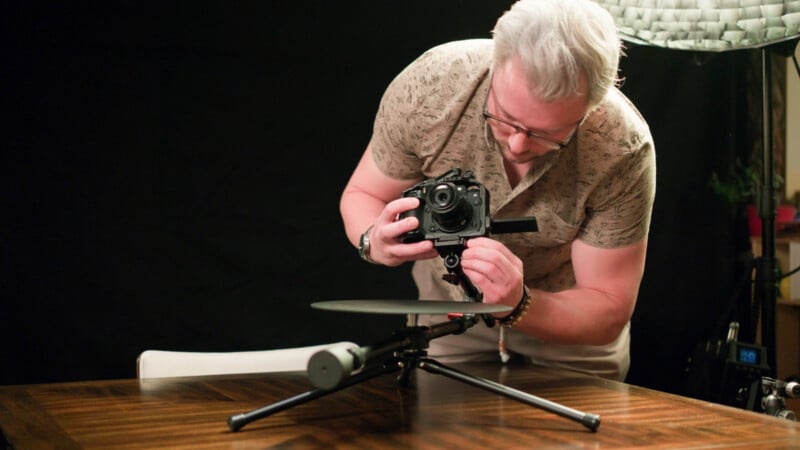
To capture this dynamic perspective, a small turntable was acquired. This device enabled the camera to maintain a consistent focus on the product while the product itself rotated. This technique is particularly effective for showcasing reflective surfaces, as it allows for the capture of changing highlights and reflections as the object turns. The turntable facilitates a comprehensive view of the shaker, highlighting its design from every angle and demonstrating how light interacts with its facets.
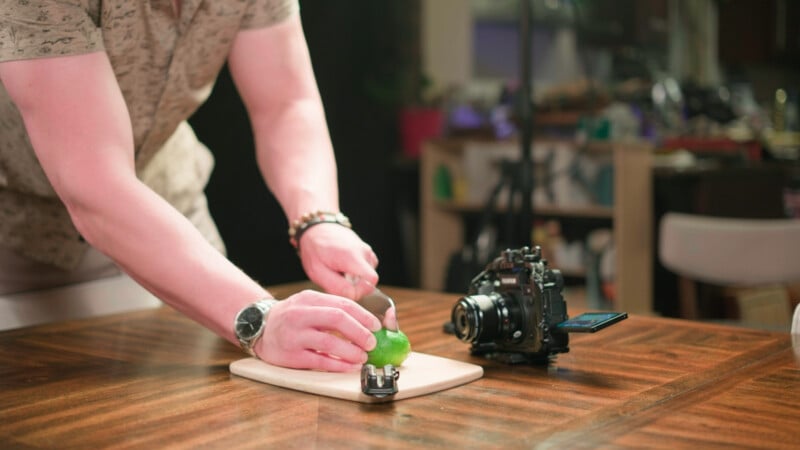
Beyond these specialized movements, traditional tripod-based shots remained a critical component of the production. These were used to capture macro details, such as the process of squeezing a lemon into a cocktail or the intricate slicing of citrus garnishes. The challenge here lay in maintaining precise manual focus while orchestrating the action within that focused plane. This requires a keen eye for detail and a steady hand, ensuring that every element within the frame is sharp and well-defined.
Overhead shots also contributed to the visual variety. By positioning the tripod on the dining table and angling the camera directly downwards, the creator captured unique perspectives of the cocktail-making process. These aerial views can offer a sense of overview and context, showing the arrangement of ingredients and tools in relation to the shaker.
Advanced Techniques: Slow Motion and Creative Illusion
With the foundational static and dynamic shots captured, the creator experimented with more advanced techniques to enhance the visual appeal of the video. The turntable, previously used for general rotation, was repurposed for more elaborate sequences. By placing the shaker on the turntable and carefully setting the focus, multiple takes were executed with varying degrees of rotation. This allowed for the creation of smooth, continuous spins that could be later manipulated in post-production.
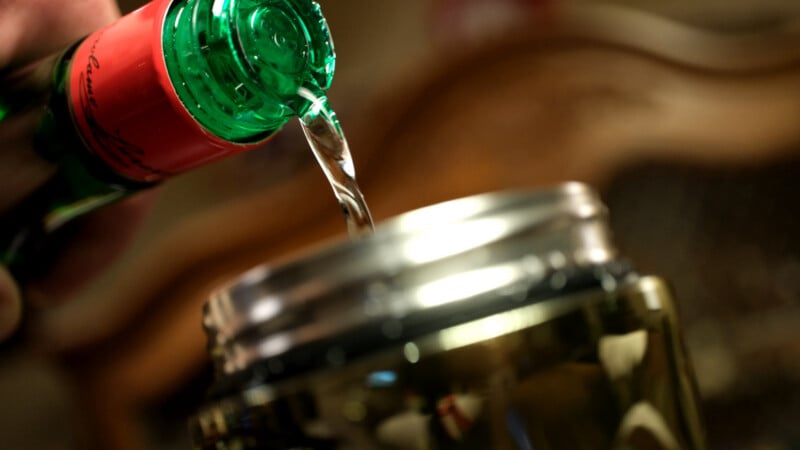
A key element introduced at this stage was the use of a high frame rate. The creator captured several shots at 120 frames per second. This technique, often referred to as slow-motion capture, allows for significant visual embellishment during the editing process. When played back at a standard frame rate (e.g., 24 or 30 frames per second), these high-frame-rate clips appear to move in slow motion, creating a sense of elegance and drama. This is particularly effective for showcasing fluid dynamics, such as liquid being poured or ice clinking, adding a sophisticated flair to the promotional content.
The slider, initially intended for straightforward push-ins, was employed in a more innovative way to create a visual illusion. The objective was to simulate a razor blade gliding across the product’s plastic packaging. To achieve this, the camera was kept entirely stationary. Instead, the packaging was placed on the slider, and the slider was used to move the packaging past the stationary camera. On screen, this creates the impression that the camera is tracking the blade’s movement, when in reality, it is the subject that is in motion. This clever use of equipment demonstrates a resourceful approach to creating dynamic visual effects without requiring complex motion control rigs.
Background Context and Industry Trends
The success of this DIY product video production is indicative of broader trends within the marketing and content creation landscape. As digital platforms continue to dominate consumer engagement, brands are increasingly seeking authentic and relatable content. The rise of the "creator economy" has empowered individuals with specialized skills to produce high-quality marketing materials, often at a lower cost than traditional agency models.
The culinary industry, in particular, has embraced visually driven content. Platforms like Instagram, TikTok, and YouTube are flooded with recipe demonstrations, cocktail tutorials, and product reviews. For brands, partnering with creators who possess both technical expertise and an understanding of their target audience can be highly effective. This approach allows for content that feels less like a direct advertisement and more like an authentic endorsement.
The timeline of this project, while not explicitly detailed, can be inferred. The initial request for feedback likely preceded the creation of the video by a short period. The process of setting up the controlled lighting, experimenting with camera angles and movements, and executing multiple takes would have required a dedicated block of time, likely spanning several hours or potentially a full day, given the complexity of lighting and motion setups. The subsequent editing and post-production phase would have added further time to the project’s completion.
Supporting Data and Analysis
While specific data on the ROI of this particular video is unavailable, the general effectiveness of well-produced product videos is well-documented. Studies consistently show that video content significantly increases engagement rates and conversion rates. For instance, explainer videos have been shown to boost conversion rates by up to 20%, and product videos on landing pages can increase conversion rates by more than 80%. The use of slow-motion at 120fps, as employed in this project, adds a layer of visual sophistication that can elevate a product’s perceived value and quality. Furthermore, the ability to create compelling visuals from a home environment suggests a democratization of high-quality product marketing. This allows smaller brands or those with limited budgets to compete more effectively with larger, established companies that might have extensive studio resources.
The implications of this approach extend beyond the immediate marketing campaign for the cocktail shaker. It serves as a testament to the power of creative problem-solving and resourcefulness. By demonstrating that professional-looking product videos can be produced outside of traditional studio settings, the creator provides a valuable blueprint for other content creators and brands. This encourages a more agile and adaptable approach to marketing, where creativity and technical skill can overcome budgetary or logistical constraints. The emphasis on controlling light and incorporating dynamic motion are fundamental principles that can be applied to a wide range of product categories, not just kitchenware.
Reactions and Broader Impact
While direct statements from the culinary brand are not included in the provided text, it can be logically inferred that they would be pleased with the outcome. Receiving not only feedback but also ready-to-use promotional assets would represent significant added value. The creator’s proactive approach likely exceeded the brand’s expectations for a standard product review. This initiative could foster a stronger, more collaborative relationship between the brand and the creator, potentially leading to future collaborations.
The broader impact of such a project lies in its potential to inspire other creators and businesses. It challenges the notion that expensive equipment and dedicated studios are prerequisites for high-quality visual content. The creator’s concluding remarks – "you don’t need a studio to shoot product work. Use the space that you have. As long as you control your light, add motion where you can, and create unique setups with the gear you already have, you can make surprisingly good looking video" – encapsulate this empowering message. The core takeaway is that innovation, adaptability, and a deep understanding of fundamental creative principles can yield impressive results, regardless of the physical environment or the extent of the available equipment. This philosophy encourages a continuous cycle of creation and self-improvement, pushing the boundaries of what is perceived as possible within given constraints.