The Open Home Foundation has officially rolled out its latest major software update, Home Assistant 2026.8, marking a significant milestone in the platform’s ongoing mission to democratize home automation. Authored for this release cycle by Technical Program Manager Ashley alongside Bram Kragten—while regular release conductor Frenck takes a scheduled hiatus—the August 2026 update directly addresses long-standing barriers to entry. By removing technical jargon from user interfaces, streamlining network configurations, and eliminating the necessity of remembering specific port numbers, this release targets non-technical users without compromising the deep customizability that advanced hobbyists demand.
The trajectory of this release is firmly rooted in the Open Home Foundation’s strategic roadmap and annual goals, which prioritize mainstream accessibility. Historically, open-source home automation platforms have suffered from a steep learning curve, often requiring users to understand networking protocols, YAML formatting, and complex syntax just to connect basic smart home hardware. Home Assistant 2026.8 confronts these friction points head-on. According to the development team, the overarching philosophy of the release is to ensure that a smart home is something anyone can operate and maintain, regardless of their background in software engineering or network administration.
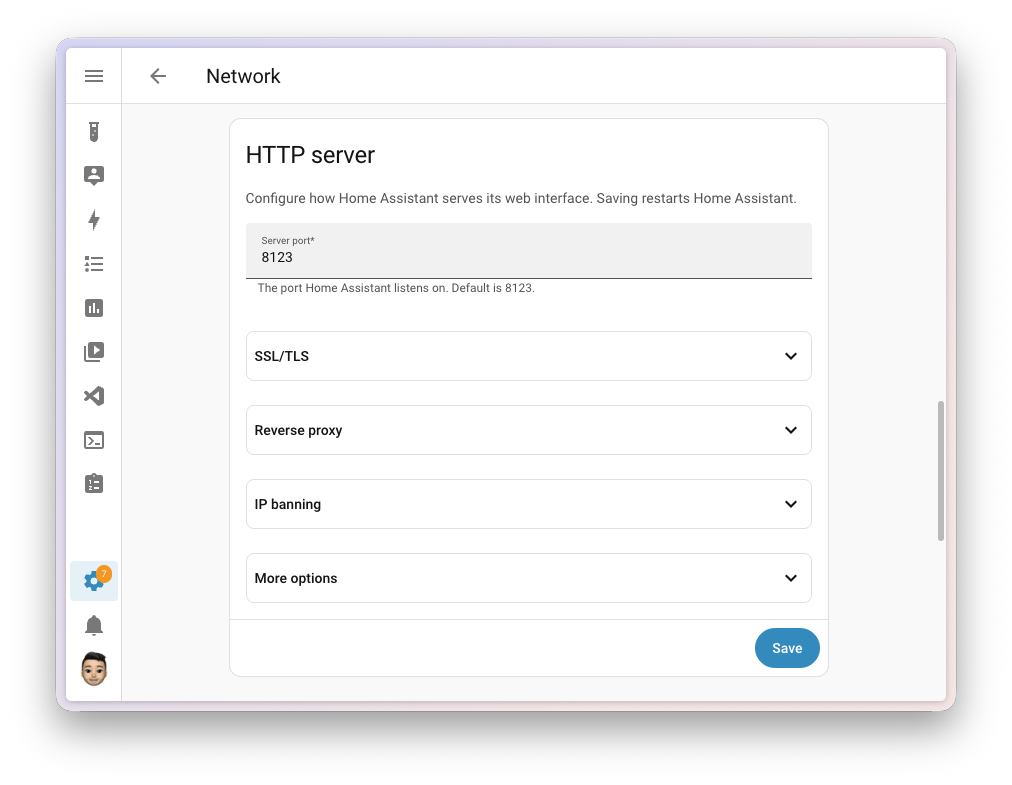
One of the most notable technical shifts in version 2026.8 is the eradication of the traditional magic number :8123 from web browser addresses for fresh deployments. For years, accessing a local Home Assistant dashboard required users to append this specific port number to their local IP address or hostname—a piece of technical trivia that routinely confused newcomers. Moving forward, new installations of Home Assistant OS will utilize standard web routing by default, allowing users to navigate to their home automation hub just as they would access any commercial website.
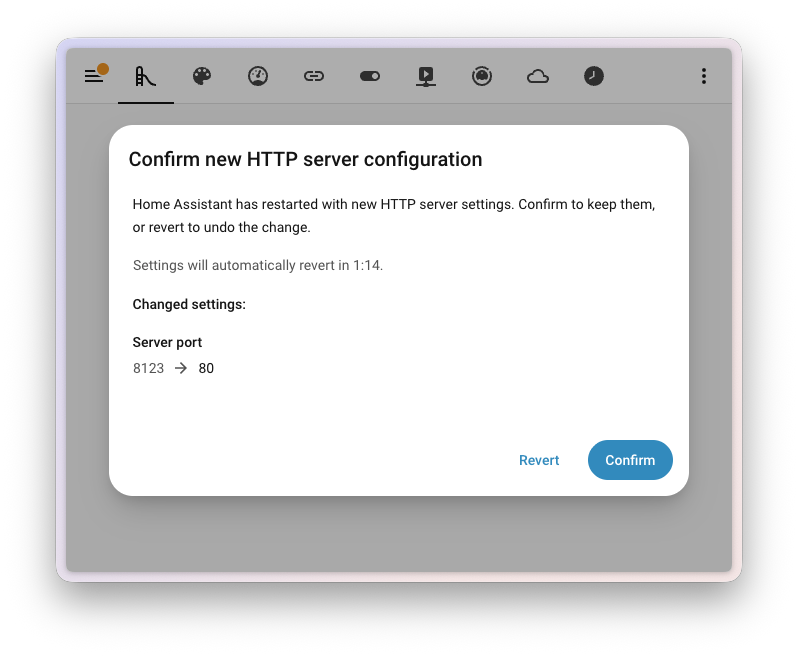
To achieve this change safely without disrupting existing networks, developers have introduced an intuitive user interface for web server management. Existing deployments will remain entirely untouched, preserving their legacy ports to prevent unexpected downtime for established systems. However, users running new configurations can now manage server ports, network bindings, and trusted proxies directly through the dashboard interface rather than editing raw configuration files. Furthermore, safety mechanisms have been integrated into these new networking tools: if a user alters web server settings and loses connectivity, Home Assistant automatically reverts to the previous stable configuration after a five-minute timeout, effectively eliminating the risk of permanent lockouts due to configuration errors.
In tandem with structural networking updates, the development team has executed a comprehensive audit of the platform’s terminology. Approximately 43 instances of exclusionary labeling—such as the terms "advanced" and "expert"—have been systematically expunged from the application architecture, documentation, and companion mobile apps. These labels, while historically intended to categorize configuration depth, frequently functioned as psychological barriers that discouraged everyday users from exploring powerful automation capabilities. By reframing these features to describe functional behavior rather than assigning a required user skill level, the platform fosters a more welcoming environment. In a parallel semantic shift, the long-standing "Developer Tools" section has been officially renamed "Tools," recognizing that tasks such as checking entity states, testing templates, and reloading system configurations are routine actions performed by users of all technical tiers.
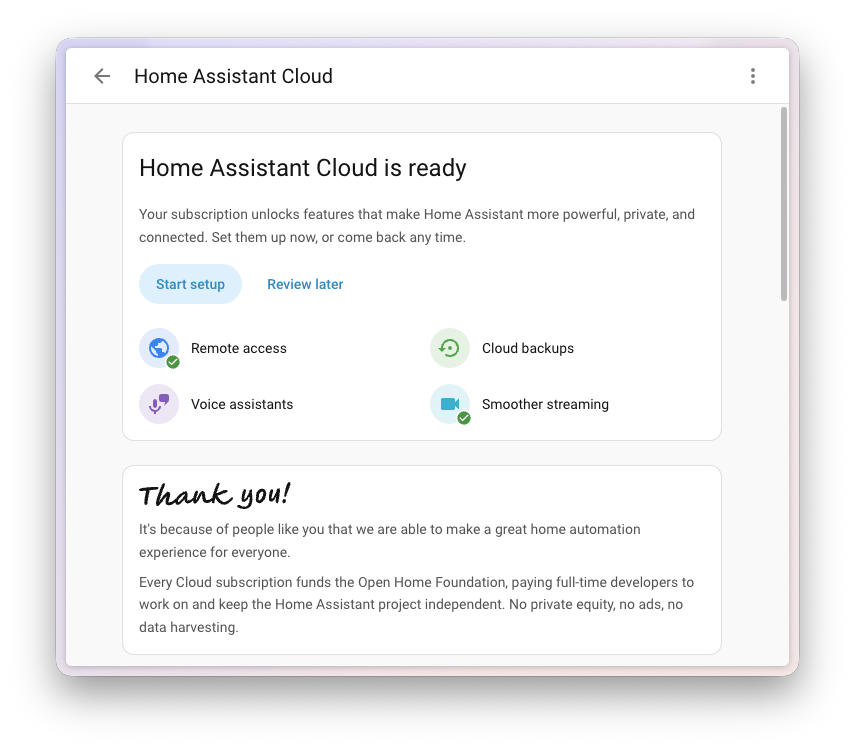
Account management and cloud integration have also received substantial architectural improvements. Home Assistant Cloud, operated in partnership with Nabu Casa to provide secure remote access, encrypted backups, and private voice assistant capabilities, has undergone a complete visual and navigational redesign. Previously housed within an overwhelming, single-page matrix of toggles and configuration fields, cloud features now occupy a cleanly structured dashboard. Each service—ranging from remote connectivity to third-party integrations—now commands its own dedicated interface page, supplemented by a guided onboarding wizard designed to walk new subscribers through setup step by step.
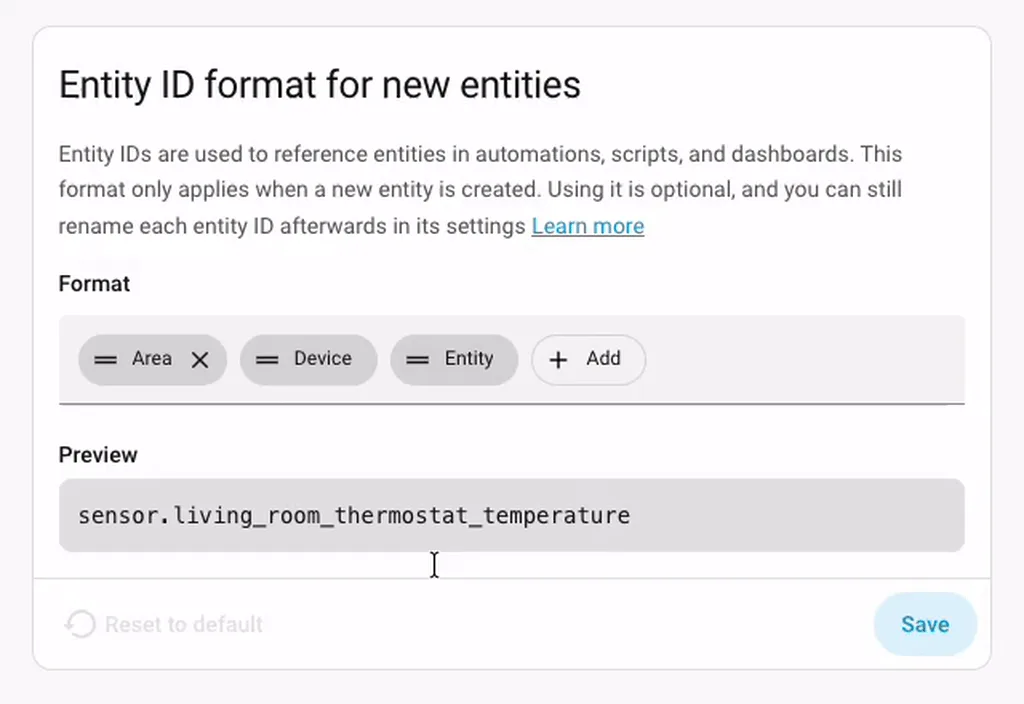
Customization options within home networks have similarly expanded, giving administrators granular control over entity naming conventions and device registries. Responding directly to community feedback regarding automated entity ID generation, version 2026.8 empowers users to manually rename and structure entity identifiers according to personal organizational preferences. Simultaneously, the backend architecture governing device tracking has been overhauled. In previous versions, physical hardware integrated via multiple protocols was frequently merged into a single device entity, occasionally triggering conflicts over serial numbers or device models. Under the new framework, each integration maintains an independent device entry, ensuring cleaner data separation and significantly reducing registry corruption across complex setups.
Automation logic has also seen meaningful expansion with the introduction of dedicated triggers and conditions for vibration sensors and lunar phases. Rather than requiring users to manually construct complex conditions from raw numerical states, native triggers now allow automations to execute precisely when a vibration event begins or stops, or when the moon transitions into a new phase. These additions enable more precise contextual automations, such as triggering notifications only after a washing machine has finished its physical spin cycle, or adjusting ambient household lighting based on astronomical schedules.
The release package is accompanied by a massive influx of third-party integration updates, quality-scale enhancements, and user-interface migrations. Several integrations have been upgraded to higher compliance tiers within the Home Assistant Integration Quality Scale, reflecting rigorous improvements in documentation, error handling, and automated testing. Concurrently, a series of backward-incompatible changes have been documented to guide advanced users through necessary updates. Notably, the AirNow integration has removed its station radius parameter to align with API modifications, the Gardena Bluetooth integration now utilizes standardized string values for valve activation reasons, and minimum version thresholds for external services such as Paperless-ngx have been raised to ensure long-term system stability and security.
As the open-source community digests the extensive feature set of version 2026.8, the Open Home Foundation has confirmed its commitment to maintaining software reliability through scheduled weekly patch releases throughout the month of August. These subsequent updates will focus exclusively on bug fixes and performance stability. Community support channels, including the official Discord server and user forums, remain active hubs for troubleshooting and peer assistance. Meanwhile, the broader ecosystem continues to expand in parallel with software developments, highlighted by concurrent hardware initiatives such as the upcoming ESPHome Starter Kit launch party scheduled for August 12 in collaboration with Apollo Automation. Through these synchronized hardware and software efforts, the Open Home Foundation continues to solidify its position as the premier standard for private, localized, and user-empowered home automation.