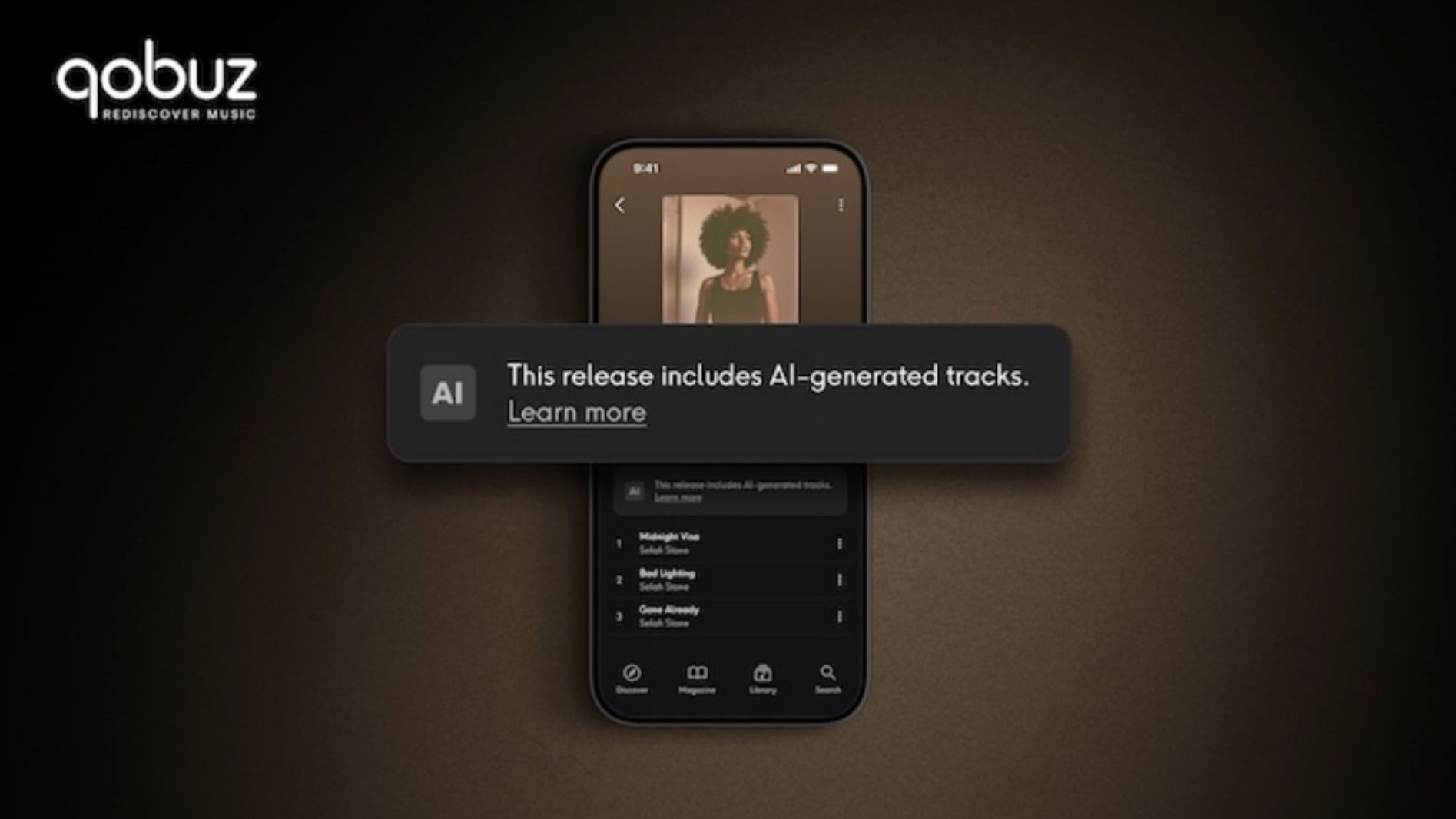
The French high-fidelity music streaming service Qobuz has officially launched a new suite of measures designed to combat the proliferation of artificial intelligence-generated content on its platform. In a move that reinforces its long-standing "human-centered" business model, the company will now implement a mandatory tagging system to identify AI-generated tracks, while simultaneously purging such content from its editorialized playlists and algorithmic recommendations. This strategic shift is intended to provide users with unprecedented transparency regarding the provenance of the music they consume, ensuring that human artistry remains the primary focus of the listener experience.
The Evolution of the Qobuz AI Charter
This initiative is the latest milestone in a broader "AI Charter" introduced by Qobuz to address the rapidly changing landscape of the music industry. As generative AI tools become increasingly accessible, the sheer volume of synthetic music flooding streaming platforms has created significant challenges regarding royalty distribution and artistic integrity. By implementing these labels, Qobuz aims to distinguish between authentic human performances and computer-generated compositions, effectively creating a "safe harbor" for listeners who prioritize the nuances and emotional depth of traditional studio recordings.
The policy explicitly excludes AI-generated content from high-visibility sections of the platform, including its prestigious "Our Selections," "New Releases," "Qobuzissimes," and "Albums of the Week" features. Furthermore, these tracks are being systematically removed from the algorithmic recommendation engines that drive discovery for millions of users. By cordoning off synthetic audio, Qobuz is signaling that it considers the AI-generated segment a secondary or distinct category rather than an equivalent to the curated catalog of human artists.
Statistical Landscape and the Fraud Connection
The prevalence of AI-generated music on major streaming services has become a point of contention for both rights holders and listeners. According to internal data provided by Qobuz, the proportion of AI-generated streams on its platform currently stands at approximately 0.38 percent. This figure is notably lower than industry averages reported by competitors; for instance, platforms like Deezer have previously indicated that AI-generated or synthetic content can account for between one and three percent of total consumption.
However, the primary concern for Qobuz is not merely the existence of AI music, but its correlation with fraudulent activity. The company reports that roughly 60 percent of all music identified as AI-generated by its internal detection systems has been classified as fraudulent. This often involves "ghost" tracks designed to manipulate streaming counts or engage in royalty harvesting without any genuine human creative input. In a recent sweep, Qobuz confirmed the removal of four million tracks from its search index that were identified as AI-generated and had received zero listening activity, highlighting the scale of the "bot-stream" problem.
Industry Context and Competitive Responses
The rapid advancement of generative AI has forced a reactive posture across the digital music sector. Major players have approached the issue with varying levels of intensity:
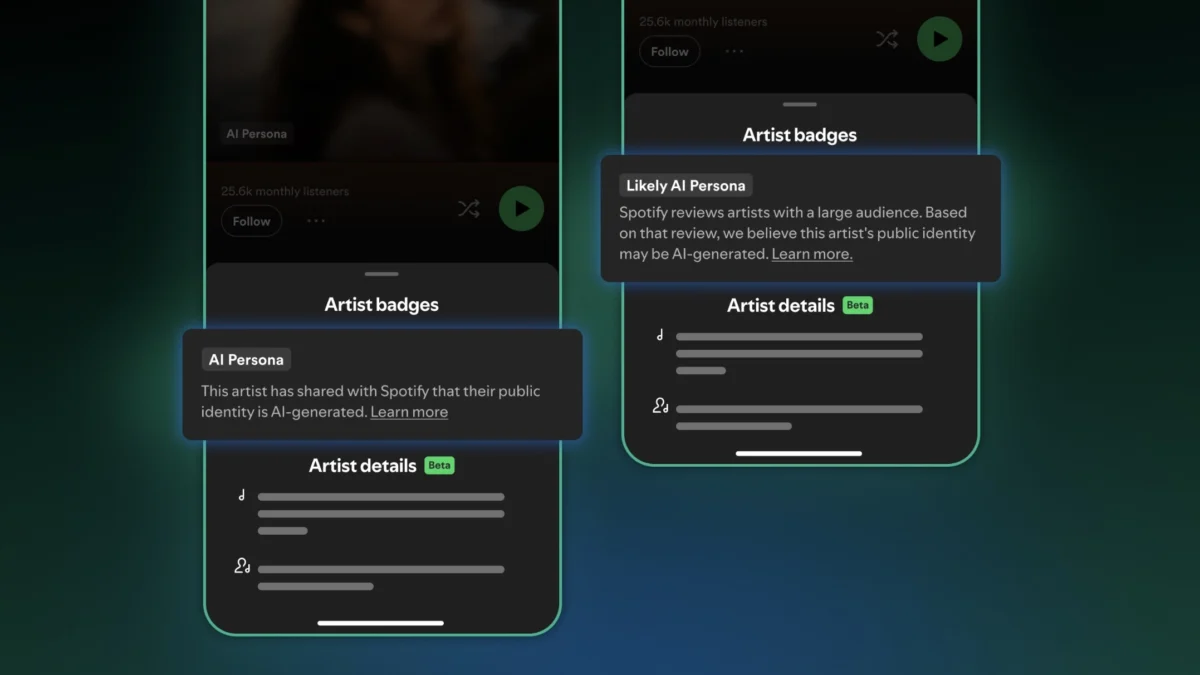
- Tidal and Spotify: These platforms have already implemented labeling systems for tracks identified as AI-generated, attempting to balance transparency with the sheer scale of their libraries.
- Apple Music: Having recognized the growing demand for clarity, Apple Music has committed to integrating "Made With AI" tags into its interface later this year, signaling a wider industry consensus on the necessity of labeling.
- Deezer: As a leader in AI detection technology, Deezer has been one of the most vocal proponents of identifying and separating AI content, having invested heavily in proprietary detection algorithms to maintain the value of their royalty pool.
The consensus among these platforms is that while AI can be used as a creative tool, it must be clearly demarcated to prevent the devaluation of human-made music. The core objective for these services is to prevent the "dilution" of the catalog, where the high-quality, high-resolution audio that platforms like Qobuz pride themselves on is overshadowed by low-effort, synthetic content.
Official Stance and Philosophical Implications
Georges Fornay, Deputy CEO of Qobuz, characterized the shift as a necessary evolution for the streaming industry. "Today, the challenge is no longer just detecting AI-generated music but enabling listeners to identify it clearly," Fornay stated in a recent briefing. "At Qobuz, this transparency—which is our hallmark—comes with a core conviction: musical discovery must remain guided by human choices. Everyone should be able to know what they are listening to and make informed choices."
This philosophy touches upon the deeper debate surrounding the "value" of music. In an era where a song can be generated in seconds, the industry is grappling with how to sustain the livelihood of human musicians. Qobuz’s policy is a direct attempt to protect the integrity of the royalty ecosystem. By excluding fraudulent and AI-generated streams from its financial reporting and payout structures, the company ensures that royalties are directed toward legitimate artists, thereby sustaining the professional creative class.
Broader Implications for the Hi-Fi Market
The move is particularly significant for Qobuz given its niche as a high-fidelity, audiophile-focused platform. Its subscriber base typically values the production quality, dynamic range, and the historical context of music—elements that are often missing or "flattened" in AI-generated compositions. For an audience that prioritizes the "soul" of a recording, the presence of AI-generated tracks can be perceived as an intrusion.
Furthermore, the integration of these labels creates a new data point for the music industry. As researchers and analysts track the consumption of AI-generated music versus human-created music, these labels will serve as vital identifiers for long-term impact studies. If, as some industry observers speculate, the public begins to filter out AI music through these tags, it may force a market correction, where synthetic music is relegated to niche genres or functional background audio, leaving the main stage for human-led compositions.
A Chronology of the AI Streaming Crisis
The current regulatory environment in music streaming is the culmination of events spanning the last 24 months:
- Early 2023: The rapid rise of viral AI-generated songs, such as "Heart on My Sleeve," which mimicked the voices of Drake and The Weeknd, forces streaming platforms to grapple with copyright and likeness issues.
- Mid-2023: Major labels and distributors begin sending "take-down" notices to streaming services, demanding the removal of music that violates copyright by training models on their artists’ voices.
- Late 2023: Platforms begin integrating metadata fields to identify AI-assisted or AI-generated content.
- Early 2024: Qobuz formalizes its "AI Charter," setting a precedent for strict curation and the removal of content linked to fraud.
- Current Status: The industry moves toward a standard of mandatory transparency, with platforms like Qobuz leading the charge in not just labeling, but actively curating against, synthetic content.
Looking Ahead
The decision by Qobuz to act against AI-generated music is unlikely to be the final word on the matter. As AI technology improves, the line between "human-assisted" and "AI-generated" will inevitably blur. For now, the platform has established a clear boundary: human-centered discovery remains the priority. By choosing to provide users with the information required to make informed choices, Qobuz is betting that its audience will continue to value the human experience over the convenience and algorithmic efficiency of synthetic alternatives.
Whether this policy will be adopted as a universal standard across all streaming services remains to be seen. However, as the distinction between human and synthetic creation becomes a primary concern for both consumers and regulators, the transparency measures championed by Qobuz may well serve as the blueprint for the next phase of the digital music economy. The question now remains whether the wider market will follow suit, or if the streaming landscape will continue to fracture into a divide between platforms that curate for quality and those that prioritize volume.