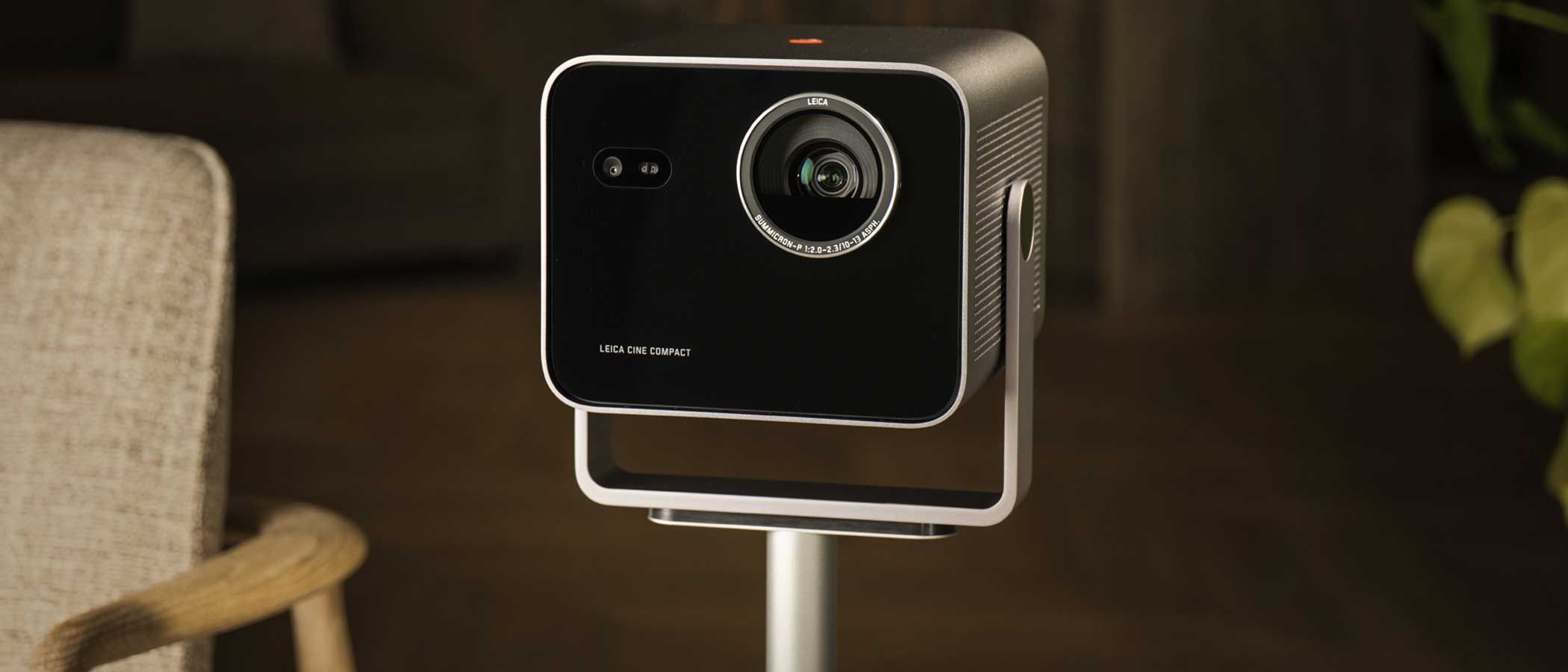
The arrival of the Leica Cine Compact 1 represents a significant milestone in the manufacturer’s strategic expansion into the consumer home cinema sector. Following the release of the ultra-short-throw Cine 1 and the portable Cine Play 1, the Cine Compact 1 serves as the most accessible entry point in Leica’s current projector lineup. Priced at $2,990, this device bridges the gap between high-end professional imaging technology and the convenience of modern, portable smart home entertainment. By integrating a proprietary Summicron zoom lens with advanced laser projection technology, Leica aims to reclaim its historical status as a leader in optical projection, a legacy that dates back to the company’s first slide projectors in 1926.
Historical Context and Evolution of Leica Projection
Leica’s re-entry into the home cinema market is not merely a diversification of product categories but a return to its foundational roots. Founded in Wetzlar, Germany, in the 1860s, the company—originally under the Leitz name—pioneered the use of 35mm cinema film for still photography, a move that revolutionized the imaging industry. For decades, the Leitz/Leica name was synonymous with the "gold standard" for home slide projection. The current "Smart Projection" division effectively utilizes this century of expertise, applying high-precision optical engineering to the challenges of modern digital home theater. The transition from purely mechanical optics to software-defined, laser-powered projection reflects the company’s attempt to maintain its premium brand identity in an era dominated by high-speed streaming and smart ecosystems.
Technical Specifications and Engineering
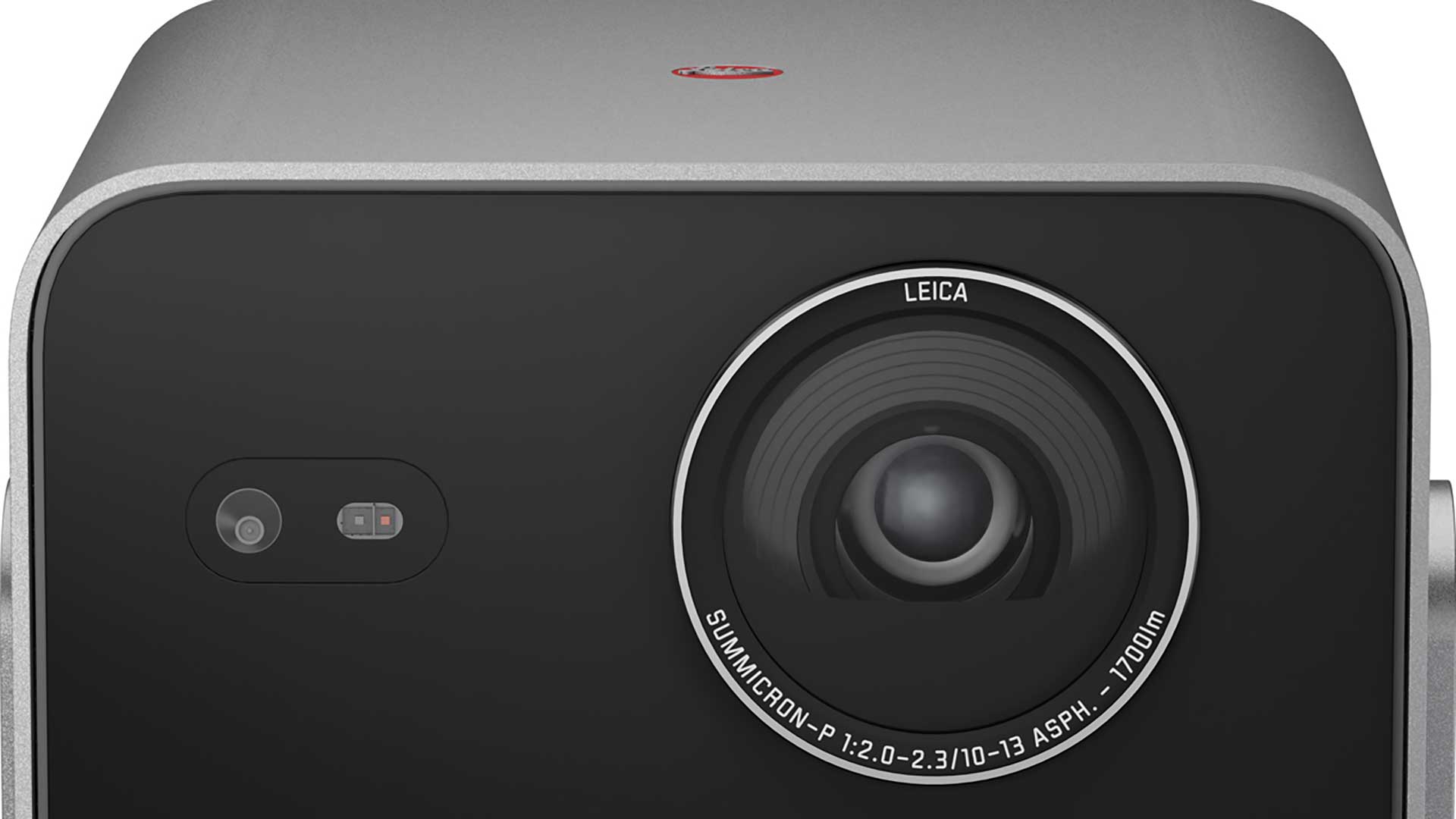
The Cine Compact 1 is built around a DLP 0.47-inch Pico DMD (Digital Micromirror Device) chip, powered by a triple-RGB laser light source. This configuration is engineered to produce a native 1080p resolution, which is subsequently enhanced to a pixel-shifted 4K output. One of the most critical aspects of this model is its optical system, which features Leica’s proprietary Summicron zoom lens. Unlike many compact projectors that rely on polymer lenses, the use of glass elements significantly reduces chromatic aberration and improves color uniformity across the entire 220-inch maximum projection area.

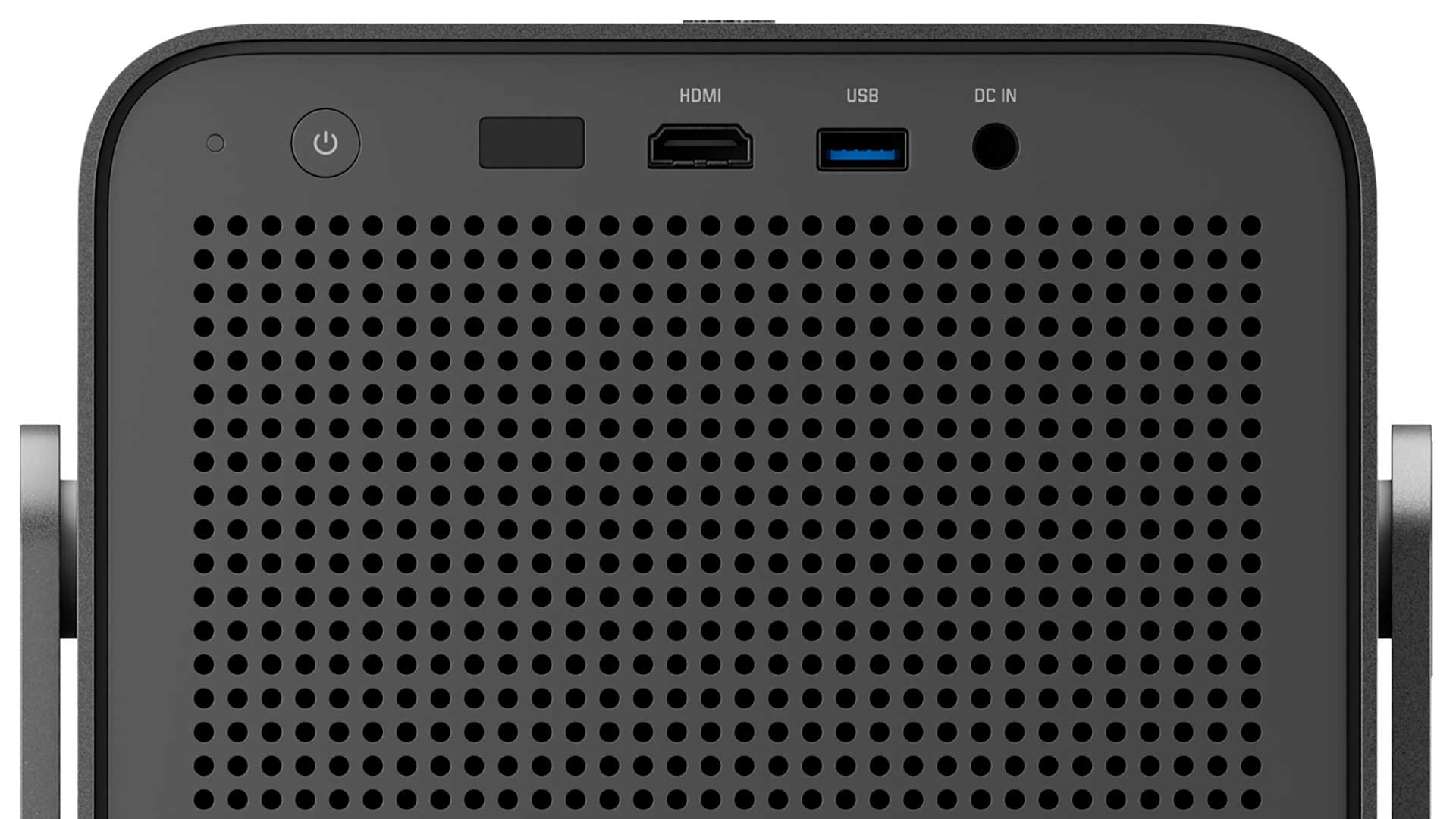
The device boasts a peak brightness of 1,700 lumens, a figure that, while modest by commercial cinema standards, is highly effective for a compact home unit. The projector supports high dynamic range formats including Dolby Vision and HDR10+, ensuring compatibility with the latest high-quality streaming content. Connectivity options include HDMI 2.1 with eARC, USB-A 3.0, dual-band Wi-Fi, and Bluetooth. With dimensions of 209 x 226 x 193mm and a weight of 4.4kg, the unit is designed for portability, aided by a 360-degree rotation system that allows for flexible wall or ceiling projection.
Strategic Manufacturing and Collaborative Dynamics
Industry analysts have noted that the Leica Cine Compact 1 shares architectural similarities with hardware produced by Hisense. While Leica does not formally highlight this partnership in marketing materials, the two companies have maintained a collaborative relationship in the projector space. The "two-way collaboration" involves Leica providing its optical expertise and image processing algorithms—often referred to as Leica Image Optimization (LIO)—while utilizing a robust, existing hardware chassis as a base.
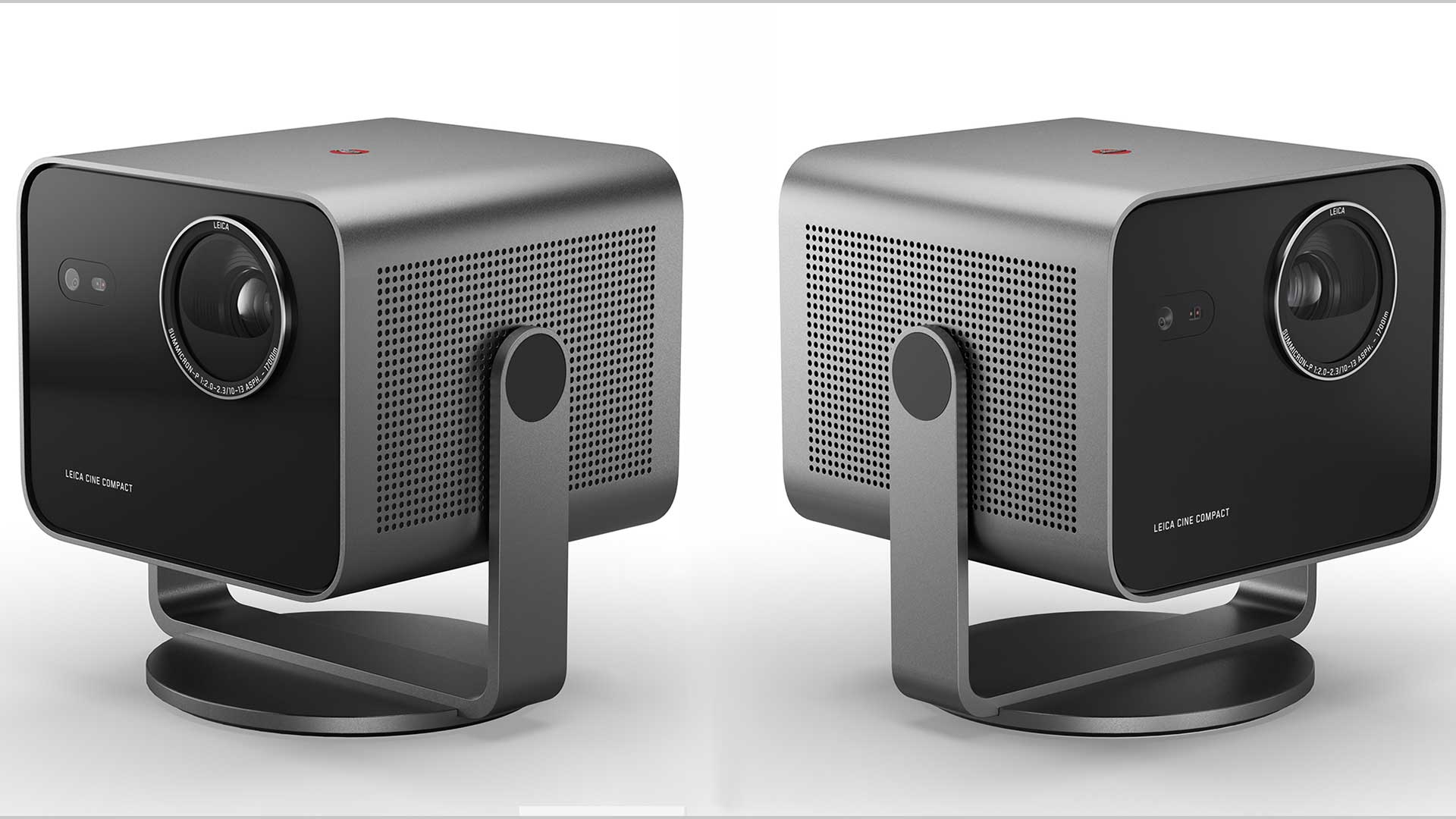
This synergy allows Leica to focus on its core competencies: lens quality, color science, and image processing. In the case of the Compact 1, the modifications applied by the German engineering team are substantial. These include a re-engineered light engine designed to reduce stray light, an improved internal audio system, and, most importantly, the implementation of the Summicron glass lens system. By leveraging Hisense’s manufacturing scale and supplementing it with Leica’s high-precision optics, the company has managed to bring a premium product to market at a significantly lower price point than its previous flagship models.
User Interface and Ecosystem Integration
The projector utilizes the VIDAA operating system, a platform that has seen marked improvements in recent years. A primary point of friction for earlier Leica models was the mandatory requirement for a user account and the acceptance of extensive data-sharing policies. In response to consumer feedback, the latest iteration of the VIDAA interface on the Cine Compact 1 is significantly more privacy-friendly. Users can now operate the projector without registering a mandatory account, though doing so limits access to certain features like personalized profile recommendations and specific niche apps.
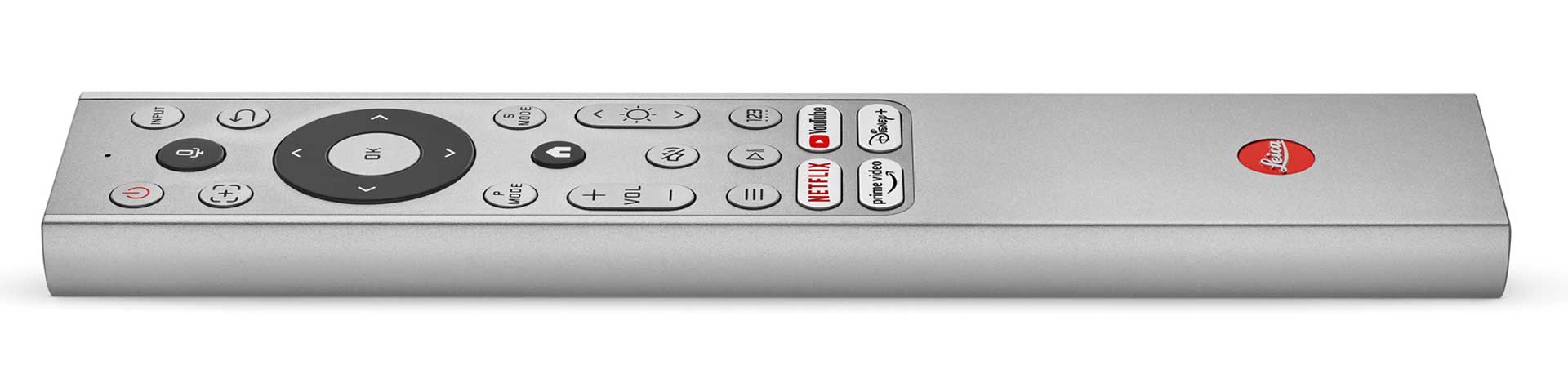
The inclusion of major streaming services, including Netflix, Disney+, and Amazon Prime, is seamless. Furthermore, the system now hosts a comprehensive suite of local catch-up television applications, resolving previous licensing gaps that hindered early iterations of the platform. The hardware control is facilitated by an aluminum remote that stands in contrast to the typical plastic peripherals found in the projector market. While the remote features dedicated launch buttons for popular streaming services—a feature that can sometimes lead to accidental navigation—its build quality and tactile response reinforce the premium positioning of the product.
Performance Analysis: Image and Motion
In controlled testing environments, the Cine Compact 1 demonstrates exceptional color accuracy, particularly when the color gamut is set to the DCI-P3 standard. The image sharpness is a clear byproduct of the glass lens assembly, which provides a level of clarity often missing in portable units of this size. While the projector handles 24fps and 60fps content via HDMI without issue, the internal VIDAA streaming module presents some challenges with 50Hz content, occasionally resulting in minor frame-rate judder.
For users seeking a "judder-free" experience, particularly for sports or high-motion cinematic content, the manufacturer recommends utilizing an external media player, such as an Apple TV 4K, connected via HDMI. By allowing the external player to handle frame-rate switching, the projector performs at its optimal capacity. The device’s "Gamer Mode" also provides a latency of approximately 20ms, making it a viable, if not professional-grade, option for casual gaming.
Audio Capabilities and Versatility
Given its compact form factor, the internal 10W stereo speaker system provides a surprisingly balanced audio profile. While it cannot compete with dedicated surround sound setups, it is more than adequate for casual viewing. The projector includes several sound modes—"Music," "Standard," and "Theater"—each tuned to favor different frequencies. The integration of Bluetooth 5.0 allows for quick pairing with headphones or external audio systems. For those requiring a more immersive experience, the eARC HDMI port allows for the seamless connection of soundbars or AV receivers, effectively turning the projector into the central hub of a larger home theater system.
Market Implications and Future Outlook
The release of the Cine Compact 1 signals a maturing of the luxury-portable projector market. By offering a sub-$3,000 device that does not compromise on optical quality, Leica is successfully tapping into a consumer demographic that values both aesthetic design and high-fidelity imaging. The shift toward a more open, less data-restrictive software environment also suggests that Leica is becoming increasingly responsive to the privacy concerns of its high-end clientele.
Looking forward, the success of the Cine Compact 1 may dictate the future trajectory of Leica’s Smart Projection division. If the brand continues to bridge the gap between Hisense’s reliable manufacturing and its own legendary optical prowess, it could solidify its position as the premier provider of high-end home cinema projection. As traditional television sizes hit physical limitations in residential spaces, the demand for high-quality, flexible, and portable projection solutions is expected to grow. Leica’s strategy, which emphasizes the "Leica look"—characterized by natural skin tones, deep blacks, and exceptional sharpness—positions it well to capture this expanding market share. Whether for a dedicated home cinema room or a temporary setup in a backyard, the Cine Compact 1 provides a compelling case for the enduring relevance of high-quality optics in the digital age.