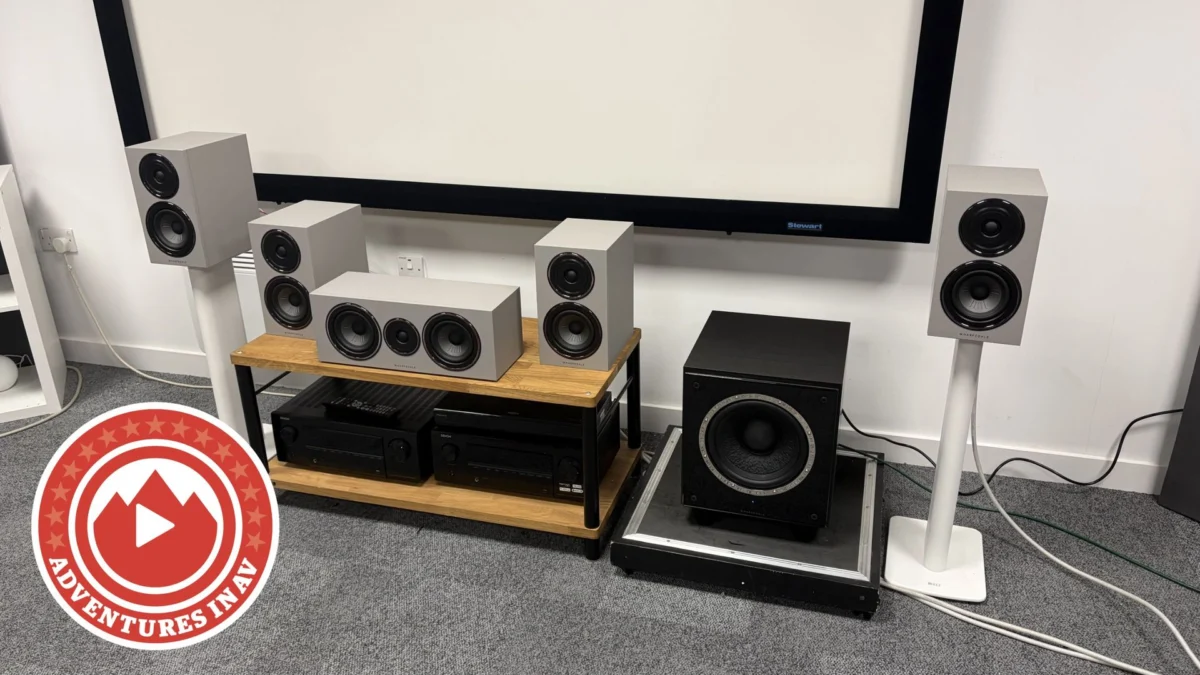
The year 2026 has marked a significant evolutionary period for home cinema audio, characterized by a wave of new 5.1 and 7.1 speaker packages entering the market from industry stalwarts including Wharfedale, KEF, Paradigm, Dali, and Q Acoustics. As consumers increasingly seek to bridge the gap between convenient, space-saving soundbars and the visceral, fully immersive experience of traditional component-based home cinema systems, the technical requirements for high-fidelity multi-channel audio have come under renewed scrutiny. Following months of rigorous testing in controlled environments using a diverse array of cinematic reference material, the primary differentiator between an exceptional surround sound system and a mediocre one has been identified as sonic cohesion.
The Technical Definition of Sonic Cohesion
Sonic cohesion refers to the seamless transition of sound across all channels in a home cinema setup. In a perfectly integrated system, the tonal character, frequency response, and dynamic delivery remain consistent as audio effects pan from the front left and right speakers to the centre channel and, ultimately, to the rear surrounds. When this balance is disrupted—often due to manufacturers utilizing mismatched drivers or cabinets of varying acoustic profiles across a single package—the "cinematic bubble" is compromised.
The phenomenon of "surround distraction" occurs when a rear speaker fails to match the full-bodied performance of the front array. If the rear channels possess a different sonic signature, the listener becomes consciously aware of the physical location of the speakers rather than the intended soundscape of the film. This dissonance effectively shatters the immersion that high-end audio equipment is designed to foster.
Chronology of 2026 Industry Developments
The current market landscape has been shaped by a rapid iteration cycle throughout the first three quarters of 2026.
- Q1 2026: Manufacturers began shifting focus toward high-density driver materials to reduce cabinet resonance, a move prompted by the increasing demand for "lifestyle-friendly" compact speakers that do not sacrifice output power.
- Q2 2026: Reviewers and industry analysts began identifying a trend where entry-level surround systems were prioritizing price-point reduction by downgrading the quality of satellite speakers, leading to a noticeable decline in total system synergy.
- Q3 2026: The release of high-profile cinematic titles, including Sinners and Blade Runner 2049, served as critical reference points for testing, highlighting that the complexity of modern film mixes requires more precise matching than ever before.
- Q4 2026: The industry has seen a stabilization in design philosophies, with brands like Wharfedale gaining acclaim for maintaining component uniformity across their flagship packages.
Analysis of Component Consistency
The industry standard for achieving superior cohesion remains the utilization of identical driver arrays across the entire 5.1 or 7.1 spectrum. A prime example of this methodology is the Wharfedale Diamond 12.1i 5.1 Home Cinema Package (HCP). By deploying the same 13cm mid/bass drivers and 25mm woven polyester dome tweeters in both the standmount front speakers and the rear surrounds, the manufacturer ensures that the sonic footprint remains uniform regardless of where the sound is placed within the room.
However, internal testing data suggests that consistency is a necessary, but not sufficient, condition for success. The Paradigm Premier v2 5.1 system serves as an important case study in this regard. While the package achieves perfect driver-to-driver cohesion, it has been noted for a "hard-edged" sonic profile and a relative lack of natural warmth. This underscores that while tonal matching is the foundation of a good system, it does not guarantee a high-fidelity experience if the underlying voicing of the speakers is inherently fatiguing or unnatural.
The Role of the Front Stage
In any multi-channel configuration, the front left, right, and centre channels act as the anchor of the performance. Statistical analysis of modern film soundtracks reveals that approximately 70% to 80% of audio information is routed through these three channels. The front speakers carry the burden of the soundstage, delivering the vast majority of atmospheric cues, musical soundtracks, and localized effects.
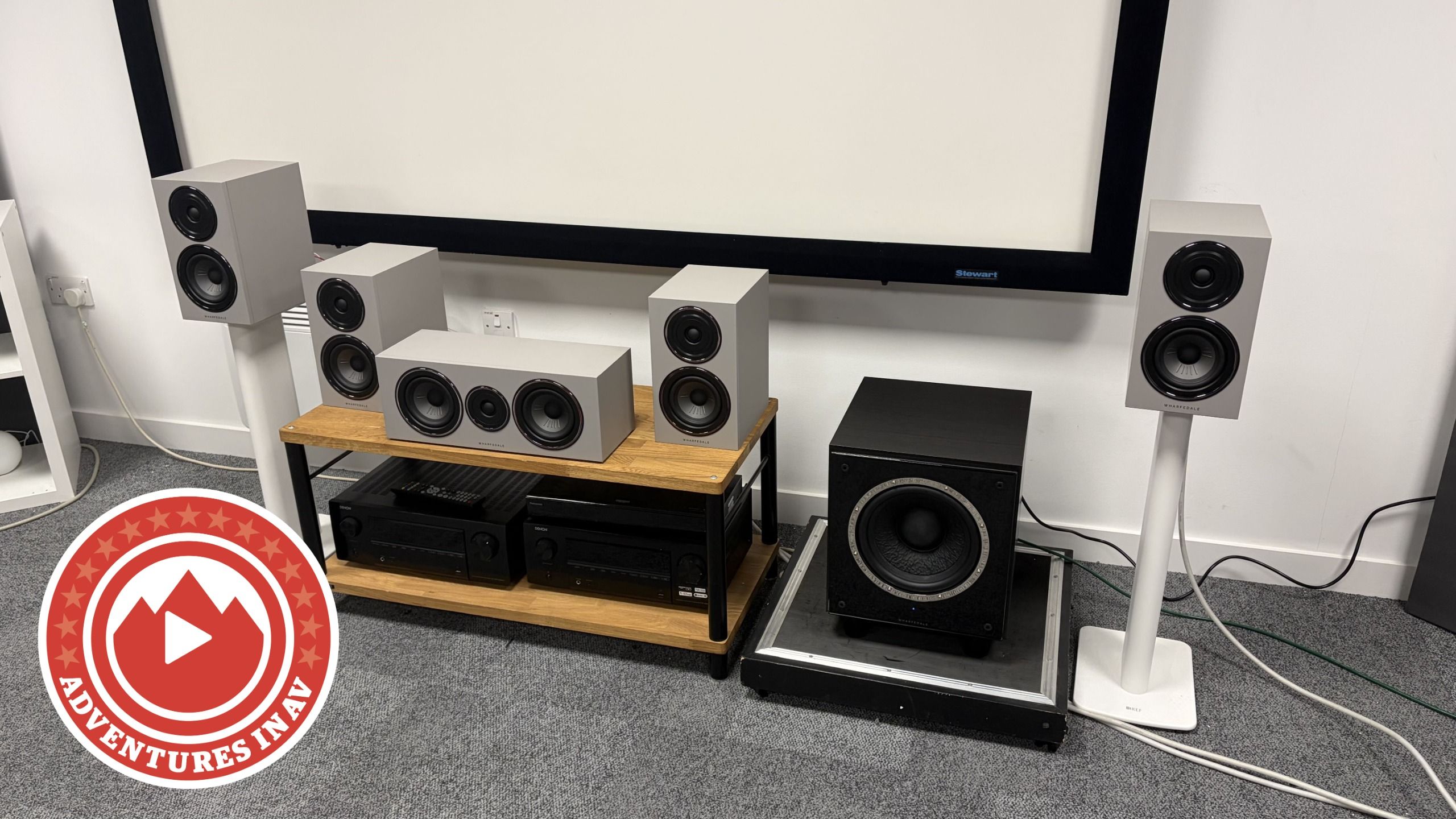
Because the front channels set the auditory benchmark, any subsequent speakers—especially the rear surrounds—must be engineered to complement this "standard." The engineering challenge arises from the economic reality of the market: consumers often demand smaller, more discreet rear speakers to suit residential living spaces. When manufacturers shrink these cabinets or utilize smaller drivers, they face the risk of creating an acoustic mismatch. Successful systems, such as the Dali Sonik 5, mitigate this by using advanced crossover tuning to compensate for cabinet volume differences, ensuring the output matches the timbre of the larger front units.
Implications for Consumer Purchasing
For the modern consumer, the implications of these findings are clear: technical specifications—such as power handling or impedance—are secondary to the holistic design of the package. When selecting a home cinema system, prospective buyers are advised to prioritize packages that explicitly state a commitment to timbre-matched drivers across all channels.
Industry experts argue that the shift toward these unified systems is a response to the sophisticated nature of modern cinema. As film directors and sound designers utilize object-based audio to create 360-degree soundscapes, the "seams" of a poorly matched system become increasingly obvious. The professional consensus is that the era of "mixed and matched" speaker brands within a single room is nearing an end, with the market favoring turn-key solutions where acoustic consistency is verified at the factory level.
Broader Industry Impact and Future Outlook
The drive for cohesion is also influencing the development of home cinema electronics. AV receivers (AVRs) are increasingly equipped with sophisticated room-correction software—such as Audyssey, Dirac Live, and YPAO—designed to manually calibrate the output of mismatched speakers to approximate a cohesive soundstage. While these digital tools are effective at masking minor discrepancies, they cannot overcome fundamental differences in driver construction or cabinet design.
The current trajectory suggests that the home audio market will continue to bifurcate into two distinct categories: ultra-compact, convenience-focused soundbar systems that utilize digital processing to simulate immersion, and dedicated, high-fidelity component packages that rely on physical engineering to achieve natural, cohesive sound.
As the industry moves toward 2027, the focus will likely remain on refining these component packages. There is a growing demand from the enthusiast community for high-performance systems that can integrate into multi-purpose living rooms without requiring the massive footprints of traditional studio monitors. This requires manufacturers to balance the laws of physics—specifically the relationship between cabinet volume and low-frequency extension—with the aesthetic requirements of the contemporary consumer.
In summary, the pursuit of immersion remains the core mission of the high-end audio sector. As demonstrated by the award-winning systems of 2026, the secret to achieving a truly "cinematic" experience is not found in the sheer volume or power of the speakers, but in the seamless, invisible integration of sound across the entire room. Consumers who prioritize this cohesion are rewarded with a listening experience that allows them to engage with the filmmaker’s intent, free from the distractions of inconsistent audio reproduction. The successful packages of this year prove that when the components work in concert rather than in competition, the home cinema experience can genuinely rival the quality of a commercial screening room.