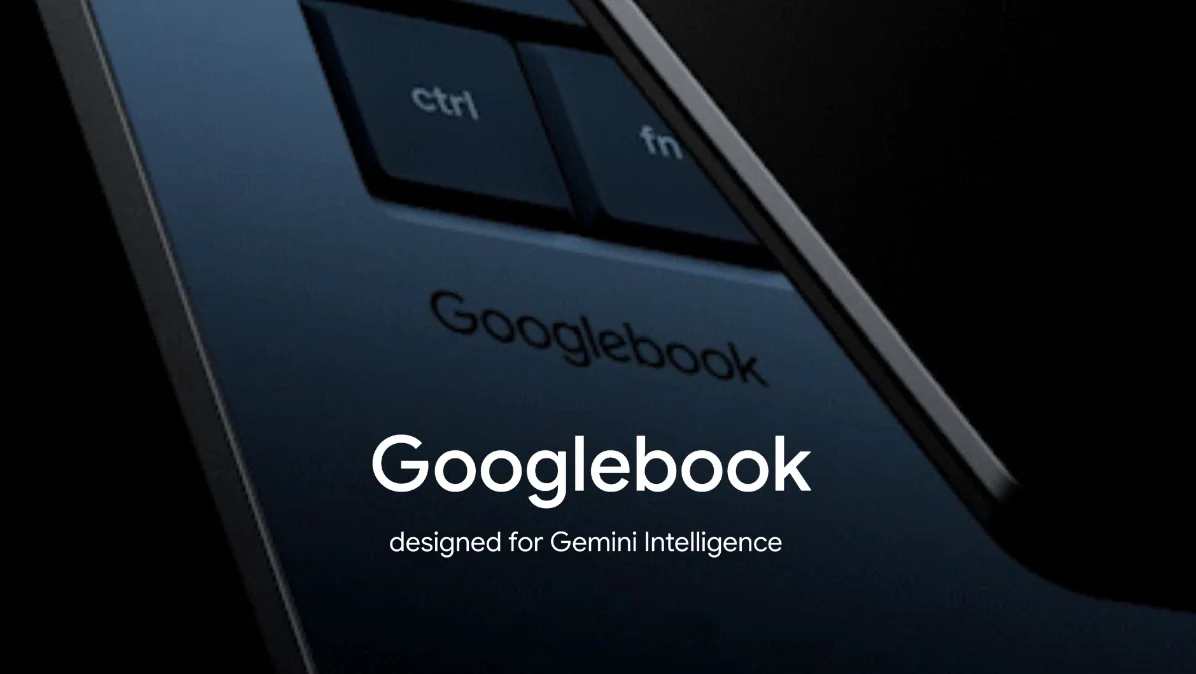
With preorders slated to begin on September 21, anticipation surrounding Google’s ambitious new laptop category, the Googlebook, has reached a fever pitch. A comprehensive new leak courtesy of high-resolution images published by The Mac Observer has provided the tech community with its most thorough look yet at upcoming hardware from industry titan ASUS. The fresh imagery sheds light on both the design philosophy and practical engineering choices behind Google’s latest attempt to redefine the portable computing landscape, blending the versatility of the Android ecosystem with traditional laptop ergonomics and advanced artificial intelligence capabilities.
A Distinct Aesthetic: Design and Hardware Features
While the ASUS-manufactured Googlebook maintains a recognizable clamshell laptop silhouette, the leaked renders make it immediately apparent that Google is pushing for a distinct, standalone visual identity for this new product tier. The device sports a sophisticated dark gray chassis, complemented by notably thin display bezels that maximize screen real estate. The spacious touchpad and a keyboard featuring what appears to be satisfying key travel suggest a strong emphasis on productivity and user comfort.
Perhaps most striking are the aesthetic flourishes unique to the Googlebook ecosystem. The lid features a subtle yet modern multicolor light bar, positioned just above an understated ASUS logo. Meanwhile, the palm rest proudly displays distinct "Googlebook" branding alongside a dedicated Google "G" key integrated directly into the keyboard layout—signaling deep software integration at the hardware level. Security is also addressed, with a built-in fingerprint sensor visible in the leaked materials.
Practicality appears to be a core tenet of the engineering process. Side-profile views of the laptop reveal a surprisingly robust array of I/O ports. Rather than forcing users into the realm of constant dongle usage—a common complaint with modern ultraportable laptops—ASUS has included at least two USB-C ports, two traditional USB-A ports, and a standard 3.5mm headphone jack. Furthermore, a closer inspection of the internal layout visible through the renders suggests the presence of active cooling, complete with an internal fan and heat pipe. This implementation strongly hints that this particular ASUS model is engineered to handle heavier workloads than standard, fanless Chromebooks typically manage.
The Googlebook Ecosystem and Gemini Integration
The Googlebook initiative represents a strategic evolution in Google’s hardware strategy. Designed to bridge the gap between mobile operating systems and desktop productivity, the new laptop class seamlessly merges underlying Android technology with a familiar, desktop-oriented user experience.
Central to the Googlebook value proposition is deep integration with Gemini, Google’s suite of generative AI tools. According to preliminary software overviews, users can expect advanced capabilities such as Magic Pointer, a context-aware navigation aid; Create My Widget, a tool for personalized dashboard creation; Cast My Apps, which bridges mobile and desktop environments fluidly; and Quick Access features designed to streamline daily workflows.
ASUS is not tackling this venture alone. The hardware manufacturer is part of an elite group of five launch partners chosen by Google to introduce the Googlebook ecosystem to the market. Alongside ASUS, consumer tech giants Acer, Dell, HP, and Lenovo are slated to release their own iterations of the Googlebook, ensuring a diverse array of form factors, price points, and design interpretations when the devices eventually roll out to the global market.
Timeline and Market Context
The road to the Googlebook has been marked by a gradual shift in Google’s hardware strategy over the past decade. Having established undisputed dominance in the education sector through affordable Chromebooks, Google has increasingly sought to capture the premium consumer and professional markets. The introduction of the Googlebook class marks the culmination of years of convergence between ChromeOS, Android, and cloud computing.
- Early 2023 – Late 2024: Rumors circulate regarding Google’s internal efforts to unify its operating system development and create a unified, premium laptop architecture capable of rivaling Apple’s MacBook lineup and high-end Windows devices.
- Mid-2025: Industry leaks begin confirming partnerships between Google and major PC manufacturers, including ASUS, Acer, Dell, HP, and Lenovo, aimed at building a standardized hardware baseline for the new platform.
- September 2025: Official announcements confirm that preorders for the first wave of Googlebooks will officially commence on September 21, accompanied by the first official software feature reveals centered around Gemini AI.
- Current Day: Detailed hardware leaks from outlets like The Mac Observer provide the public with granular views of internal cooling systems, port selections, and distinct aesthetic markers such as the glowing lid light bar and dedicated "G" key.
Industry Implications and Remaining Questions
Despite the excitement generated by the latest leaks, several critical details remain under wraps. As of publication, Google and its hardware partners have yet to officially disclose pricing tiers, exact technical specifications (such as processor models, RAM configurations, and display resolutions), or concrete shipping dates. It remains unconfirmed whether the specific ASUS model featured in the latest leaks will be immediately available when preorders open on September 21, or if it will roll out in a subsequent wave.
From an industry perspective, the Googlebook represents a fascinating high-stakes gamble. By fusing the vast app library of Android with enterprise-grade productivity features and native AI integration via Gemini, Google is attempting to carve out a third pillar in a PC market long dominated by Windows and macOS. If the hardware—exemplified by ASUS’s thoughtful port selection and active cooling—can match the ambition of the software, the Googlebook could fundamentally alter consumer expectations of what a modern cloud-and-AI-first laptop should be. As the September 21 preorder date rapidly approaches, the tech industry waits with bated breath for official confirmation on pricing and performance benchmarks.