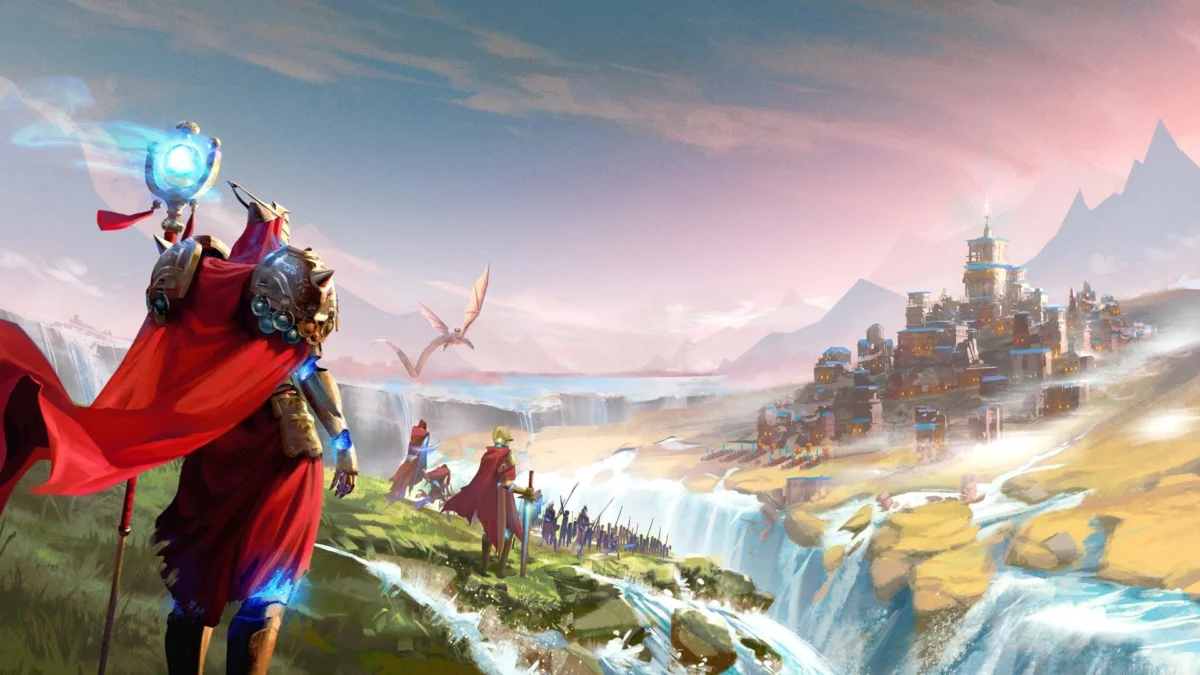
The video game industry has undergone a seismic shift in how titles are brought to market, moving away from the traditional "gold master" disc model toward a continuous, iterative cycle of development. At the heart of this transition is Amplitude Studios, a developer that pioneered community-driven development long before the term "Steam Early Access" became a household name. As the studio prepares for the 1.0 launch of Endless Legend 2 following a year-long stint in early access, CEO and co-founder Romain de Waubert de Genlis reflects on how the relationship between developers and their audience has fundamentally transformed.
A Legacy of Community Collaboration
Long before the current infrastructure for early access existed, Amplitude Studios implemented their "Games2Gether" program. This initiative was designed to bridge the gap between internal design teams and the player base. In the early 2010s, specifically ahead of the July 2012 release of the original Endless Space, the studio provided pre-order customers with access to alpha builds. These players were not merely consumers; they were active participants in the debugging and balancing process.
This model was, at the time, highly unconventional. In the pre-influencer era, the studio’s feedback loop was a private, somewhat clandestine affair restricted to dedicated Steam users. De Waubert de Genlis recalls that during this period, traditional media often resisted covering titles that were not "finished," viewing them as ineligible for standard review coverage. Consequently, the studio relied heavily on this direct, private communication to iterate on their designs.
The Chronology of Industry Expectations
The philosophy surrounding unfinished games has seen an inversion over the past fifteen years. Historically, players understood that early access titles were works-in-progress, often encouraging developers to take risks and experiment with bold, sometimes unpolished mechanics. Today, however, the market reality is markedly different.
- 2012-2015: The "Wild West" era of early access. Players generally exhibited higher tolerance for bugs and unfinished features, viewing their participation as a contribution to the creative process.
- 2016-2020: The professionalization of the model. Steam implemented more rigorous guidelines, and player expectations began to shift toward "feature-complete" experiences.
- 2021-Present: The modern landscape. Players and critics alike treat early access titles as products that must meet high standards of performance and stability immediately upon purchase, leaving less room for the experimental "trial and error" approach that once defined the medium.
De Waubert de Genlis notes that this shift creates a tension for developers. When a game is expected to be nearly perfect from the moment it hits the store, the incentive to experiment—which carries the inherent risk of failure—diminishes. This creates a risk-averse environment where studios may opt for "flatter," more predictable design choices to ensure consumer satisfaction.
Endless Legend 2: A Case Study in Iteration
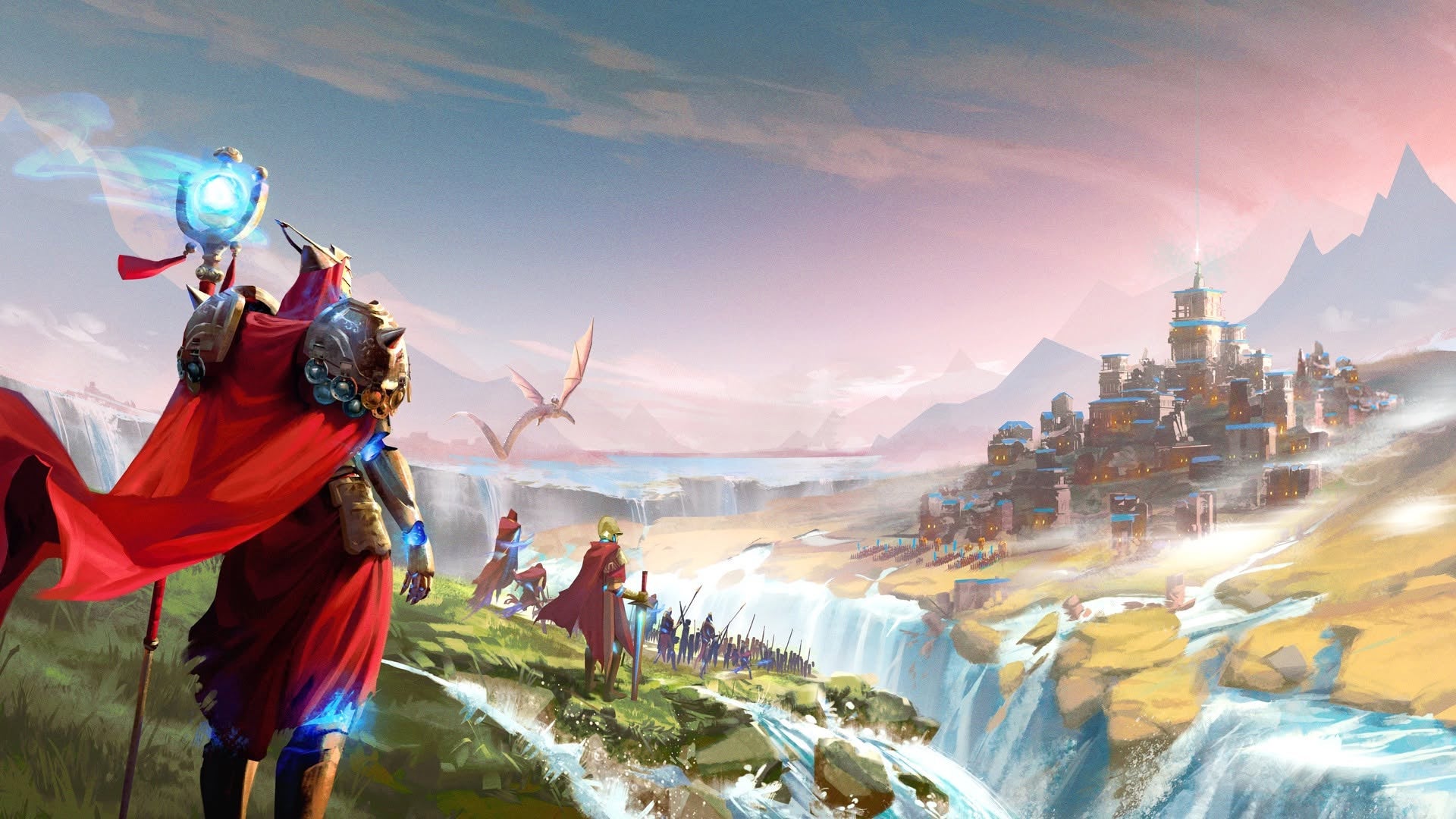
Endless Legend 2, currently approaching its full release, serves as the primary case study for these shifting tides. Throughout its year in early access, the studio has deployed approximately 60 patches and 10 major updates. These updates were not merely cosmetic; they were functional responses to player metrics and direct feedback.
One of the most significant design challenges involved the game’s central mechanic: receding waters that reveal new, habitable territory. Initial iterations of this system resulted in an overabundance of land, which led to pacing issues where players reported feeling "lost and bored" in the vast, empty spaces. By analyzing player data and community sentiment, the development team overhauled the land-generation algorithms to prioritize chokepoints and strategic conflicts. This transformation exemplifies the modern necessity of the early access model—a constant tug-of-war between developer vision and user experience.

The Economic and Media Landscape
The challenges for developers extend beyond community sentiment; they also encompass the shifting nature of game marketing. In the early 2010s, a successful early access period was often followed by an "avalanche" of media coverage and player interest upon the official 1.0 launch. Today, that predictability has vanished.
The current media landscape is saturated. Journalists and influencers, who might cover a title during its early access phase, are not guaranteed to return for the full release. This forces developers to treat the 1.0 launch as a major content milestone—often withholding significant features or entire factions until the final release date to generate renewed interest. In the case of Endless Legend 2, the transition from five to eight playable factions at launch is a strategic maneuver designed to incentivize both new players and returning early adopters.
Future Projections and the Humankind 2 Model
Despite the challenges, the studio remains committed to the early access model, currently applying it to the development of Humankind 2. Game Director Benoit Humbert suggests that the studio has learned to adapt to the higher threshold of quality expected by modern players. The upcoming early access build for Humankind 2 will intentionally be a "finished" experience, serving as a stable foundation upon which further, more granular improvements can be built based on player input.
This approach reflects a broader industry trend toward "live service" development. By maintaining a private alpha for select community members, Amplitude aims to mitigate the risk of public backlash while still harvesting the high-quality feedback that only a dedicated player base can provide.

Broader Implications for the Gaming Industry
The implications of this shift are profound. The traditional "waiting period" that preceded a game launch—the final month where developers would print discs and hope for the best—has been replaced by a period of sustained, high-pressure transparency. De Waubert de Genlis acknowledges that while the pressure is constant, the benefit of this model is the elimination of the "wasted time" that occurred during the old, silent pre-launch months.
Developers now possess real-time diagnostic tools that tell them exactly what their audience desires. While this can lead to an unforgiving environment where even minor imperfections are scrutinized, it also allows for a level of refinement that was impossible in the era of static, unchangeable physical releases.
As the industry continues to move toward these service-oriented models, the success of a game will increasingly depend on the developer’s ability to navigate the social contract of early access. The "unforgiving" nature of modern players is, in many ways, a byproduct of the power they have been granted in the development process. For studios like Amplitude, the challenge is to balance the need for creative risk-taking with the rigid quality requirements of an increasingly discerning global audience.
Ultimately, the transition from "undercover" development to the current, highly visible, and data-driven approach marks a maturation of the medium. The games of the future will be defined not just by the vision of their creators, but by the continuous, iterative dialogue between the studio and the community, ensuring that the final product is a reflection of both artistic intent and collective player desire. As Amplitude looks toward the future with Humankind 2 and beyond, the lessons learned from the rocky path of Endless Legend 2 will undoubtedly shape their strategy, proving that in the modern era, development is less a race to the finish line and more a marathon run in full view of the public.