The Evolution of Siri AI in watchOS 27.2
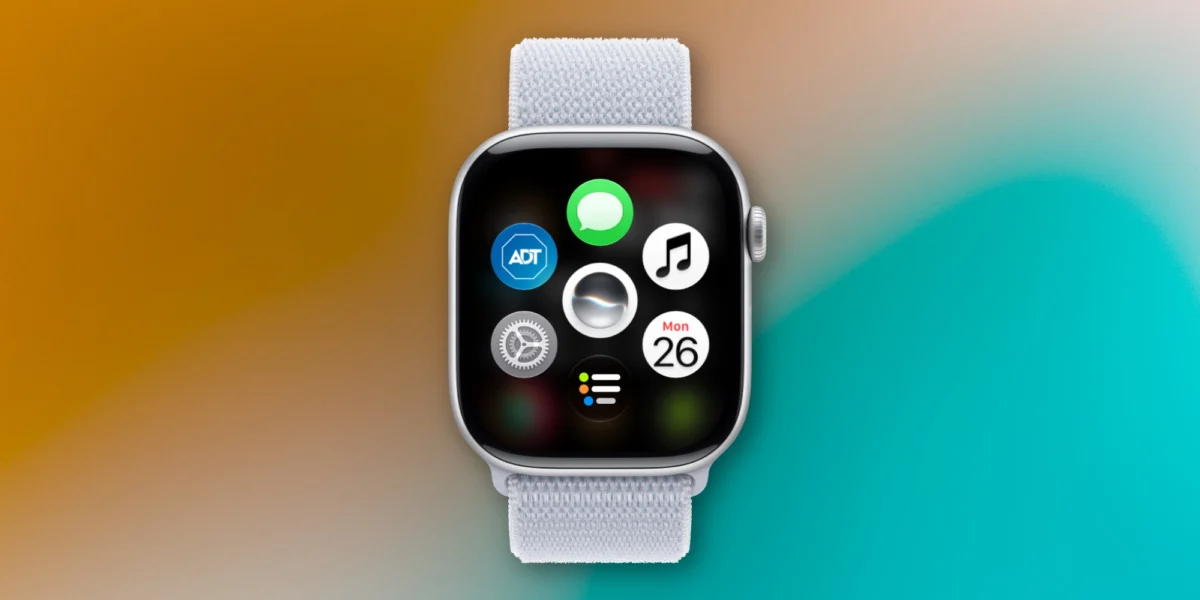
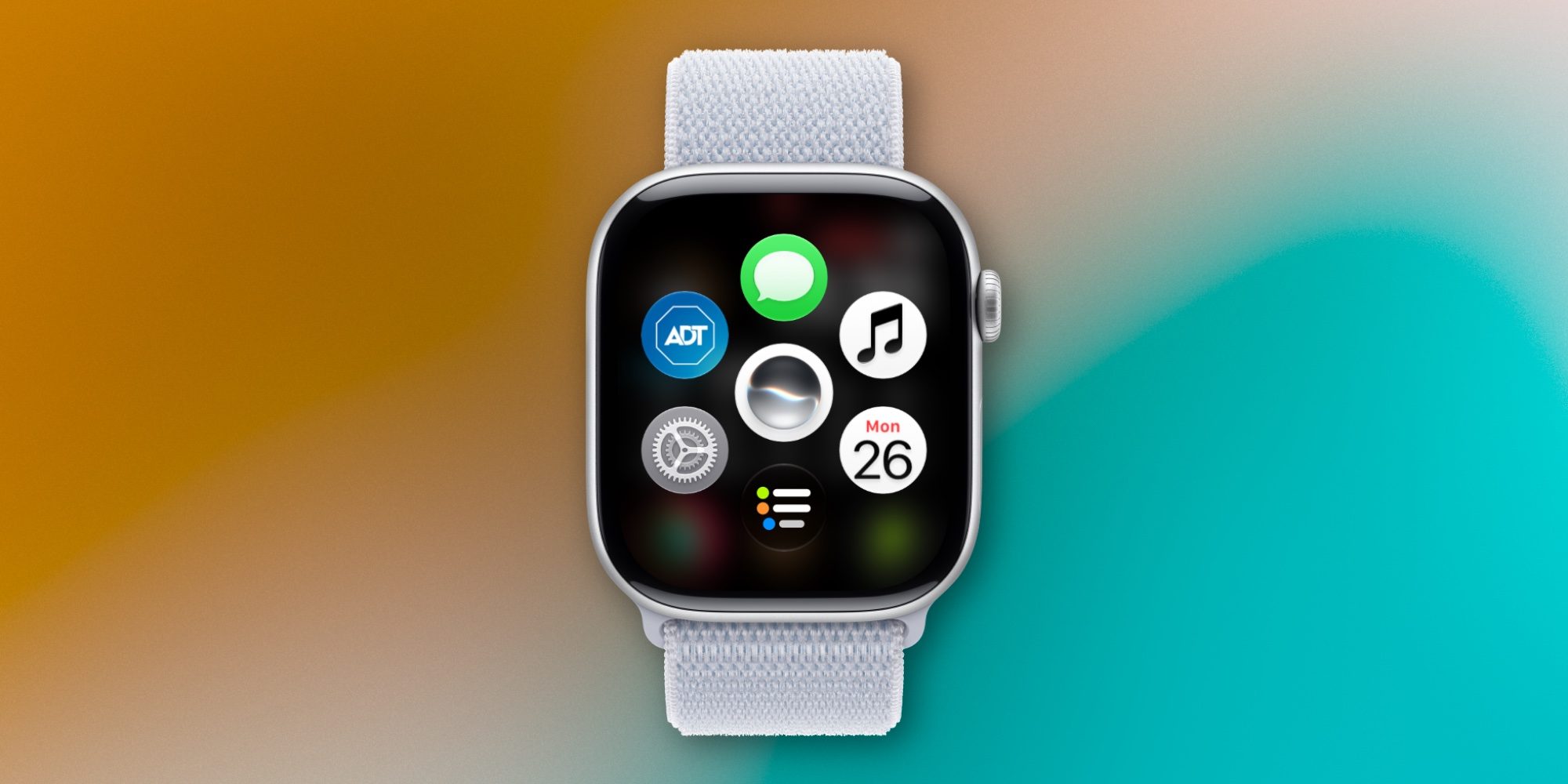
The primary focus of the watchOS 27.2 update is the refinement of Siri AI, the generative intelligence engine that Apple has been aggressively integrating into its watchOS architecture since the launch of the 27.0 series. Historically, the capabilities of Siri on the Apple Watch were constrained by the device’s processing power and battery limitations. However, with the 27.2 release, Apple has optimized the underlying large language models (LLMs) to perform more efficiently on the S-series chips found in the latest Apple Watch models.
The release notes for watchOS 27.2 highlight significant performance improvements in intent recognition and query latency. By leveraging more robust on-device processing, the updated Siri AI can handle complex requests—such as multi-step scheduling or nuanced health metric analysis—with reduced reliance on cloud-based servers. This shift not only improves the responsiveness of the watch but also aligns with Apple’s commitment to data privacy, as a greater portion of the AI processing is kept local to the user’s wrist.
Global Language Expansion: A Strategic Milestone
Perhaps the most impactful aspect of the watchOS 27.2 update is the broadening of linguistic support for Siri AI. Upon the initial launch of watchOS 27.0, the advanced generative capabilities of Siri were restricted exclusively to US English. This limitation created a digital divide for international users who were unable to access the full potential of the platform’s new AI features.
With the deployment of 27.2, Apple has addressed this disparity by enabling Siri AI support for a wider array of global languages. This rollout follows a carefully managed testing phase that began shortly after the release of the 27.0 update. By expanding language support, Apple is positioning its ecosystem to capture a larger share of the non-English speaking market, where the demand for voice-controlled wearable AI is rapidly growing. Analysts suggest that this move is essential for maintaining competitive parity with rivals like Google and Samsung, both of which have been aggressively deploying multilingual AI assistants in the wearable space.
Apple Music: A Visual Rebrand for the Modern Era
Beyond the backend AI improvements, watchOS 27.2 introduces a notable aesthetic change to the Apple Music experience. This modification is part of a broader corporate rebranding effort that Apple initiated last week, which seeks to modernize its media services through a more minimalist design language.
The most immediate change is the replacement of the iconic red Music app icon with a sleek, high-contrast black-and-white design. This transition is not merely cosmetic; it signals a shift in Apple’s design philosophy toward a monochromatic interface that prioritizes content—such as album art and track metadata—over high-saturation UI elements. Throughout the app, users will notice a move toward monochromatic menus, simplified iconography, and a more streamlined navigation flow.
Industry observers note that this design shift likely serves a dual purpose. Firstly, it reduces the visual clutter on the compact display of the Apple Watch, potentially improving battery efficiency by reducing the number of pixels required to render bright, saturated colors. Secondly, it creates a cohesive visual identity across Apple’s entire service suite, aligning the Music app with the aesthetic standards established by other first-party applications.
Chronology of the watchOS 27 Release Cycle
The path to watchOS 27.2 has been marked by a disciplined development cycle. Following the major release of watchOS 27.0 in early autumn, Apple focused on stabilizing the platform through a series of minor updates.
- September 2026: Launch of watchOS 27.0, introducing the initial implementation of Siri AI, though limited to US English.
- Late September 2026: Commencement of beta testing for the 27.1 maintenance patch, which focused on bug fixes and performance stability.
- Early October 2026: Initial reports emerge regarding the Apple Music visual rebrand, sparking speculation about an upcoming software update to reflect these changes.
- Mid-October 2026: Formal unveiling of the new Apple Music visual identity.
- Late October 2026: Deployment of watchOS 27.2 and visionOS 27.2, effectively unifying the language support and design language across the ecosystem.
This timeline demonstrates Apple’s "tick-tock" development strategy, where major feature launches are followed by deliberate, feature-rich updates that refine the user experience based on real-world usage data and regional requirements.
Implications for the Wearable AI Market
The release of watchOS 27.2 carries significant implications for the broader wearable technology market. As the industry transitions from simple health tracking to complex AI-driven personal assistance, the software layer becomes the primary battleground for differentiation.
By pushing advanced AI capabilities to the Apple Watch, Apple is effectively turning the wearable into a standalone hub for productivity. The ability to dictate complex emails, summarize notifications using AI, and control smart home environments via a more capable Siri represents a shift toward "post-smartphone" computing. Analysts at major technology research firms anticipate that this update will lead to higher retention rates among Apple Watch users, as the device becomes more indispensable for daily task management.
Furthermore, the simultaneous update to visionOS 27.2 for the Apple Vision Pro underscores Apple’s "ecosystem-first" strategy. By ensuring that the same Siri AI and design languages exist across both the watch and the Vision Pro, Apple is fostering a seamless transition between different computing contexts. A user may start a request via Siri on their watch and seamlessly continue or review the results on their Vision Pro, creating a unified digital environment.
Technical Requirements and User Guidance
To leverage the new features included in watchOS 27.2, users must satisfy specific hardware and software prerequisites. The update is compatible with the Apple Watch Series 10, 11, and 12, as well as all generations of the Apple Watch Ultra.
To initiate the installation process:

- Ensure Connectivity: Connect the Apple Watch to its charger and ensure it has at least 50% battery life.
- Update the iPhone: Ensure the paired iPhone is updated to iOS 27.2 via Settings > General > Software Update.
- Initiate Watch Update: Open the Watch app on the iPhone, navigate to General > Software Update, and follow the on-screen prompts.
For users experiencing issues with the update, Apple recommends checking regional server status, as the staggered rollout of language support may result in slightly different update availability depending on the user’s location.
Broader Impact and Future Outlook
As the technological landscape continues to evolve, the integration of generative AI into wearable devices will likely become the standard rather than the exception. Apple’s focus in watchOS 27.2 on multilingual accessibility and visual consistency reflects a mature approach to software development. By addressing the needs of a global user base while simultaneously refining the design language of its services, Apple is successfully balancing innovation with the operational stability required for mass-market devices.
Looking ahead, industry experts anticipate that future iterations of watchOS will continue to expand the scope of Siri AI, potentially moving toward more predictive capabilities that anticipate user needs based on location, biometric data, and behavioral patterns. With 27.2, Apple has laid the foundation for these future advancements, solidifying the Apple Watch’s position as a central pillar of the modern personal computing ecosystem. For now, users are encouraged to explore the new design nuances of Apple Music and test the expanded linguistic range of the updated Siri to better understand the practical benefits of these software enhancements.