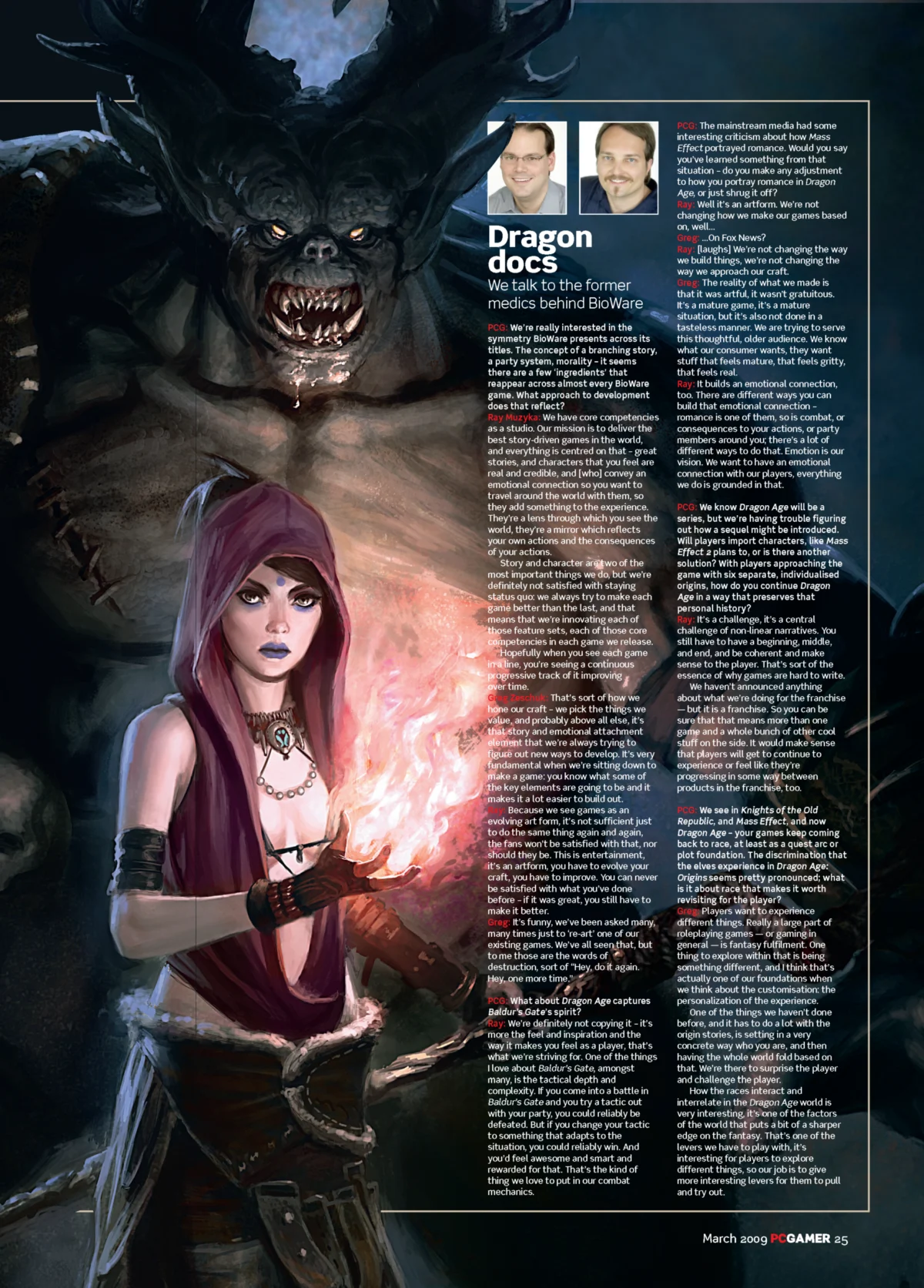
The digital archives of PC Gamer recently brought to light a significant hands-on preview and interview from March 2009, offering a poignant snapshot of BioWare at a pivotal moment—just before the release of Dragon Age: Origins. Authored by then-writer Evan Lahti (now Strategic Director for PC Gamer), the feature included a deep dive into the game and a Q&A with BioWare co-founders Ray Muzyka and Greg Zeschuk. This retrospective not only highlights the immense anticipation for Dragon Age: Origins but also serves as a stark reminder of the dramatic shifts in BioWare’s trajectory and the broader video game industry over the past 15 years.
BioWare’s Ascendant Years: A Legacy Forged
Before 2009, BioWare had already established itself as a titan in the realm of role-playing games (RPGs), celebrated for its intricate narratives, compelling characters, and emphasis on player choice. Founded in 1995 by medical doctors Ray Muzyka and Greg Zeschuk, the Edmonton-based studio quickly carved out a niche with groundbreaking titles. Their early success began with the critically acclaimed Baldur’s Gate (1998) and its sequel Baldur’s Gate II: Shadows of Amn (2000), which redefined Western RPGs with their deep lore, strategic combat, and moral dilemmas. These games, built on the Dungeons & Dragons license, garnered widespread praise for their storytelling depth and character interactions, cementing BioWare’s reputation for quality.
The early 2000s saw BioWare continue its "golden age" with other highly successful titles. Neverwinter Nights (2002) expanded their D&D expertise into a robust online experience, while Star Wars: Knights of the Old Republic (2003) proved their ability to adapt beloved intellectual properties into fresh, compelling RPG experiences, receiving universal acclaim and numerous Game of the Year awards. This period also saw the release of Jade Empire (2005), an original IP that further showcased the studio’s narrative prowess.
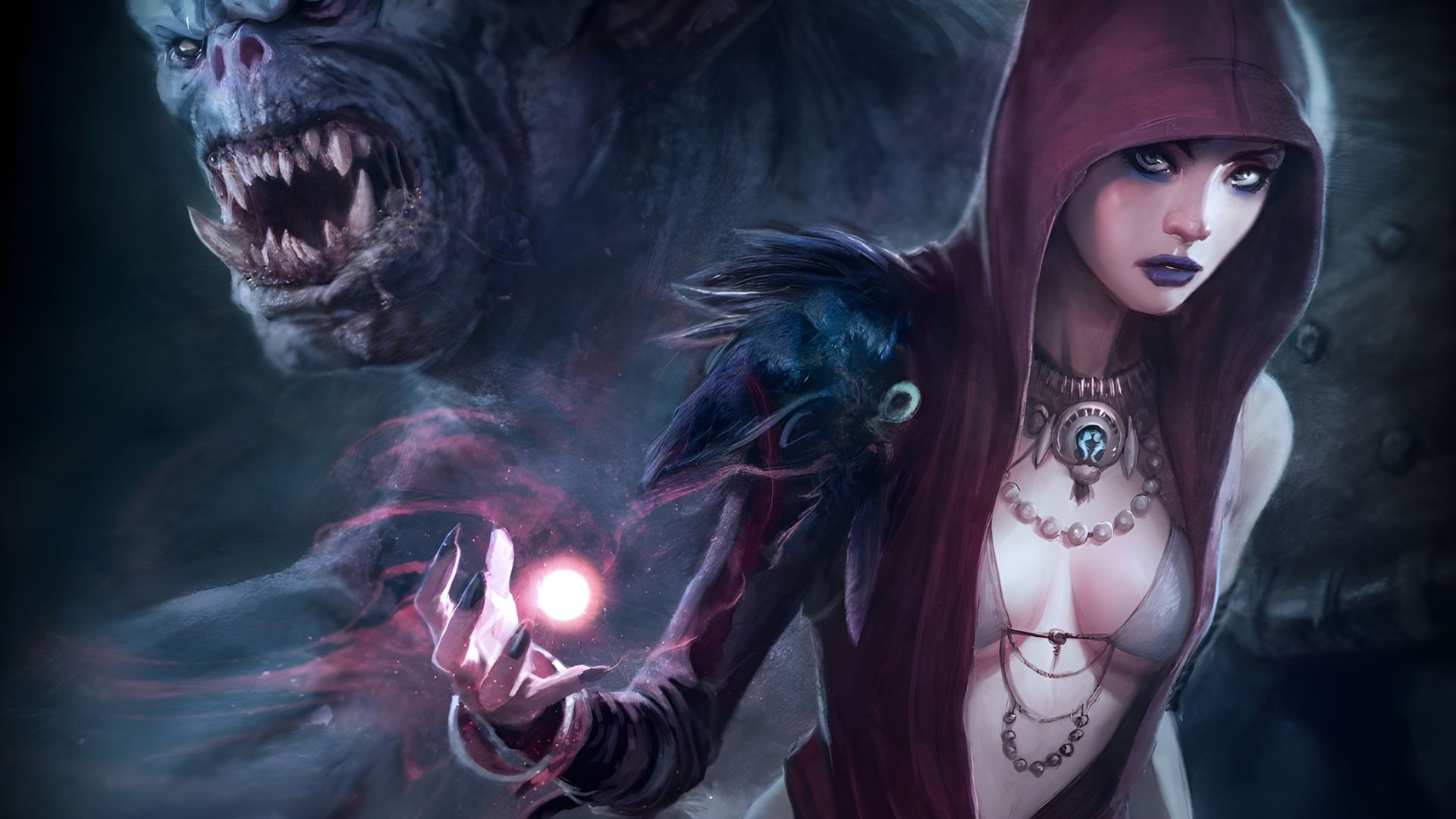
In 2007, a significant turning point occurred when Electronic Arts (EA), one of the world’s largest video game publishers, acquired BioWare. This acquisition was met with mixed reactions from fans and industry observers. While EA promised to support BioWare’s creative vision and provide resources for larger projects, concerns were raised about potential shifts in development philosophy or increased pressure to meet commercial targets. Coinciding with this acquisition was the release of Mass Effect (2007), a groundbreaking science-fiction RPG that blended cinematic storytelling with action-oriented combat, launching another highly successful franchise and further solidifying BioWare’s reputation for innovation and quality.
Dragon Age: Origins on the Horizon
It was against this backdrop of immense success and strategic corporate change that Evan Lahti’s 2009 preview of Dragon Age: Origins took place. The game was being positioned as a spiritual successor to BioWare’s earlier fantasy epics like Baldur’s Gate, promising a return to darker, more mature fantasy themes with an emphasis on player choice and consequence. The preview specifically detailed a hands-on experience with the "Dwarf Noble" origin sequence, one of six distinct origin stories that players could choose, each offering a unique introduction to the game’s world and setting their character’s initial motivations and relationships. This innovative approach to character creation was a key selling point, promising unparalleled replayability and deeply personal narratives.
The anticipation for Dragon Age: Origins was immense. Fans of traditional Western RPGs, who felt that the genre had perhaps drifted towards more action-oriented gameplay, saw Origins as a potential return to form. The game was lauded for its tactical combat system, intricate dialogue trees, and the promise of a sprawling, morally ambiguous world known as Thedas. Its launch later in 2009 would indeed be met with critical acclaim, with an average Metacritic score of 91/100 for the PC version, highlighting its success in delivering on these high expectations. It was praised for its deep narrative, compelling companions, and the weight of its choices, selling over 3.2 million copies by March 2010.
The Founders’ Vision: Optimism Amidst Evolving Tides
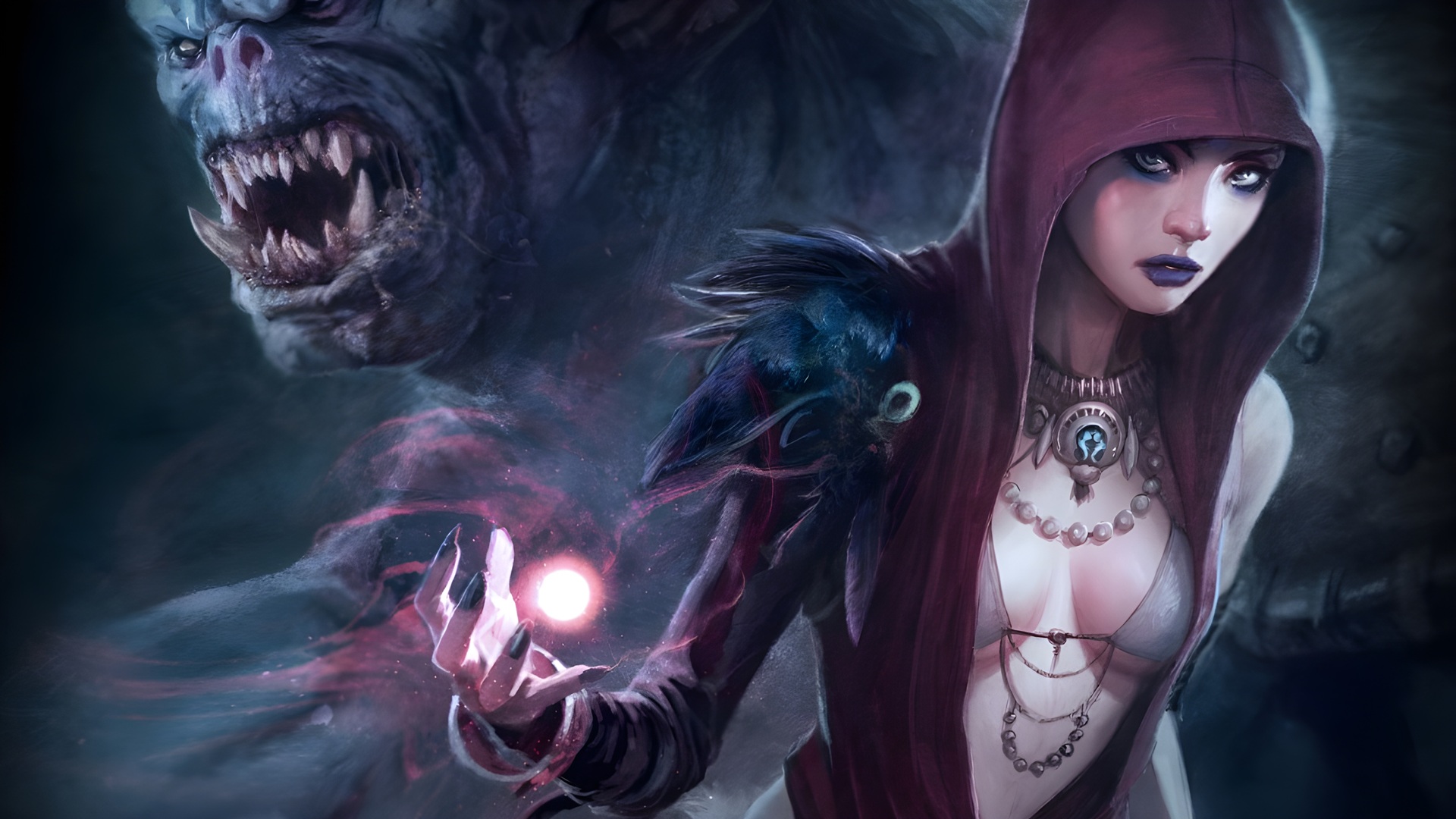
The accompanying interview with Ray Muzyka and Greg Zeschuk in 2009 captured the founders’ optimism regarding the future of BioWare and the newly minted Dragon Age franchise. They spoke confidently about the series’ potential, envisioning multiple sequels and a broader universe of "cool stuff on the side," indicating plans for transmedia expansion long before it became a common industry trend. Muzyka explicitly stated, "It is a franchise… You can be sure that means more than one game and a whole bunch of other cool stuff on the side."
A particularly prescient aspect of their discussion revolved around player progression and continuity across games. Muzyka hinted at a system where "players will get to continue to experience or feel like they’ve been progressing in some way between products in the franchise." This was a clear allusion to the save transfer feature that Mass Effect had pioneered, allowing players’ choices from one game to impact the narrative and world state of its sequels. Dragon Age would indeed adopt and expand upon this concept, most notably with Dragon Age: Inquisition, which featured the "Dragon Age Keep" web application. This tool allowed players to meticulously reconstruct their past choices from Origins and Dragon Age II, ensuring their unique world state would carry over, influencing everything from the political landscape of Thedas to the very survival of key characters. This ambitious system demonstrated BioWare’s commitment to player agency and long-term narrative investment.
At the time of the interview, the founders’ outlook was overwhelmingly positive. They were at the helm of a studio consistently delivering highly-rated, commercially successful games, seemingly navigating the challenges of being acquired by a major publisher with their creative integrity intact. The interview reflects a period of peak confidence and creative freedom, a stark contrast to the challenges that would emerge in the subsequent decade.
A Decade of Transformation: From Golden Age to Growing Pains
The initial years post-2009 saw continued success for BioWare with Mass Effect 2 (2010), often cited as one of the greatest RPGs of all time, and Dragon Age II (2011), which, despite some divisive design changes, was still a commercial success. However, the true turning point arrived in September 2012 when both Ray Muzyka and Greg Zeschuk announced their retirement from BioWare and the video game industry. Their departure marked the end of an era, as the creative visionaries who had shaped the studio’s identity for nearly two decades stepped away. Zeschuk pursued new ventures, notably entering the craft beer industry as a restaurateur, while Muzyka focused on impact investing and became an active poker player.

Their absence was widely felt, and many speculate it coincided with a shift in BioWare’s internal culture and creative direction. The studio’s output in the 2010s became increasingly inconsistent, struggling to replicate the consistent critical and commercial highs of its previous decade. While Dragon Age: Inquisition (2014) garnered strong reviews and won Game of the Year awards, it was followed by a string of disappointments. Mass Effect: Andromeda (2017) faced widespread criticism for its technical issues, animation quality, and perceived narrative shortcomings, failing to live up to the franchise’s esteemed legacy. The ambitious online-only title Anthem (2019) proved to be a significant misstep, launching to poor reviews and failing to retain a player base, ultimately leading to its live service support being canceled.
This period was also characterized by significant internal turmoil. Reports from within the industry described intense "crunch" periods, staff departures, and a struggle to adapt to new development paradigms, particularly the demands of live service games imposed by EA. Multiple rounds of layoffs further reduced the studio’s size, diminishing what was once a powerhouse of RPG development. The sheer volume of acclaimed titles released in BioWare’s first decade — nearly a dozen "bangers" by many accounts — stood in stark contrast to the three widely perceived "disappointments" in the 2010s.
Navigating Controversy: Evolving Media Scrutiny
The 2009 interview also provides a fascinating glimpse into the nature of video game controversies at the time. Muzyka and Zeschuk were asked about media pressure concerning RPG romance, to which Muzyka asserted, "It’s an artform… We’re not changing how we make our games based on, well…" Zeschuk cheekily interjected, "On Fox News?" This exchange directly referenced the moral panic surrounding Mass Effect 1 in 2007, where conservative media outlets, notably Fox News, sensationalized the game’s implied PG-13 sex and nudity, inaccurately portraying it as explicit content. This incident, dubbed the "Hot Coffee" of Mass Effect, was one of the earliest high-profile moral panics surrounding sexual content in mainstream video games.
Looking back, this controversy seems almost quaint compared to the issues BioWare and the broader industry would face in later years. The infamous "Mass Effect 3 ending angst" in 2012 saw a massive player backlash over the game’s conclusions, leading to BioWare releasing an "Extended Cut" DLC to address fan criticisms. Later, the studio faced "anti-woke rage" directed at its inclusion of diverse characters and LGBTQ+ romance options in titles like Dragon Age: Inquisition and Mass Effect: Andromeda. These later controversies reflected a shifting cultural landscape and increasingly polarized online communities, often weaponizing social issues against game developers.

The evolution of these controversies highlights a significant change in public discourse surrounding video games. What was once a concern about implied sexuality has morphed into broader debates about narrative integrity, player expectations, and representation. The current era, exemplified by the runaway success of Baldur’s Gate 3 (2023), which embraces explicit content, diverse relationships, and extensive player choice, shows how far the industry has come, often pushing boundaries that BioWare once navigated with caution. The hypothetical warning about "Baldur’s Gate 3 penis physics" humorously underscores this dramatic shift in what is considered acceptable or even celebrated in mainstream RPGs.
The Enduring Legacy and Uncertain Future
The 2009 retrospective on Dragon Age: Origins offers a poignant reflection on BioWare’s journey from a revered pioneer of RPGs to a studio grappling with its identity in a rapidly changing industry. The optimism expressed by Muzyka and Zeschuk at the dawn of the Dragon Age franchise speaks to a vision of expansive storytelling and player-driven narratives that, for a time, BioWare consistently delivered. Their departure marked a significant turning point, underscoring the profound impact founding visionaries have on a studio’s creative soul.
Today, BioWare operates as a fraction of its former size, diligently working on Dragon Age: The Veilguard and a new Mass Effect title. These projects carry the weight of immense fan expectation and the legacy of a studio that once defined a genre. The challenges of maintaining creative identity and producing groundbreaking work under the commercial pressures of a large publisher remain significant. The story of BioWare serves as a compelling case study in the video game industry, illustrating the delicate balance between artistic ambition, commercial viability, and the enduring power of strong leadership.
The legacy of Dragon Age: Origins and BioWare’s early successes continues to inspire and influence RPGs. Its commitment to player choice, rich lore, and compelling characters set a benchmark that many studios still aspire to. As BioWare looks to its future, the echoes of its golden age, particularly the hopes and dreams articulated by its founders in 2009, serve as both a reminder of its past glory and a potential blueprint for its resurgence. The gaming world watches, hopeful that the studio can once again harness the magic that made it legendary.