The automotive landscape has undergone a significant transformation over the last decade, shifting away from pure-play off-road performance toward the increasingly popular "overlanding" segment. Overlanding—the practice of self-reliant travel to remote destinations where the journey is the principal goal—has evolved from a niche hobby into a multi-billion-dollar industry. Recognizing this shift, Ford Motor Company has signaled a strategic interest in capturing a larger share of this market. Recent filings with the United States Patent and Trademark Office (USPTO) indicate that the automaker is exploring innovative, factory-integrated solutions to turn the Ford Bronco into a turn-key overlanding platform.
The patent applications, which detail specialized camping configurations, suggest that Ford is moving beyond simple accessory kits. Instead, the company is looking to engineer fundamental changes to the vehicle’s architecture to better accommodate long-term wilderness living. By bringing these modifications in-house, Ford aims to provide a more cohesive, reliable, and warranty-backed solution for enthusiasts who currently rely on the disparate aftermarket ecosystem.
The Evolution of the Overlanding Market
The current overlanding surge traces its roots back to the late 2010s, but the COVID-19 pandemic acted as a massive catalyst for the movement. As travel restrictions tightened and social distancing became the norm, outdoor recreation exploded in popularity. According to recent data from the Recreational Vehicle Industry Association (RVIA) and various outdoor industry analysts, the market for vehicle-based camping equipment has grown at an annual rate exceeding 15% since 2020.
Automakers have been slow to react to this trend, leaving the space open for aftermarket companies like ARB, Front Runner, and various custom upfitters to dominate the sector. However, major manufacturers are now beginning to pivot. Toyota, for instance, introduced its "TrailHunter" trim, which features factory-installed, overlanding-specific equipment like upgraded suspension, reinforced recovery points, and integrated lighting. Ford’s recent patent activity suggests that the Bronco—already a modular platform designed for easy customization—is the primary candidate for a similar, comprehensive approach from the Blue Oval.
Technical Innovations in Ford’s Patent Filings
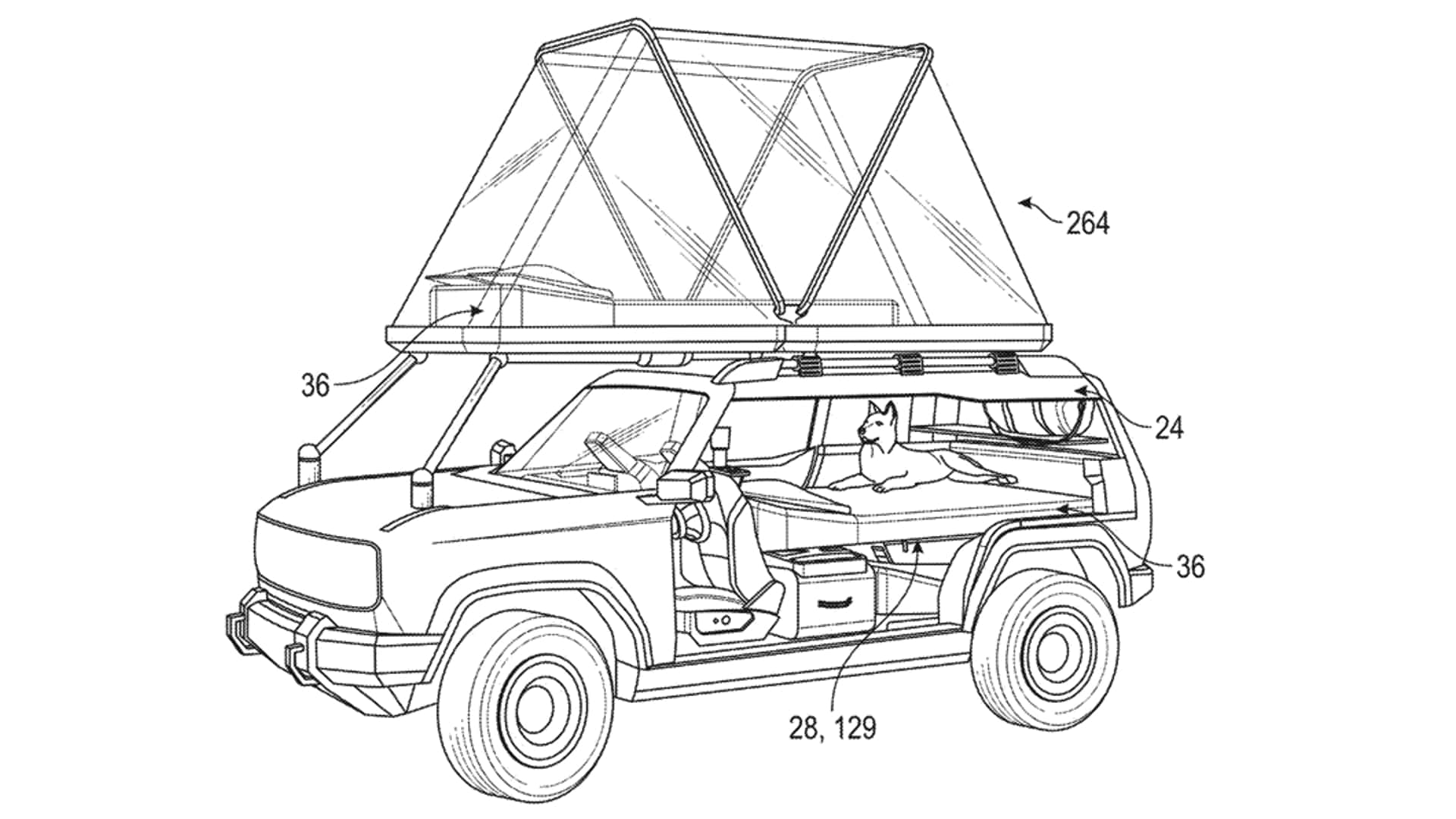
The patents submitted by Ford offer a glimpse into a potential future where the Bronco is optimized for "base camp" operations. Among the most notable designs is a specialized folding platform system. This setup allows the interior of the SUV to be transformed into a sleeping area with greater efficiency than currently possible. By utilizing the geometry of the vehicle’s cabin, the design suggests a seamless transition from passenger transport to a dedicated sleeping space.
One of the more creative elements involves the front-row seatbacks. The patent documents illustrate a mechanism that converts the back of the front seats into functional nightstands or storage surfaces when the rear area is configured for sleeping. This integration demonstrates an understanding of the space constraints inherent in mid-size SUVs, prioritizing ergonomics and utility for the user.
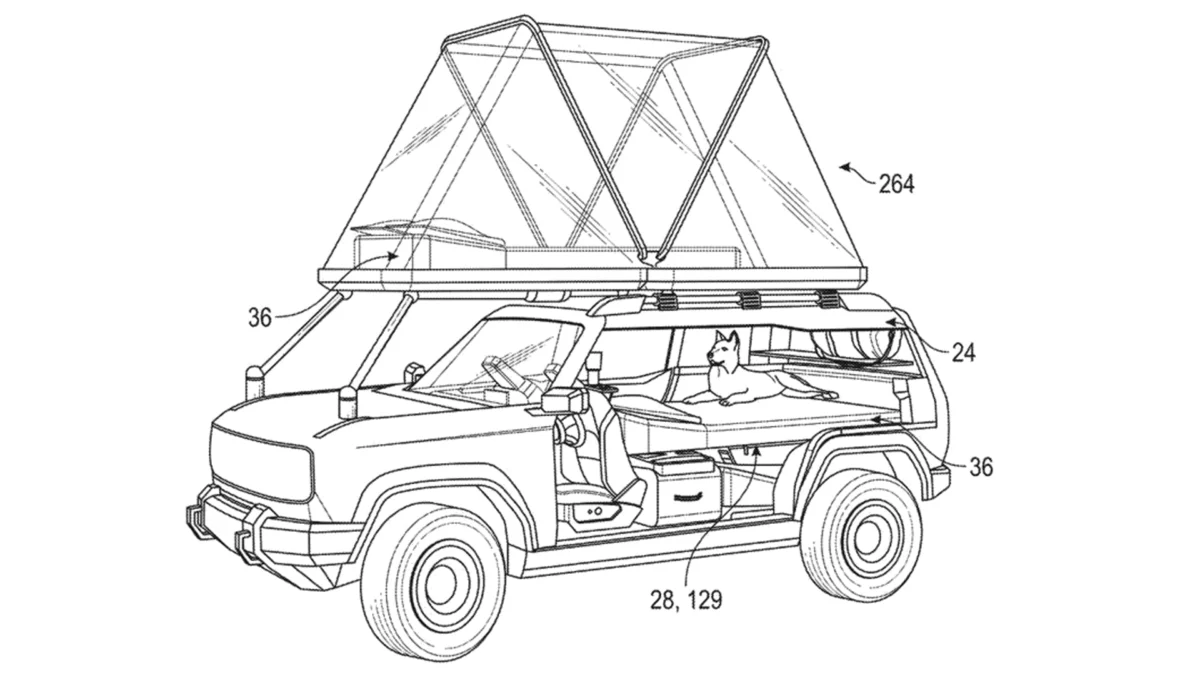
Perhaps the most ambitious proposal involves a multi-tiered approach to sleeping arrangements. Ford is exploring designs for rooftop tents that move beyond the universal clamp-on solutions currently sold by third-party retailers. One proposed design features a rooftop tent system with stabilized support legs that extend directly into the fender gunwales. By anchoring the tent’s structural support into the body of the vehicle, the system promises greater stability and weight distribution, addressing a common complaint among those who use traditional roof racks for heavy-duty tent setups.
Furthermore, the documentation outlines improved access points. The patents describe a modified roof structure that allows for either a sun-roof-based entry or a full-length, wide-opening roof panel. This would allow campers to transition from the interior cabin to the rooftop tent without ever stepping outside into inclement weather or insect-prone environments. The inclusion of integrated mesh coverings for these openings reinforces the idea of a "sleep under the stars" experience, maintained within the security of the vehicle’s structure.
From Aftermarket to OEM Integration
The core value proposition for these developments lies in the difference between aftermarket accessories and Original Equipment Manufacturer (OEM) integration. Currently, a customer who wants to outfit a Bronco for overlanding must purchase a vehicle and then coordinate with various vendors to source bumpers, racks, lighting, and internal storage. This process often involves complex installations, potential electrical system interference, and the fragmentation of warranty coverage.
If Ford were to offer these features as factory-installed options or dedicated trim packages, the consumer experience would be significantly streamlined. An OEM-integrated solution offers several advantages:
- Warranty Assurance: Parts and modifications covered by the factory warranty eliminate the risk of voiding coverage through third-party modifications.
- System Synergy: Factory-integrated components are designed to work with the vehicle’s existing electrical, cooling, and safety systems, ensuring that a rooftop tent or internal lighting does not compromise the vehicle’s battery or structural integrity.
- Ergonomic Design: By engineering these features during the vehicle’s development phase, Ford can ensure that storage and sleeping configurations feel like a natural extension of the vehicle rather than an afterthought.
Broader Implications for the Bronco Lineup
The timing of these filings is particularly relevant given the competitive landscape of the off-road SUV segment. With the Jeep Wrangler continuing to hold significant market share and the Toyota 4Runner entering a new generation with increased overlanding focus, Ford needs to maintain the Bronco’s momentum.
Analysts suggest that these patents are likely precursors to a specialized "Overland" or "Adventure" trim level. Such a trim could mirror the success of the Bronco Raptor or the Everglades, focusing on functional, high-utility equipment rather than just aesthetic upgrades. While Ford has yet to make an official announcement regarding an overlanding-specific production model, the investment in these patents suggests that the company is actively prototyping these technologies.
The Financial and Market Perspective
From a business standpoint, the "overlanding" moniker is an effective marketing tool that appeals to a demographic with higher disposable income. By capturing this segment, Ford can increase the average transaction price (ATP) of the Bronco. The shift toward factory-integrated camping solutions allows the manufacturer to capture revenue that would otherwise flow entirely to the aftermarket sector.
Moreover, this strategy aligns with Ford’s broader goal of expanding its "Ford Custom" division, which focuses on offering dealer-installed accessories that are validated by the factory. By providing a menu of modular camping components, Ford creates a recurring revenue stream that extends well beyond the initial point of sale.
Future Outlook and Industry Response
While patents do not always translate into mass-produced products, they provide a roadmap of a company’s long-term research and development priorities. The automotive industry has reached a stage where digital connectivity and off-road capability are no longer sufficient; customers now demand "lifestyle-ready" vehicles.
Industry experts anticipate that if these features do reach the production line, they will likely be introduced as part of a high-end, adventure-focused trim package within the next 18 to 24 months. As the Bronco continues to evolve, the integration of these overlanding features could set a new benchmark for how domestic automakers address the needs of the outdoor adventure market.
For the consumer, the prospect of purchasing a vehicle that is "trail-ready" and "camp-ready" directly from the dealership is an attractive proposition. As competition in the off-road SUV space intensifies, Ford’s ability to successfully transition these patent concepts into tangible, dealer-ready upgrades will be a critical factor in determining the long-term success of the Bronco as the premier choice for the modern overlander. Whether these designs appear as standalone options or as a complete, specialized trim, the intent is clear: Ford is preparing to go deeper into the wilderness than ever before.