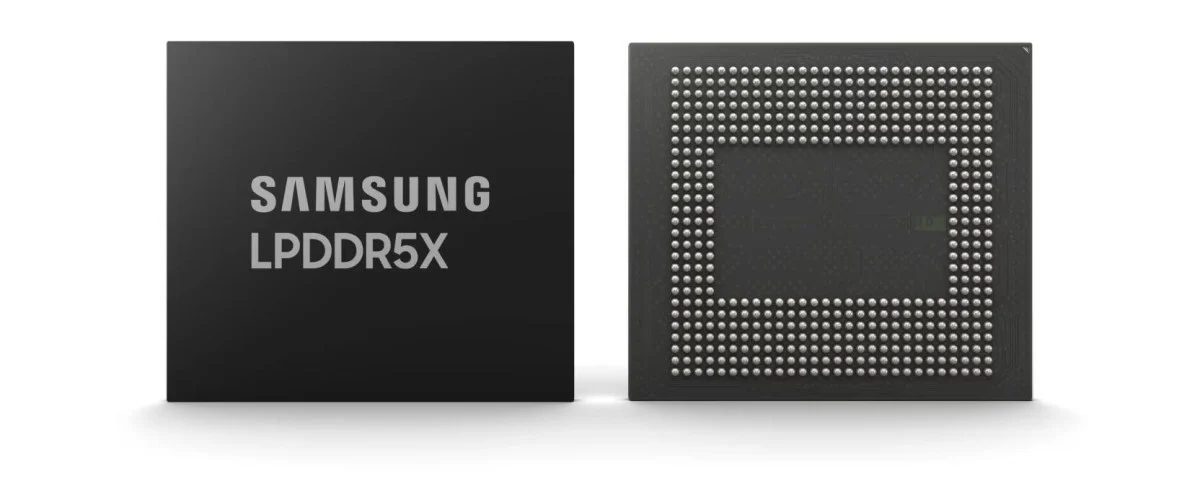
In a move that signals a significant shift in the global semiconductor supply chain, Samsung Electronics’ Device Solutions (DS) division has initiated a strategic plan to hike the pricing of DRAM and NAND flash memory components for smartphone manufacturers by approximately 7% to 10%. This decision, as reported by the Korean publication Sisa Journal e, comes at a time when the memory industry is undergoing a structural pivot toward high-margin enterprise and artificial intelligence-focused hardware. As Samsung moves to optimize its production capacity, the ripple effects are expected to impact the entire mobile ecosystem, from Chinese handset OEMs to global giants like Apple.
The Strategic Shift in Semiconductor Manufacturing
The core driver behind these price adjustments is a fundamental shift in capital expenditure and production focus among the world’s leading memory fabricators. Samsung, along with competitors such as SK Hynix and Micron, has significantly reallocated manufacturing resources toward High Bandwidth Memory (HBM) and specialized server-grade DRAM. These components are essential for powering the burgeoning AI industry and high-performance cloud computing infrastructure.
Because HBM and server-grade memory yield significantly higher profit margins compared to the Low Power Double Data Rate (LPDDR) memory used in smartphones, fabs are increasingly prioritizing these products. This reallocation of wafer capacity has created a supply bottleneck for mobile-specific memory. By increasing prices for smartphone OEMs, Samsung is effectively attempting to normalize the profitability of its mobile-memory segment to align more closely with its high-margin server divisions.
Negotiation Dynamics and Market Hierarchy
The implementation of this pricing strategy is currently unfolding in phases, targeting different tiers of the smartphone market. Samsung has already entered into negotiations with various Chinese smartphone manufacturers, who serve as the first point of contact for these price adjustments. The scale and volume of these companies make them critical partners in the supply chain, though they often lack the leverage afforded to larger, more vertically integrated industry players.
The situation for Apple, however, remains distinct. Industry analysts suggest that Apple’s negotiations, slated for the fourth quarter (October–December), will be considerably more complex. Apple’s status as a dominant consumer electronics buyer provides it with substantial purchasing power. Data suggests that Apple procures approximately double the volume of NAND flash for its iPhone lineup compared to Samsung’s own mobile division, and triple the volume compared to major competitors like Xiaomi. This sheer scale allows Apple to exert significant pressure during contract renewals, making it a formidable counterparty in price negotiations.
Perhaps most notably, Samsung’s own mobile division—the Device eXperience (DX) division—will not be insulated from these price hikes. Because the DS (component) and DX (product) divisions operate as independent business units within Samsung Electronics, internal transfer pricing must reflect market realities. If the DS division raises prices to external clients, it must logically adjust its internal pricing to maintain consistent accounting practices, a move that could potentially pressure the margins of Samsung’s flagship Galaxy smartphone series.
Chronology of Market Escalation
The current trajectory of memory pricing is not an isolated incident but the result of a multi-year cycle of market volatility. Following a period of supply gluts and inventory correction that characterized the 2022–2023 period, the market began a aggressive upward trend in mid-2025.
- Q3 2025: Market research firm Omdia data indicates that the cost of an 8GB/256GB memory configuration hovered around $35.
- Early 2026: Prices experienced a dramatic surge, with the same 8GB/256GB configuration jumping to $109, reflecting the tightening of supply chains as manufacturers transitioned to AI-focused production.
- Q2 2026: Prices continued to climb, reaching $132 for standard 8GB/256GB units.
- Late 2026 (Estimates): Projections suggest that costs will stabilize at elevated levels, with estimates for Q3 and Q4 2026 placing the 8GB/256GB combo at $140 and $144, respectively.
- 2027 Outlook: Omdia analysts anticipate that this high-price environment will persist through at least the first half of 2027, as the transition to next-generation memory standards and the continued demand for HBM keep wafer availability restricted for traditional mobile components.
Cost Projections: 8GB/256GB vs. 12GB/512GB
The following table illustrates the cost progression for memory configurations essential to modern smartphones. These figures represent the raw component cost for RAM and storage, excluding assembly and other peripheral hardware expenses.
| Period | 8GB/256GB Configuration | 12GB/512GB Configuration |
|---|---|---|
| Q3 2025 | $35 | $60 |
| Q1 2026 | $109 | – |
| Q2 2026 | $132 | – |
| Q3 2026 (Est.) | $140 | $202 |
| Q4 2026 (Est.) | $144 | $206 |
Broader Market Implications
The decision by Samsung to raise prices has far-reaching implications for both manufacturers and consumers. For smartphone OEMs, the rise in memory costs presents a difficult dilemma: absorb the costs to remain competitive in a price-sensitive market or pass the burden to the consumer, potentially slowing adoption rates for new devices.
Smaller OEMs, who lack the economies of scale enjoyed by Apple or Samsung’s own DX division, are at the highest risk. If these manufacturers are unable to negotiate favorable long-term contracts, their profit margins could be significantly eroded, leading to a potential consolidation within the smartphone market. We may see a shift where lower-tier manufacturers struggle to provide high-memory configurations, leading to a bifurcation in the market between premium devices with high-performance storage and budget-friendly devices with legacy or lower-capacity memory.
Furthermore, the focus on HBM is likely to create a sustained "new normal" for memory pricing. As the AI boom shows no signs of abating, the capital expenditure required to build new fabs is immense. Manufacturers are hesitant to invest in new LPDDR-dedicated lines when the return on investment for HBM lines is so much higher. This structural constraint suggests that the supply-demand imbalance in the mobile memory sector may be a long-term feature rather than a temporary anomaly.
Industry Reaction and Outlook
While official statements from individual smartphone OEMs remain scarce, the industry sentiment is one of cautious negotiation. Analysts from firms such as Omdia suggest that while the rate of price increases may slow down compared to the rapid acceleration seen in early 2026, the baseline cost of memory has been permanently reset to a higher tier.
Samsung’s move is essentially a correction aimed at reflecting the true cost of opportunity. By prioritizing the most profitable segments of the semiconductor market, the company is ensuring its own financial health. However, this strategy risks straining relationships with key customers who are now forced to operate in a high-cost environment.
Looking forward, the global supply chain for memory will remain highly sensitive to the demands of the AI sector. Until manufacturing capacity expands sufficiently to satisfy both the insatiable hunger for server-side AI hardware and the steady demand for consumer mobile devices, the pricing power will remain firmly in the hands of the memory fabricators. For the average consumer, this likely translates into a plateau in the trend of increasing RAM and storage capacities in mid-range smartphones, as manufacturers attempt to keep total bill-of-materials (BOM) costs under control in the face of these sustained component price hikes.
As the industry moves into 2027, the focus will likely shift toward manufacturing efficiency and the potential for a market correction should the hype cycle surrounding AI-driven hardware begin to taper off. Until then, the smartphone industry must contend with a reality where the fundamental building blocks of their devices—DRAM and NAND—are no longer the commodity-priced components they once were.