Google has officially rolled out its highly anticipated September Pixel Drop, delivering a comprehensive software update that introduces significant productivity, security, and personalization enhancements across its ecosystem of Pixel smartphones, tablets, and smartwatches. This latest seasonal release focuses heavily on streamlining daily communications, bolstering digital safety measures against sophisticated mobile fraud, and expanding accessibility through intuitive wearable gestures. Furthermore, the update includes a whimsical cultural tie-in, offering specialized audio and aesthetic packages designed to enrich the user experience.
Main Facts of the September Pixel Drop
The September Pixel Drop brings a refined approach to device management and user security, marking another milestone in Google’s ongoing effort to differentiate its hardware ecosystem through software innovation. Among the standout features is a complete overhaul of the Pixel VIP contacts system, designed to give users frictionless access to their most important communications.
In addition to user-facing conveniences, Google has intensified its efforts in cybersecurity by expanding real-time scam detection capabilities. Originally tested in limited preview environments, these fraud-prevention tools are now reaching a broader international audience, integrating directly into native messaging frameworks and keyboard applications to intercept malicious communications before they can compromise users.
Wearable technology has also received notable attention. Owners of newer Pixel Watch models can now utilize advanced touchless gestures to navigate notifications seamlessly, addressing common usability hurdles associated with small-screen interactions.
Chronology and Development of Pixel Feature Drops
Google’s Pixel Feature Drop model has evolved significantly since its inception. Initially introduced as a way to provide periodic, value-added updates outside of major annual Android operating system upgrades, Feature Drops have become a cornerstone of Google’s hardware strategy.

Historically, these seasonal updates have introduced major camera algorithms, productivity shortcuts, and safety features. The journey toward the September release began earlier in the year when Google first teased refined contact management concepts and initial beta deployments of on-device scam detection. Over the summer months, iterative testing paved the way for the current global rollout, ensuring that software stability and regional compliance requirements were met before deploying the features to millions of active devices worldwide.
Supporting Data and Implementation Details
The rollout of the September Pixel Drop is structured around specific hardware tiers and regional availability parameters:
- Pixel VIP Contacts: Compatible with Pixel 6 devices and newer globally, provided users have installed the latest iterations of the Google Contacts and Pixel VIP applications. The feature introduces a dedicated home-screen widget featuring one-tap calling and texting, dynamic notification badges for unread or urgent messages, and a floating navigation bar for effortless profile switching.
- Scam Detection and Gboard Integration: Scam detection mechanisms for chat notifications have been expanded to encompass additional linguistic and geographic markets. Concurrently, Gboard has been updated to flag suspicious messaging patterns directly within supported third-party chat applications as the user types. Due to regulatory and linguistic training requirements, these features continue to roll out gradually rather than simultaneously across all global markets.
- Pixel Watch Enhancements: The Pixel Watch 4 benefits from refined "Raise to Talk" functionality, optimizing voice assistant responsiveness. Meanwhile, owners of the Pixel Watch 3 and newer models gain the ability to launch and scroll through their notification trays using a convenient one-handed pinch gesture, minimizing the need for multi-touch interactions.
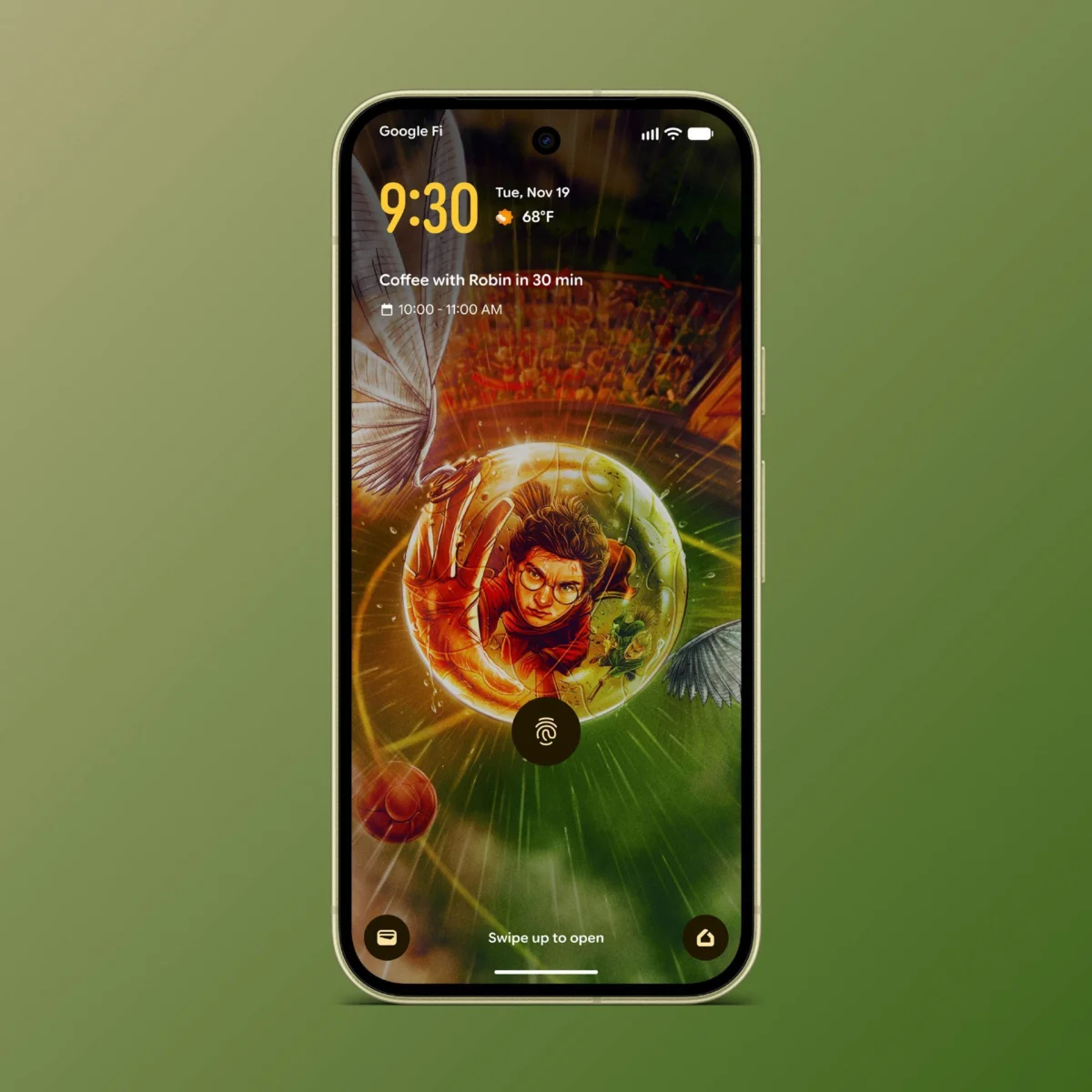
- Thematic Customization: To add a lighter touch to the release, Google partnered to introduce themed audiobook and aesthetic packs. Eligible users can access customized wallpapers, unique device sounds, and special icon packs, complemented by a promotional two-month trial of Audible that remains available through December 31.
Official Responses and Industry Context
While Google has framed the September Pixel Drop as a celebration of user utility and localized security, industry analysts view the release as part of a broader competitive race among smartphone manufacturers to entrench consumers within proprietary ecosystems. As hardware specifications across flagship devices converge, software differentiation—particularly in the realm of artificial intelligence and proactive security—has become the primary battleground for consumer loyalty.
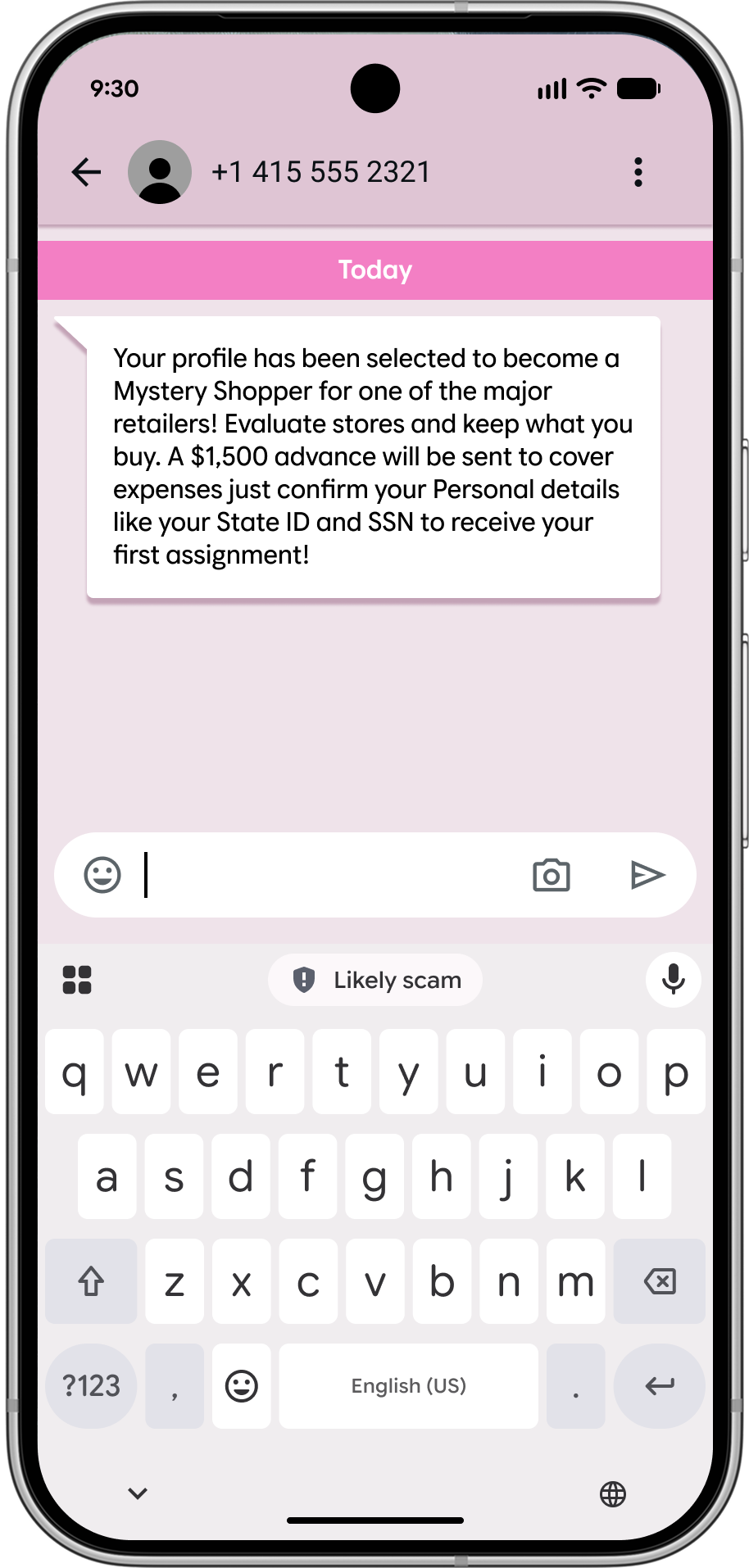
Security advocates have generally welcomed the expansion of automated scam detection tools, noting that mobile phishing and SMS-based fraud continue to pose severe financial risks to vulnerable demographics. By embedding these safeguards directly into the operating system and keyboard layer, Google aims to provide a proactive defense mechanism that operates invisibly in the background.
Broader Impact and Implications
The long-term implications of the September Pixel Drop extend beyond immediate convenience. By continuously updating older hardware—such as ensuring compatibility down to the Pixel 6 generation—Google reinforces its commitment to device longevity, a factor increasingly prioritized by environmentally conscious consumers and regulatory bodies alike.
Furthermore, the integration of advanced biometric gestures on smartwatches and deeply personalized contact management on smartphones points toward an interface future defined by frictionless interaction. As ambient computing becomes the industry standard, updates like the Pixel Drop serve as testbeds for how users will interact with digital assistants and secure their personal communications in an increasingly interconnected world.