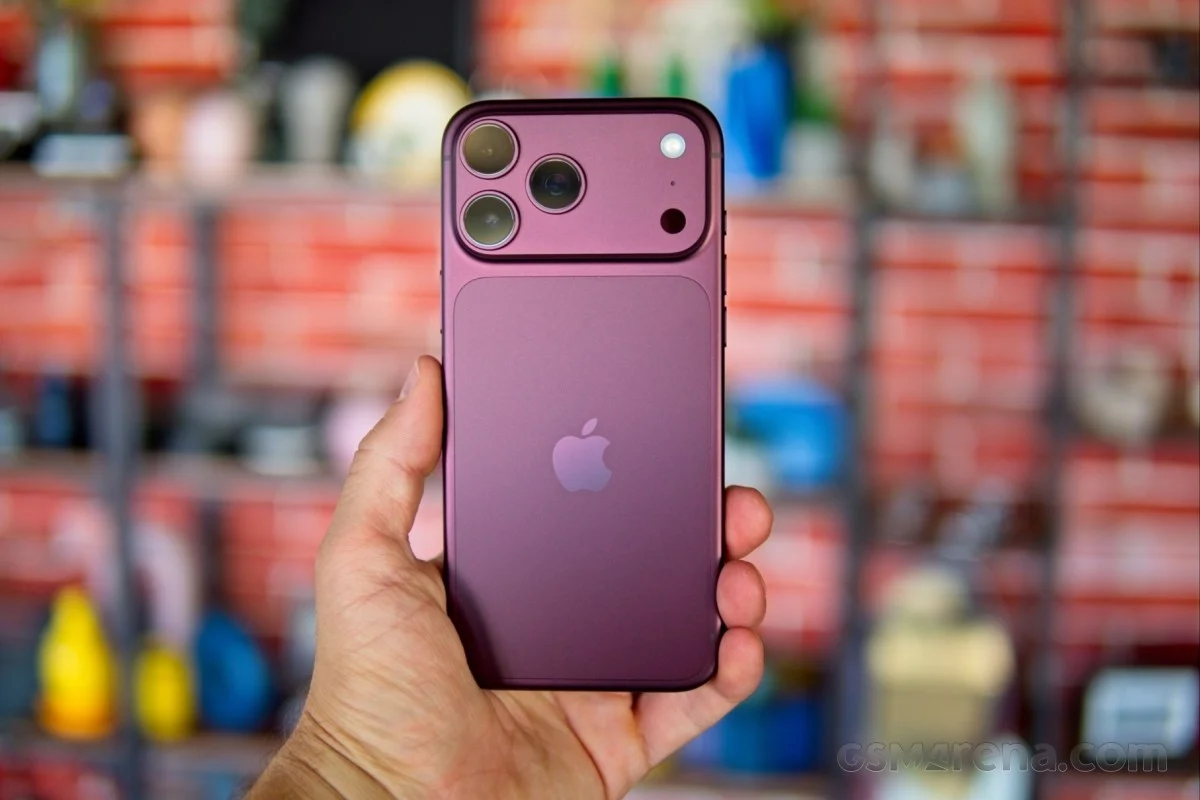
The evolution of modern smartphone technology has hit a physical ceiling in recent years, not due to a lack of innovation in processing power or display resolution, but because of the stringent international logistics regulations governing the transport of lithium-ion batteries. As manufacturers pivot toward silicon-carbon battery chemistry—a breakthrough that allows for significantly higher energy density in smaller physical footprints—they have inadvertently collided with global safety standards established long before these advancements were commonplace. At the heart of this conflict is a 20Wh threshold for single-cell batteries, a limit that has forced companies to choose between fragmenting their battery architectures or reducing capacity for specific global markets. Apple has now introduced a sophisticated software-defined solution with the iPhone 18 Pro Max, effectively bypassing these logistics hurdles and setting a new precedent for the consumer electronics industry.
The 20Wh Regulatory Bottleneck
International shipping regulations, enforced by bodies such as the International Air Transport Association (IATA) and the International Civil Aviation Organization (ICAO), classify lithium-ion batteries exceeding 20Wh as "Class 9 Dangerous Goods." This designation imposes rigorous testing, specialized packaging, and complex documentation requirements that make global distribution prohibitively expensive and logistically fragile. Historically, smartphone manufacturers have circumvented these rules by splitting batteries into multi-cell configurations, which keeps the individual energy output of each cell below the regulated limit. However, this approach consumes valuable internal chassis space and complicates power management circuitry.

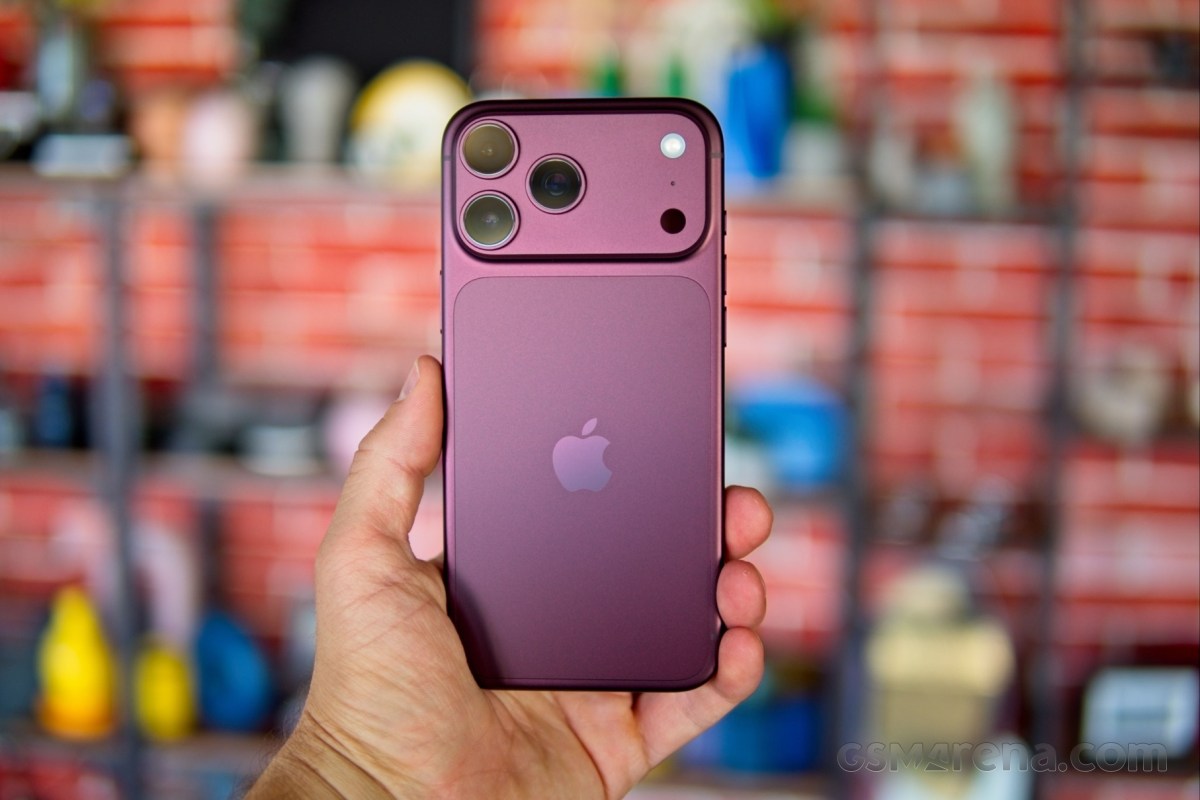
With the advent of the iPhone 18 Pro Max, Apple has opted to keep its high-density, single-cell battery intact, utilizing a software-side "shipping mode" that electronically limits the battery’s capacity to below the 20Wh threshold during transit. This allows the device to be classified under less restrictive shipping categories. Once the consumer completes the initial device activation process, the software limitation is lifted, granting the user access to the full, rated capacity of the battery. For the US eSIM-only model, this equates to a 5,567mAh capacity (21.75Wh), while the European variant, which accommodates a physical SIM tray, features a slightly more modest 5,391mAh (21.06Wh).
A Chronology of Regulatory Friction
The tension between battery innovation and aviation safety has been building for nearly a decade.
- Pre-2020: Industry standards were relatively stable as battery capacities rarely pushed the limits of the 20Wh threshold in mobile handsets.
- 2023-2024: The widespread adoption of silicon-carbon battery chemistry began to yield densities that naturally exceeded the 20Wh limit, forcing manufacturers to rethink internal design.
- June 2025: Following intense lobbying and technical demonstrations, the US transport regulator formally authorized the "software-limited shipping" method for smartphones, acknowledging that the energy density of a single-cell battery is not inherently more dangerous than a multi-cell unit of equivalent total capacity.
- 2026: The UN Sub-Committee of Experts on the Transport of Dangerous Goods opened a formal inquiry into the obsolescence of the 20Wh limit. The committee acknowledged that the current regulatory framework unfairly penalizes single-cell architectures that are functionally identical to larger multi-cell packs.
- 2029 (Projected): Global regulatory bodies are expected to harmonize their standards to reflect modern battery chemistry, potentially raising the threshold or replacing it with more nuanced risk-assessment metrics.
Technical Implications and Market Differentiation
It is critical to distinguish between the "rated" capacity cited in regulatory filings and the "typical" capacity marketed to consumers. While Apple’s technical documentation for the iPhone 18 Pro Max focuses on the rated 21.75Wh, this figure is a floor for performance, not a ceiling. Consumers accustomed to comparing specifications across the Android ecosystem must exercise caution; many Android manufacturers advertise "typical" capacity, which is generally 2% to 5% higher than the "rated" minimum.

By employing this software-unlock method, Apple has effectively removed the necessity for "regionalized" hardware. In the past, companies often shipped lower-capacity batteries to markets with stricter compliance requirements to avoid the bureaucratic nightmare of shipping "dangerous" goods. By standardizing the hardware, Apple not only streamlines its supply chain but also ensures that users in all markets receive the peak performance capacity of the device. Furthermore, the company has implemented a user-facing toggle that allows the battery to be returned to its "shipping state." This is particularly useful for users who travel internationally or need to ship their devices for repairs, as it ensures compliance with airline safety regulations regarding high-capacity lithium batteries.
Industry Impact and Future Outlook
The ripple effects of this decision are expected to be substantial. Industry analysts suggest that if other major manufacturers—such as Samsung, Google, or Xiaomi—adopt similar software-locked shipping protocols, the fragmentation of global smartphone models could largely disappear. This would lead to significant economies of scale, reducing manufacturing complexity and lowering the cost of replacement parts.
However, the strategy is not without its critics. Some safety advocates argue that reliance on software to manage physical energy thresholds introduces a "failure point." If the software were to malfunction during transit, a battery that is legally required to be limited could potentially reach full capacity, although the risk of a spontaneous fire in a non-defective cell remains statistically negligible. Despite these concerns, the move toward software-defined hardware represents a broader trend in the tech industry: using advanced firmware to navigate constraints that were once thought to be purely physical.
The Role of International Regulatory Bodies
While the US has taken a proactive stance, the global regulatory environment remains somewhat fragmented. The ADR (European Agreement concerning the International Carriage of Dangerous Goods by Road), IATA, and ICAO have not yet issued a unified, global mandate explicitly endorsing the software-limitation method. Their silence, however, is being interpreted by many as "tacit approval," given the proliferation of these devices across European retail channels.
The UN Sub-Committee’s ongoing 2026-2029 review period is the most important development in this sector. The proposal being debated argues that the 20Wh limit was conceived in an era where cell construction was far less stable than it is today. Modern manufacturing processes, including advanced separator materials and improved thermal management, have rendered the old boundaries antiquated. If the UN moves to update these policies by 2029, the industry will likely see a surge in high-capacity, single-cell designs, moving away from the cumbersome multi-cell layouts that have dominated the market for years.
Conclusion: A Precedent for Innovation
Apple’s approach to the iPhone 18 Pro Max battery issue is a textbook example of modern regulatory navigation. By prioritizing a uniform user experience and leveraging firmware to satisfy administrative hurdles, the company has effectively bypassed a systemic roadblock. This development is not merely about battery capacity; it is a signal to the entire electronics sector that innovation in battery technology no longer needs to be stifled by archaic transportation standards. As the world awaits the 2029 regulatory updates, the tech industry now has a viable, tested, and safe roadmap for delivering high-performance hardware to a global audience without compromise. The era of the "regionalized battery" appears to be drawing to a close, replaced by a more flexible, software-driven paradigm that favors the consumer while maintaining rigorous safety standards.