The Paradox of Modern Technological Advancement
The contemporary tech ecosystem is characterized by a striking paradox: while computing power and connectivity have reached unprecedented levels, user satisfaction and societal trust remain in a state of flux. On one hand, the integration of generative AI into daily workflows—from productivity suites to creative software—has revolutionized efficiency. On the other, the proliferation of devices has led to "feature fatigue," where the marginal utility of each new hardware iteration feels increasingly diminished.
Market analysts observe that the current hardware cycle is defined by incrementalism. Companies are struggling to justify annual upgrade cycles for smartphones and wearables, leading to a focus on ecosystem lock-in rather than revolutionary feature sets. This environment forces consumers to re-evaluate their relationship with technology. The question is no longer just "What is the most powerful device?" but rather "What technology actually improves my quality of life?"
A Chronology of the Wearable Evolution
To understand the current state of consumer health technology, one must examine the progression of the wearable market. The Fitbit ecosystem, now a central pillar of Google’s hardware strategy, serves as a microcosm for the broader industry shift.
- 2009–2012 (The Early Adoption Phase): Fitbit launches the original tracker, focusing on simple step counting and basic sleep metrics. This era established the foundational habit of quantifying health data.
- 2013–2016 (The Expansion Phase): The introduction of heart-rate monitoring and smart notifications. Devices moved from pockets to wrists, becoming fashion accessories and constant companions.
- 2017–2020 (The Integration Phase): Fitbit pivots toward the smartwatch market with the Versa and Sense lines. Health sensors become more sophisticated, including SpO2, EDA sensors, and ECG capabilities.
- 2021–2024 (The Google Era): Following the acquisition by Google, the focus shifts to data fusion. Fitbit technology begins to inform the Pixel Watch ecosystem, prioritizing long-term health trends over short-term activity spikes.
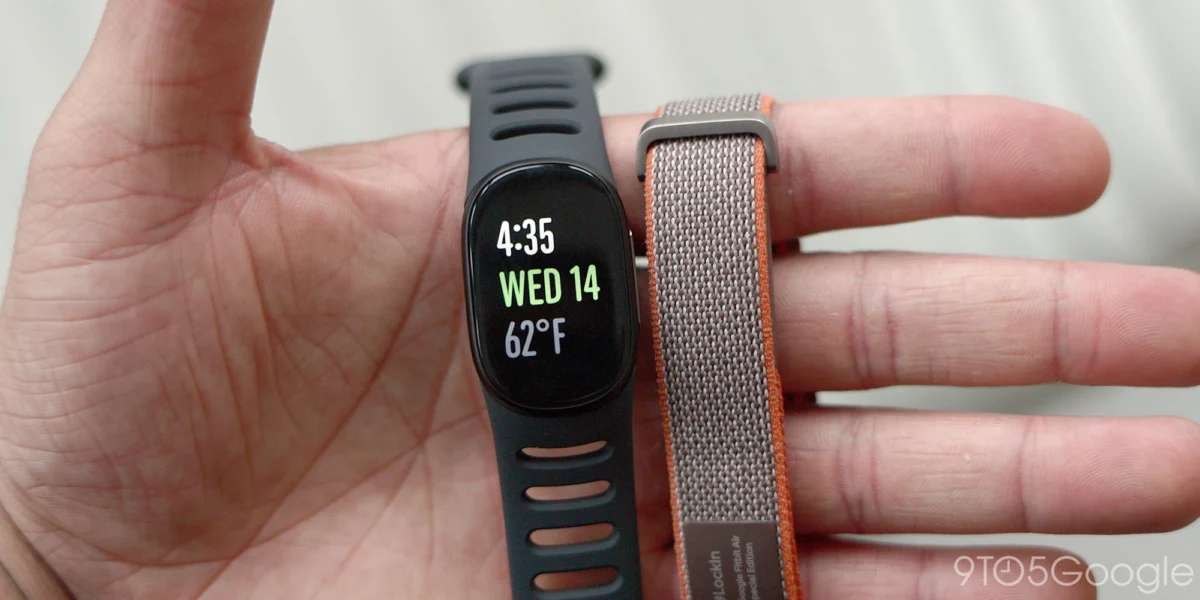
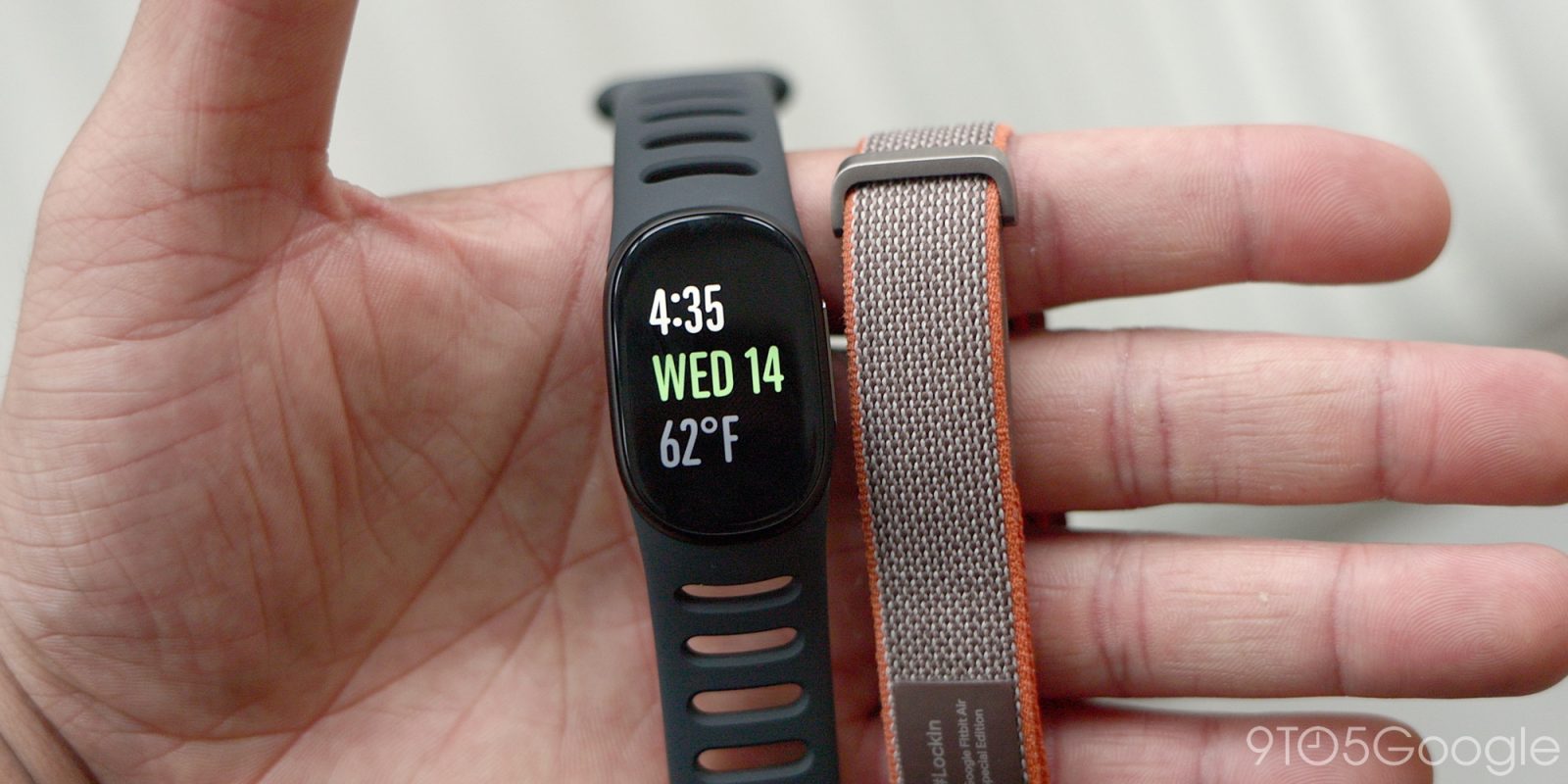
- 2025–2026 (The AI-Driven Era): Current developments, such as the rumored Fitbit Edge and Air series, represent a move toward predictive health modeling. Instead of simply reporting data, the devices aim to provide actionable, AI-generated insights regarding recovery and preventative health.
Data-Driven Insights and Market Trends
The shift toward "AI-assisted living" is supported by significant market data. According to recent industry reports, the global wearable technology market is expected to grow at a compound annual growth rate (CAGR) of approximately 14% through 2030. However, the nature of this growth is changing.
Consumer surveys indicate that the highest churn rate in the wearable market occurs when a device fails to provide "meaningful intervention." Users are becoming increasingly disinterested in raw data—such as "you took 8,000 steps"—and are demanding context. For example, a user would prefer to know, "Given your sleep quality and heart rate variability today, a light workout is recommended." This transition from data collection to insight generation is the primary battleground for companies like Google, Apple, and Samsung.
The Role of Google in the Wearable Landscape
Since the completion of the acquisition in 2021, Google has faced the challenge of balancing Fitbit’s specialized health tracking with its own broader Android and Pixel strategies. The integration has not been without friction. Users have expressed concerns regarding data privacy, account migration, and the potential dilution of the Fitbit brand.
In response to these concerns, Google has repeatedly emphasized its commitment to the "Fitbit Health Trust," a set of commitments made to regulators to ensure that health and wellness data are not used for Google Ads. These safeguards are essential for maintaining user trust, as the sensitivity of biometric data represents a significant barrier to entry for any company seeking to dominate the health-tech space.
Implications for Society and Digital Wellbeing
The broader societal impact of these advancements is profound. As technology becomes more deeply embedded in our biological monitoring, the line between medical equipment and consumer electronics continues to blur. This carries both benefits and risks.
The Benefits
- Preventative Health: Earlier detection of anomalies (e.g., atrial fibrillation) can significantly reduce long-term medical costs and improve patient outcomes.
- Democratization of Data: Previously expensive clinical monitoring is now accessible to a mass market, empowering individuals to take ownership of their health.
The Risks
- Data Overload: The constant stream of metrics can lead to "orthosomnia" or anxiety related to health data, where the pursuit of "perfect" metrics negatively impacts mental wellbeing.
- Privacy Concerns: The aggregation of granular health data by large tech conglomerates poses long-term questions regarding how this information could be used by insurers, employers, or third-party advertisers.
Analyzing the "Happy Tech" Factor
The prompt for this inquiry asks what technology is currently making users "happy." In the current market, the devices that are succeeding are those that offer a sense of "ambient intelligence"—technology that functions effectively in the background without demanding constant attention.
Devices that prioritize battery life, seamless integration, and non-intrusive notifications are seeing higher retention rates. The frustration with modern tech often stems from the friction of maintenance: charging devices, managing subscriptions, and sorting through endless alerts. The next generation of wearables, such as those teased in the 2026 development cycles, aim to minimize this friction by leveraging on-device machine learning.
Official Stances and Corporate Strategy
Google’s official stance, as articulated in recent product keynotes, is that the goal of the Fitbit integration is to move toward "Health Sensing." By combining the specialized expertise of Fitbit engineers with the AI capabilities of Google DeepMind, the company intends to create a feedback loop where the hardware becomes more personalized over time.

"We are moving past the era of the passive tracker," a spokesperson noted during a recent briefing on wearable architecture. "Our focus is on the synthesis of data. The goal is to provide the user with the right information at the right time, minimizing the need to manually interpret complex biological charts."
Future Outlook: The Path Toward 2030
As we look toward the remainder of the decade, the tech industry is likely to face three primary pressures:
- Regulatory Scrutiny: As wearable data becomes more "medical," governments will likely increase oversight on how these devices are validated and how data is processed.
- Sustainability: With millions of wearables hitting landfills annually, there is an industry-wide push for modular, repairable hardware.
- Human-Centric Design: The "winner" in the wearable space will not necessarily be the company with the most sensors, but the one that best integrates those sensors into the fabric of a user’s life without causing digital fatigue.
The evolution of devices like the Fitbit Edge versus the Fitbit Air is a testament to the fact that hardware is no longer the endpoint. It is a delivery mechanism for services and insights. Whether this leads to a healthier, happier society depends on whether these companies continue to prioritize user agency and privacy over pure data acquisition.
In conclusion, the current state of technology is a transitionary period of refinement. We are moving away from the "gadget-first" mentality toward a "utility-first" approach. While the rapid influx of AI and new hardware may feel overwhelming, the underlying trends suggest a push toward devices that are smarter, quieter, and more deeply integrated into the pursuit of human wellness. The challenge for the industry will be to maintain this momentum while respecting the essential human need for simplicity and digital balance.