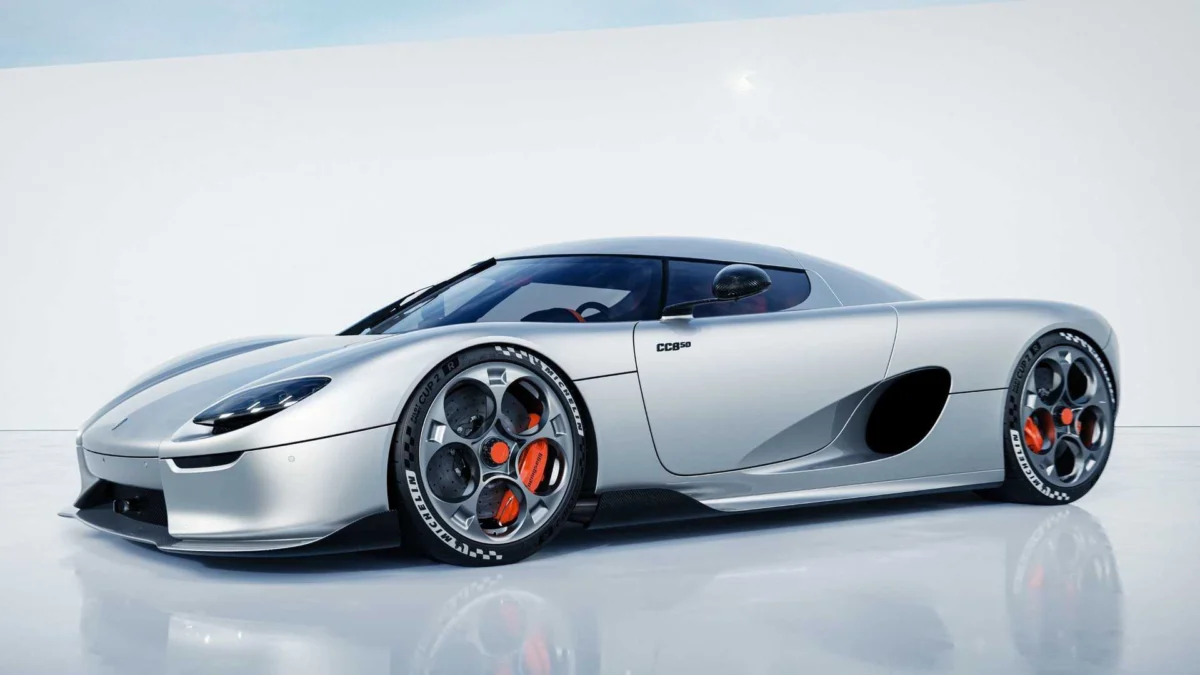
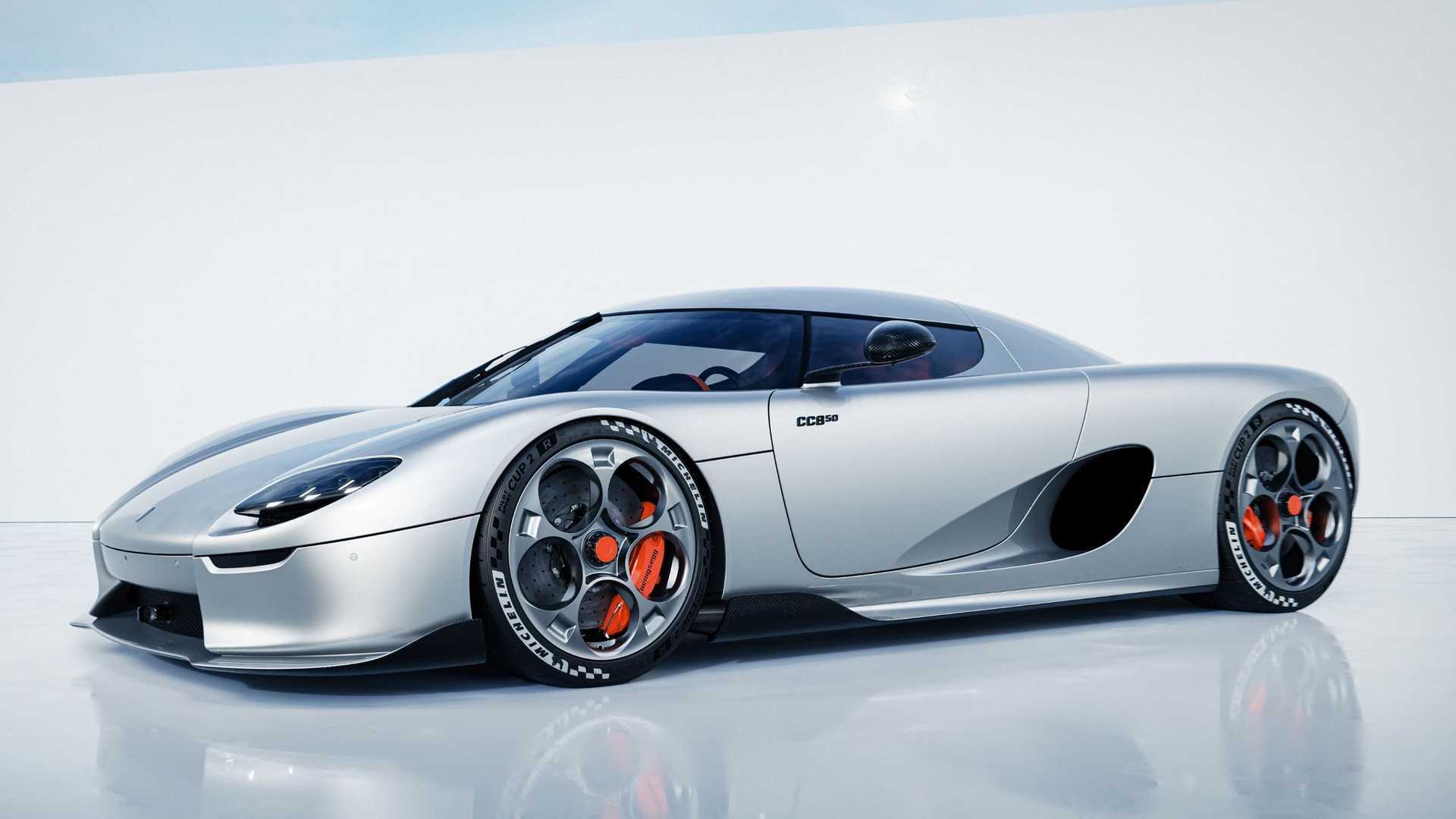
In the high-stakes world of hypercar manufacturing, recalls are exceptionally rare occurrences, usually characterized by extremely low volume and highly specific technical adjustments. Koenigsegg Automotive AB, the Swedish manufacturer of world-class performance vehicles, has initiated a safety recall involving the entirety of its US-market CC850 production for the 2025–2026 model years. While standard automotive recalls from mass-market manufacturers often involve hundreds of thousands of units due to systemic manufacturing errors, this specific campaign highlights the unique challenges faced by boutique manufacturers, affecting a total of just seven vehicles currently registered in the United States.
The recall, officially logged with the National Highway Traffic Safety Administration (NHTSA) under campaign number 26V694, addresses a technical vulnerability within the vehicle’s electronic parking brake (EPB) system. According to the filing, the system may, under specific operational conditions, fail to engage with the necessary force to secure the vehicle when stationary. This potential for unintended movement has prompted the manufacturer to take immediate proactive measures to ensure the safety of both the vehicle owners and the public.
The Chronology of the Incident
The sequence of events leading to this recall began with a real-world operational report. An owner of a Koenigsegg CC850 experienced a situation where the vehicle rolled while parked on an incline. According to the incident report, the owner had engaged the reverse gear while the engine was running, initiated the electronic parking brake sequence, and exited the vehicle. Shortly thereafter, the vehicle moved from its stationary position.
Upon receiving notice of this occurrence, Koenigsegg’s engineering department conducted a comprehensive review of the vehicle’s control logic. It was determined that in certain configurations—specifically when the engine remains active and the transmission is in a state that mimics a traditional manual-automatic hybrid transition—the parking brake control unit might not receive the necessary confirmation signal to fully clamp the brake calipers.
Following this investigation, Koenigsegg formally notified the NHTSA of the findings on February 2026. The automaker confirmed that no injuries, accidents, or property damage had been reported beyond the initial report of the vehicle’s movement. By mid-February 2026, the company finalized a software-based solution to mitigate the risk and notified the seven affected owners.
Understanding the CC850’s Engineering Complexity
The Koenigsegg CC850 is a marvel of modern automotive engineering, designed to pay homage to the original CC8S, the company’s first production car. It features the proprietary 5.0-liter twin-turbocharged V8 engine, capable of producing up to 1,385 horsepower on E85 fuel. However, the true complexity lies in its "Engage Shift System" (ESS) transmission.
This gearbox functions as both a true six-speed manual—complete with a clutch pedal—and a high-performance nine-speed automatic transmission. The system relies heavily on sophisticated software algorithms to simulate the mechanical feel of a traditional manual transmission while maintaining the efficiency and speed of a dual-clutch automatic. Because the parking brake system is integrated into this highly complex digital architecture, the interaction between the transmission’s state and the electronic parking brake requires precise software synchronization. The current recall addresses a "logic gap" where the system’s ability to hold the car on a slope might be compromised if the driver fails to shift the vehicle into the dedicated "Park" position before exiting, despite the electronic system’s design intent to act as a fail-safe.
Technical Implications and the Software Fix
The nature of this recall is purely electronic, distinguishing it from traditional mechanical recalls that require hardware replacement or invasive repairs. Koenigsegg has developed a firmware patch for the vehicle’s control module that recalibrates the parking brake engagement parameters. This update ensures that the electronic parking brake will deploy with maximum pressure, regardless of the transmission’s current gear or the status of the engine.
The deployment of this fix follows a modern, streamlined protocol:
- Over-the-Air (OTA) Capability: As is increasingly common with high-end performance vehicles, the CC850 is equipped with remote diagnostic and update capabilities. Owners can receive the update directly to their vehicle’s onboard computer, eliminating the need for a physical dealership visit.
- Dealer Assistance: For owners who prefer professional oversight or who do not have an active network connection in their storage facility, authorized Koenigsegg service centers are equipped to apply the update manually.
- No-Cost Resolution: Consistent with federal safety regulations, all costs associated with the software update are covered entirely by Koenigsegg.
The Context of Boutique Manufacturing
When comparing the CC850 recall to the broader automotive industry, the disparity in volume is significant. For instance, mass-market manufacturers like Ford or Toyota may issue recalls affecting millions of vehicles due to supplier-level component failures, such as airbag inflators or braking sensors. In those scenarios, the logistics of sourcing replacement parts, notifying millions of customers, and managing dealer capacity become a massive undertaking.
For a company like Koenigsegg, which produces only a handful of cars per year, the recall process is more akin to a software patch in the tech industry than a traditional automotive campaign. Each vehicle is essentially a bespoke project, and the company maintains direct, personal contact with every owner. This level of intimacy allows for a near-instantaneous response time. By voluntarily initiating this recall, Koenigsegg is fulfilling its regulatory obligations while simultaneously preserving its reputation for rigorous safety standards.
Broader Industry Impact
The incident also underscores the shifting nature of vehicle safety in the era of software-defined vehicles. As cars become more computerized, the distinction between a "mechanical failure" and a "software bug" continues to blur. The CC850’s issue is not a failure of the brake pads, calipers, or rotors; it is a failure of the digital "handshake" between the transmission computer and the brake actuator.
Automotive analysts note that this trend will likely continue as more manufacturers adopt drive-by-wire systems and complex automated transmissions. The ability to push OTA updates is a critical safety feature that allows manufacturers to address potential risks without the time-consuming process of physical recalls. However, this also places a higher burden on software quality assurance (QA) teams, who must account for an infinite variety of edge-case scenarios in user behavior—such as the specific sequence of shifting and parking described in the NHTSA report.
Conclusion and Future Outlook
The recall of the seven Koenigsegg CC850 models is a localized, manageable event that highlights both the incredible technical ambition of the Swedish brand and the importance of stringent software testing. For the owners of these seven vehicles, the resolution is swift and requires minimal disruption.
For the automotive industry at large, the event serves as a reminder that even the most advanced, high-performance machinery is subject to the same regulatory scrutiny as the most common family sedans. As Koenigsegg continues to push the boundaries of what is possible in internal combustion performance, it will undoubtedly continue to navigate the intersection of ultra-exclusive engineering and the pragmatic requirements of modern road-safety legislation. With the software update now available, the fleet is expected to remain fully compliant with all NHTSA safety standards, allowing these rare machines to return to the road with the full confidence of their owners.