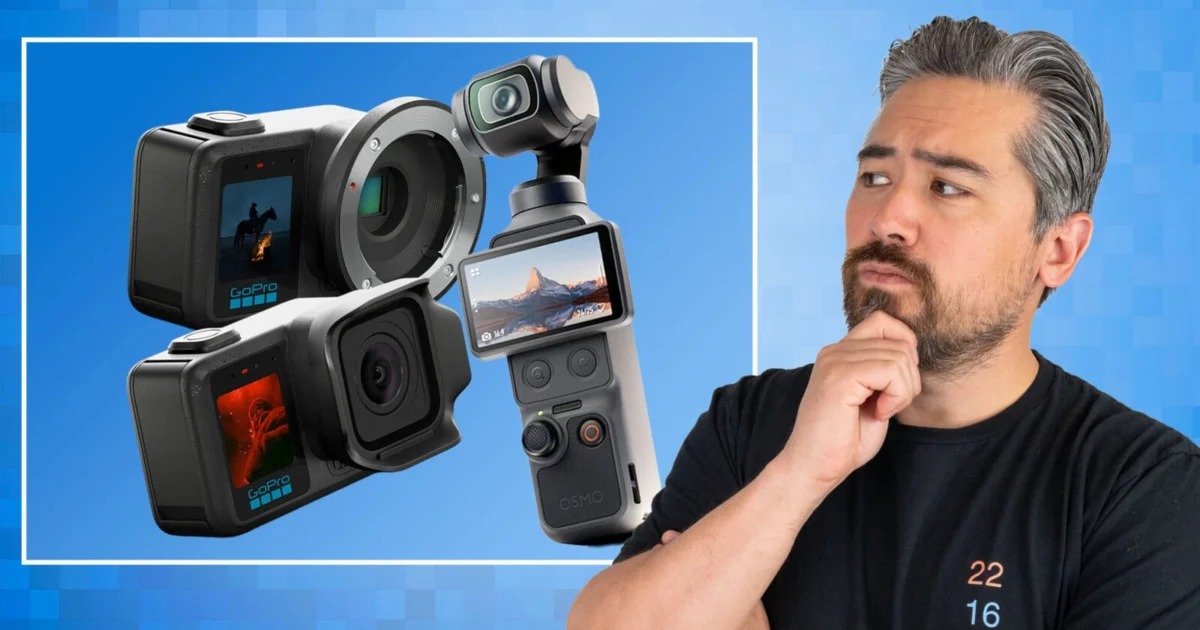
The latest episode of The PetaPixel Podcast dives deep into the evolving landscape of content creation, featuring discussions on the highly anticipated DJI Osmo Pocket 4, GoPro’s ambitious Mission 1 initiative, and a significant development in photo editing software with Resolve’s challenge to Adobe Lightroom. The episode, hosted by the PetaPixel Podcast team and joined by guest Sarah Teng, offers insights into how these advancements are poised to reshape workflows and opportunities for creators worldwide.
Key Developments Under the Microscope
This week’s podcast centers on three major announcements that have captured the attention of the photography and videography community. Firstly, the potential release or unveiling of the DJI Osmo Pocket 4 is generating considerable excitement. This compact, gimbal-stabilized camera line has become a staple for vloggers and travelers seeking high-quality, portable video solutions. Speculation abounds regarding its potential feature set, including improved sensor technology, enhanced AI capabilities for stabilization and subject tracking, and perhaps even new form factors that could further blur the lines between dedicated cameras and smartphones. The Osmo Pocket series has consistently set benchmarks for pocket-sized videography, and any iteration is expected to bring further innovation.
Secondly, GoPro’s "Mission 1" represents a significant strategic shift for the action camera giant. While details remain somewhat guarded, the initiative is understood to involve leveraging the vast network of GoPro users and their captured footage to create compelling narratives and potentially even commercial content. This move suggests a broader ambition beyond simply selling hardware, venturing into content aggregation and potentially a platform for user-generated storytelling on a grand scale. The implications for how visual media is sourced and produced are considerable, potentially democratizing access to diverse perspectives and challenging traditional production models.
Thirdly, and perhaps most significantly for desktop editors, the podcast touches upon the burgeoning competition in the photo editing software arena, specifically highlighting Resolve’s increasing prowess in challenging Adobe Lightroom’s long-held dominance. While Resolve has traditionally been known for its professional color grading and video editing capabilities, its recent advancements and increasing accessibility for still image manipulation are positioning it as a formidable alternative. This development is crucial for creators who often find themselves working with both stills and video, offering a potential unified workflow and a powerful, often more affordable, suite of tools.
The PetaPixel Podcast: A Platform for Industry Insights
The PetaPixel Podcast has established itself as a vital forum for discussing the latest trends, gear, and issues affecting photographers and videographers. By bringing together industry experts and the PetaPixel editorial team, the podcast provides a platform for in-depth analysis and candid conversation. Sarah Teng’s participation in this episode adds valuable perspective, likely bringing insights from her specific area of expertise within the content creation ecosystem.
The podcast episode is made possible through the generous support of its sponsors, who are integral to maintaining the platform’s accessibility and quality. DxO, a leader in imaging software and hardware, is prominently featured, particularly their latest release, PureRAW 6. DxO’s PureRAW technology is designed to enhance image quality by intelligently denoising and demosaicing RAW files, often resulting in superior detail and clarity compared to in-camera processing or standard RAW conversion. The podcast highlights an informative beginner’s guide to DxO PureRAW 6 available on PetaPixel, underscoring the software’s benefits for photographers seeking to maximize the potential of their RAW images. A special offer of 15% off any DxO software, including PureRAW 6, is extended to PetaPixel Podcast listeners who use the code "PetaPixel" at dxo.com.
B&H Photo, a renowned retailer for photography and videography equipment, also presents a compelling offer through its B&H Payboo Credit Card. This card facilitates a "Save the Tax" benefit on eligible purchases, where B&H instantly reimburses the sales tax paid, a significant saving for customers. Additionally, the card offers flexible financing options, including 6 and 12-month installment plans for qualifying purchases, making high-value gear more accessible. This partnership underscores the podcast’s commitment to providing tangible benefits to its audience.
Furthermore, the podcast promotes PetaPixel’s limited-edition merchandise, a venture that allows fans to support the publication while acquiring unique items. The use of Riverside, an online recording studio, for the podcast’s production highlights the adoption of modern, efficient tools for remote collaboration and content creation, a theme that resonates with the episode’s subject matter.
Exploring the Impact of New Technologies
The discussion surrounding the DJI Osmo Pocket 4 is particularly pertinent given the current market saturation of compact imaging devices. The Osmo Pocket line has consistently innovated, from its early introduction of a true gimbal in a pocketable form factor to advancements in sensor size and video capabilities. Industry analysts suggest that the Osmo Pocket 4 could feature a larger sensor, potentially a 1-inch type, which would significantly improve low-light performance and dynamic range, bringing it closer to the quality offered by larger cameras. Enhanced AI-powered stabilization, perhaps incorporating predictive algorithms based on user movement, could also be a key feature. The integration of improved microphones and advanced connectivity options for external accessories would further solidify its position as a go-to device for solo creators and mobile journalists. The current market for compact, stabilized cameras includes offerings from Insta360 and DJI’s own Action cameras, making the Osmo Pocket 4’s potential release a significant competitive event.
GoPro’s "Mission 1" represents a bold move to capitalize on its extensive user base. GoPro cameras are ubiquitous in adventure sports and travel, generating an immense volume of footage. By creating a structured initiative, GoPro aims to harness this raw material, curate it, and potentially produce professional-grade content. This could involve specific themes or challenges that encourage users to capture footage relevant to a larger narrative. The success of such a mission could lead to new revenue streams for GoPro beyond hardware sales and establish them as a significant content producer. It also opens up new avenues for creators who can contribute their footage to these larger projects, potentially earning recognition or compensation. The current trend towards user-generated content platforms and the increasing demand for authentic, diverse visual storytelling make "Mission 1" a timely and potentially impactful endeavor.
The mention of Resolve challenging Lightroom is a critical development for image editors. For years, Adobe Lightroom has been the industry standard for RAW photo editing, offering a comprehensive suite of tools for organization, adjustment, and cataloging. However, Blackmagic Design’s DaVinci Resolve, while primarily a video editing powerhouse, has been steadily enhancing its photo editing capabilities within its "Photo" workspace. This workspace offers powerful tools for RAW processing, color correction, and even basic retouching, all integrated within a professional-grade editing environment. The appeal for many creators lies in the potential for a unified workflow – editing both photos and videos within a single application, often at a more accessible price point than Adobe’s Creative Cloud subscription. The fact that Resolve is being discussed in the context of directly competing with Lightroom suggests that its capabilities are reaching a level where it is no longer just a video editor with some photo features, but a genuine contender for still image professionals. This competition is likely to spur further innovation from both software developers, ultimately benefiting the end-user with more powerful and flexible tools.
Supporting Data and Market Context
The market for compact cameras, particularly those with integrated stabilization, has seen significant growth. The DJI Osmo Pocket series has consistently ranked among the top sellers in this niche, demonstrating a strong consumer demand for portable, high-quality video capture. Industry reports indicate that the global compact camera market, while facing competition from smartphones, continues to thrive in specialized segments like action cameras and vlogging cameras.
GoPro’s strategic pivot towards content creation is also aligned with broader industry trends. The creator economy is booming, with platforms like YouTube, TikTok, and Instagram relying heavily on a constant influx of fresh, engaging content. By facilitating and curating user-generated content, GoPro could tap into this market, potentially creating a symbiotic relationship between its hardware sales and its content platforms.
The software market for photo and video editing is dominated by Adobe, but there is a growing segment of users seeking alternatives. DaVinci Resolve’s free version, which offers a substantial portion of its professional features, has attracted a large user base. The paid Studio version unlocks even more advanced capabilities, making it a competitive offering in terms of value for money, especially when compared to the ongoing subscription costs of Adobe’s Creative Cloud. The increasing sophistication of Resolve’s photo editing tools is a direct response to this market demand for integrated, powerful, and cost-effective solutions.
Looking Ahead: Implications for Content Creators
The convergence of advanced hardware and sophisticated software presents a transformative period for content creators. The DJI Osmo Pocket 4, if it delivers on expectations, will further empower individuals to capture professional-quality video on the go, democratizing high-end visual storytelling. GoPro’s Mission 1 could redefine how visual narratives are sourced and produced, opening up new collaboration opportunities and potentially creating new income streams for its user base. The advancements in editing software, with Resolve emerging as a strong competitor to Lightroom, offer creators more flexibility, potentially reducing costs and streamlining workflows by consolidating photo and video editing into a single powerful application.
These developments collectively signal a future where the barriers to entry for producing high-quality visual content continue to lower. Creators will have access to increasingly powerful and intuitive tools, enabling them to focus more on their artistic vision and storytelling, rather than being constrained by technical limitations or prohibitive costs. The PetaPixel Podcast’s ongoing coverage of these evolving trends provides essential insights for anyone looking to navigate and thrive in this dynamic digital landscape. The discussion on the podcast serves as a vital resource for understanding the immediate implications and long-term trajectory of these significant industry shifts.