Volkswagen Group is embarking on a transformative industrial pivot as it seeks to stabilize its long-term electric vehicle strategy, announcing a significant expansion of its partnership with Chinese battery manufacturer Gotion High-Tech. This strategic collaboration, unveiled this Monday, centers on the creation of three joint ventures designed to establish a robust European manufacturing base for lithium iron phosphate (LFP) battery technology. As the German automotive giant navigates a turbulent period marked by widespread corporate restructuring, job cuts, and a streamlined product portfolio, this move represents a critical attempt to secure the supply chains necessary for mass-market EV adoption.
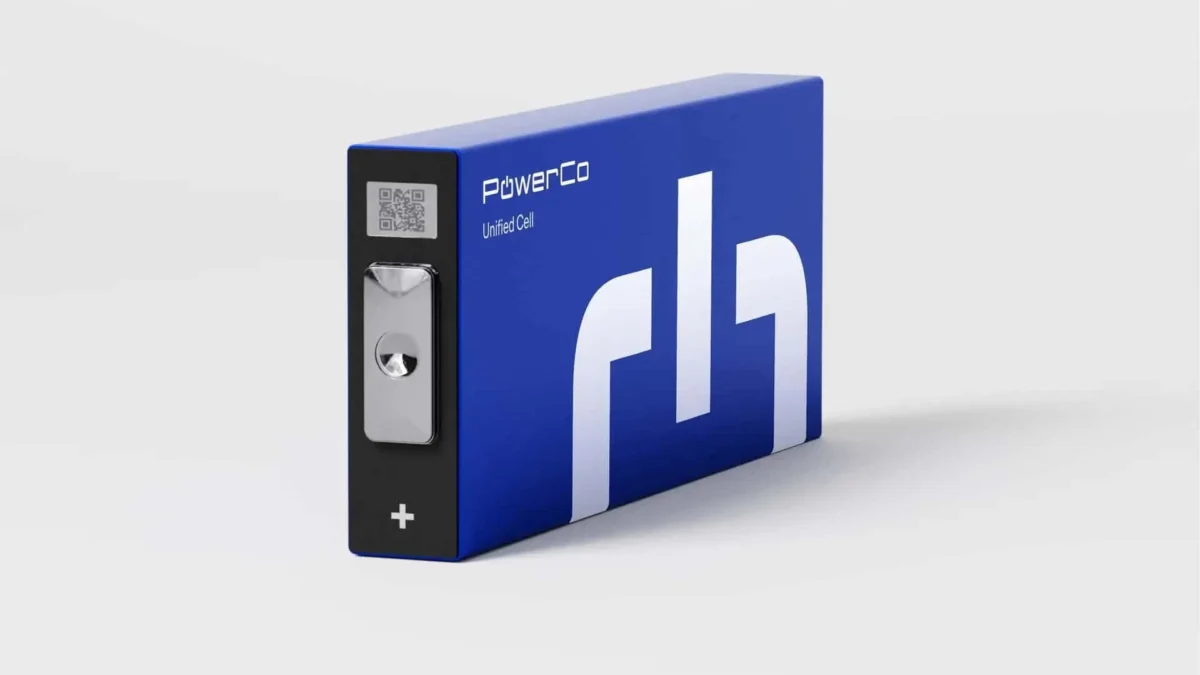
The initiative is built upon the technological foundation of Volkswagen’s proprietary “unified” prismatic battery cell, developed under its dedicated battery subsidiary, PowerCo. By standardizing the cell architecture across its diverse brand portfolio—which spans from entry-level VW models to high-performance Porsche vehicles—the company aims to achieve significant economies of scale. The unified cell design is engineered to be chemically agnostic, capable of housing various cathode compositions, including LFP and future-generation solid-state technology.
The Strategic Shift Toward LFP Chemistry
Lithium iron phosphate batteries have historically been viewed as the lower-cost, more durable alternative to the nickel-cobalt-manganese (NCM) chemistries that dominated early electric vehicle development. While LFP batteries have long faced criticism for lower energy density, recent advancements in cell packaging and manufacturing efficiency have bridged the gap, making them increasingly attractive for volume-segment vehicles.
Volkswagen’s reliance on this partnership underscores a harsh reality for the European automotive sector: the region currently lacks a significant, home-grown LFP production capacity. According to internal projections provided by the company, the market share for LFP-equipped vehicles in Europe is expected to surge from roughly 10% today to between 40% and 60% by the end of the decade. Volkswagen is positioning its new joint ventures to capture this emerging demand, shielding its supply chain from potential volatility in global trade while lowering the barrier to entry for consumers seeking affordable electric mobility.
Chronology of the Joint Venture Agreements
The financial commitment behind this partnership is substantial, reflecting the high stakes involved in the transition to electromobility. The agreement is structured across three distinct pillars:
- Valencia, Spain (The Hub): Gotion High-Tech will acquire a 49% stake in PowerCo’s existing facility in Valencia for approximately $1.25 billion. This site is designated to serve as the European production hub for the unified LFP cell. Financial filings indicate that the plant is expected to reach a production capacity of 29.1 gigawatt-hours (GWh) annually, serving as the cornerstone of Volkswagen’s European battery strategy.
- Slovakia (Cell Production): Volkswagen has committed to a $535 million investment through 2030 to acquire a 49% stake in Gotion’s facility in Slovakia. This plant, which is slated for an 8.4 GWh capacity, will focus on producing LFP cells intended for both automotive applications and stationary energy storage systems, allowing VW to diversify its revenue streams beyond vehicle manufacturing.
- Morocco (Material Supply): As part of the same investment package, the companies will establish a new facility in Morocco dedicated to the production of cathode materials. By vertically integrating the production of these key components, Volkswagen is attempting to insulate itself from the logistical bottlenecks that have historically plagued the battery supply chain.
Industry Context and Competitive Landscape
Volkswagen’s aggressive move to localize LFP production arrives as other Western automakers are adopting similar strategies to mitigate their reliance on imported cells. The shift toward LFP is not merely a European trend; it is a global phenomenon. Ford Motor Company, for instance, has secured a licensing agreement with the Chinese battery giant CATL to utilize its technology for cell production in Michigan, intended for the upcoming Fathom pickup truck. Similarly, Gotion is already establishing a domestic footprint in the United States with a facility in Illinois, which is expected to supply cells for the Slate pickup truck.
In Europe, the competitive pressure is equally intense. Stellantis, one of Volkswagen’s primary rivals, has partnered with CATL to construct a massive 50 GWh LFP plant in Zaragoza, Spain. With construction already underway, that facility is expected to begin mass production of cells as early as next year, creating a race to see which legacy automaker can scale its LFP operations most efficiently.
Implications of the Restructuring
This announcement comes at a time of profound internal change for the Volkswagen Group. The company is currently engaged in a sweeping restructuring program aimed at reversing years of rising operational costs and declining margins. This process has involved the difficult task of cutting tens of thousands of jobs and consolidating its manufacturing footprint.
From an analyst’s perspective, the decision to invest over a billion dollars in battery manufacturing might seem counterintuitive to a cost-cutting agenda. However, Volkswagen management argues that these investments are foundational to the company’s survival. By controlling the battery—which accounts for nearly 40% of an electric vehicle’s total production cost—Volkswagen is betting that it can achieve the price parity required to compete with Chinese manufacturers who currently hold an “iron grip” on the global LFP supply chain.
Analytical Outlook: The Path to Mass Adoption
The transition to LFP is critical for the "volume segment," where price sensitivity is the primary obstacle to widespread EV adoption. By moving away from expensive nickel-based chemistries, Volkswagen aims to produce vehicles that are significantly cheaper for the average consumer, a necessary step to meet the European Union’s increasingly stringent carbon emission mandates.
However, the strategy is not without risks. The reliance on Chinese technology partners like Gotion and CATL highlights the ongoing technological disparity between East and West. While European politicians and industry leaders have frequently called for “strategic autonomy” in the battery sector, the reality is that the expertise required to produce high-quality, cost-effective LFP cells remains heavily concentrated in China. Volkswagen’s joint ventures serve as a pragmatic bridge: they utilize existing, proven technology to build a European manufacturing base while simultaneously developing the internal capacity for future iterations of the unified cell.
Looking Ahead
The next three to five years will be decisive for Volkswagen. The success of the Valencia, Slovakian, and Moroccan plants will determine whether the automaker can hit its target of 40–60% LFP penetration by 2030. If the company fails to scale these facilities on schedule, it risks losing market share to competitors who are already further ahead in the domestic production of budget-friendly battery technologies.
Ultimately, this deal signifies a shift in the corporate philosophy of one of the world’s largest automakers. Volkswagen is moving away from the era of "just-in-time" supply chain management toward a model of "direct industrial participation." By taking ownership stakes in battery factories and integrating material production, the company is effectively becoming a battery manufacturer in its own right. Whether this pivot will be enough to steer the company through its current period of volatility remains an open question, but the investment confirms that the path to affordable electric mobility will be paved with locally produced, iron-based chemistry.