As the seasonal transition from late summer warmth to crisp autumn conditions unfolds across North America, outdoor enthusiasts and industry professionals alike are reevaluating their field kits for cooler weather pursuits. During the month of September 2026, the editorial staff of Backpacker magazine conducted rigorous field-testing regimens across diverse geographical landscapes. From final paddling excursions and alpine snow-seeking expeditions in South America to trail evaluations along Wisconsin’s historic Ice Age Trail in preparation for the upcoming 2027 Spring Gear Guide, the testing team utilized specific equipment to navigate varying environmental challenges.
This review outlines three standout pieces of gear evaluated during these September deployments: a versatile survival tool featuring an innovative blade design, a high-performance alternative to traditional merino wool socks utilizing sustainable alpaca fibers, and a rapid-absorption sublingual caffeine supplement designed for endurance athletes. Each item addresses distinct logistical and physiological demands encountered during backcountry travel.
Chronology and Deployment of Gear Testing
The testing cycle for the 2027 Spring Gear Guide commenced in early September 2026, establishing a demanding timeline for evaluators. Field tests took place across multiple distinct climates over a three-week period. Initial assessments involved late-season watercraft navigation and high-elevation snow tracking, culminating in extended backpacking evaluations along the glacial topography of Wisconsin’s Ice Age Trail.
During these sequential deployments, editors systematically subjected prototype and production-tier equipment to stress tests focusing on durability, weight optimization, thermoregulation, and ergonomic efficiency. The objective data gathered during these trials serve as the foundation for Backpacker’s upcoming consumer recommendations, ensuring that gear selected for inclusion meets rigorous backcountry performance standards.
The Outdoor Element Flicker Feather: Design and Utility in Wilderness Survival
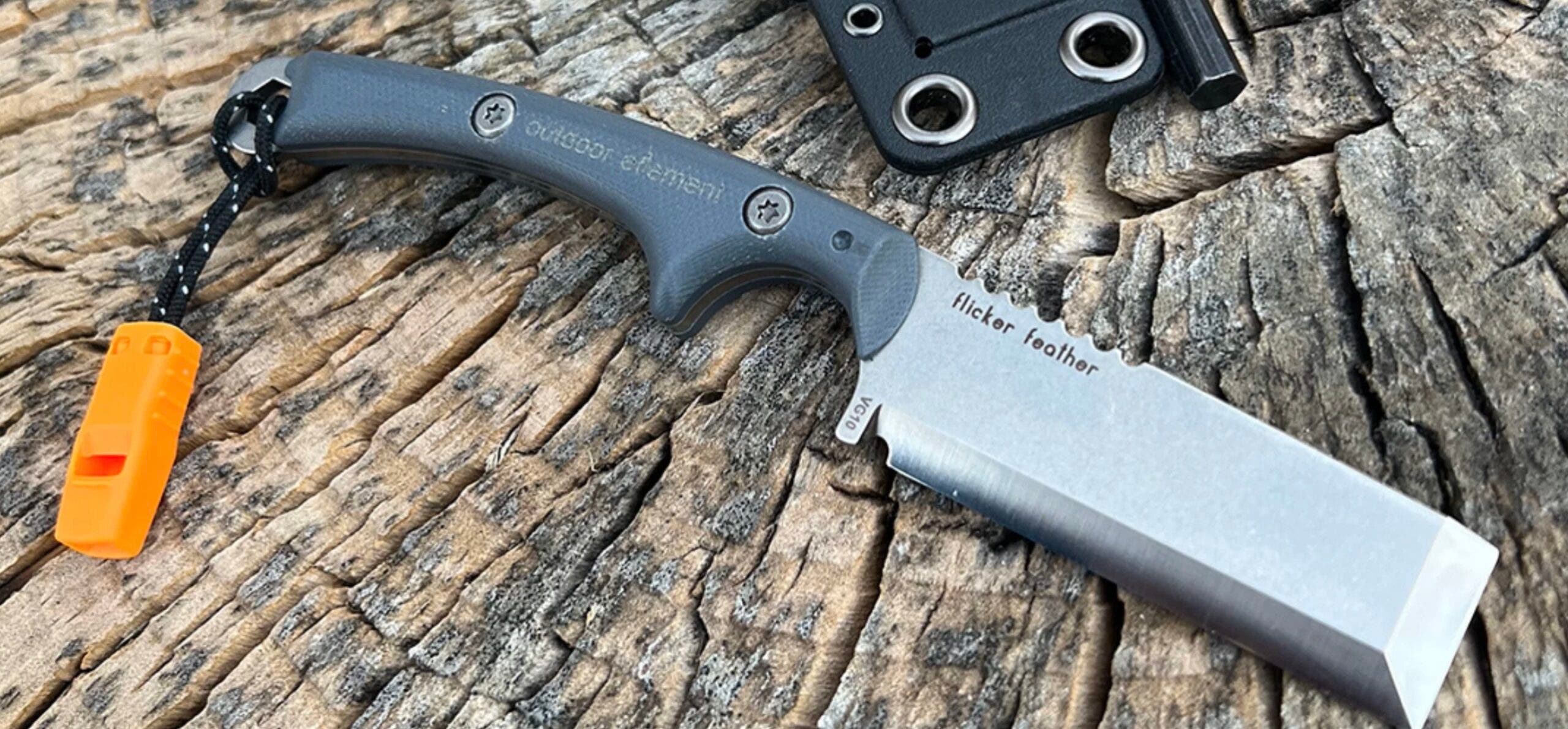
Priced at approximately $60, the Outdoor Element Flicker Feather has drawn analytical attention for redefining the conventional fixed-blade survival knife into what manufacturers designate as a "survival chisel." Evaluated extensively during the Wisconsin Ice Age Trail deployment, the tool introduces several mechanical departures from traditional outdoor cutlery.
Blade Architecture and Ergonomics
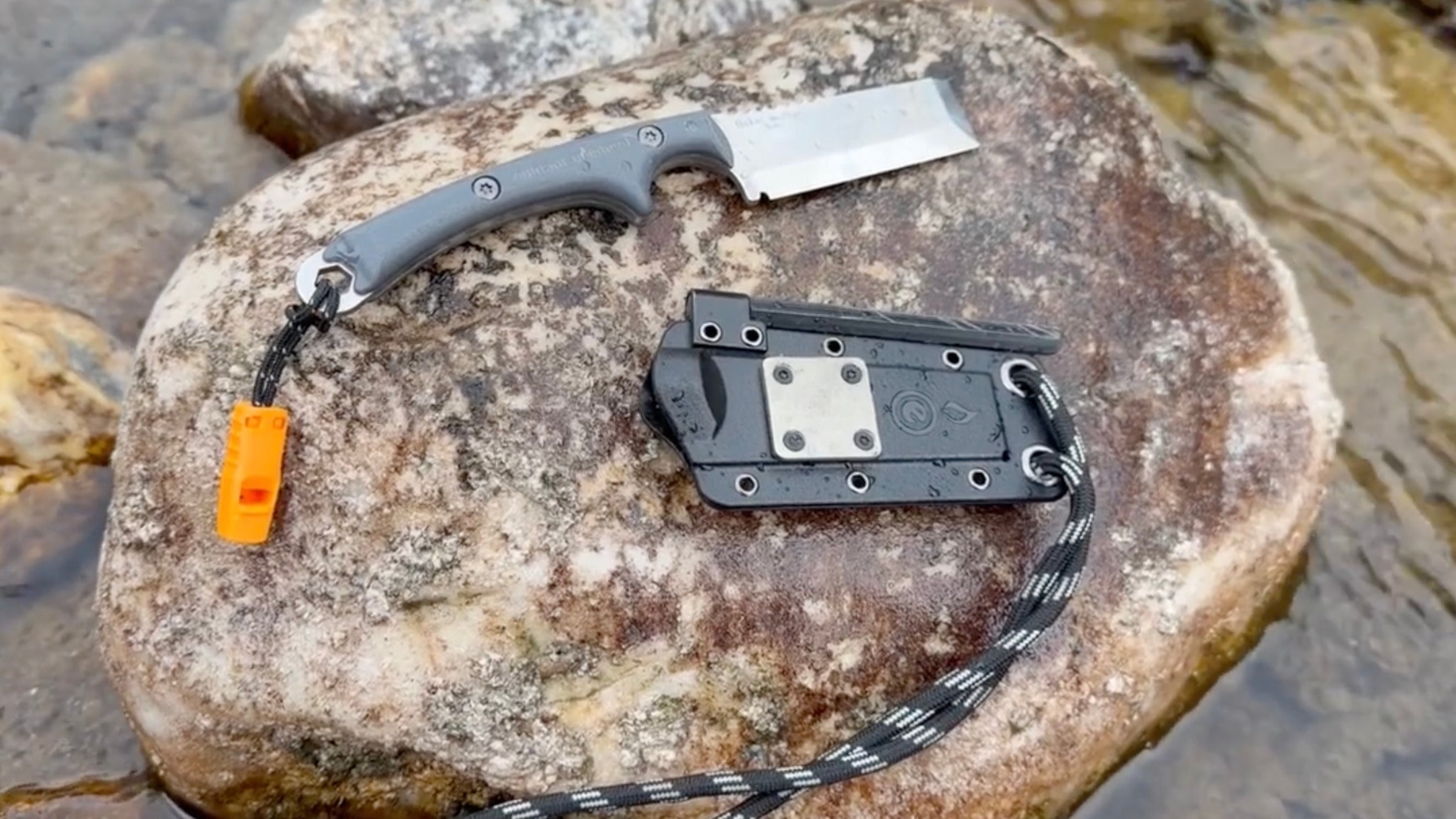
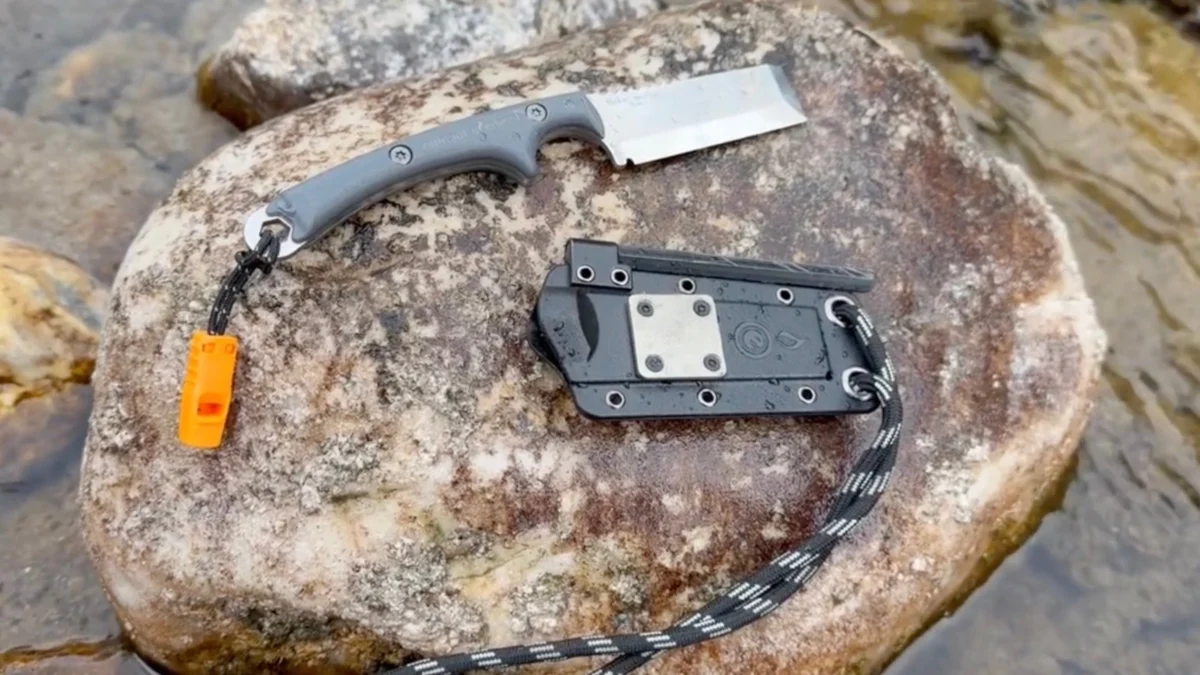
The core of the Flicker Feather is constructed from VG10 stainless steel, a material widely recognized in the cutlery industry for its balance of edge retention, corrosion resistance, and sharpening ease. However, the blade geometry diverges significantly from standard drop-point or clip-point designs. It features a flattened tip configuration that incorporates a second, perpendicular sharp edge, allowing users to perform specialized scraping, chiseling, and utility tasks that typically require secondary tools.
The handle incorporates advanced ergonomics designed to facilitate high-control, fine-motor blade movements, reducing hand fatigue during prolonged tasks such as feather-stick creation or gear repair. A notable ergonomic and manufacturing consideration is the single-bevel grind of the blade. Because the bevel faces only one direction, users must select a dedicated left-handed or right-handed variant of the knife, a factor that requires careful pre-purchase consideration.
Sheath Integration and Emergency Subsystems
Beyond the blade itself, field evaluations highlighted the engineering of the hard-plastic locking sheath as a critical safety and utility feature. The mechanism provides a secure, audible click-lock retention system designed to prevent accidental dislodgement during rigorous activity, such as scrambling or running.
The sheath and pommel integrate multiple survival sub-components:
- A heavy-duty metal belt and strap clip for versatile carry configurations.
- An integrated neck lanyard for rapid deployment.
- A built-in sharpening plate that allows users to hone the VG10 steel edge in the field without carrying separate whetstones.
- A ferrocerium (ferro) rod secured within the system to facilitate fire-starting independent of matches or lighters.
- A high-decibel survival whistle threaded through the knife’s pommel for emergency signaling.
At a retail price point of $60, industry analysts note that the Flicker Feather occupies a highly competitive niche, offering multi-use survival functionality at a fraction of the cost associated with bespoke bushcraft knives.
Paka Trail Crew Socks: Alpaca Wool Performance in Footwear Engineering
Footwear comfort remains a primary determinant of success in long-distance backpacking. During the September 2026 expeditions, Senior Editor Zoe Gates evaluated the Trail Crew socks manufactured by Paka, a brand known for utilizing sustainable South American fibers. Retailing at $25, these socks represent a technological shift away from traditional sheep-derived merino wool toward alpaca fiber integration.
Material Science and Thermoregulation
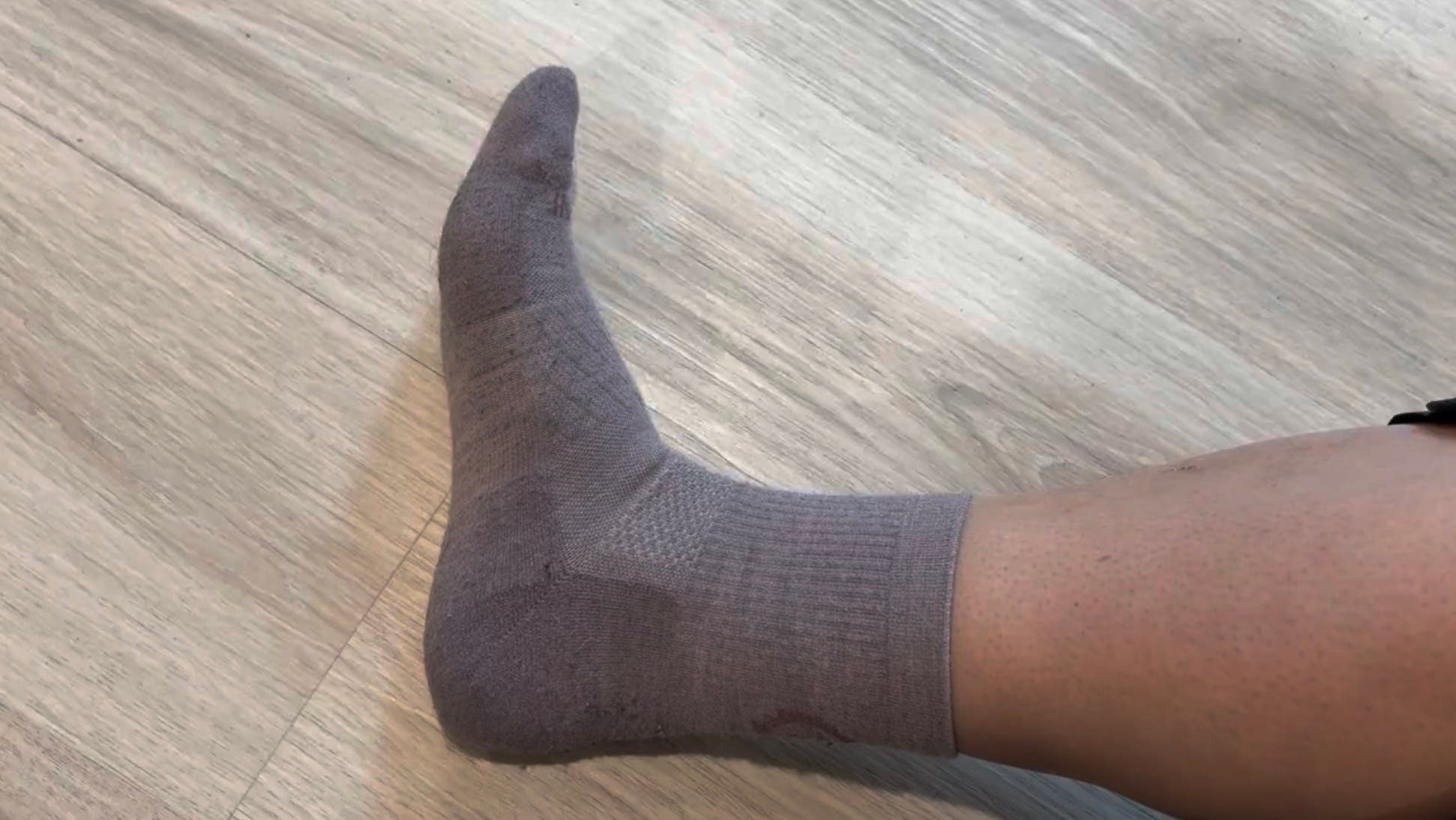
Alpaca wool possesses distinct biological properties that differentiate it from sheep’s wool. According to textile data provided by the manufacturer, alpaca fiber is structurally hollow, which enhances its thermoregulatory capacity while maintaining a reported weight reduction of up to three times compared to standard sheep’s wool of equivalent volume.
Field observations confirmed that the material offers exceptional tactile softness—often marketed as baby-soft—while retaining natural anti-microbial and anti-odor properties comparable to merino. Furthermore, the hollow-core fiber structure demonstrates reduced moisture retention, allowing the socks to dry significantly faster after river crossings, rain exposure, or heavy perspiration.
Construction and Durability Enhancements
The architectural design of the Trail Crew sock incorporates specific ergonomic zones to address common points of wear and foot fatigue during high-output activities such as trail running and fastpacking:
- Light compression zones across the arch provide continuous support, preventing the sock from bunching or migrating down into the footwear during extended descents.
- Extended heel cushioning reaches higher up the Achilles tendon than standard crew-cut configurations, mitigating friction against the stiff heel collars of modern trail running shoes and hiking footwear.
- Reinforced high-wear areas enhance structural longevity against repetitive abrasive forces.
Editors concluded that the combination of moisture management, targeted padding, and structural stability makes the Paka Trail Crew sock a high-value addition to both technical backcountry kits and daily athletic wear.
Buzz Bomb Caffeine Powder: Sublingual Delivery and Endurance Nutrition
Maintaining consistent cognitive focus and energy levels during alpine starts and prolonged journalistic fieldwork has driven outdoor athletes to explore alternative stimulant delivery methods. Editor-in-Chief Adam Roy tested Buzz Bomb Caffeine Powder, a product designed to bypass traditional liquid consumption models.
Mechanism of Action and Physiological Impact
Priced at $25 for a 20-packet supply, Buzz Bomb utilizes a flavored powder formulation engineered for sublingual absorption. Rather than mixing the product into water or consuming bulky canned energy drinks, users pour the 1-gram powder packet directly beneath the tongue, where it dissolves on contact.
Proponents of sublingual delivery systems suggest that mucous membrane absorption allows active compounds to enter the bloodstream more rapidly than gastric processing of liquid beverages, with the manufacturer claiming initial systemic effects within approximately one minute of administration. While formal clinical timing was not conducted during the field test, editors confirmed an expedient and sustained subjective elevation in alertness without the acute gastrointestinal heaviness often associated with consuming large volumes of liquid before strenuous exertion.
Nutritional Profile and Operational Implications
A central challenge in endurance nutrition is the regulation of stimulant intake to prevent physiological crashes or jitteriness. Standard commercial energy drinks frequently contain high concentrations of caffeine, ranging from 150mg to 300mg per serving. In contrast, each 1-gram packet of Buzz Bomb delivers a controlled dose of 50mg of caffeine—roughly equivalent to a single standard cup of black tea.
Available in palatable flavor profiles such as Lemon Drop and Peach Mango, the product addresses weight and space optimization in backcountry packs by eliminating the need for liquid containers, mixing vessels, or heavy packaging. While the method of consumption introduces a novel behavioral routine for traditional backpackers, field evaluations indicate that sublingual stimulants offer a viable, highly portable alternative for managing fatigue during high-output alpine conditions.
Broader Impact and Market Implications
The gear evaluations conducted by Backpacker magazine in September 2026 highlight broader manufacturing trends within the outdoor industry. As consumers increasingly prioritize multi-functional tools, sustainable and alternative natural fibers, and weight-minimized nutrition systems, brands are responding with specialized equipment that challenges conventional design standards.
The integration of survival-centric sheaths into sub-$100 cutting tools, the commercial viability of alpaca wool in technical apparel, and the adoption of sublingual delivery mechanisms in endurance nutrition collectively demonstrate a continuous push toward efficiency and performance optimization. As these products transition from field-testing protocols to mainstream consumer availability, they are expected to influence purchasing preferences throughout the 2027 outdoor recreation season.