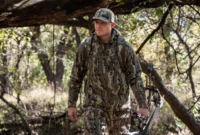
As the 2026 hunting season progresses, hunters across North America are facing an increasingly volatile climate. From the lingering heat of September upland and archery deer seasons to the unpredictable, oscillating temperatures of the spring turkey and light goose window, modern sportsmen require versatile gear capable of adapting to rapid environmental shifts. In response to these challenges, a rigorous testing cycle involving over 40 new apparel and footwear products was conducted to evaluate performance in conditions ranging from 90-degree heat to sub-zero arctic winds.
The primary objective of this testing was to identify gear that excels in thermoregulation, breathability, and durability. As climate patterns become less predictable, the traditional reliance on static, heavy garments has waned, replaced by an industry-wide shift toward modular, multi-layered systems.
Chronology of Testing and Environmental Scope
The 2026 field testing phase spanned six months, commencing with early-season archery hunts in the Midwest and concluding with late-season expeditions in the interior regions of Alaska. Eight testers, including veteran outdoor writers and experienced big-game hunters, documented performance across diverse biomes, including the Nebraska Sandhills, Wisconsin national forests, and the rugged terrain of New Mexico.
This year’s update saw the introduction of four distinct categories of gear to the testing registry: advanced ponchos, lightweight softshell jackets, performance liner gloves, and high-density technical socks. The data gathered suggests that while high-end technical gear remains a significant financial investment, the longevity and functional versatility of these items often yield a lower cost-per-use ratio for frequent hunters.
Performance Analysis: Top-Tier Field Apparel
Forloh Allclima Waterproof Packable Rain Poncho
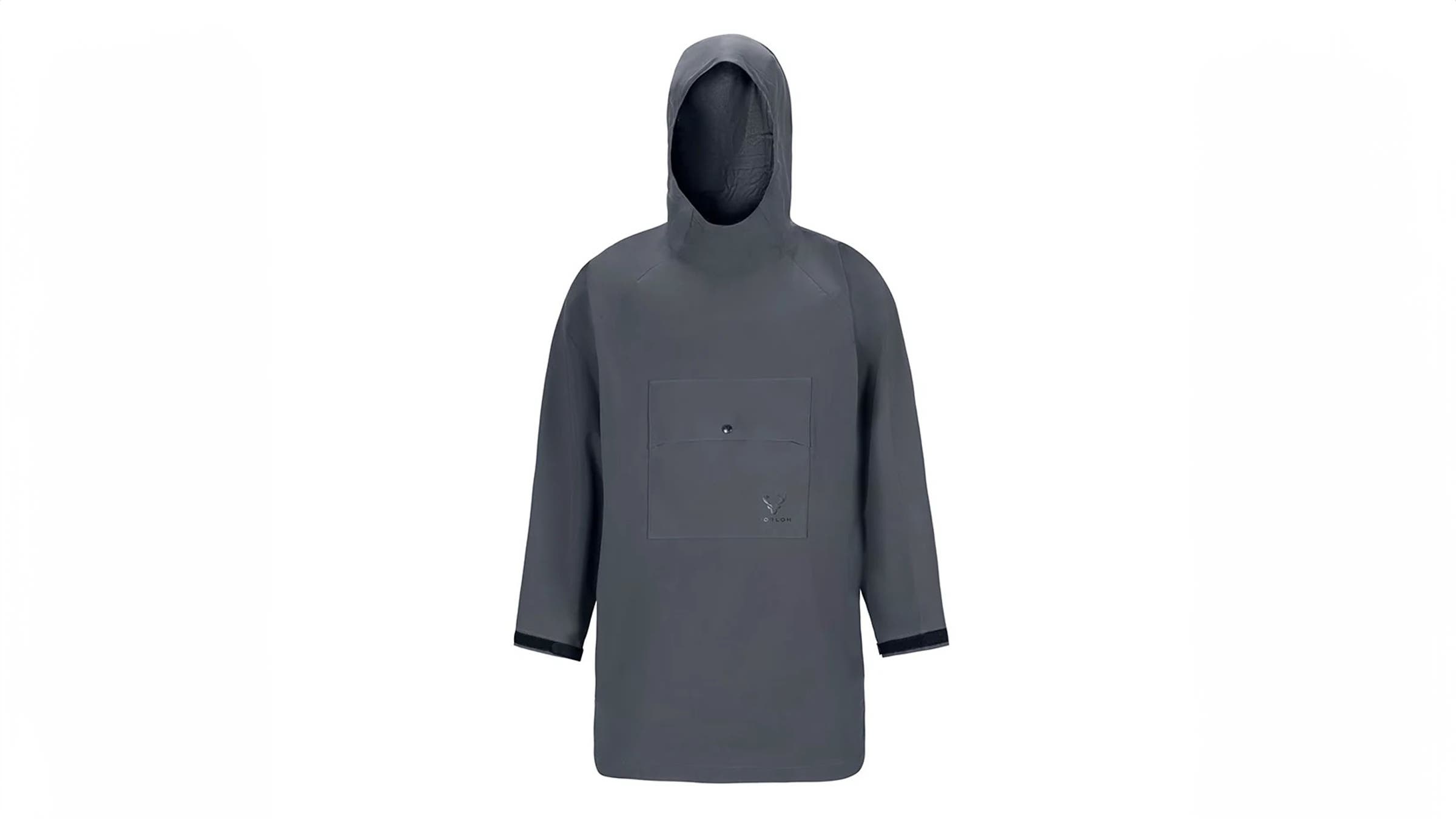
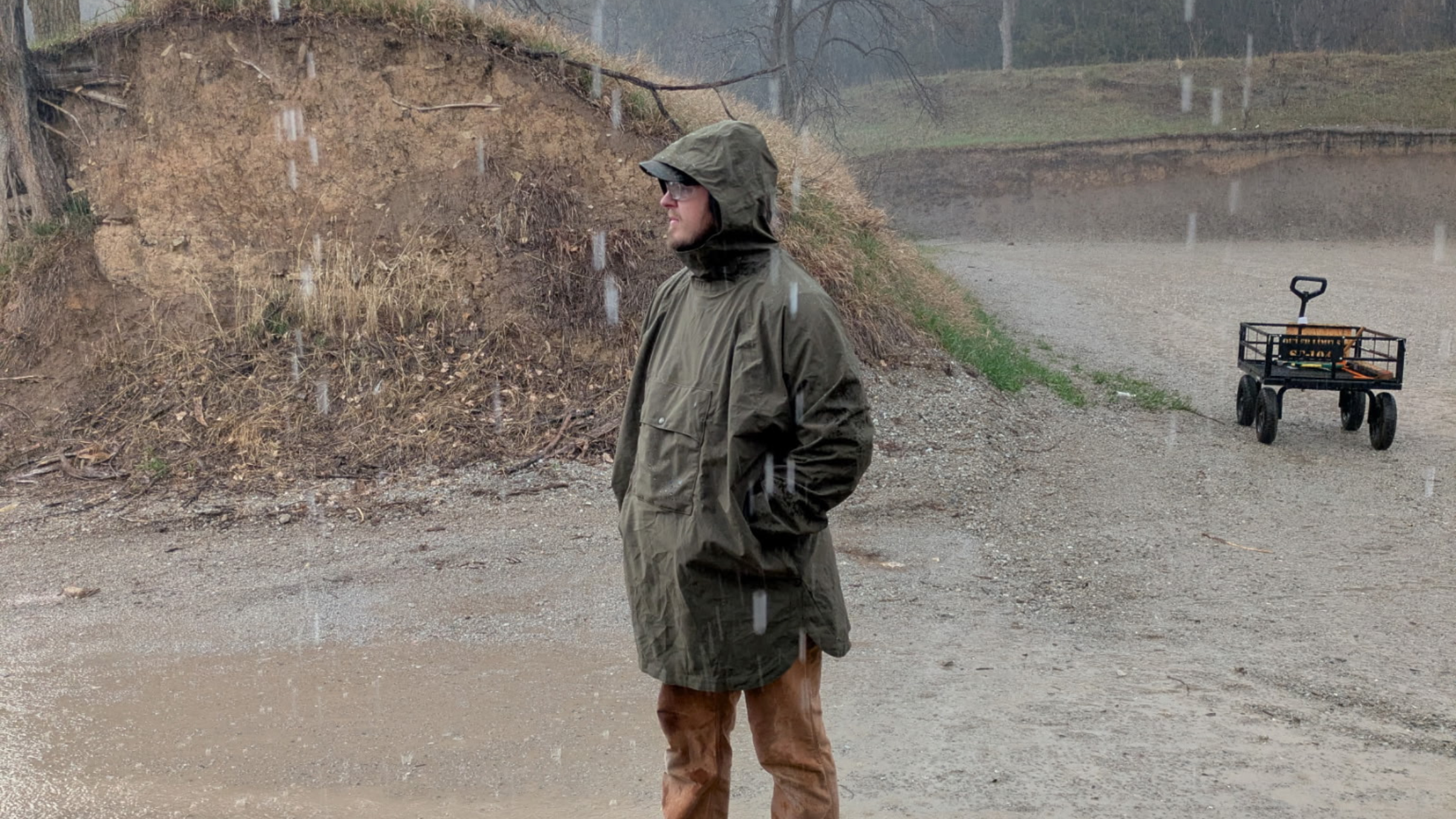
In scenarios requiring immediate weather protection, the Forloh Allclima Waterproof Packable Rain Poncho demonstrated superior utility. Unlike traditional, disposable-style ponchos that often fail under mechanical stress, this three-layer waterproof membrane features taped seams and military-grade, tear-resistant fabric. Testing during sustained spring rain showers confirmed that the poncho remains breathable while providing a complete barrier against moisture. Its design allows for significant airflow, preventing the "suffocation" effect common in inferior materials. While the neck opening remains a point of contention for users with larger frames, its ability to pack into a small, pillow-sized volume makes it an essential contingency item for unpredictable climates.
Sitka Jetstream LT Jacket
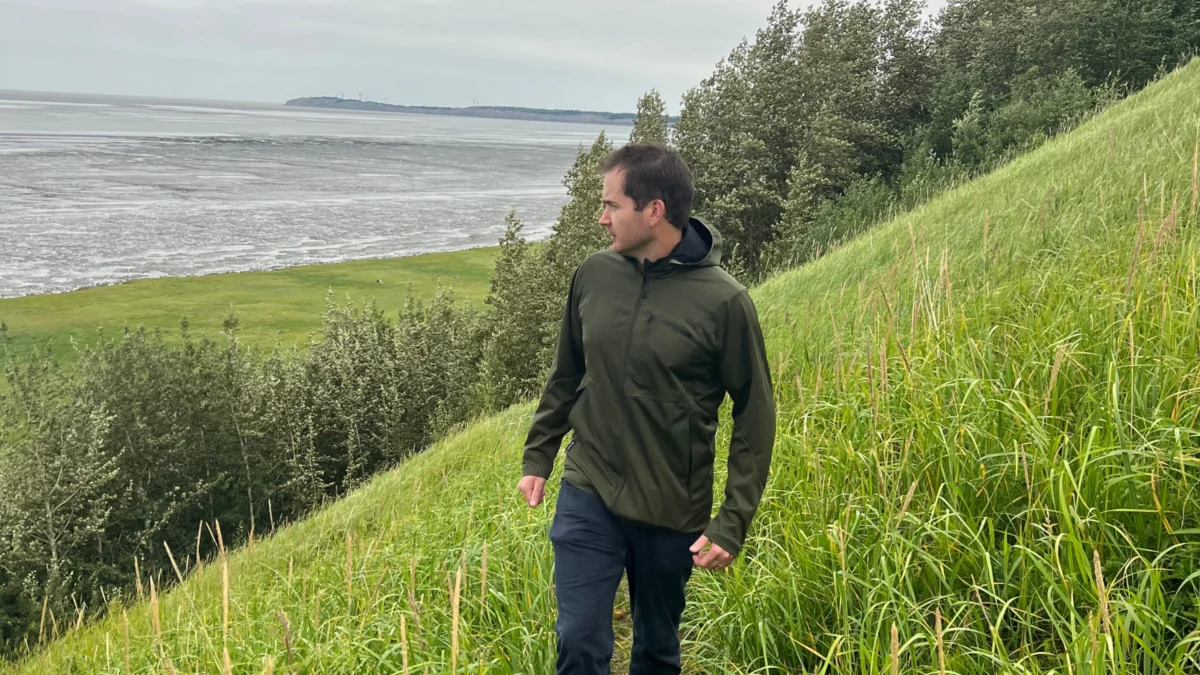
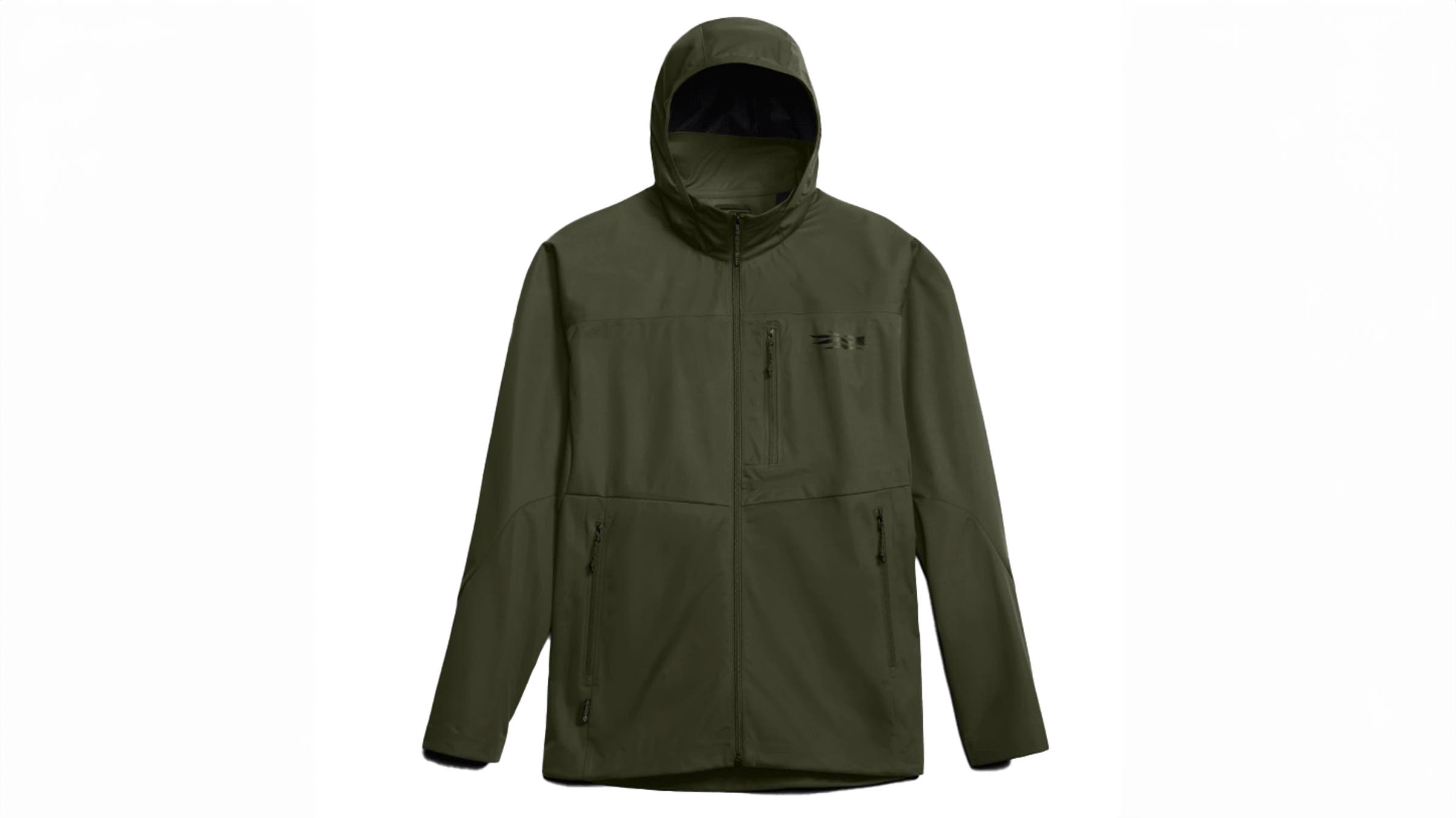
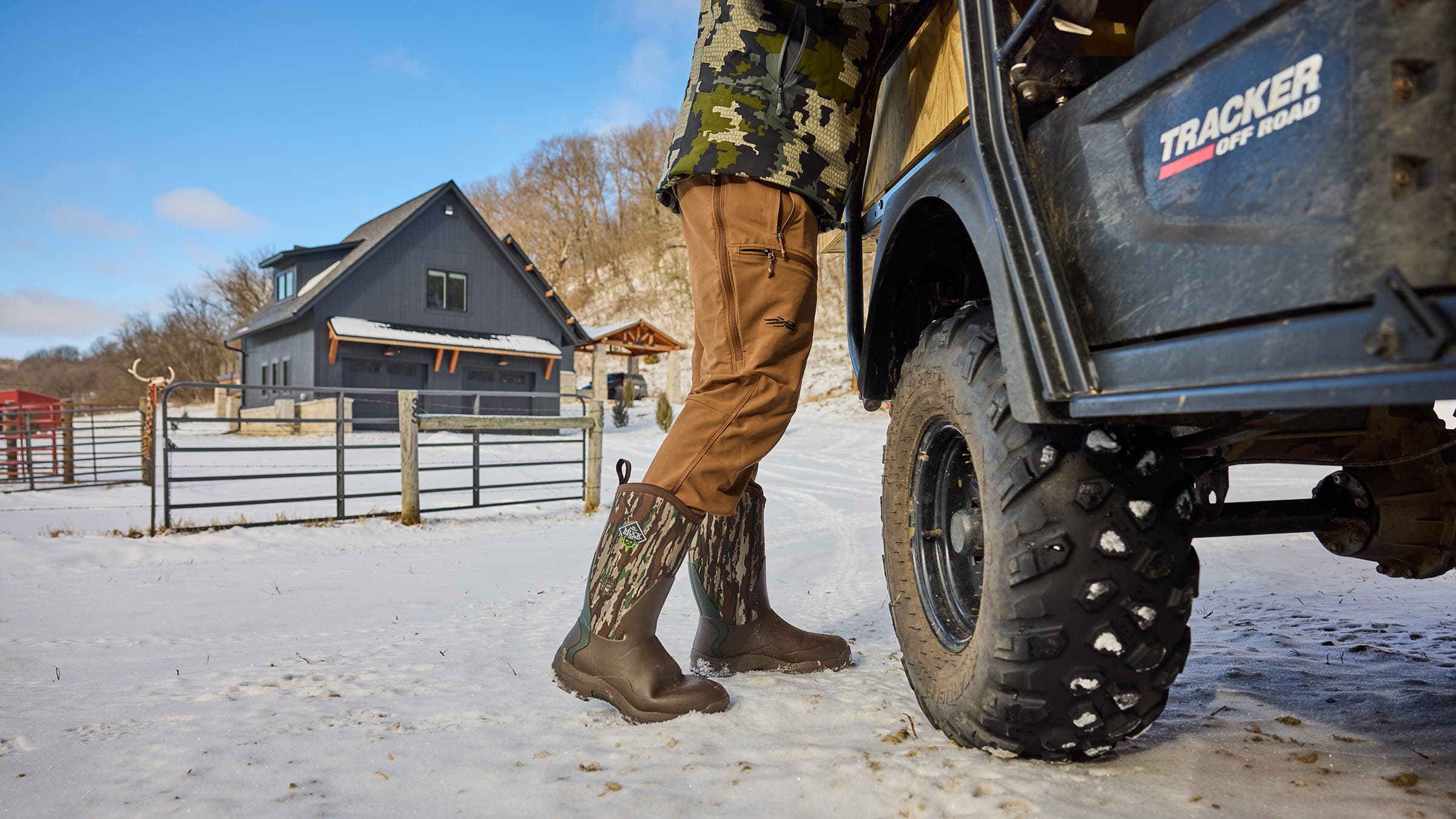
For the early-to-mid-season hunter, the Sitka Jetstream LT Jacket offers a specialized solution for high-wind environments. Constructed with a tightly-knit polyester face, the jacket effectively blocks 25-mph winds while maintaining a silent, non-plasticky texture. Although the jacket is marketed as a lightweight option, its weight of 13.6 ounces and its bulk when compressed suggest it is best suited for stationary hunting in a tree stand rather than long-distance mountain trekking. While it provides excellent wind resistance, testers noted that water-resistance wanes after approximately 25 minutes of direct, heavy exposure, indicating it should be paired with a dedicated rain shell in extreme weather.
Chêne Izembek Liner Glove
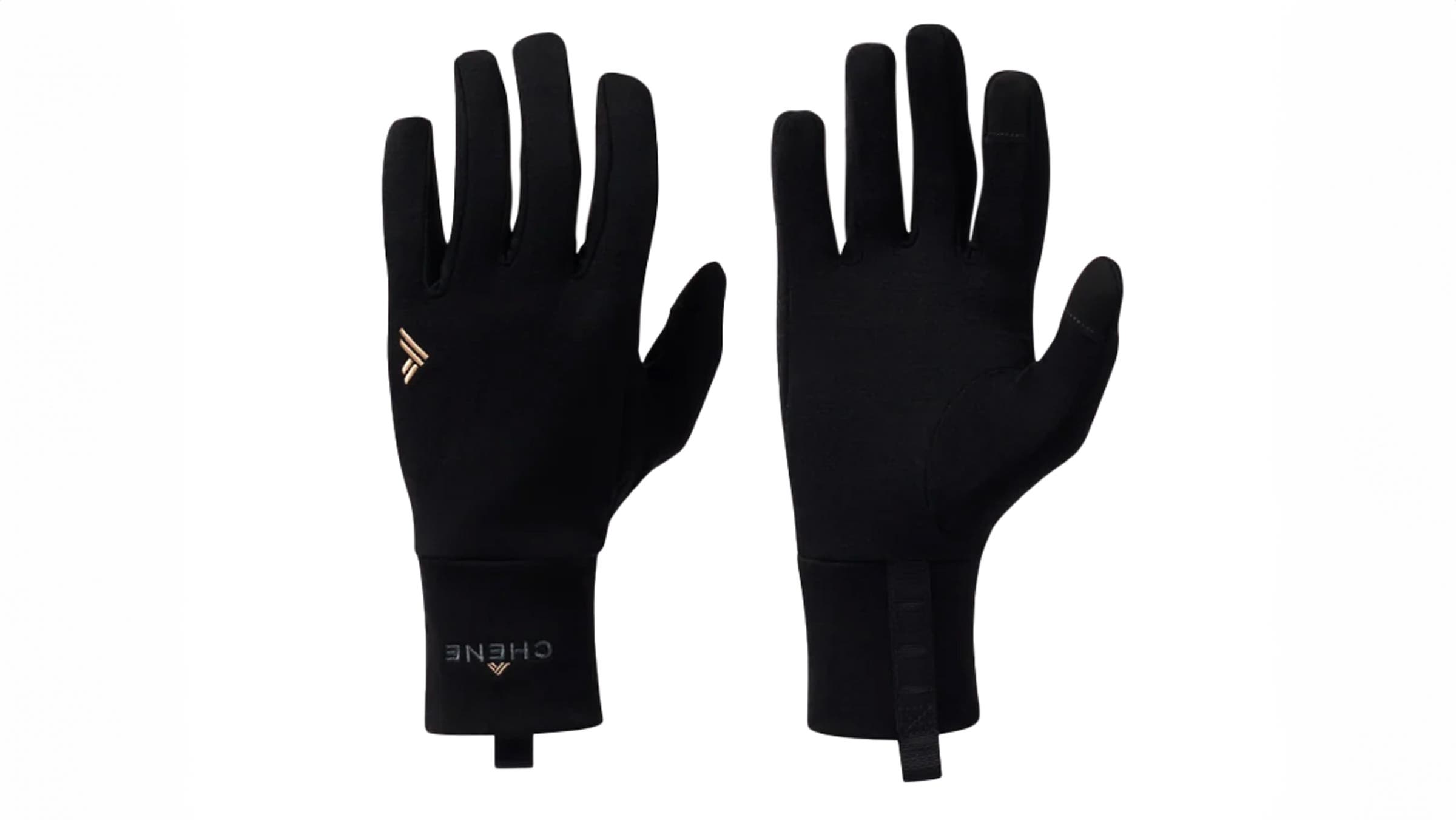
Dexterity remains a critical requirement for modern hunting. The Chêne Izembek Liner Glove was evaluated for its ability to maintain tactile control during weapon operation. Composed of a durable wool blend, these gloves provided adequate insulation during sub-40-degree conditions while remaining thin enough to serve as a base layer under heavier insulated mittens. The touchscreen compatibility on the index and thumb functioned reliably throughout the testing period, though the grip surface on the palm was noted as overly slick. Future iterations are expected to address this by integrating textured patterns to improve weapon retention.
Infrastructure and Durability: The Role of Technical Pants
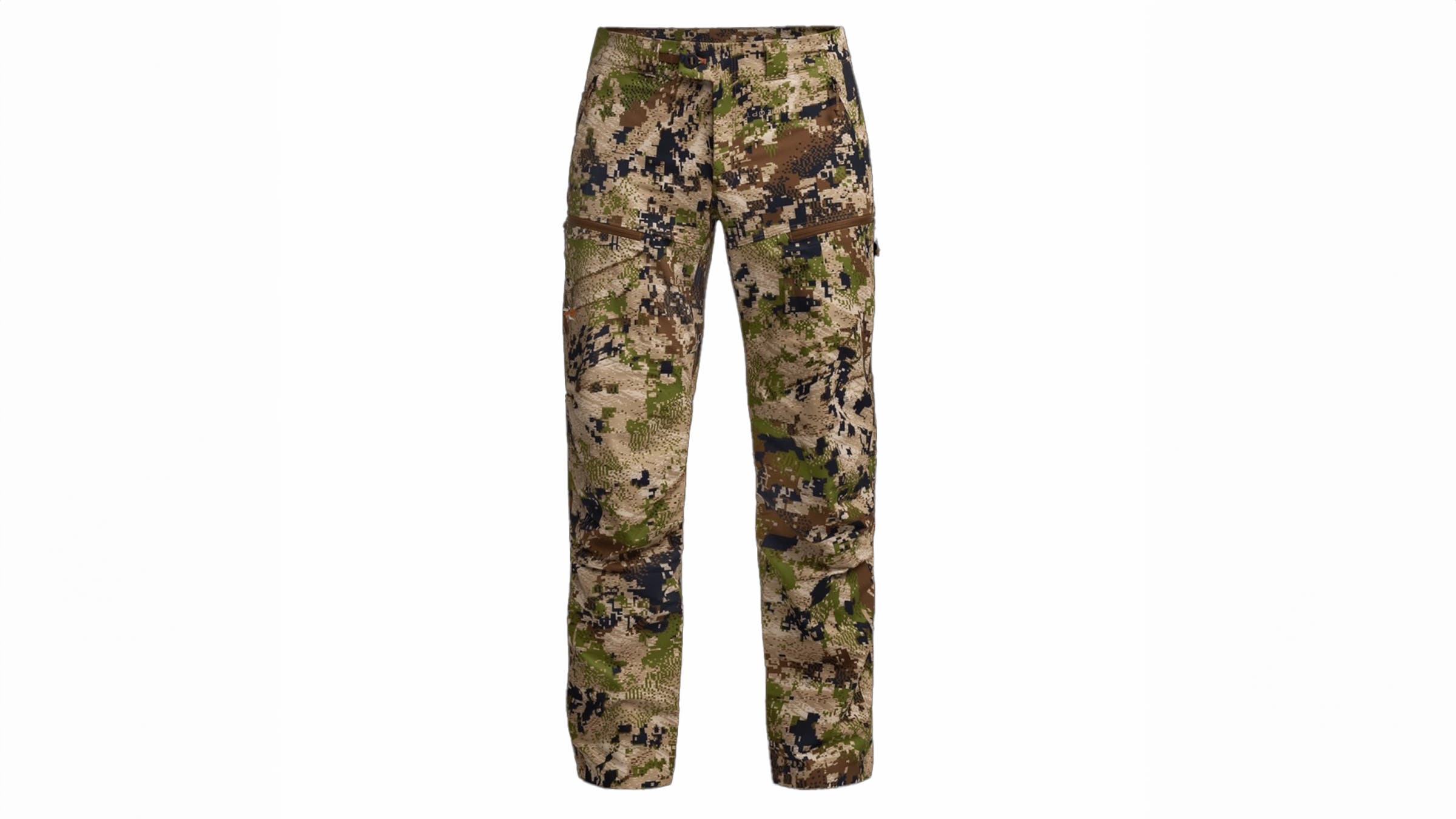
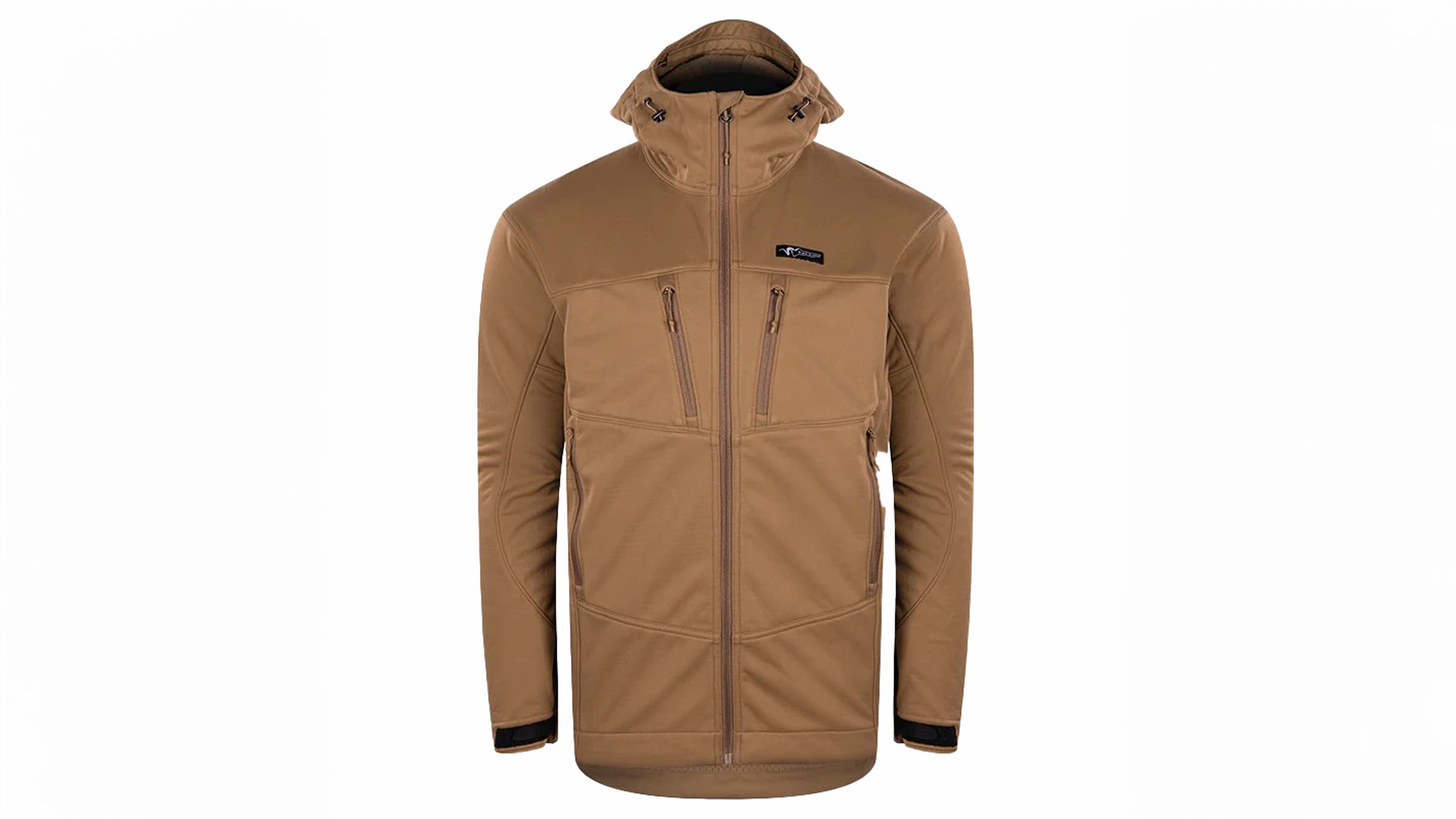
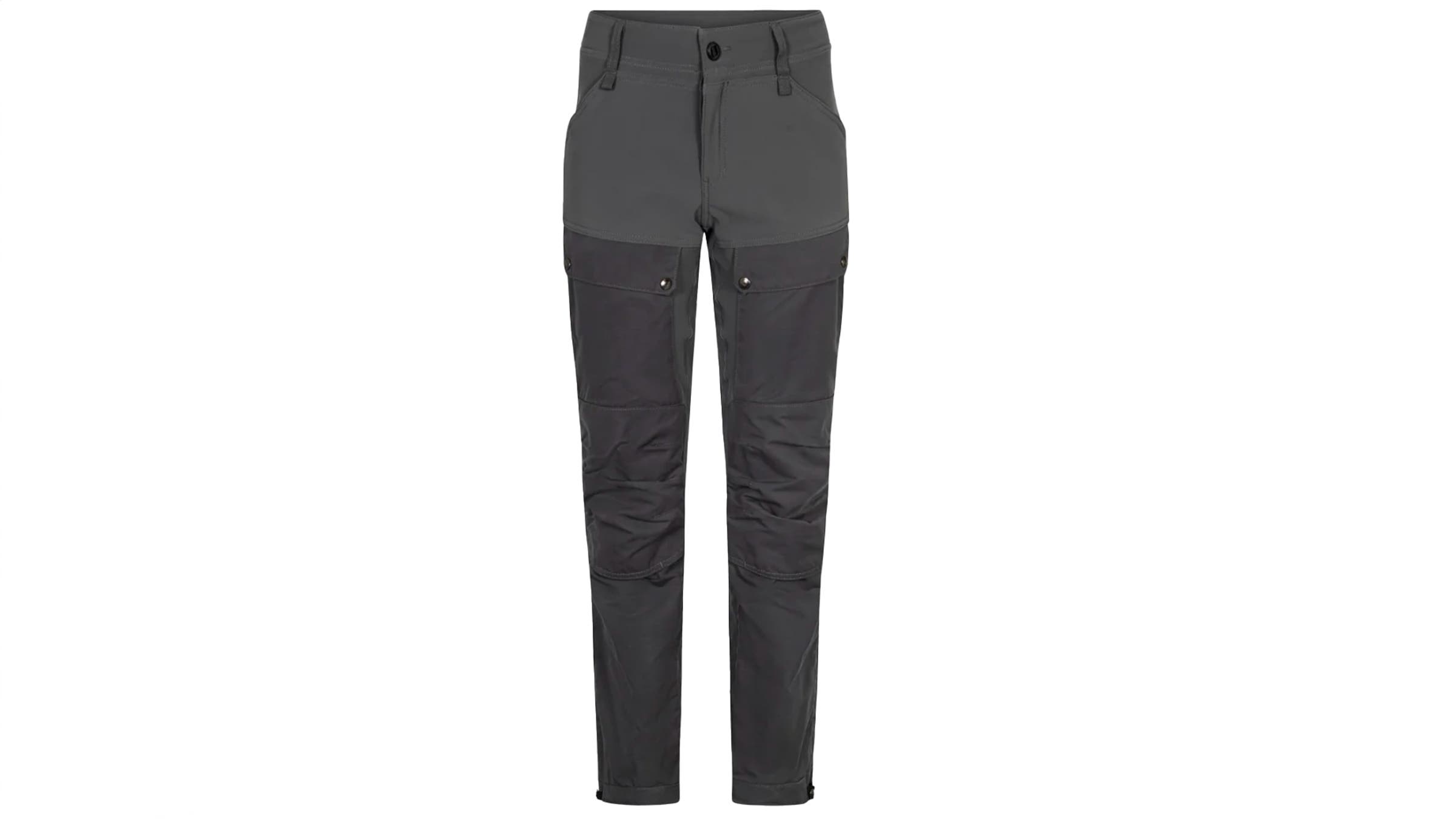
The industry has moved toward integrating advanced materials into legwear to combat abrasive vegetation and sharp terrain. The Sitka Men’s Endure Pant represents this trend, utilizing a double-weave polyester that proved resilient against blackberry canes, briars, and sharp branches in the Wisconsin wilderness. By incorporating zippered hip vents and reinforced knife pockets, the design prioritizes high-output activity.
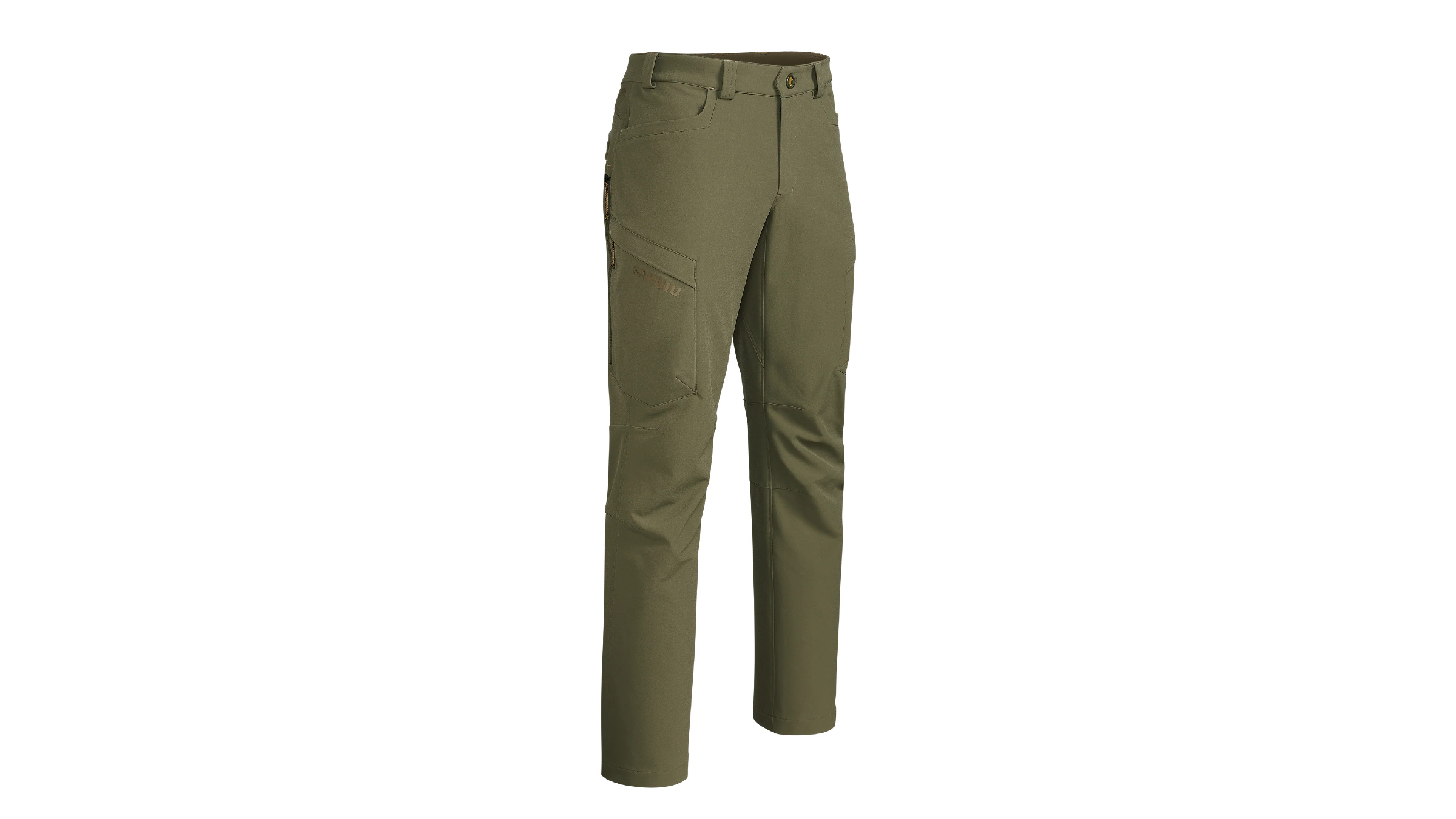
Similarly, the Sitka Women’s Ascent Pant utilized Cordura nylon to provide a lightweight, four-way stretch fit that resisted snagging in dense upland cover. The use of odor-control technology in these garments is becoming an industry standard, reflecting the demand for apparel that can be worn for multiple days without requiring a wash.
Footwear and Foundation: The Meindl EuroLight Hunter 300
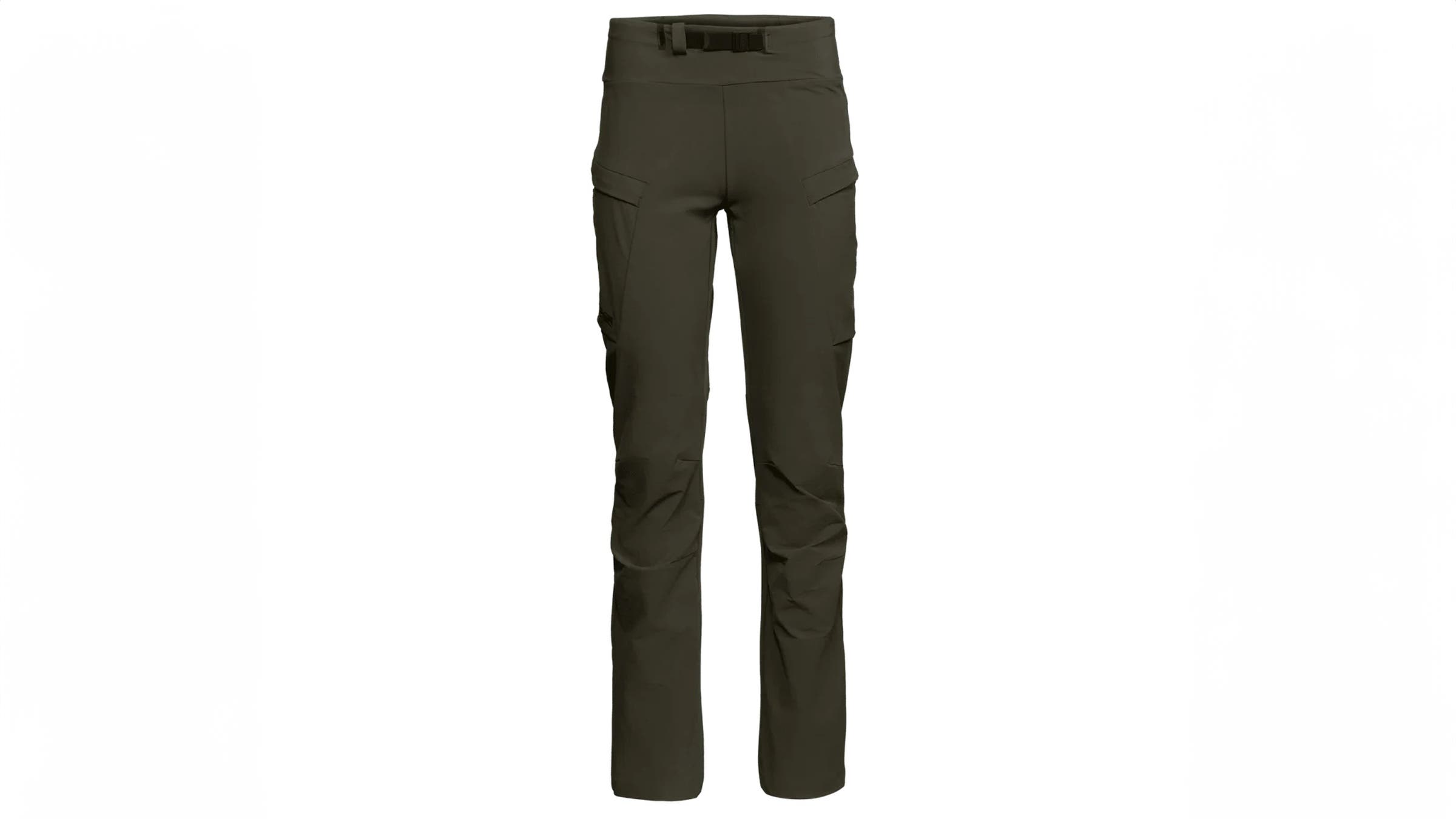
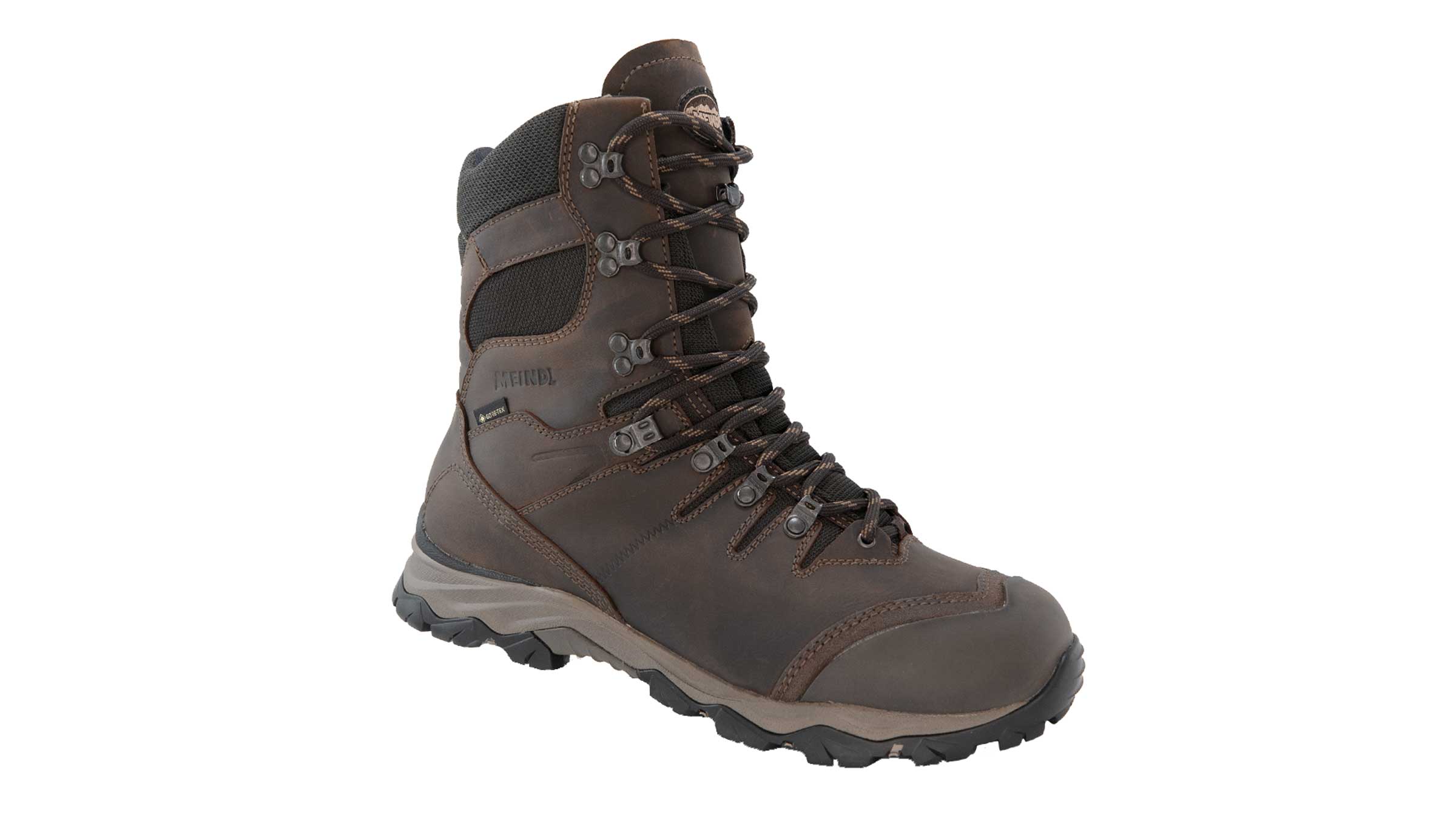
Footwear remains the most critical investment for the mobile hunter. The Meindl EuroLight Hunter 300 was subjected to over 25 days of intensive use, ranging from trekking in New Mexico to post-holing through snow in Alaska. Featuring 300 grams of synthetic insulation, the boot successfully balanced warmth with breathability. The primary finding from this testing is that while leather requires a longer drying time after saturation, the stability provided by the nine-inch supportive upper is superior to synthetic alternatives for hunters carrying heavy packs over uneven ground.
Economic and Strategic Considerations
Industry experts advise that while premium, high-tech gear is beneficial, it is not a substitute for field craft or shooting proficiency. For those entering the sport, the recommendation is to prioritize functional base layers over expensive camouflage patterns. As noted in the testing findings, natural, muted colors are often sufficient for the majority of hunting scenarios, particularly when utilizing a ground blind.
The economic reality of the current hunting market is that mid-tier products from established retailers like Bass Pro Shops or Cabela’s remain highly viable for the novice. However, for those committed to long-term participation, the transition to high-end apparel—such as the gear tested in this report—is justified by the durability and the advanced moisture-management capabilities that define top-tier synthetic and natural fiber blends.
Safety and Regulatory Compliance
A critical component of any hunting preparation remains the adherence to state-specific hunter orange requirements. The necessity of high-visibility gear cannot be overstated as a safety measure. Hunters are encouraged to consult official state resources, such as the Hunter-Ed regulatory database, to ensure compliance with local statutes regarding blaze orange percentages and placement.
Summary of Future Implications
The trajectory of hunting apparel development for 2027 and beyond is likely to focus on three key areas:
- Hybridization: Integrating more advanced, lightweight synthetic insulation into breathable, windproof shells.
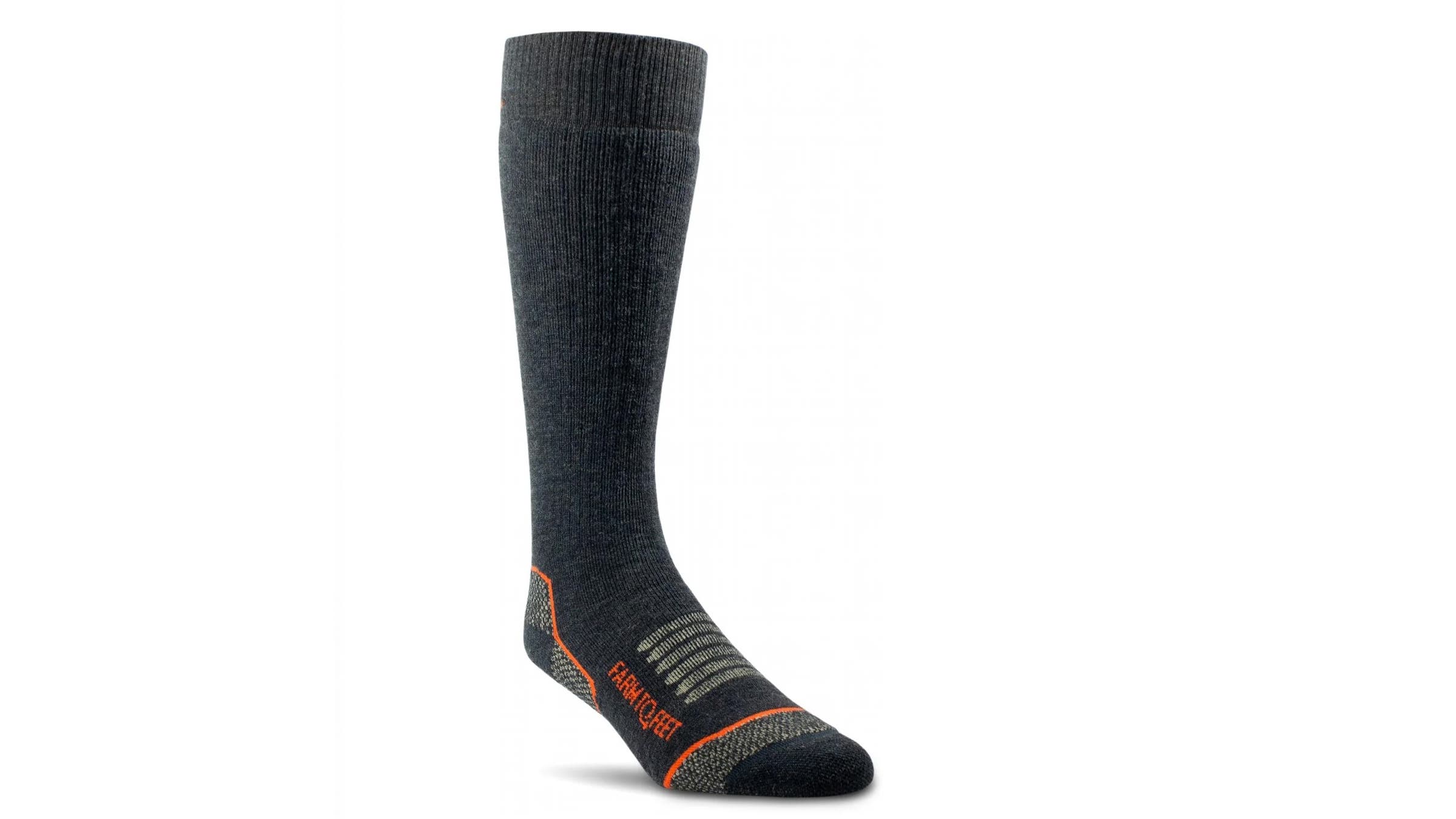
- Sustainability: Increasing the use of responsibly sourced wool and recycled nylon, as evidenced by the performance of the Farm to Feet Ely socks.
- Refined Ergonomics: Adjusting fits to better accommodate a broader range of body types, specifically addressing the sizing inconsistencies noted in women’s brush pants.
As the environment continues to shift, the reliance on high-performance gear that can transition from the sweltering heat of a late-summer scout to the brutal cold of a late-season hunt will remain the benchmark for success. The gear tested this season demonstrates that while no single piece of apparel is perfect for every condition, the modern modular system—when properly understood and applied—provides the highest degree of protection and comfort currently available to the American hunter.