The landscape of portable gaming has dramatically shifted in 2025, spearheaded by the arrival of Nvidia’s groundbreaking GeForce RTX 50 series GPUs. This new generation of graphics processing units, alongside advanced AI-enabled CPUs from Intel and AMD, is ushering in an unprecedented era of performance, visual fidelity, and efficiency for gaming laptops. While comprehensive testing across all models is ongoing, early contenders equipped with these potent new GPUs are already distinguishing themselves, joining an elite cadre that also includes high-performing RTX 40 series machines which continue to offer exceptional value. These cutting-edge laptops are meticulously engineered to deliver seamless gameplay for the most demanding AAA titles, ensuring an immersive experience regardless of a gamer’s budget, with options ranging from budget-friendly powerhouses to premium, no-compromise systems.
The New Frontier: Nvidia’s RTX 50 Series and AI Integration
The 2025 market is defined by Nvidia’s GeForce RTX 50 series, likely built on the "Blackwell" architecture, promising significant generational leaps in raw performance, ray tracing capabilities, and AI-powered features like DLSS 4. This new architecture is designed to handle increasingly complex game environments and graphical demands, pushing the boundaries of what’s possible in a portable form factor. Complementing these powerful GPUs are the latest processors, such as Intel’s Core Ultra and AMD’s Ryzen AI 9 series. These CPUs, with their integrated Neural Processing Units (NPUs), are not only enhancing general productivity and creative tasks but are also beginning to play a role in optimizing game performance, potentially offloading AI workloads and improving overall system responsiveness. The synergy between these advanced GPUs and AI-centric CPUs marks a pivotal moment, enabling gaming laptops to deliver desktop-class performance while exploring new frontiers in intelligent computing.
Leading the Charge: Top Gaming Laptops of 2025
MSI Raider 18 HX AI: The Apex Predator
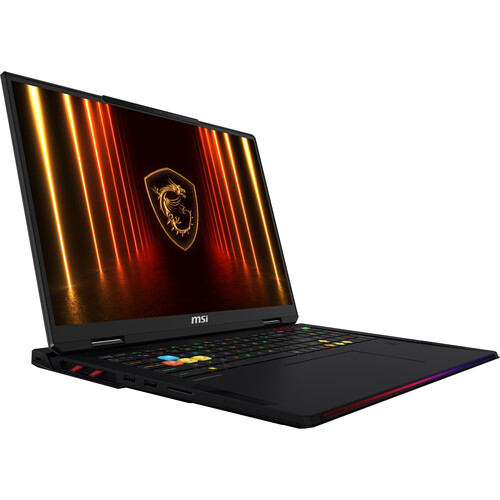
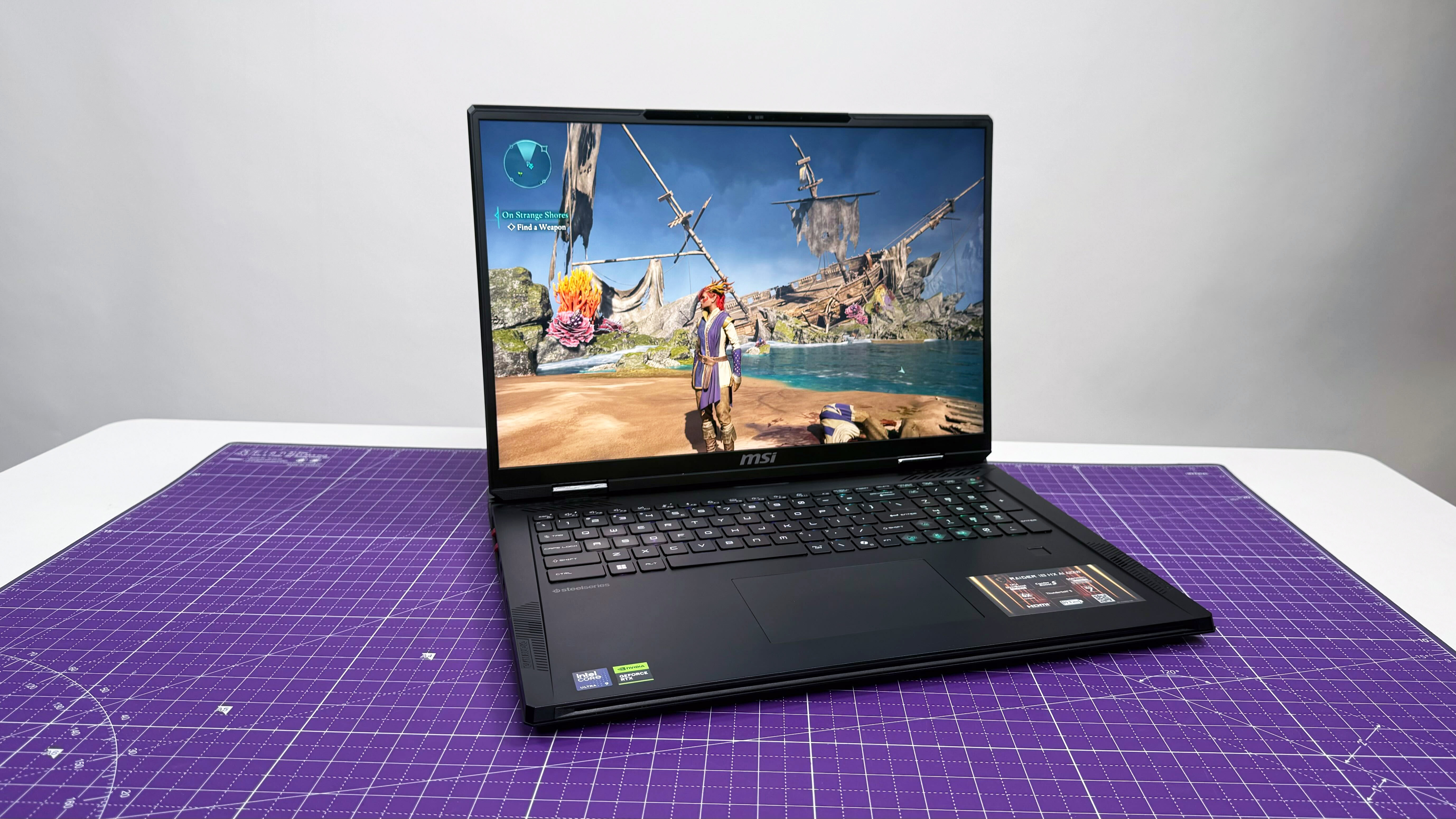
At the pinnacle of current gaming laptop innovation stands the MSI Raider 18 HX AI. This machine is a testament to unbridled power and visual excellence, featuring an Intel Core Ultra 9 285HX CPU and an Nvidia GeForce RTX 5080 GPU with a substantial 16GB of VRAM. This configuration ensures that even the most graphically intensive titles run flawlessly at high settings. Beyond raw power, its 18-inch 4K MiniLED display, boasting a 120Hz refresh rate, is a key differentiator. MiniLED technology offers superior contrast, deeper blacks, and exceptional brightness (averaging 668 nits), creating a vibrant and immersive visual experience that rival systems struggle to match. Laptop Mag’s expert reviewers highlighted this, stating, "For a premium desktop replacement laptop like the Raider, the miniLED panel is more than just a utility feature; it’s a key selling point." The Raider 18 HX AI’s performance is evident in benchmarks, achieving 153 frames per second (fps) in Assassin’s Creed: Mirage (Ultra, 1080p) and a solid 64 fps in Cyberpunk 2077 (Ultra, 1080p), showcasing its capacity to handle demanding scenarios. A responsive, full-size keyboard and powerful, high-fidelity audio further elevate the user experience. While its premium specifications come with a significant price tag and a battery life of approximately 2 hours and 33 minutes for general use (1 hour 46 minutes for gaming), the MSI Raider 18 HX AI is unequivocally positioned as the ultimate choice for gamers seeking uncompromising performance and a stunning display.
Razer Blade 16 (2025): Power Meets Portability
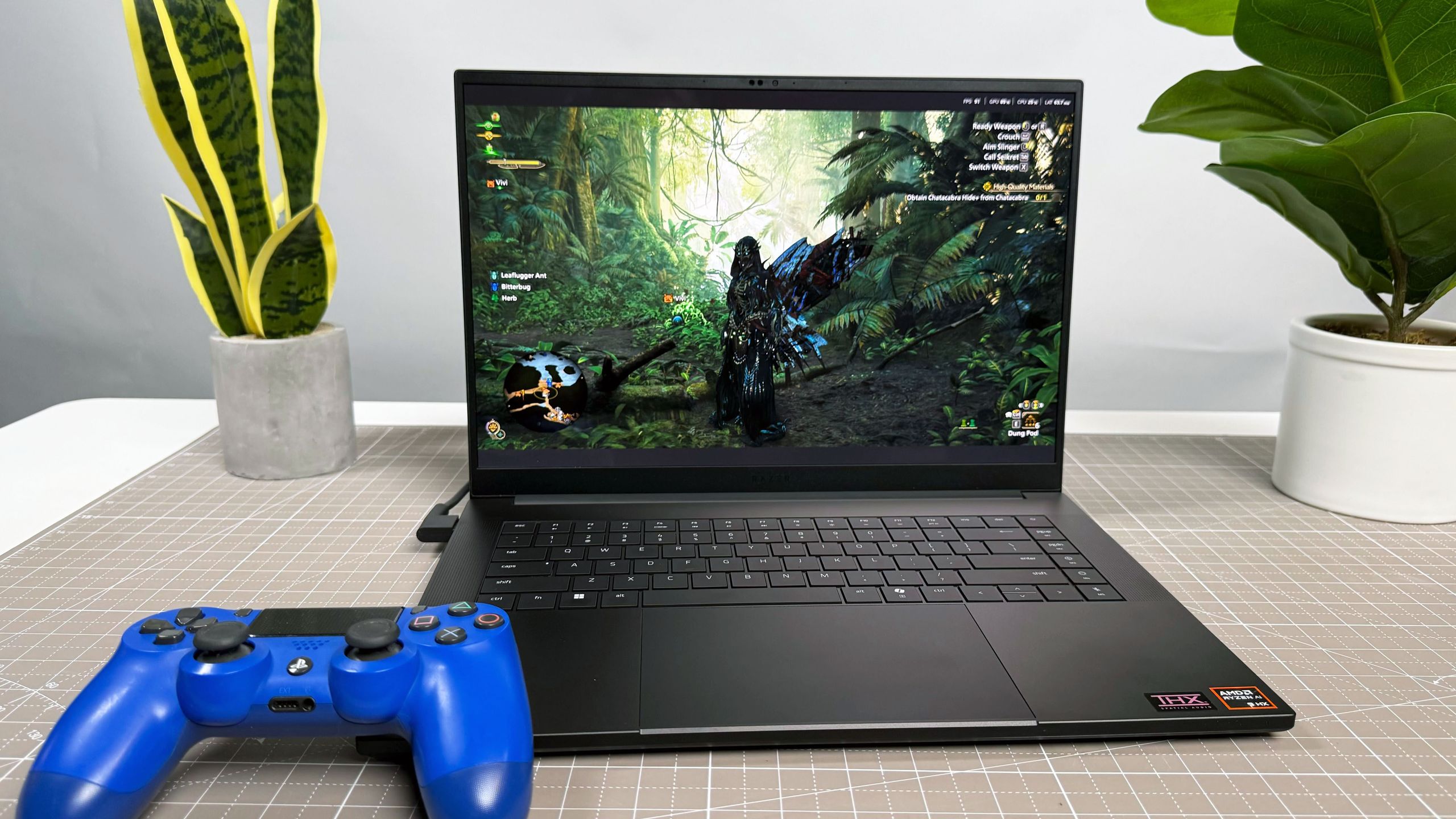
Razer has long been synonymous with premium, thin-and-light gaming machines, and the 2025 Razer Blade 16 continues this legacy, now enhanced with an AMD Ryzen AI 9 HX 370 CPU and an Nvidia RTX 5090 GPU featuring a colossal 24GB of VRAM. This configuration delivers formidable performance, allowing the Blade 16 to slice through frame rates with remarkable ease. In Red Dead Redemption II, it achieved 87 fps, significantly outperforming its RTX 4090 predecessor. What truly sets this laptop apart is its ability to pack such high-end components into a sleek, portable chassis weighing just 4.6 pounds, without sacrificing crucial features. Its 16-inch 2560 x 1600 OLED display, with a 240Hz refresh rate, offers an intense 144.6% DCI-P3 color gamut and 372 nits of brightness, providing stunning visuals that rival even MiniLED panels. Adding to its appeal is an impressive battery life of over 7 hours for web surfing (2 hours 28 minutes for gaming), an exceptional feat for a laptop with a top-tier GPU, greatly enhancing its versatility for users on the go. While its price point of $4,499 for the reviewed configuration is a substantial investment, the Razer Blade 16 (2025) offers an unparalleled blend of power, portability, and premium features, albeit with some thermal challenges under heavy load.
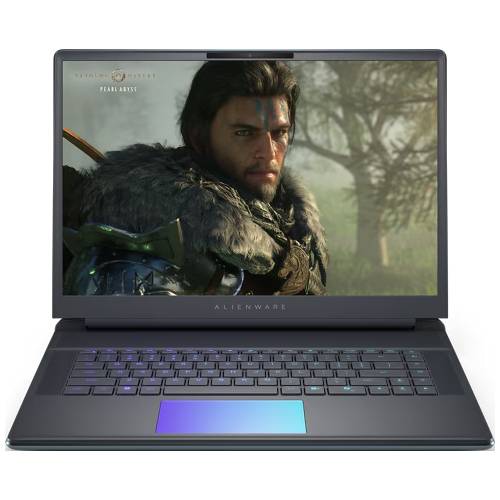
Alienware 16 Area-51: Blending Aesthetics with Raw Power
Alienware continues to push design boundaries, and the 2025 Alienware 16 Area-51 stands out as the most aesthetically striking gaming laptop of the year. Its sci-fi-inspired design, highlighted by a captivating light bar on the hinge that evokes an aurora borealis, coupled with extensive RGB lighting across the keyboard, touchpad, and fans, delivers a visual spectacle. Beyond its head-turning looks, the Area-51 is a formidable performer, powered by an Intel Core Ultra 9 275HX processor and an Nvidia GeForce RTX 5080 16GB GPU. This potent combination enables it to achieve stellar frame rates, such as 149 fps in Assassin’s Creed Mirage and 121 fps in Far Cry 6, often outperforming even some RTX 5090-equipped rivals in specific benchmarks. Its general performance, evidenced by a Geekbench 6 score exceeding 20,000, places it among the elite. The mechanical keyboard offers a satisfying typing experience, and the solid speakers provide immersive audio. However, its 16-inch LED display, while exceptionally bright at 516 nits, covers 81.6% of the DCI-P3 color gamut, falling short of the vividness offered by OLED panels. Weighing 7.13 pounds, it is a hefty machine, and its battery life of 4 hours and 10 minutes (1 hour 50 minutes for gaming) is average for its class. Despite these trade-offs, the Alienware 16 Area-51 offers a compelling package of cutting-edge performance, unique aesthetics, and a more accessible price point (around $3,000) compared to some other RTX 50 series flagships.
The Enduring Power of the RTX 40 Series
While the RTX 50 series dominates headlines, the previous generation of Nvidia RTX 40 series GPUs continues to offer exceptional gaming experiences and significant value, especially as prices adjust. These laptops remain highly capable, proving that top-tier gaming doesn’t always require the absolute latest hardware.
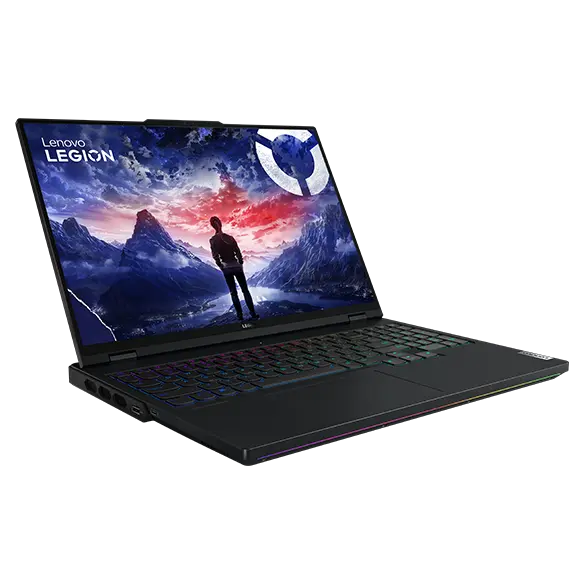
Lenovo Legion Pro 7i (Gen 9): A Balanced Performer
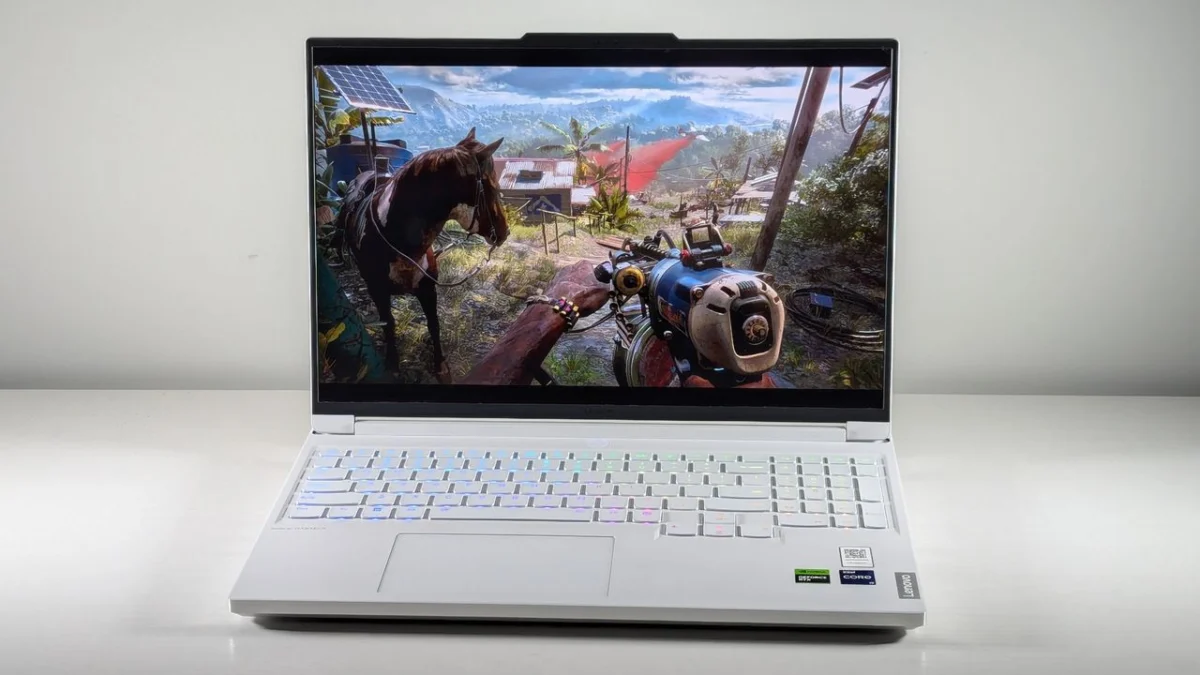
The Lenovo Legion Pro 7i (Gen 9) remains a benchmark for the RTX 40 series, delivering an outstanding gaming experience with its Intel Core i9-14900HX processor and Nvidia GeForce RTX 4080 GPU (12GB VRAM). This laptop consistently delivers powerful performance, evidenced by 105 fps in Far Cry 6 (Ultra, 1080p) and 96 fps in Red Dead Redemption 2 (Medium, 1080p). Its 16-inch 2560 x 1600, 240Hz display is remarkably vivid, covering 108.7% of the DCI-P3 color gamut and reaching 456 nits of brightness, ensuring vibrant and immersive visuals. The keyboard provides a satisfying, crisp typing experience, and the Harman Super Linear Speaker System, with its two woofers and two tweeters, produces loud, immersive audio that often negates the need for a headset in single-player scenarios. While its 5.76-pound weight and 4-hour 29-minute battery life (51 minutes for gaming) limit its portability, the Legion Pro 7i (Gen 9) stands as an excellent example of a well-rounded gaming laptop that hits all the right notes for performance, display, and user experience at a competitive price point, typically under $2,500.
Dell G16 (7630): Unpacking Premium Features on a Budget
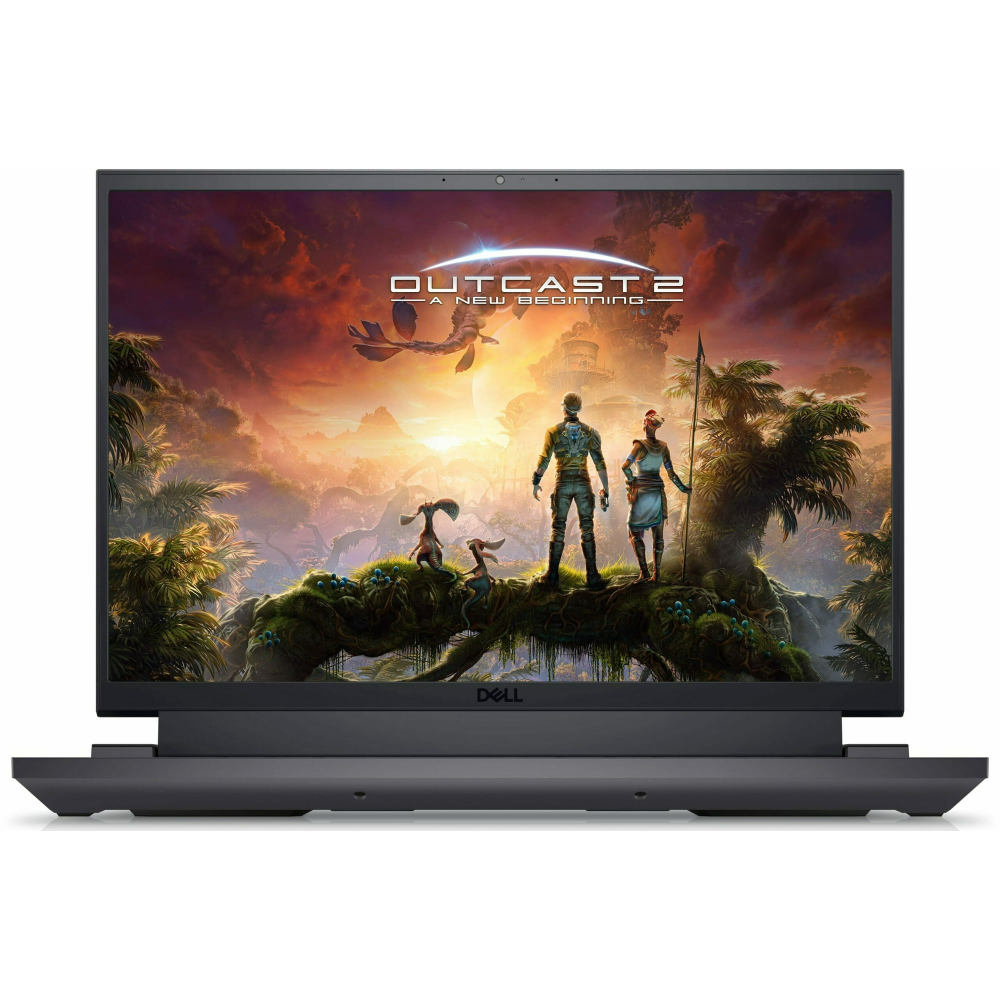
The Dell G16 (7630) defies expectations in the budget gaming laptop category, offering features typically found in much more expensive machines, all while staying under the $1,000 mark. Equipped with an Intel Core i7-1365HX CPU and an Nvidia GeForce RTX 4060 8GB GPU, it delivers competitive performance, managing 33 fps in Cyberpunk 2077 (Ultra, 1080p) and 88 fps in Assassin’s Creed Mirage (Ultra, 1080p). Its 16-inch 2560 x 1600, 240Hz display is a standout, covering an impressive 114% of the DCI-P3 color gamut, offering vibrant visuals despite its average 310 nits of brightness. A highlight is its Cherry MX tactile mechanical keyboard, a rarity in this price bracket, providing a supremely satisfying and responsive typing and gaming experience. Furthermore, its battery life of 5 hours and 4 minutes for general use is respectable for a budget gaming laptop. While its speakers are somewhat hollow and the touchpad is notably small, these are minor trade-offs for the premium features and strong performance offered at such an accessible price point, making it an ideal choice for gamers on a tight budget.
Asus TUF Gaming A14: Redefining Battery Life in Gaming
The Asus TUF Gaming A14 is a remarkable entry, challenging the long-held notion that gaming laptops must sacrifice battery life for performance. Featuring an AMD Ryzen 7 8845HS CPU and an Nvidia GeForce RTX 4060 GPU, this laptop achieved an astonishing 10 hours and 4 minutes on Laptop Mag’s battery test, a figure virtually unheard of in the gaming laptop segment. This extended endurance makes it an exceptional choice for students and professionals who require a powerful machine for both work and play without constant tethering to a power outlet. Despite its focus on battery efficiency, the TUF Gaming A14 doesn’t compromise on gaming performance, consistently delivering over 60 fps in titles like Assassin’s Creed Mirage (87 fps), Far Cry 6 (77 fps), and Red Dead Redemption 2 (61 fps), and even a playable 30 fps in Cyberpunk 2077 at Ultra 1080p settings. Its 14-inch 2560 x 1600 IPS display, with a 165Hz refresh rate, offers good color reproduction (82% DCI-P3) and a bright 411 nits, ensuring an immersive visual experience. All this power and endurance are packed into a lightweight (3.2 pounds) and durable chassis, making it exceptionally portable. The only notable drawback is a somewhat sluggish trackpad, but this is easily mitigated by using an external gaming mouse, especially given its intended use. The Asus TUF Gaming A14 is a groundbreaking machine for mobile gamers, coders, and anyone seeking a powerful, long-lasting, and affordable gaming laptop for diverse applications.
Beyond Performance: Key Considerations for Gamers
Selecting the ideal gaming laptop extends beyond just raw processing power. Critical factors like display technology, keyboard feel, audio quality, and thermal management significantly impact the overall user experience.
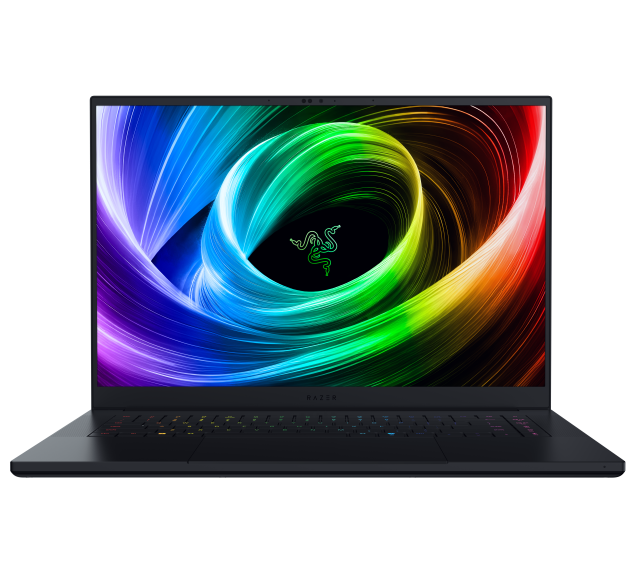
Display Technology and Immersion: The choice between MiniLED, OLED, and high-refresh-rate IPS panels is crucial. MiniLED, as seen in the MSI Raider 18 HX AI, offers exceptional brightness and contrast, ideal for HDR content and vibrant gaming worlds. OLED, exemplified by the Razer Blade 16, provides unparalleled black levels, infinite contrast, and extremely fast response times, delivering breathtaking visual depth and clarity. Standard IPS panels, while more common, still offer excellent color accuracy and wide viewing angles, especially at higher resolutions like 1440p or 4K with high refresh rates. A refresh rate of 120Hz is now considered the minimum for a smooth gaming experience, with 240Hz or higher becoming standard for competitive play.
Keyboard and Audio: A satisfying keyboard is paramount for gaming. Mechanical keyboards, like those found in the Dell G16 and Alienware 16 Area-51, offer tactile feedback and durability. Even membrane keyboards, such as the one in the Lenovo Legion Pro 7i, can provide a crisp and responsive feel with good key travel. Similarly, high-quality audio systems, often incorporating woofers and tweeters with smart amps, can deliver an immersive soundscape, reducing the reliance on external headsets for single-player games.
Thermal Management: With increasing power, effective cooling becomes a major engineering challenge. High-end gaming laptops, especially the thin-and-light models like the Razer Blade 16, often run hot under load. While manufacturers implement advanced cooling solutions with multiple fans and heat pipes, users should be aware that these machines can become warm, particularly during extended gaming sessions. Loud fan noise is also a common byproduct of aggressive cooling systems.
Navigating the Market: Budget, Size, and Resolution
When investing in a gaming laptop, several practical considerations guide the decision-making process. The market in 2025 offers a diverse range of options, each tailored to different needs and budgets.
Budgeting for Performance: The cost of a quality gaming laptop can vary significantly. While finding capable machines under $1,000 is challenging, the Dell G16 (7630) proves it’s not impossible to secure premium features at an entry-level price. Mainstream gaming laptops, typically priced between $1,500 and $2,000, offer a strong balance of performance and features. Premium systems, exceeding $2,000, often incorporate the latest GPUs, advanced cooling, and high-end displays. The choice depends heavily on the specific games a user intends to play and the desired graphical settings. An RTX 4060, for instance, is more than sufficient for many indie and esports titles, while RTX 4080/4090 or RTX 50 series GPUs are necessary for playing demanding AAA games at 4K resolution with ultra settings.
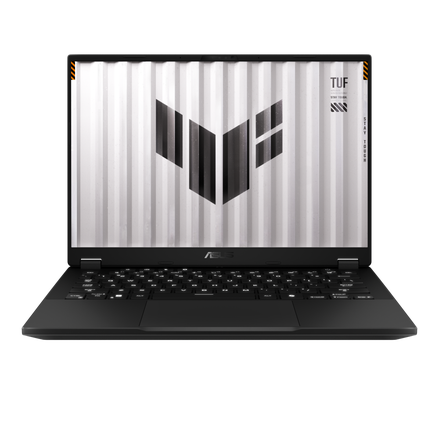
Ergonomics and Portability: Gaming laptop screen sizes have evolved, with 14-inch and 16-inch models becoming the new sweet spot, replacing the once-dominant 15.6-inch and 17-inch form factors. The emergence of 18-inch models caters to those seeking a true desktop replacement. For portability, 14-inch laptops like the Asus TUF Gaming A14 offer an ideal balance of screen real estate and manageable weight, often paired with longer battery life. Larger laptops, while offering more immersive displays and potentially superior cooling, are heavier and less suited for frequent travel.
Screen Resolution and Refresh Rate: Gamers must balance resolution with refresh rate to match their GPU’s capabilities. A 1080p display with a high refresh rate (120Hz minimum, preferably 240Hz+) is excellent for competitive gaming where every frame counts. For a sharper visual experience without the extreme demands of 4K, 1440p displays offer a compelling "sweet spot" with both high refresh rates and enhanced detail. 4K displays, often paired with 120Hz refresh rates, are ideal for single-player, graphically rich titles where visual fidelity is paramount, but they demand top-tier GPUs and impact battery life.
CPU Wars: Intel vs. AMD in 2025: Both Intel and AMD have made significant strides in their CPU offerings. AMD’s Ryzen processors, particularly the Ryzen 8000 series and Ryzen AI 9, are lauded for their exceptional power efficiency and robust multi-core performance, contributing to impressive battery life in gaming laptops. Intel’s latest Lunar Lake and Arrow Lake chips are rapidly closing the gap in power efficiency while maintaining their traditional strength in single-core performance, which is crucial for many games. The integration of NPUs in both manufacturers’ latest chips also signals a future where AI acceleration will play a growing role in various computing tasks, including potential in-game optimizations.

The Evolving Role of Battery Life: Historically, gaming laptops were synonymous with short battery life, requiring constant tethering to a power outlet. However, advancements in CPU efficiency and power management have dramatically improved this aspect. Laptops like the Asus TUF Gaming A14, achieving over 10 hours of battery life, demonstrate a significant shift, making gaming laptops viable for all-day use beyond gaming. The industry average for gaming laptop battery life is now closer to 5.5 hours, and this trend is expected to continue, blurring the lines between gaming and general-purpose laptops. Even high-performance machines are now offering respectable unplugged durations for non-gaming tasks.
Minimum Specifications for Modern Gaming: For a decent mainstream gaming experience in 2025, a gaming laptop should ideally feature at least an Intel Core i5 or AMD Ryzen 5 CPU, 16GB of RAM, a 512GB SSD, and an Nvidia GeForce RTX 4060 GPU or equivalent. While 8GB of VRAM on the RTX 4060 can run AAA games, higher VRAM (12GB+) is increasingly beneficial for future-proofing and ultra-settings at higher resolutions. A 1080p display with at least a 120Hz refresh rate is also recommended.
Future Outlook and Expert Insights
The gaming laptop market in 2025 is dynamic, characterized by rapid technological advancements and increasing consumer expectations. The introduction of Nvidia’s RTX 50 series and AI-focused CPUs signifies a commitment to pushing the boundaries of portable performance. Laptop Mag’s rigorous testing methodology, which combines industry-standard benchmarks with extensive real-world usage, provides a comprehensive and trustworthy evaluation of these complex machines. Expert reviewers spend days immersing themselves in each laptop, assessing everything from raw performance and graphical output to display quality, keyboard feel, thermals, and battery life. This meticulous approach ensures that recommendations are not merely based on numbers but reflect a holistic understanding of the user experience.
As technology progresses, the distinction between gaming laptops and high-performance workstations continues to diminish. The focus on improved battery life, integrated AI capabilities, and sophisticated thermal solutions means that these powerful machines are becoming more versatile than ever, catering not just to gamers but also to content creators, engineers, and students who demand top-tier computing on the go. While premium pricing for the latest and greatest will always be a factor, the cascading effect of new generations means that previous-gen GPUs, like the RTX 40 series, will continue to offer excellent performance at increasingly attractive price points, ensuring that high-quality gaming is accessible across a broader spectrum of budgets. The market is poised for continued innovation, with ongoing developments in display technology, power efficiency, and AI integration promising an even more exciting future for portable gaming.