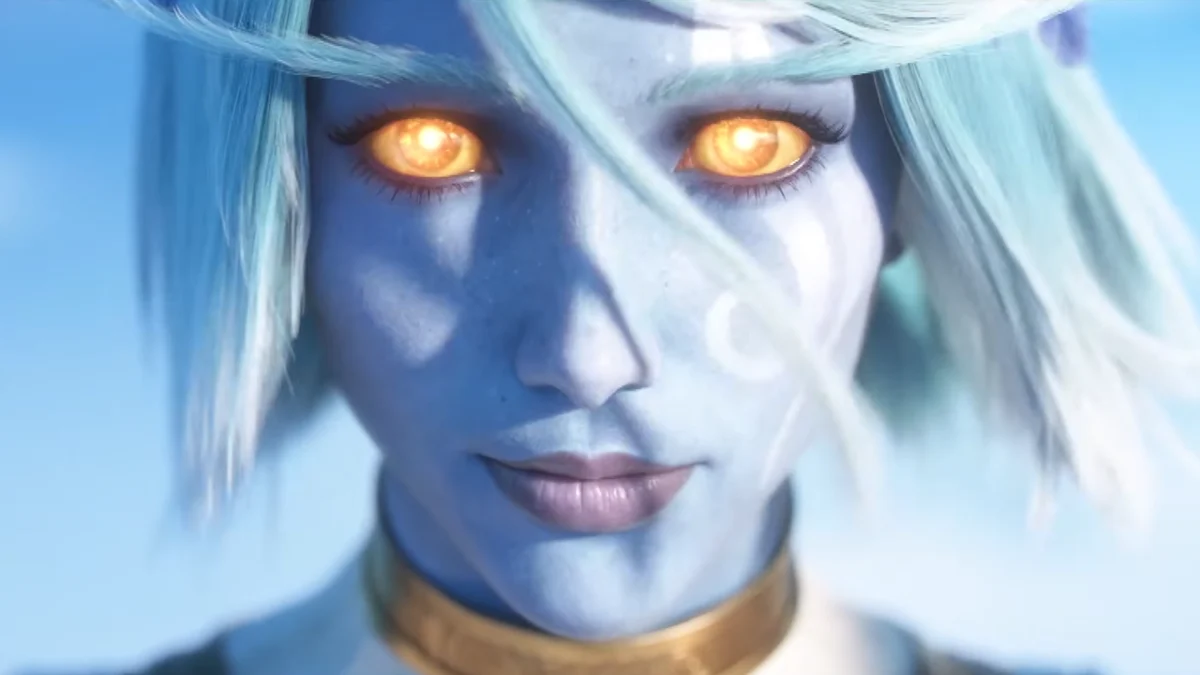
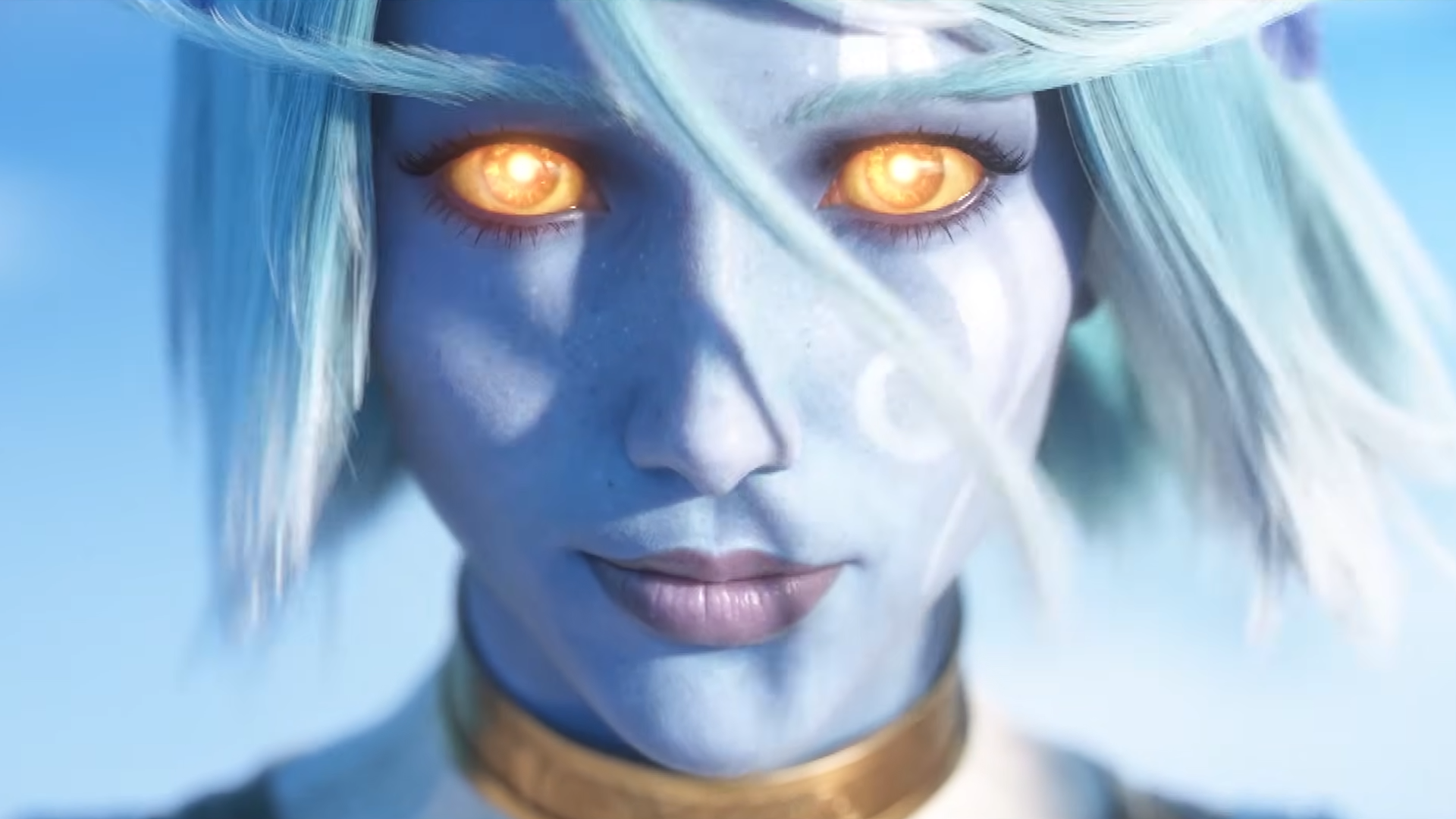
The announcement of World of Warcraft: Forever has sparked a significant discourse within the gaming community, centered primarily on the monetization strategy surrounding its latest content offering. While Blizzard Entertainment has positioned the new project as a subscription-inclusive experience for the vast majority of its features, the introduction of the Skyborne Elf race—locked behind a $29.99 "Skyborne Hero Pack"—has prompted questions regarding the evolving nature of live-service pricing models in the massively multiplayer online (MMO) landscape.
The Mechanics of the Skyborne Hero Pack
The Skyborne Hero Pack functions as a premium entry point for players looking to engage with the latest additions to the World of Warcraft: Forever ecosystem. According to the official Battle.net storefront, the $29.99 purchase includes the Skyborne race, a dedicated starter zone experience, an exclusive mount, a suite of character cosmetics, digital housing decorations, and the ability to reserve character names before the global launch.
This tiered approach creates a distinct separation between the base game, which remains accessible through the standard monthly World of Warcraft subscription, and the "premium" race content. For many long-term players, this distinction is notable because historically, race additions in the World of Warcraft franchise have been tied to expansion purchases or reputation grinds rather than direct, standalone cash shop transactions.
Chronology and Development Context
The development of World of Warcraft: Forever represents a strategic pivot for Blizzard as they seek to diversify the ways in which players engage with the Azerothian mythos. Over the past several months, rumors regarding the project’s scope suggested a hybrid approach that would blend classic gameplay sensibilities with modern monetization tactics.
The timeline leading to the current friction can be traced back to the initial teaser trailers revealed earlier this year, which highlighted the ethereal, high-fantasy aesthetic of the Skyborne. As the marketing campaign progressed, the focus shifted from technical milestones to community engagement. However, the announcement that the Skyborne would not be a baseline unlockable feature—but rather a purchase-gated asset—surprised many industry analysts who anticipated a more integrated rollout similar to the "Dracthyr" or "Pandaren" releases of previous expansions.
Comparative Market Analysis
To understand the significance of the $30 price point, it is necessary to examine the current economic landscape of the gaming industry. In 2024, the average cost of a standalone, high-fidelity indie title on platforms such as Steam frequently ranges between $15 and $25. By pricing a single race and its associated digital assets at $30, Blizzard is effectively positioning this content at a premium bracket that rivals the cost of entire games.
Furthermore, when compared to the broader landscape of "Games as a Service" (GaaS) titles, the pricing follows a trend established by competitors. In titles such as Overwatch 2 or League of Legends, the monetization of individual character skins and specialized bundles has normalized higher spending thresholds for aesthetic or exclusive gameplay options. However, World of Warcraft has historically relied on a dual-revenue model: a monthly subscription fee combined with expansion pack sales. Introducing a third revenue pillar—direct microtransactions for core content like playable races—marks a departure from the franchise’s traditional economic structure.
Industry Perspectives and Expert Analysis
Industry observers have been quick to weigh in on the implications of this strategy. Tyler Colp, a contributor known for tracking Blizzard’s development cycles, has noted that while the rest of the Forever project offers a high value-to-cost ratio for subscribers, the Skyborne purchase represents a shift in the philosophy of the game’s classic-adjacent pillars.
"The monetization of core gameplay elements like player races is a departure from the ‘classic’ spirit," Colp suggests. "If this becomes the standard for future content drops—where new classes or races require a specific cash investment regardless of subscription status—the community will likely need to recalibrate its expectations for what a subscription actually covers."
From a corporate standpoint, Blizzard’s strategy is likely driven by the need to maintain consistent quarterly revenue cycles in an era where traditional expansion sales have longer lead times. By decoupling content from major release cycles and offering them as individual "Hero Packs," the company can generate consistent engagement and revenue streams from a dedicated subset of the player base.
Broader Implications for the MMO Genre
The debate over the $30 elf highlights a larger tension between the "old guard" of MMO design and the modern exigencies of the live-service era. For years, the MMO genre was defined by the concept of "earning" rewards through gameplay, achievement, and time investment. Modern titles, however, are increasingly utilizing "convenience" and "exclusivity" as commodities.
This shift has several potential long-term implications:
- Player Segmentation: As more gameplay-impacting features are moved behind paywalls, the barrier to entry for new or returning players becomes fragmented. This could potentially alienate those who prefer a single, predictable cost of entry.
- Value Perception: The industry is currently testing the limits of how much a player will pay for digital items. If the Skyborne Hero Pack performs well, it may signal to other developers that players are willing to pay expansion-level prices for single features. Conversely, a poor reception could force a pivot toward more inclusive, gameplay-based unlock methods.
- Subscription Value: The definition of what a "subscription" covers is becoming increasingly fluid. If core content like new races is excluded, the value proposition of the monthly fee may come under scrutiny from the player base.
Conclusion and Future Outlook
As Blizzard prepares for the formal launch of World of Warcraft: Forever, the Skyborne race will serve as a bellwether for the project’s future economic health. While the base game continues to be praised for its value and nostalgic appeal, the friction caused by the Skyborne Hero Pack suggests that the developer is walking a fine line between profitability and community goodwill.
Whether this $30 investment is perceived as a fair market value for a new race depends heavily on the depth of the content provided in the starter zone and the long-term utility of the included cosmetics. As the player base prepares to dive into the new zones, the discourse will likely shift from the price tag to the quality of the content itself. For now, the move remains one of the most debated topics in the current gaming landscape, serving as a reminder that even in a world of fantasy, the realities of modern business economics are never far behind.
The final reception of this model will undoubtedly influence the development roadmap for future updates. Blizzard has yet to issue a formal statement regarding potential adjustments to the pricing structure or plans for alternative, non-monetized ways to unlock the Skyborne, leaving the community to speculate on whether this is a one-time experiment or the new standard for the World of Warcraft: Forever brand.