The persistent narrative that high-end computing requires a four-figure investment is increasingly obsolete. As of mid-2025, the sub-1,000 dollar laptop market has undergone a significant transformation, driven by the integration of advanced AI-capable processors, more efficient manufacturing processes, and the democratization of premium display technologies. Consumers no longer need to settle for sluggish performance or subpar build quality when shopping for a portable machine. By leveraging recent advancements in silicon architecture—specifically from Apple’s M-series, Intel’s Core Ultra lineup, and AMD’s Ryzen 8000 series—manufacturers are delivering machines that meet the rigorous demands of students, creative professionals, and business users alike.
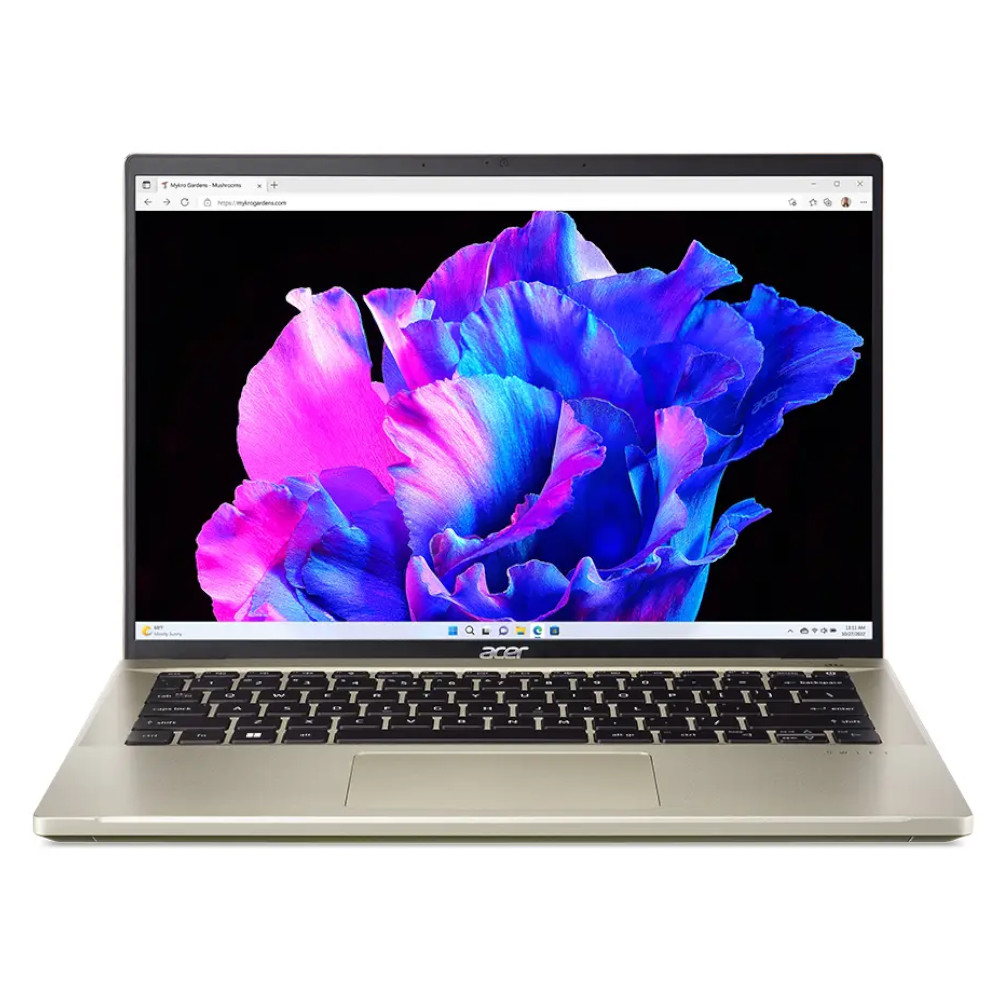
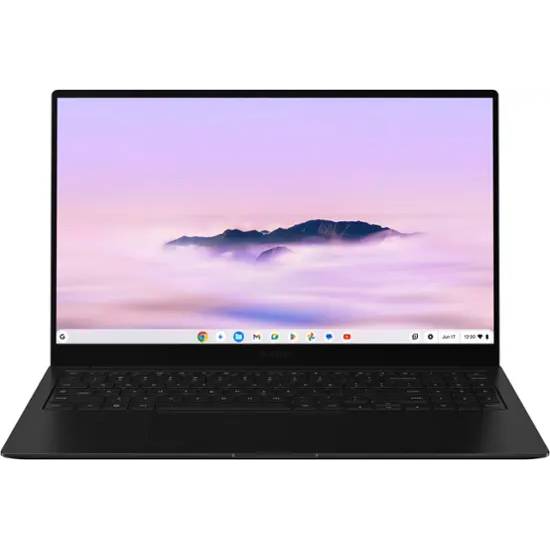
This shift has been underscored by the June 2025 market refresh, which saw major shifts in top-tier recommendations. Notably, the Apple MacBook Air 13-inch M4 has moved to the forefront of the overall category, while devices like the Acer Swift Go 14 and the Samsung Galaxy Chromebook Plus have solidified their positions as specialized leaders in the Windows and ChromeOS ecosystems, respectively.
The Evolution of the Budget Laptop Market
The current landscape of budget-friendly computing is defined by a convergence of efficiency and power. Historically, a price point below 1,000 dollars necessitated compromises in either thermal management, screen resolution, or chassis durability. However, the introduction of 3nm and 4nm fabrication processes has allowed for higher transistor densities, leading to chips that provide desktop-class performance while maintaining battery life that extends well beyond a typical eight-hour workday.

Industry data suggests that the "mid-range" segment—previously occupied by devices costing between 1,200 and 1,500 dollars—has effectively been cannibalized by the sub-1,000 dollar tier. This is largely due to the integration of NPU (Neural Processing Unit) technology, which handles AI tasks locally. This reduces the latency of productivity applications and enhances the efficiency of background processes, a feature that was once exclusive to high-end workstations.
Top Performers: A Comparative Analysis
Apple MacBook Air 13-inch M4: The New Benchmark
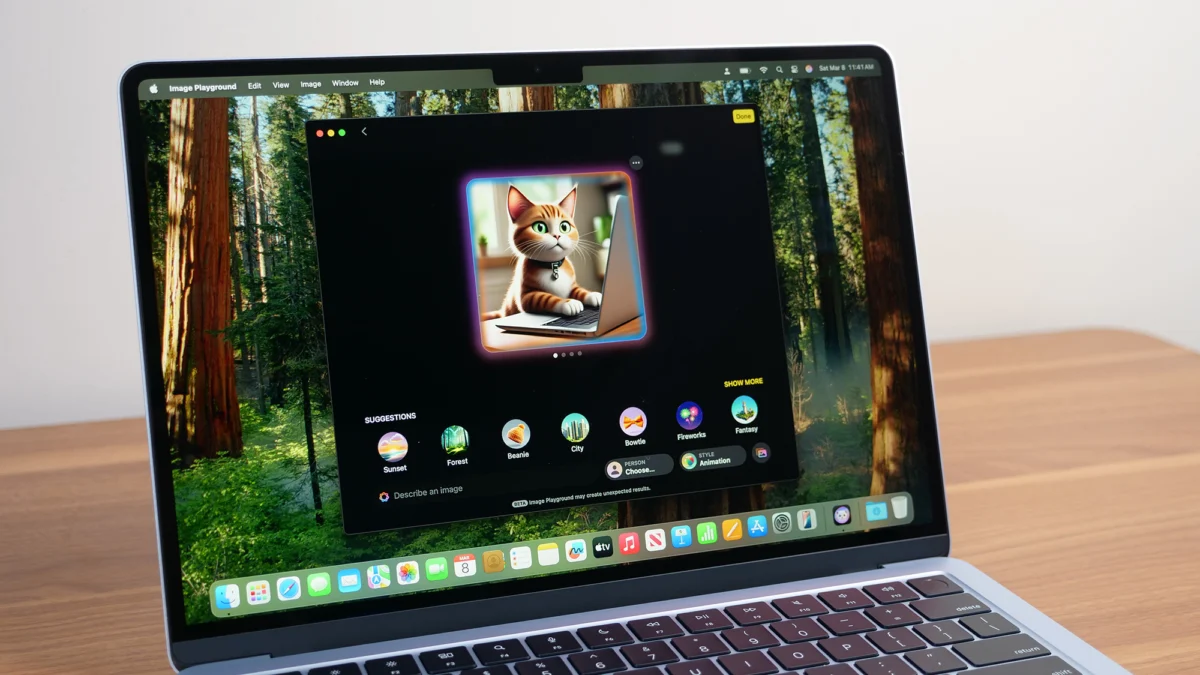
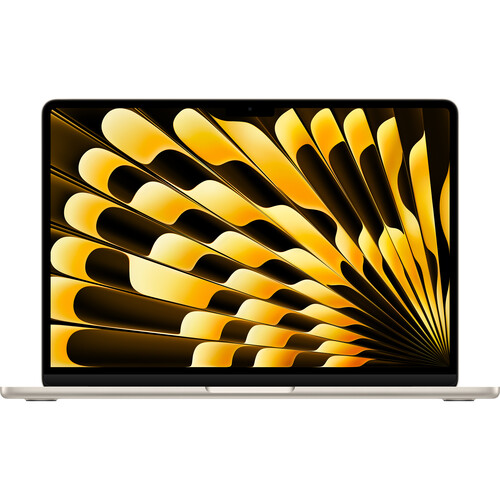
The inclusion of the Apple MacBook Air 13-inch M4 at a 999 dollar starting price represents a significant disruption in the laptop market. Since its release, the device has set a new standard for value. With its 10-core CPU and 10-core GPU configuration, the M4 chip provides a Geekbench 6 multi-core score of approximately 14,849. This performance level is sufficient to handle intensive multitasking, video editing, and complex data processing. The transition to the M4 architecture has not only improved thermal efficiency but has also allowed for a battery life exceeding 15 hours, effectively removing the need for a charger during standard commutes.
Acer Swift Go 14: The Windows Standard
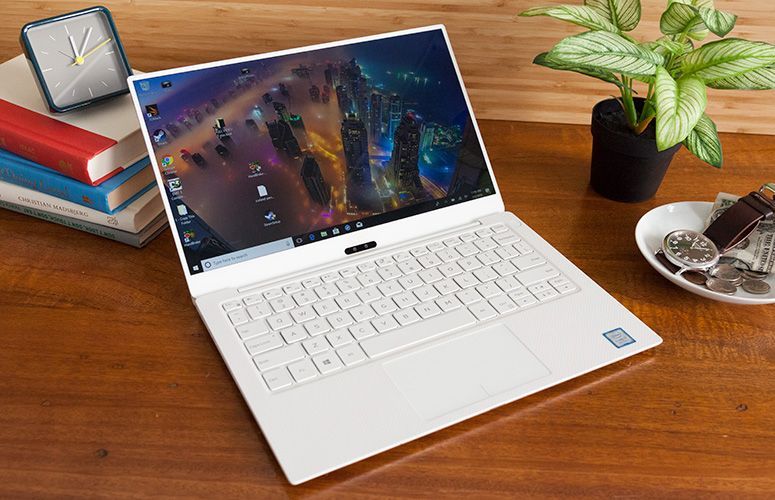
For users committed to the Windows ecosystem, the 2024 iteration of the Acer Swift Go 14 remains the definitive choice. Powered by the Intel Core Ultra 7 155H, this machine demonstrates the effectiveness of integrated Intel Arc graphics. During testing, the device achieved a multi-core score of 11,815 on Geekbench 5.5, outperforming several older generation MacBook Pro models. Its appeal lies in its port versatility, featuring Thunderbolt 4, HDMI 2.1, and USB-A connectivity, which addresses the frequent criticism of port-limited ultrabooks.
Acer Nitro 17: Gaming for the Value-Conscious
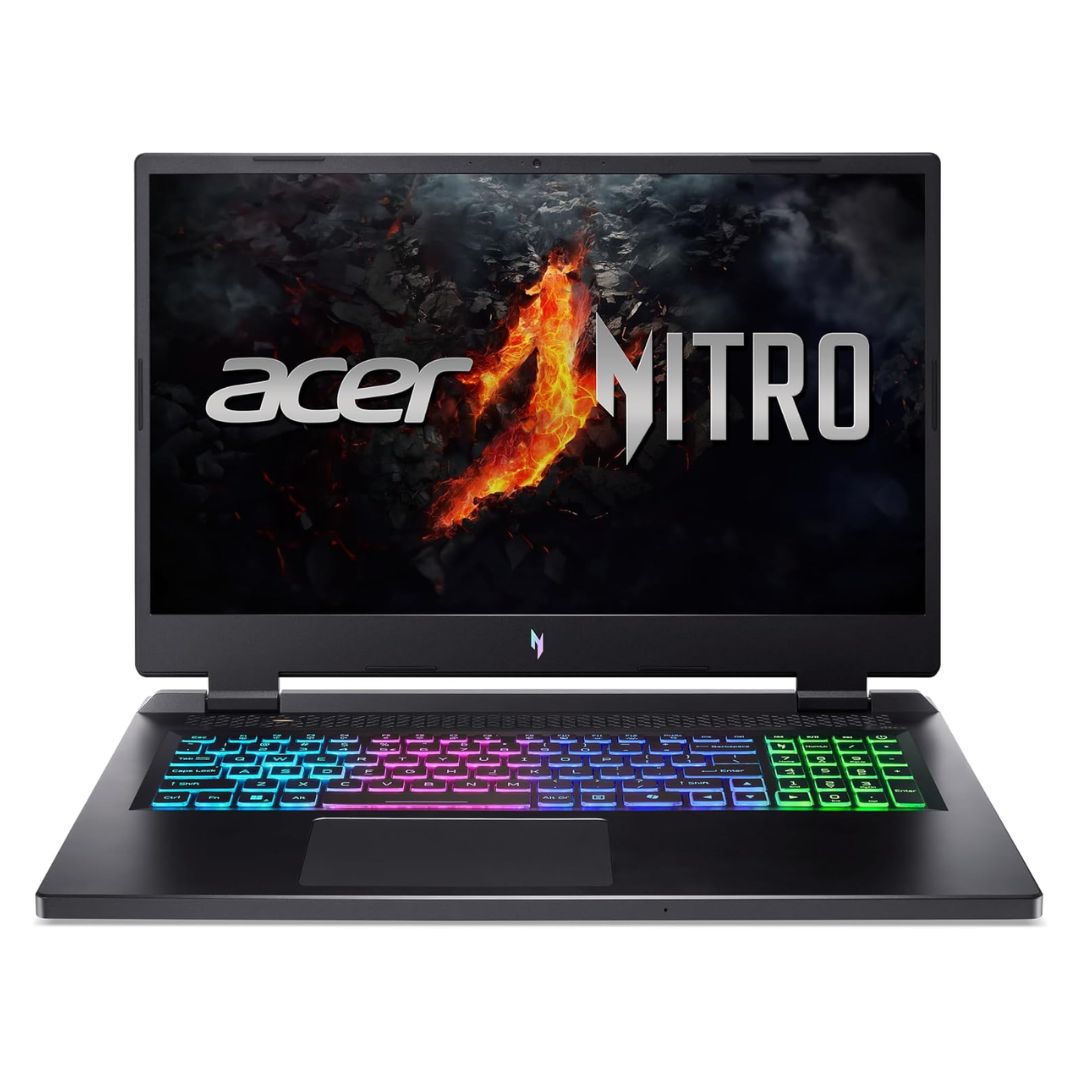
The Acer Nitro 17 (2024) addresses the often-neglected gaming segment of the sub-1,000 dollar market. By pairing the AMD Ryzen 7 8845HS with an Nvidia GeForce RTX 4060, the Nitro 17 offers a entry-point into modern gaming that does not sacrifice frame rates for affordability. While its bulk and lower battery life (roughly 7 hours and 22 minutes) reflect its nature as a desktop replacement, its 17.3-inch 165Hz display and robust thermal cooling make it a viable alternative for users who require high-performance hardware on a budget.
Strategic Selection: How to Choose the Right Machine
Selecting the appropriate laptop requires an assessment of primary use cases. For those prioritizing mobility and battery longevity, the Apple MacBook Air remains the clear leader. However, for professionals requiring specific legacy software compatibility or extensive I/O ports, the Acer Swift Go 14 provides a more functional solution.
When evaluating hardware specifications, the following benchmarks should be considered the minimum for a machine intended to last through 2027 and beyond:
- CPU: Intel Core Ultra 5, AMD Ryzen 5, or Apple M4.
- RAM: 16GB of unified or DDR5 memory is now considered the baseline for multitasking.
- Storage: 512GB SSD. Anything less may become a bottleneck for OS updates and application installations.
- Display: A minimum of 1080p resolution. Users who engage in color-sensitive work should prioritize panels with at least 75% DCI-P3 color gamut coverage.
Implications of AI Integration on Budget Computing
The integration of AI-powered features across these budget models is more than a marketing trend; it is a fundamental shift in user experience. The NPU allows for real-time background noise suppression during video calls, improved webcam image processing, and predictive text and code completion. These features, previously restricted to high-end enterprise devices, are now standard in the sub-1,000 dollar tier, effectively raising the floor for "acceptable" laptop performance.
Furthermore, the longevity of these machines is extended by these architectural shifts. As software becomes more optimized for NPU and hardware acceleration, these 2025 budget models are better positioned to handle future software updates compared to their counterparts from three years ago.
Maintaining Quality: The Rigorous Testing Standard
The recommendations provided here are the result of thousands of hours of standardized laboratory testing. The evaluation process includes:
- Colorimetry Testing: Utilizing a Klein K10 colorimeter to verify display brightness (measured in nits) and color accuracy.
- Performance Benchmarking: Executing Geekbench 5/6 and 3DMark tests to measure raw compute and graphical capabilities.
- Real-World Stress Tests: Simulating heavy workloads through 4K video transcoding and large-file duplication tasks.
- Thermal Management: Measuring surface temperatures during 15-minute high-load video playback to ensure user comfort.
- Battery Life Assessment: Standardized web-surfing tests conducted at a constant 150 nits of brightness to ensure parity across all reviewed models.
Conclusion: The Shifting Value Proposition
The landscape of laptops under 1,000 dollars has moved from a market of compromises to one of optimization. While differences in build materials—such as the plastic chassis of the Acer Nitro versus the aluminum alloy of the MacBook Air—persist, the performance delta between these machines and their more expensive counterparts has narrowed significantly.
For the average consumer, the current market offers an unprecedented opportunity to secure a machine that is not merely "good enough" for basic tasks, but fully capable of professional-grade productivity, content creation, and high-fidelity gaming. As the industry continues to push the boundaries of silicon efficiency, the 1,000 dollar threshold will likely continue to serve as the most competitive and innovative segment of the laptop market. Consumers are advised to look for deals, as pricing in this bracket frequently fluctuates, allowing shoppers to occasionally acquire higher-tier configurations for well under the 1,000 dollar ceiling during seasonal sales.