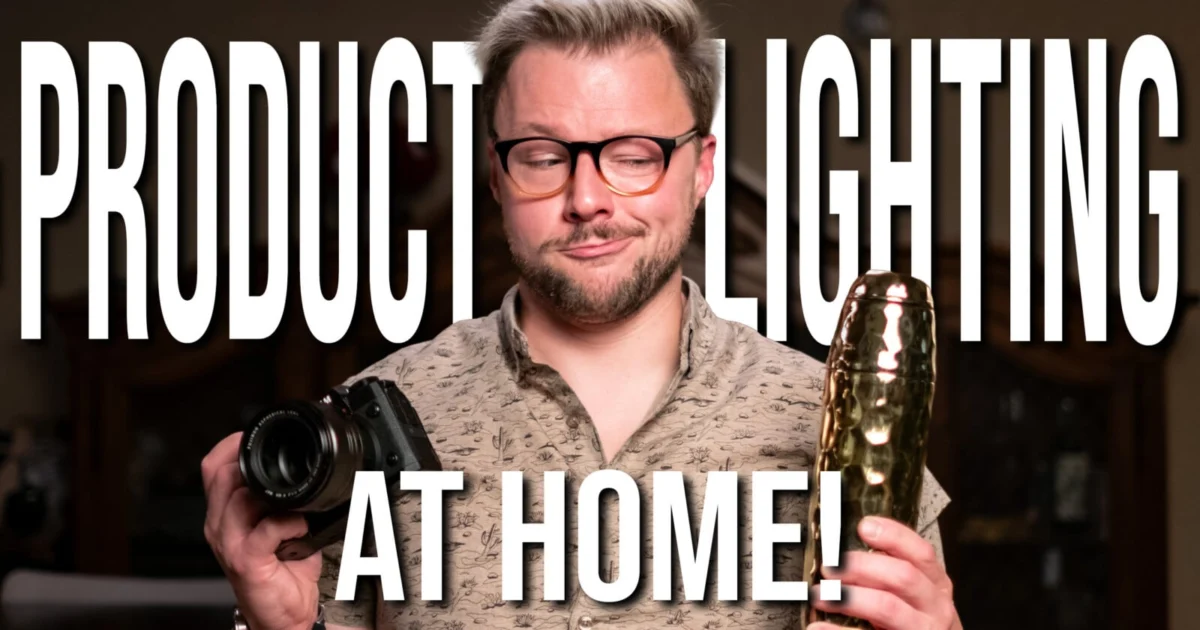
Recently, a well-established culinary brand approached a seasoned content creator with an intriguing proposition: provide feedback on a soon-to-be-released, premium cocktail shaker. The request was straightforward – test the product, craft a few cocktails, and complete a survey. However, the creator, opting for a more dynamic and visually compelling approach, decided to bypass the conventional questionnaire in favor of producing a comprehensive promotional product video directly from their home dining room. This initiative, born from a desire to showcase the product’s aesthetic and functional appeal through creative videography, highlights a growing trend of utilizing accessible technology and innovative techniques to achieve professional-grade marketing content outside of traditional studio environments.
The project, initiated in early May 2026, aimed to capture the essence of the shaker’s sophisticated design and user experience. The brand, known for its commitment to quality and innovation in kitchenware, sought to understand how the product would perform in real-world, aspirational settings. The creator’s decision to produce a video instead of a survey report represented a proactive move to provide richer, more tangible feedback, demonstrating the product’s capabilities through visual storytelling. This approach underscores the evolving landscape of product evaluation, where creators are increasingly empowered to offer insights through multimedia formats.
Mastering Light: The Foundation of Reflective Product Videography
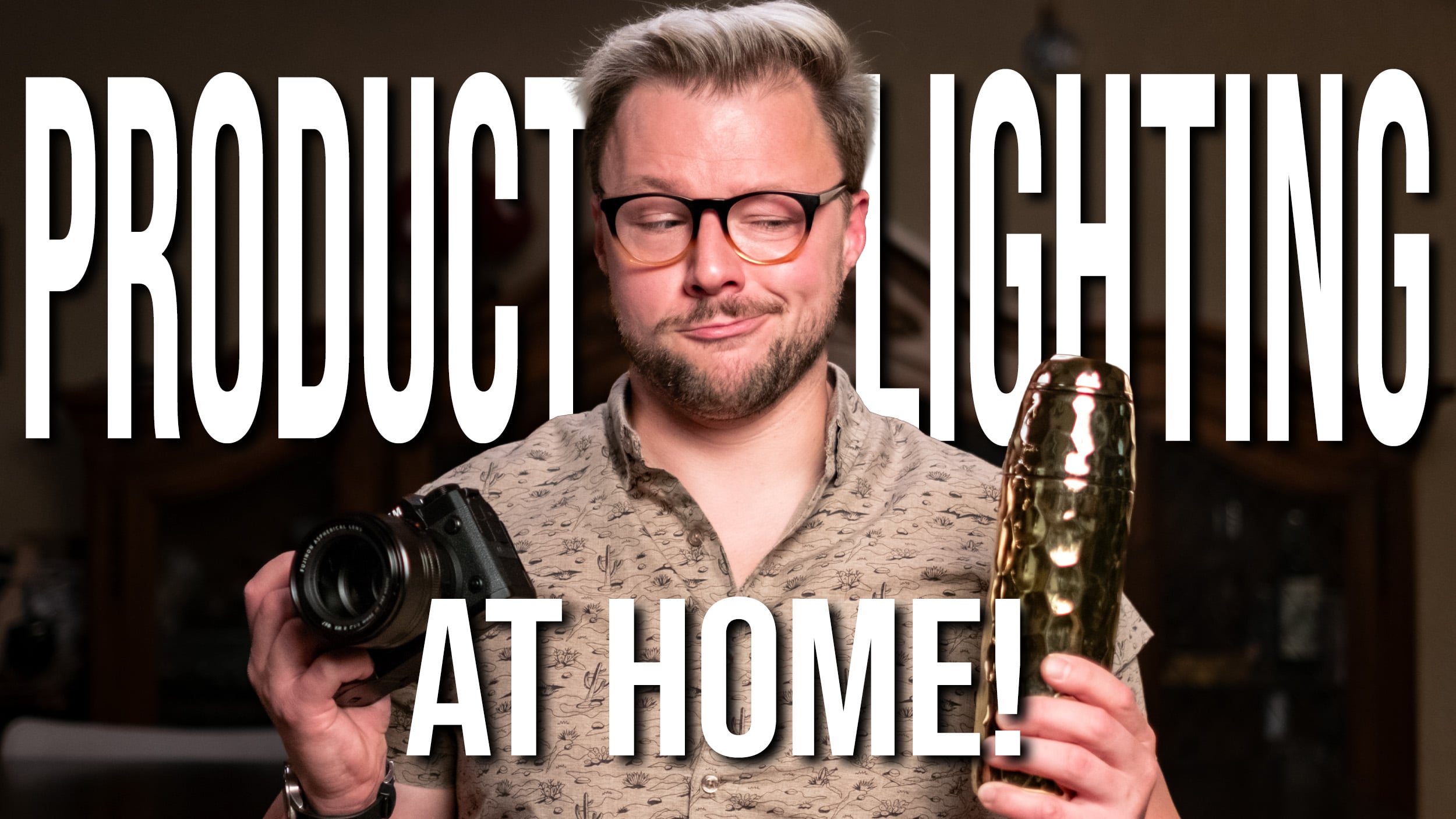
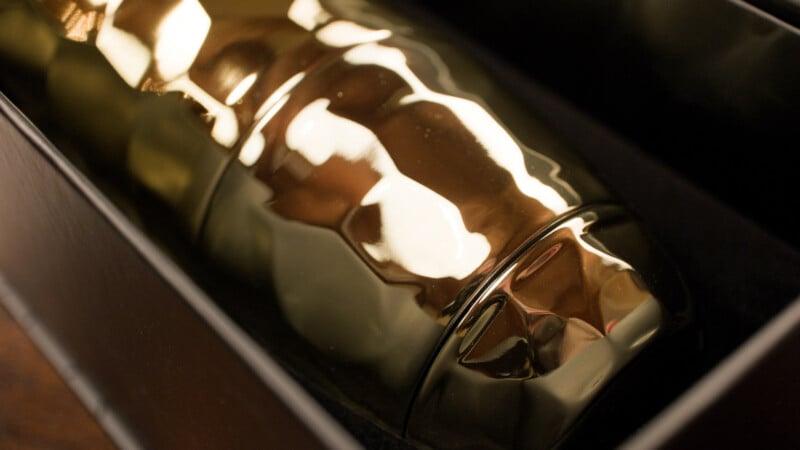
The cocktail shaker in question was lauded for its striking, faceted gold design, a feature that presented a significant technical challenge for videography due to its highly reflective surface. The creator’s primary hurdle was to meticulously control and shape the lighting to accentuate the shaker’s luxurious details without succumbing to harsh glares or distracting reflections.
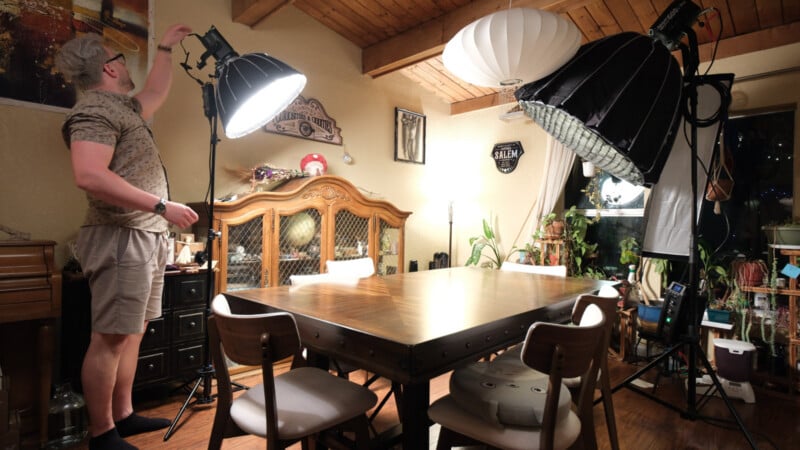
To achieve optimal lighting conditions, the creator implemented a strategy to create a controlled environment, akin to a temporary studio setup within their dining room. Recognizing that natural daylight could introduce unpredictable light sources and color casts, the decision was made to simulate nighttime shooting conditions. This involved completely blacking out the main window and drawing thick curtains across a secondary window. This comprehensive light management ensured that the artificial lighting, carefully calibrated for color temperature, would be the sole determinant of the scene’s illumination. The chosen color temperature, balanced around 2,700 to 2,900 Kelvin, was selected to complement the warm tones present in the dining room’s existing décor, creating an inviting and cohesive visual aesthetic.
The lighting setup itself was a testament to strategic placement and the use of professional-grade equipment. A key light, an Aputure 600 Bicolor LED, was fitted with a medium dome softbox and a grid. This configuration not only provided broad, flattering illumination to the cocktail preparation area but also precisely controlled light spill, preventing unwanted light from falling onto other areas of the set. Complementing the key light were two Nanlite 150 units serving as edge lights. One was equipped with a small circular dome softbox, while the other utilized a narrow Godox softbox, ideal for precise application in tighter spaces. Grids were also employed on these edge lights to further refine their beam and prevent light from encroaching on unintended areas, thereby enhancing the separation of the shaker and its surrounding elements. This layered lighting approach was crucial in highlighting the intricate facets of the gold shaker, transforming its reflectivity from a potential obstacle into a desirable visual asset.
The Art of Movement: Injecting Dynamism into Product Shots
Beyond static imagery, the creator understood that compelling product videography thrives on dynamic camera movement. While tripods provide a stable base for capturing intricate details, the essence of a promotional video lies in its ability to guide the viewer’s eye and convey a sense of motion and engagement.
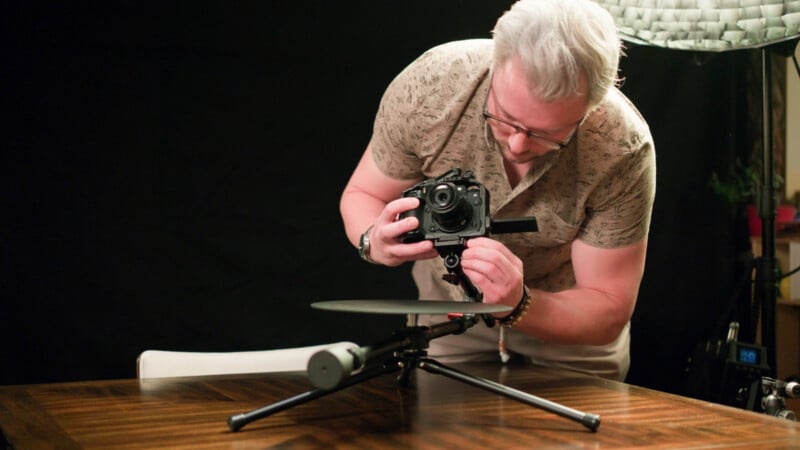
To this end, the project incorporated a range of camera movement techniques. A motorized 30-inch slider was employed for smooth, controlled push-in shots, allowing for gradual reveals and focus on specific product features. However, for cylindrical objects like the cocktail shaker and accompanying glassware, a more immersive perspective was desired. To achieve this, a small, automated turntable was introduced. This device enabled the camera to circle the product, capturing its form from every angle while maintaining precise focus. This technique was particularly effective in showcasing the interplay of light and shadow on the shaker’s multifaceted surface as it rotated, creating a captivating visual flow.
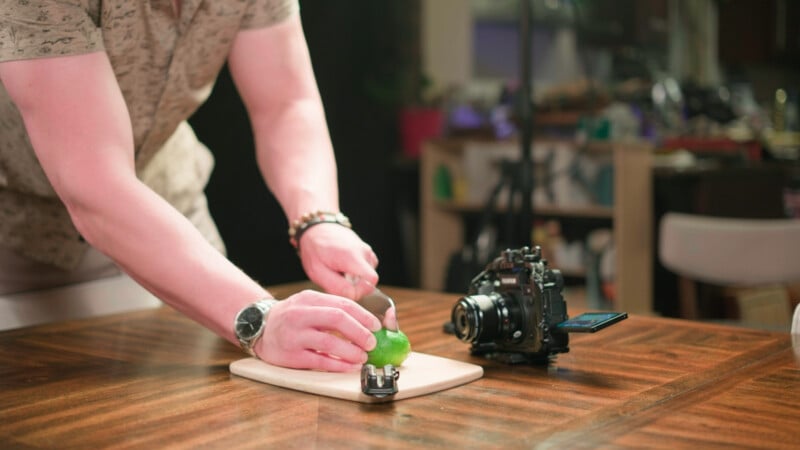
Static shots were not entirely abandoned; instead, they were strategically integrated to capture crucial details. Tripod-mounted shots were used for macro photography, focusing on elements like citrus being squeezed into a cocktail or the precise slicing of garnishes. The creator emphasized the importance of finding the perfect manual focus and orchestrating all action within that plane to ensure sharpness and clarity. Additionally, overhead shots were captured by positioning the tripod directly above the setup on the dining table, offering a bird’s-eye perspective of the cocktail-making process.
With the foundational static shots in place, the turntable became the centerpiece for more dynamic sequences. The shaker was positioned on the turntable, focus was meticulously set, and multiple takes were executed, varying camera angles and movement speeds. To add a further layer of visual interest and post-production flexibility, many of these shots were captured at 120 frames per second. This high frame rate would allow for smooth slow-motion effects during editing, enhancing the visual impact of pouring ingredients or the final presentation of the cocktail.
A particularly innovative technique involved the use of the slider for a "razor blade gliding across packaging" effect. To achieve this illusion, the camera remained stationary, while the product packaging, placed on the slider, moved towards the lens. This clever manipulation of perspective made it appear as though the camera was tracking the blade, when in reality, only the packaging was in motion. This demonstrated a sophisticated understanding of visual trickery to enhance the product’s perceived value and presentation.
Timeline and Execution: From Concept to Completion
The project unfolded over a concentrated period, likely spanning a few days in early May 2026, given the reference to "May 1st" in the image file names. The initial phase involved receiving the product and conceptualizing the video’s narrative and visual style. This was followed by the setup of the "studio" in the dining room, focusing on light control and equipment arrangement. The lighting setup, as detailed, was a critical early step, requiring several hours to perfect.
The filming process itself would have been iterative. The creator likely began with static shots, experimenting with different angles and compositions to capture essential details. The introduction of motion, using the slider and turntable, would have followed, requiring careful calibration and multiple takes to achieve the desired fluidity. The high-frame-rate recording for slow-motion sequences would have been integrated during this filming stage. The entire process, from setup to final shot, likely took several days, factoring in breaks and the need for fresh perspectives. The creator’s statement, "Given the limited gear I used and the limited space (and time) that I had," suggests a focused and efficient execution within a compressed timeframe, likely driven by the dual constraints of personal time and the brand’s product release schedule.
Supporting Data and Industry Context
The demand for high-quality product videography has surged in recent years. According to a 2025 report by Statista, over 80% of consumers cite video as a key factor in their purchasing decisions, with a significant portion indicating that product videos have influenced them to buy a product. For premium goods like a well-crafted cocktail shaker, visual appeal is paramount. The global barware market, encompassing cocktail shakers, is projected to reach over $10 billion by 2028, driven by the growing popularity of home mixology and the increasing sophistication of consumer tastes.
The creator’s approach aligns with a broader industry shift towards authentic and accessible content creation. Many brands are moving away from sterile, studio-centric productions and embracing more relatable, lifestyle-oriented visuals. This not only reduces production costs but also fosters a stronger connection with consumers who value authenticity. The use of readily available professional lighting equipment, such as Aputure and Nanlite, coupled with affordable motion control devices like sliders and turntables, democratizes high-quality product videography, making it achievable for independent creators and smaller businesses alike.
Inferred Reactions and Broader Implications
While no direct statements from the brand are provided, it can be inferred that they would be pleased with the initiative. By going above and beyond the requested survey, the creator provided the brand with not only qualitative feedback but also a tangible, high-quality promotional asset. This proactive approach demonstrates a deep understanding of marketing needs and a commitment to delivering exceptional results. Such actions can significantly strengthen the relationship between a brand and its collaborators, potentially leading to future opportunities.
The implications of this project extend beyond a single product video. It serves as a powerful case study for aspiring content creators and small businesses. The creator’s success in producing professional-grade visuals from a home environment underscores several key takeaways:
- Resourcefulness is Key: Demonstrating that high-quality output can be achieved with a judicious selection of gear and creative problem-solving, rather than relying solely on expensive studio facilities.
- Mastery of Fundamentals: Emphasizing that a strong understanding of lighting principles, composition, and camera techniques is more critical than having the most advanced equipment.
- Embracing Movement: Highlighting the importance of dynamic camera work in transforming static products into engaging visual narratives.
- The Power of the Edit: Suggesting that creative editing, including the strategic use of slow motion and perspective manipulation, can elevate even simple footage into compelling content.
The creator’s philosophy, "keep creating and challenging yourself," is a vital message in today’s fast-paced digital landscape. It encourages a mindset of continuous learning and adaptation, where perceived limitations can be transformed into opportunities for innovation. This project ultimately proves that with ingenuity, technical skill, and a clear vision, remarkable product showcases can be crafted from the most unexpected of spaces, redefining the boundaries of professional content creation.