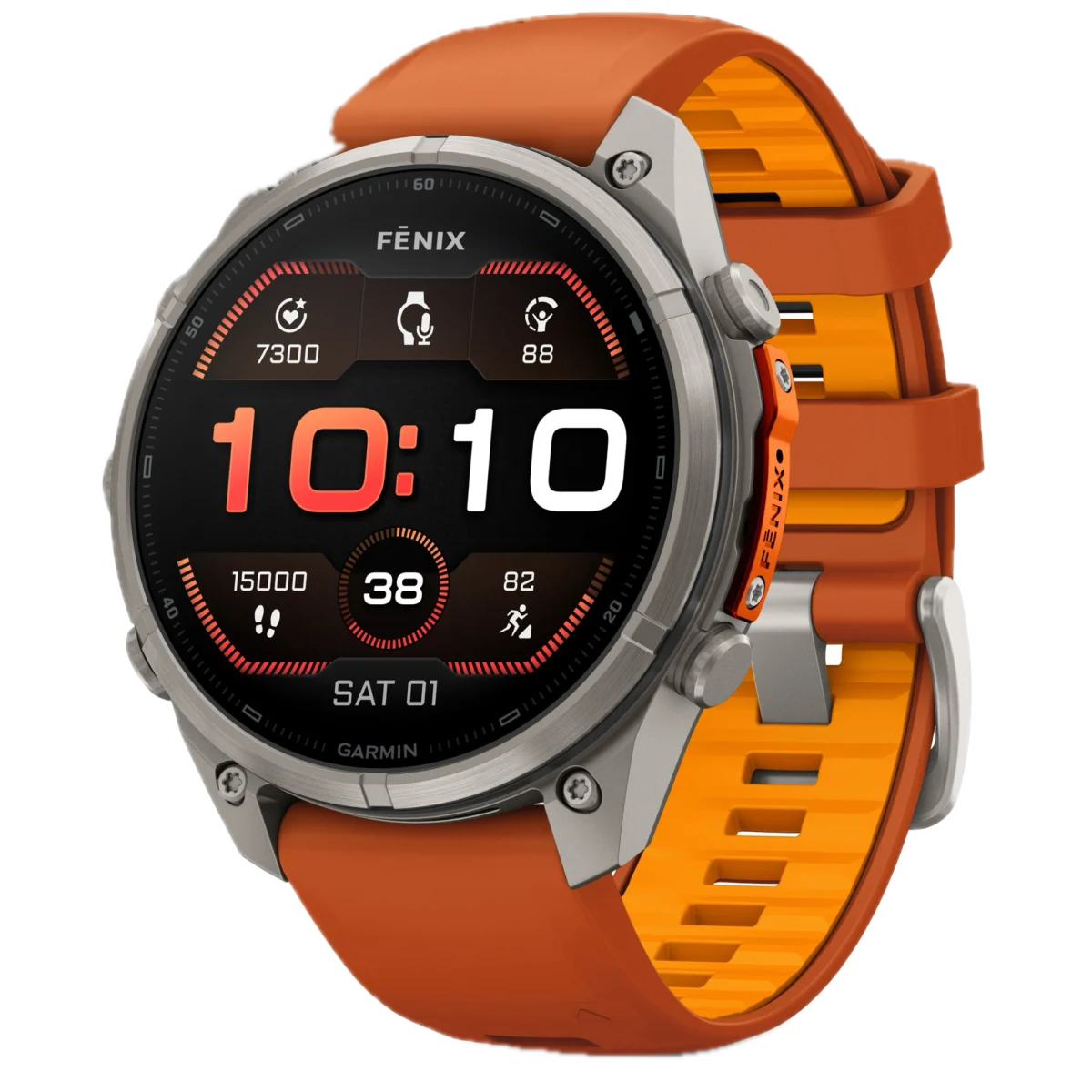
Garmin has officially announced the upcoming rollout of its latest software architecture, marking a significant departure from its historical product lifecycle strategies. In a move that breaks more than a decade of precedent, the wearable technology manufacturer confirmed that nearly all new software features debuting with the newly unveiled Fenix 9 series will be retroactively deployed to existing Fenix 8 devices, as well as a broad spectrum of contemporary Garmin ecosystem hardware.
This strategic shift follows the behind-the-scenes consolidation of Garmin’s software architecture initiated during the summer of 2025 ahead of the Fenix 8 Pro launch. By unifying the underlying codebase into what is semi-officially referred to as GarminOS, the company has laid the technical foundation for cross-generational feature parity. Historically, major generational leaps—such as the transition from the Fenix 6 to the Fenix 7, or the Fenix 7 to the Fenix 8—saw legacy devices locked out of newly developed software capabilities, forcing consumers to upgrade hardware simply to access modern software enhancements.
The Unified GarminOS Strategy and Cross-Platform Rollout
Under the newly established framework, the software updates will not be restricted exclusively to the flagship Fenix 9 and Fenix 9 Pro. Instead, compatible devices spanning multiple product lines—including the Fenix 8 series, Enduro 3, Tactix 8, Fenix E, Venu X1, and select iterations of the Forerunner 970 and 570 series—will inherit the vast majority of the latest functional additions. Even select features will trickle down to broader lifestyle and fitness offerings such as the Venu 4 and Vivoactive 6, provided the hardware limitations of those specific models do not preclude them.
Industry analysts have characterized the change as a watershed moment for consumer loyalty and product longevity in the fitness wearable market. For years, tech journalists and dedicated athletes alike have criticized manufacturers for premature software obsolescence. By extending the lifecycle utility of watches already in consumers’ hands, Garmin is attempting to redefine the value proposition of high-end sports watches, which often retail at premium price points exceeding one thousand dollars.
Despite the breadth of the update, hardware constraints dictate certain exclusions. Devices lacking integrated mapping hardware, such as the Forerunner 570, will not receive advanced navigation overlays, and physiological metrics tied to specific sensors—such as advanced Stamina analytics on units unequipped to track them—will remain hardware-dependent.

Core Software Upgrades Coming to Legacy and New Devices Alike
The expansive feature package arriving across the unified GarminOS ecosystem touches nearly every facet of outdoor endurance, health tracking, and connectivity. Crucially, Garmin has confirmed that none of the upcoming software enhancements will require a paid subscription tier such as Garmin Connect+.
Among the most notable additions is the Garmin Epic feature, which allows users to group and review multi-day events and complex outdoor adventures directly on-device and within the Garmin Connect mobile application. Historical data can be mapped retroactively; for instance, users running the Garmin Connect app can build and organize legacy adventures from past years using older hardware models like the Fenix 7 or Forerunner 955.
Additional ecosystem-wide software enhancements include:
- Advanced Stamina Metrics: Introduction of a new Stamina zone concept, expanded Endurance time calculations, trending metrics on Garmin Connect, and dedicated real-time graphs and curves for both running and cycling activities.
- Rucking and Pack-Weight Integration: Comprehensive algorithmic updates to accurately calculate caloric expenditure based on pack weight. The update introduces a new on-device Rucking target calculator that estimates required distance based on goals and load, mid-activity pack-weight adjustments, dedicated rucking activity reports, a multisport rucking profile, and structured workouts developed in partnership with GoRuck.
- Rowing and Fitness Profile Expansions: A significant overhaul for indoor rowing, including dedicated heart rate and max heart rate zones, running power zones and power curves, FTP estimation and VO2Max values for indoor rowing, lactate threshold tracking, performance condition metrics, and a 5-second countdown timer for activity initiation. Furthermore, indoor rowing activities will now directly influence overall Training Status metrics.
- Connectivity and Navigation Additions: Integration of the Garmin Locate feature within the Garmin Messenger app, enabling users to monitor peer heart rate, pace, distance, and elevation metrics remotely. The update also brings inReach weather updates via satellite, Rolling Grade-Adjusted Pace (GAP) available as both a data field and a structured workout target, and a native on-device watch face editor for AMOLED-equipped models.
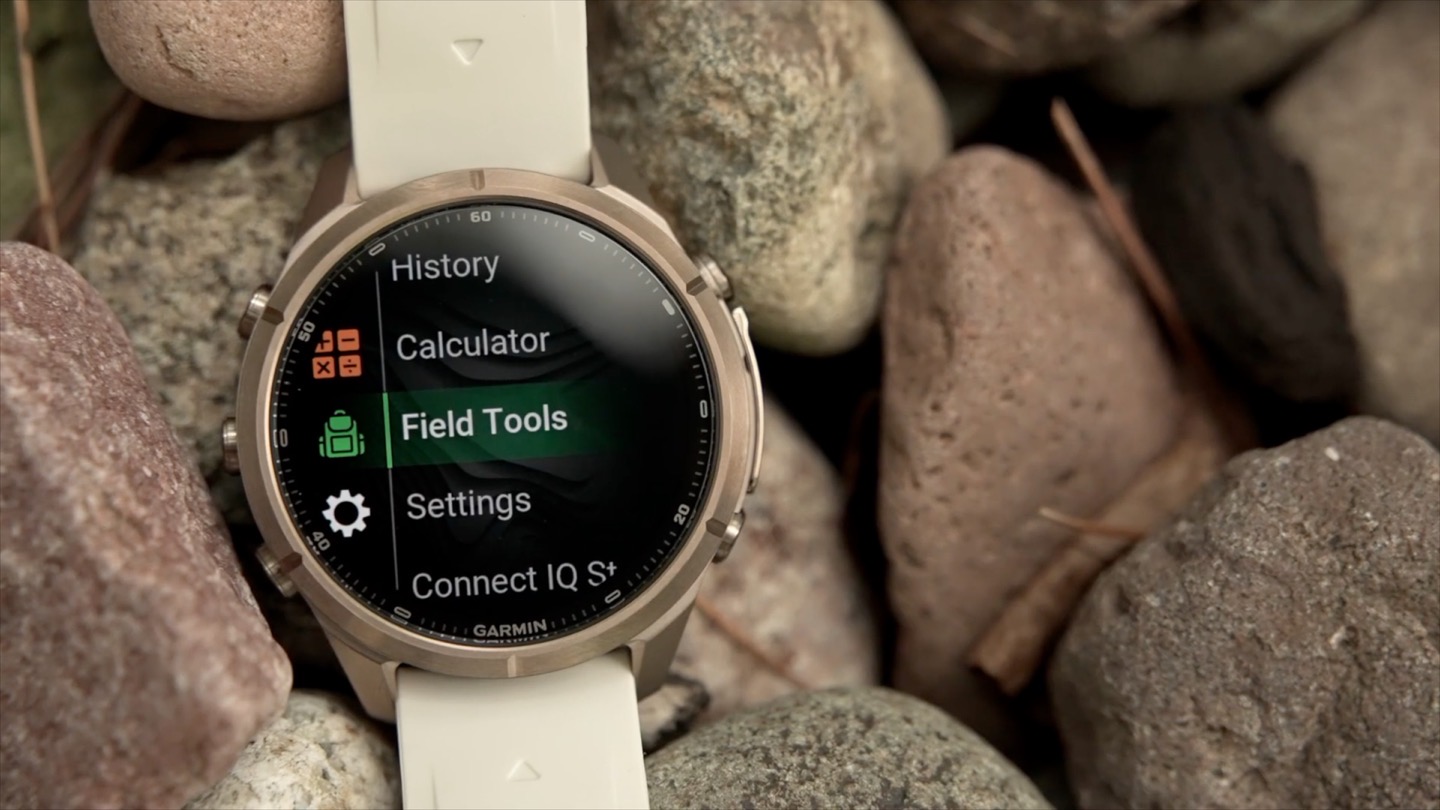
- Field Tools: A centralized utility suite encompassing ABC (Altimeter, Barometer, Compass) tools, height measurement capabilities, and reference point tracking.
Exclusive Hardware-Bound Features of the Fenix 9 Series
While the software democratization is extensive, a select cohort of features will remain exclusive to the Fenix 9 and Fenix 9 Pro series. These limitations are attributed directly to hardware architecture, memory capacity, and processing power.
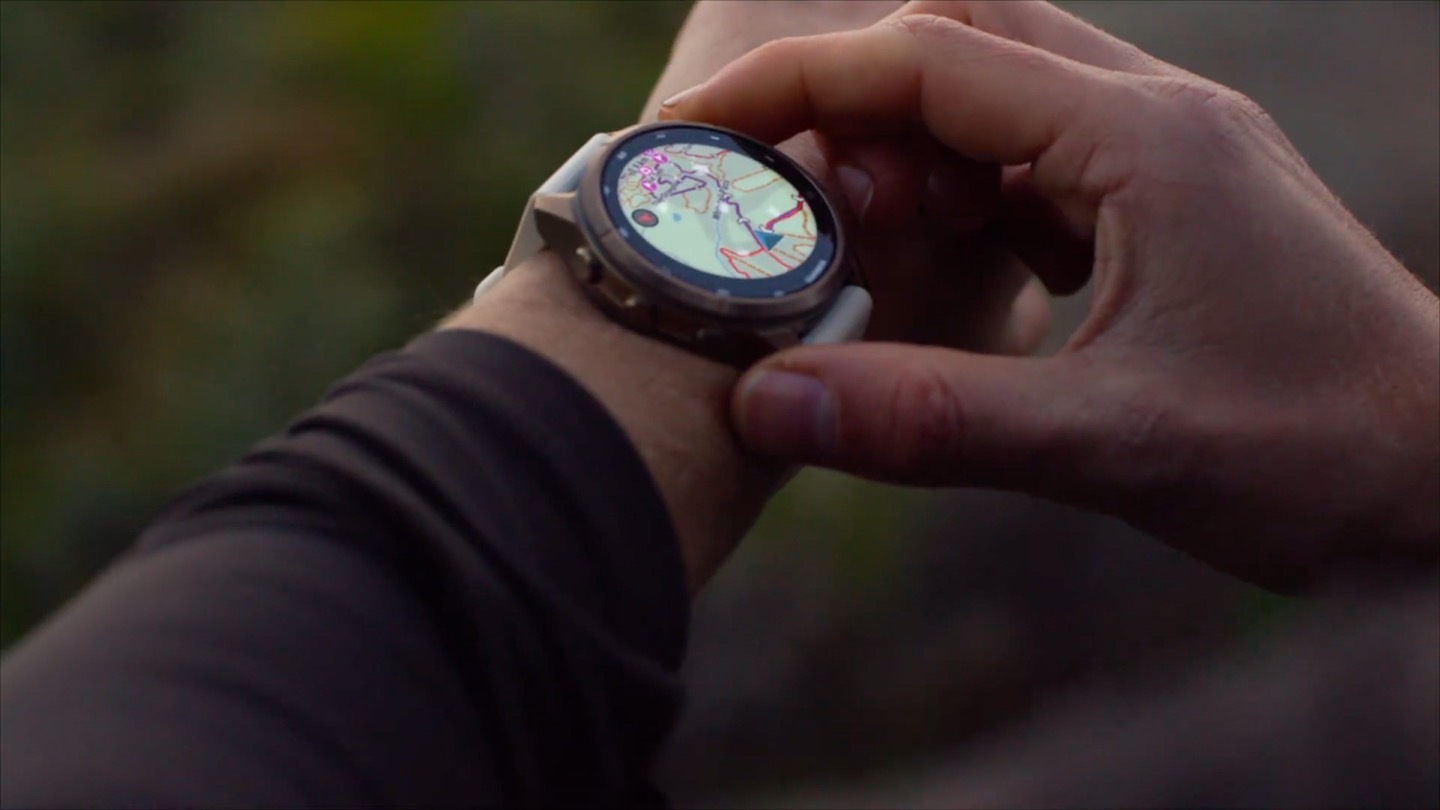
The Fenix 9 series introduces a completely overhauled mapping engine, leveraging 50% more system memory and increased internal storage. The Fenix 9 Pro variant further benefits from a next-generation processor. These hardware upgrades enable exclusive mapping capabilities, including a new Perspective View (a tilted topological perspective), significantly smoother and faster map zooming, and more responsive heading orientation updates. Garmin notes that while the Fenix 9 Pro holds a 30 to 40 percent performance advantage in panning and calculation speeds over previous generations, the core rendering improvements stem primarily from the software engine rewrite coupled with expanded memory allocations.
Other Fenix 9 exclusives include:
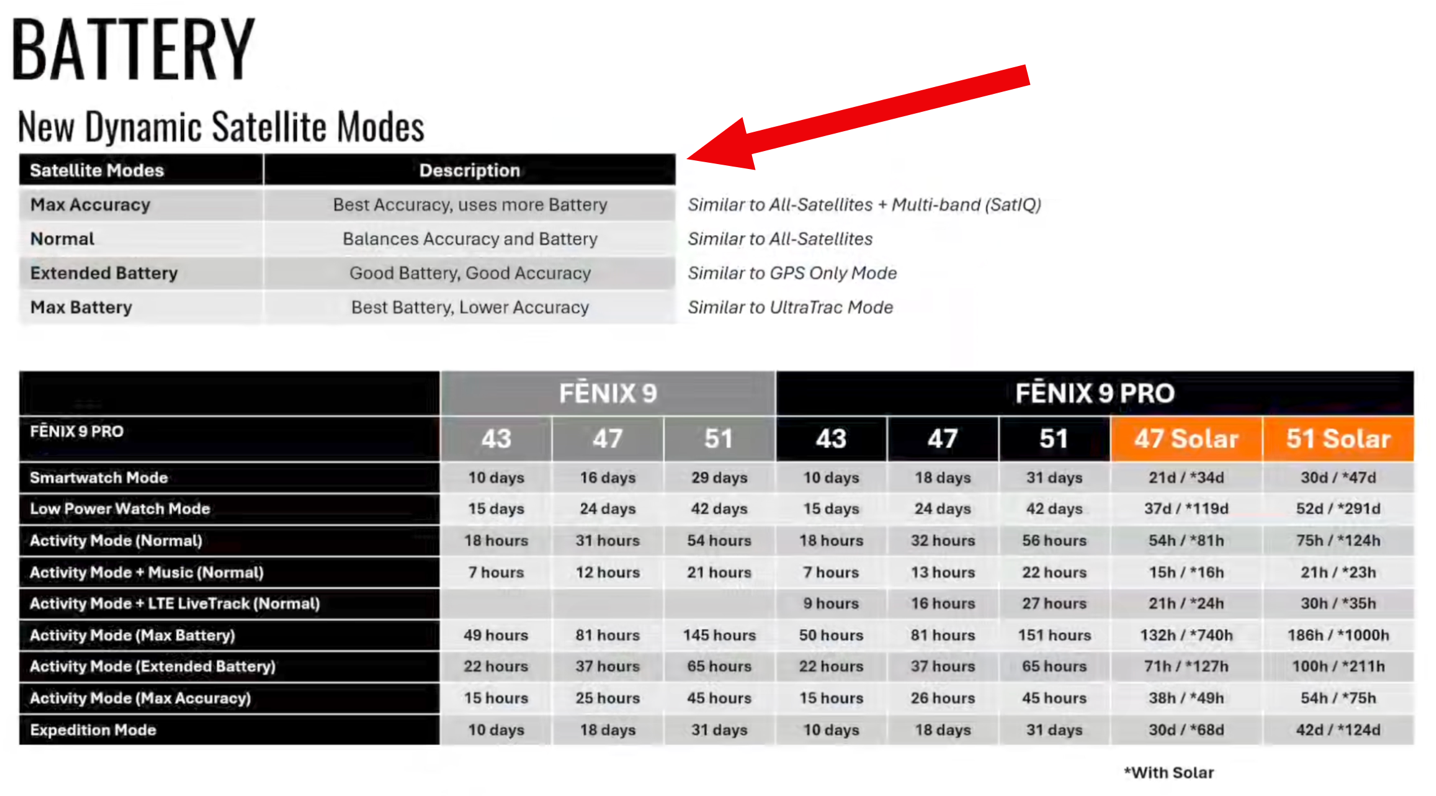
- Dynamic Battery Modes: A standardization of satellite power configurations that simplifies naming conventions and phases out forced multi-band options in favor of advanced SatIQ implementations across all variants. Garmin elected not to backport these nomenclature changes to older models to avoid necessitating a comprehensive revision of historical battery life documentation across the entire legacy catalog.
- ArcheryX: A specialized activity profile targeting archery enthusiasts, positioned as an initial hardware-tier exclusive.
Rollout Timeline and Industry Implications
The announcement has set high expectations within the athletic technology community, though practical implementation timelines remain measured. Initial speculation suggested the software package might deploy during the final quarterly maintenance release of the calendar year. However, official confirmations from Garmin indicate that the massive multi-device firmware deployment will not meet the autumn window, pushing the official rollout schedule into early next year.
The long-term implications of Garmin’s strategy shift are likely to ripple across the entire wearables sector. By treating its operating system as a unified platform rather than a series of isolated generational silos, Garmin is placing downward pressure on competitors to offer superior post-purchase software support. As consumers become increasingly sensitive to electronic waste and the lifecycle costs of smartwatches and sports computers, a commitment to sustained software longevity may well become the new industry standard.