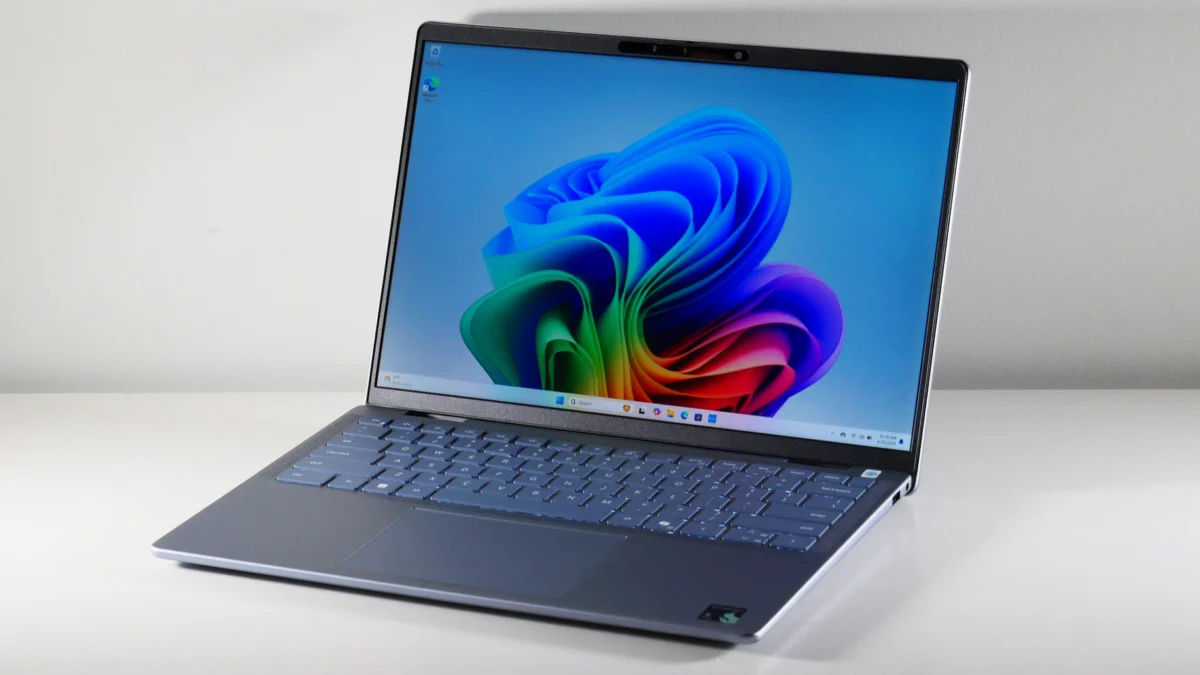
Dell remains a cornerstone of the personal computing industry, maintaining a significant market share that spans from budget-conscious students to enterprise-level professionals and high-end gaming enthusiasts. With a legacy dating back to its founding in 1984 and the release of its first laptop in 1989, the company has evolved alongside the digital age. As 2025 progresses, the landscape of Dell hardware is undergoing a structural transformation, marked by a significant shift in product nomenclature designed to streamline the consumer experience and better compete with the brand positioning of rivals like Apple.
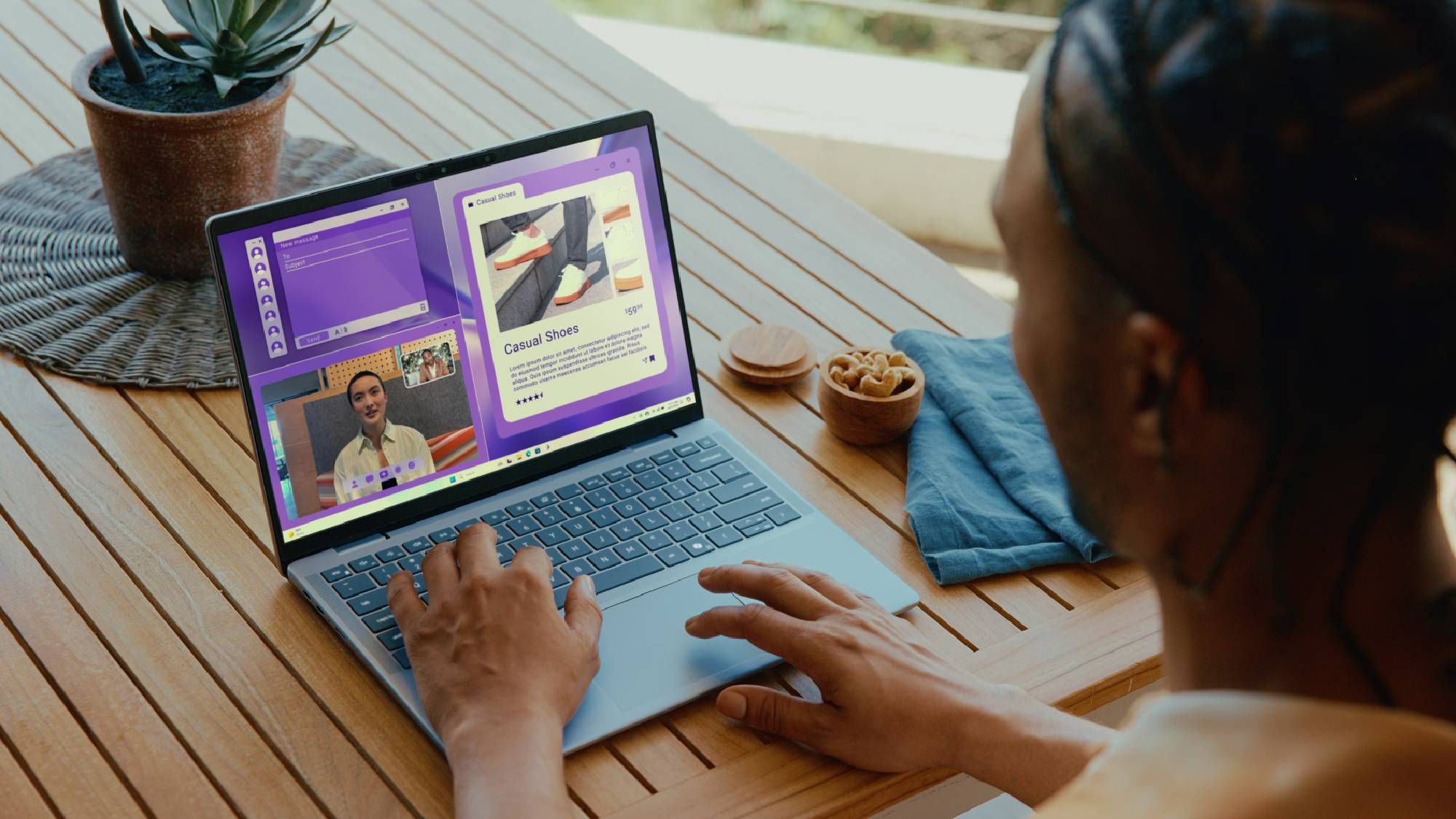
Understanding the current Dell ecosystem requires navigating a shift in branding. In January 2025, Dell announced a pivot away from familiar monikers like Inspiron, XPS, Precision, and Latitude. These are being phased out in favor of a simplified tier-based structure: Dell (entry-level), Dell Plus, Dell Premium (formerly XPS), Dell Pro (formerly Latitude), and the high-performance workstation tier, Dell Pro Max (formerly Precision). While the physical hardware and internal configurations retain their high-performance characteristics, this branding overhaul signals an attempt to clarify the value proposition for consumers who have historically found the disparate naming conventions confusing.
Performance and Hardware Evolution in 2025
The 2025 lineup is defined by the integration of cutting-edge silicon, specifically the transition to Qualcomm’s Snapdragon X series and the latest generation of Intel Lunar Lake processors. These chips have fundamentally altered the expectations for Windows-based laptops, particularly in the realms of power efficiency and battery endurance.
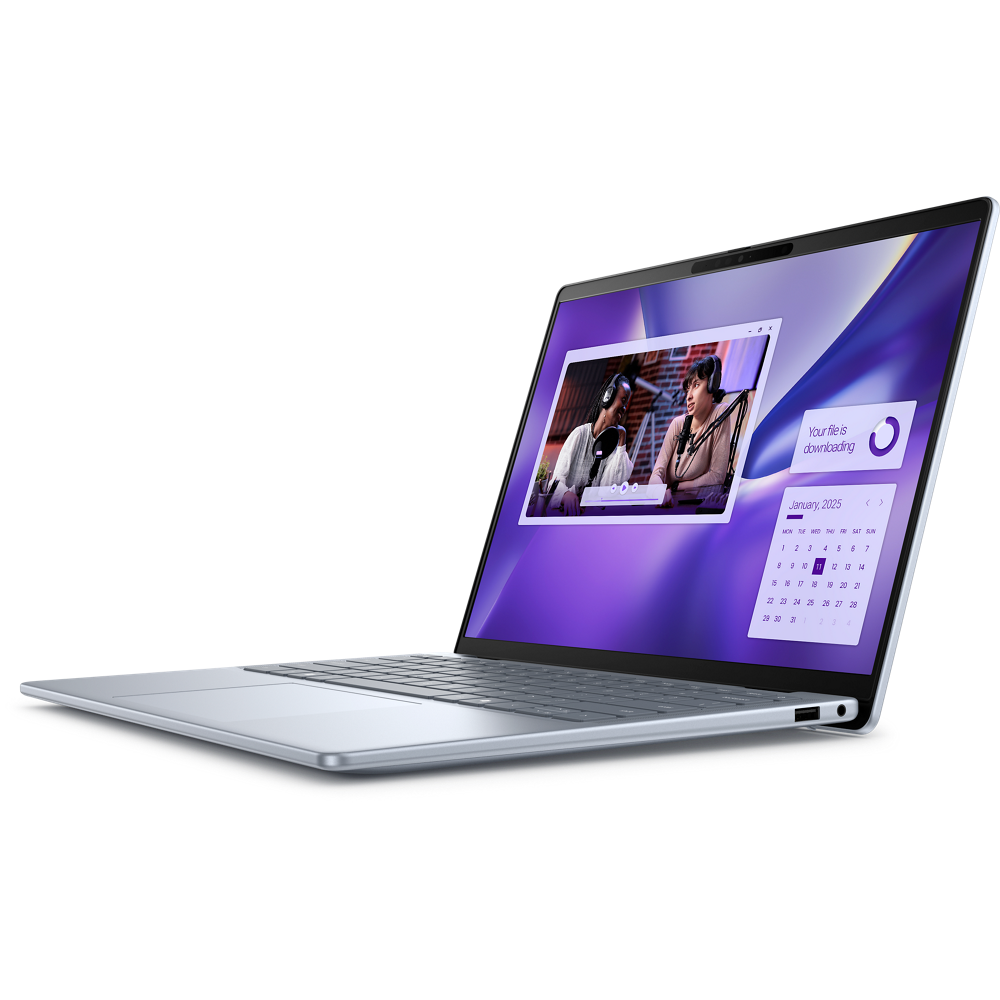
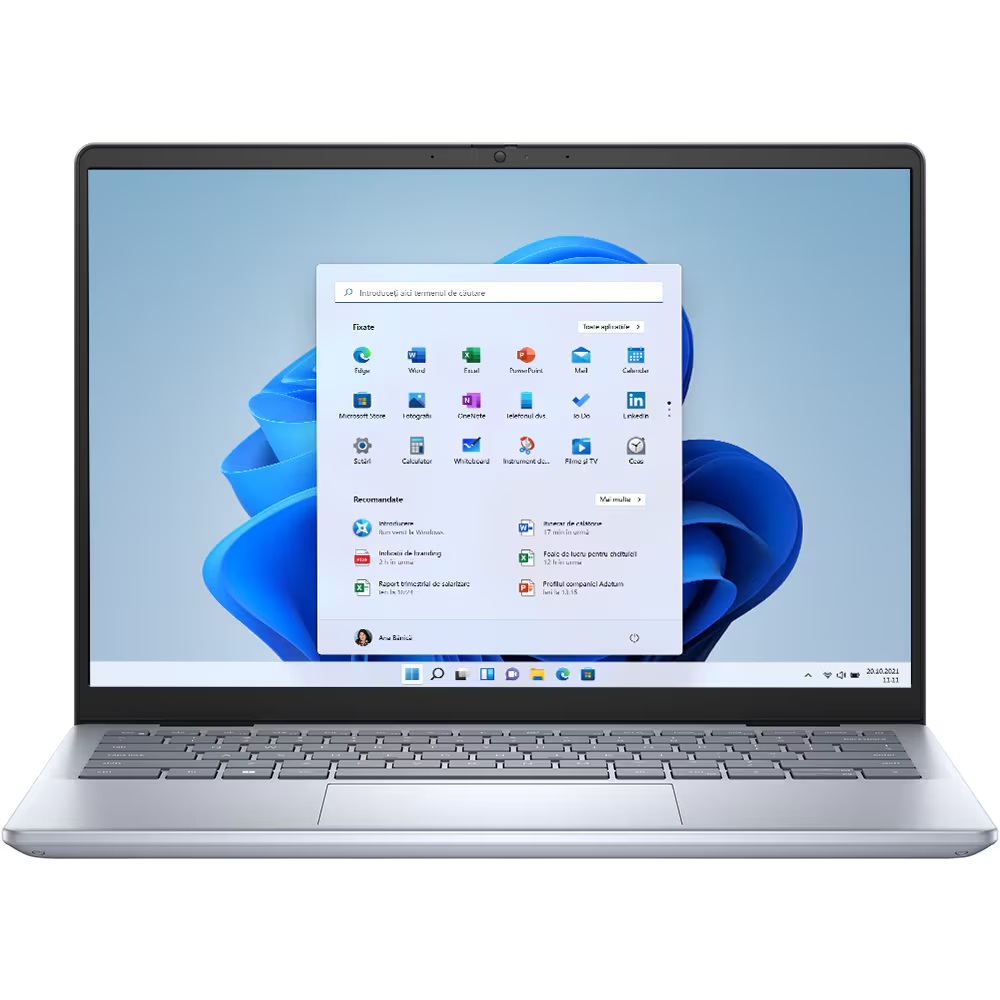
The Dell Inspiron 14 Plus (7441), now effectively serving as a flagship for the "Dell" consumer tier, highlights this evolution. Equipped with the Qualcomm Snapdragon X Plus, this device has recorded battery runtimes exceeding 18 hours in standardized testing. This represents a significant deviation from the industry standard, where thin-and-light Windows laptops typically struggled to surpass the 12-hour mark. The shift to ARM-based architecture allows for a balance of thermal efficiency and performance, enabling the device to remain cool under moderate workloads while delivering multitasking capabilities that rival traditional x86-based hardware.
Conversely, the Intel-powered variants, such as the Inspiron 14 Plus (7440) featuring Intel Meteor Lake chips, continue to provide the raw graphical power necessary for users who require legacy compatibility or more robust integrated graphics performance. The Intel Arc integrated GPU, in particular, has demonstrated the ability to handle entry-level gaming and professional creative applications, scoring substantially higher in synthetic graphics benchmarks like 3DMark’s Fire Strike than its ARM-based counterparts.
Chronology of Innovation and Strategic Shifts
Dell’s journey to its current 2025 position is a result of a multi-year strategy to pivot toward premium design and sustainable manufacturing. The 2010s were defined by the refinement of the XPS line, which introduced the "InfinityEdge" display, a design choice that forced the entire industry to reduce screen bezels.
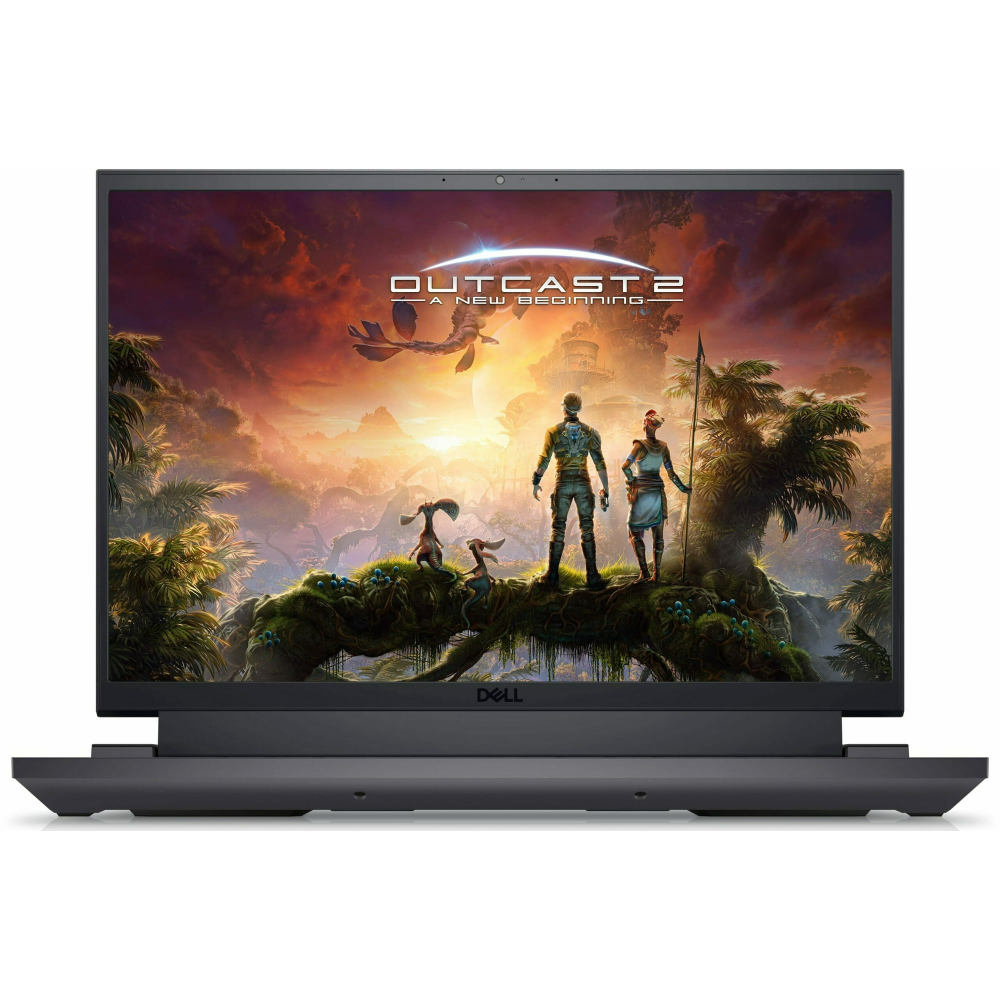
In 2023 and 2024, the focus shifted toward AI-ready hardware and the pursuit of extreme battery life. The introduction of the Snapdragon X Elite in 2024 served as a watershed moment for the company, providing the necessary hardware foundation to challenge the MacBook Air’s dominance in the ultraportable market. By the first quarter of 2025, this strategy reached its maturity, with Dell fully integrating these power-efficient chips across its thin-and-light portfolio.
Comparative Analysis of Technical Specifications
When evaluating the current fleet, data points reveal clear distinctions in use-case suitability:
- Geekbench 6 Multicore Performance: The Snapdragon X Elite-equipped XPS 13 (9345) leads the pack with a score of 14,635, significantly outpacing the 10,435 average for premium laptops. This demonstrates that for heavy multitasking, ARM-based silicon has effectively closed the performance gap with traditional desktop-grade processors.
- Display Technology: The XPS 13 OLED (9350) remains the gold standard for visual fidelity, covering 144.6% of the DCI-P3 color gamut. This level of color accuracy is essential for creative professionals, though it comes at the cost of battery efficiency compared to the standard IPS panels found in the Inspiron series.
- Thermal Management: A recurring challenge remains heat dissipation. The Intel-based 7440 Inspiron often hits surface temperatures of 108 degrees Fahrenheit under load, exceeding the 95-degree comfort threshold. This data highlights the trade-off inherent in high-performance Intel chips versus the cooler, albeit sometimes less compatible, Snapdragon architecture.
Gaming Performance in the Modern Era
The gaming sector of the Dell portfolio, anchored by the G16 (7630), proves that budget-conscious gaming is still a viable market segment. By pairing the Nvidia GeForce RTX 4060 with high-refresh-rate displays (up to 240Hz), Dell has managed to provide desktop-like gaming experiences in a portable chassis.
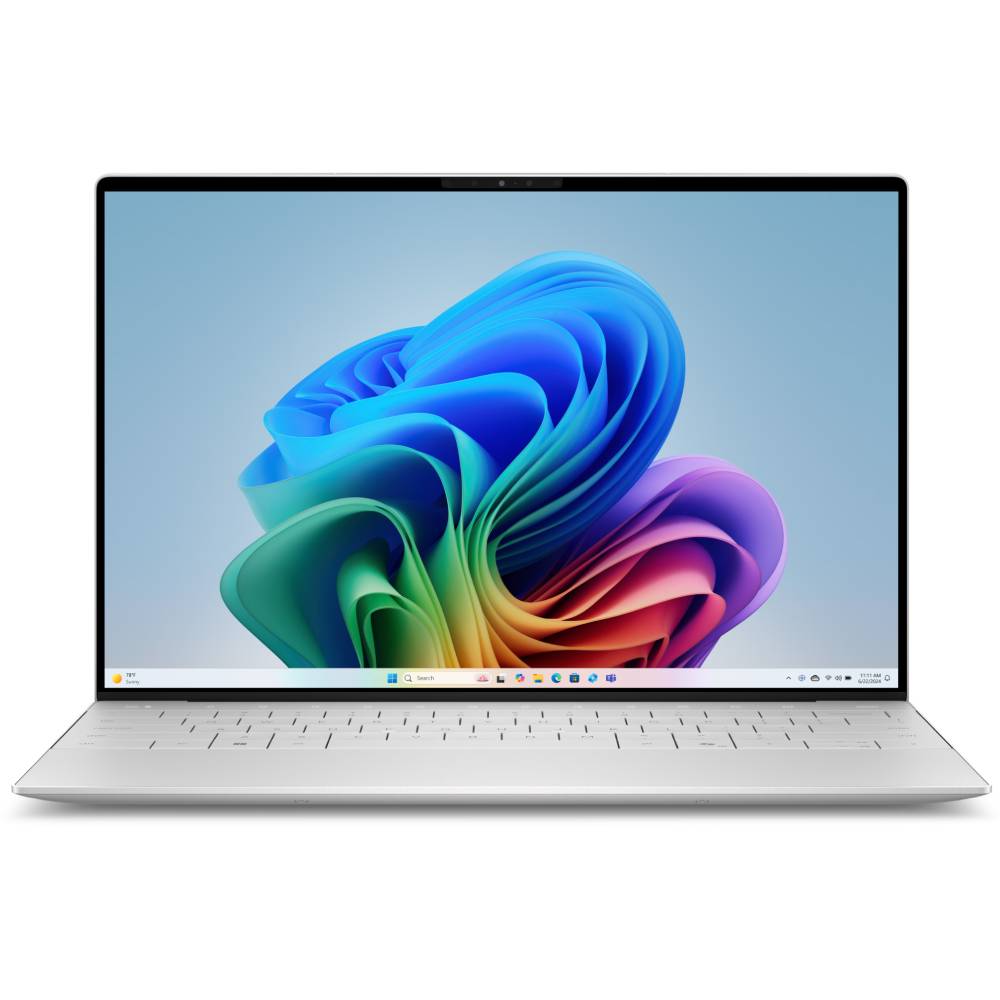
Industry analysts observe that the inclusion of Cherry MX mechanical switches in the G16 series is a strategic move to capture the enthusiast market, which typically avoids laptops in favor of custom-built desktop solutions. While the speakers and trackpads on these gaming units are often cited as areas for improvement, the core performance-per-dollar remains the highest in the current Dell lineup for gamers who do not wish to invest in the more expensive Alienware ecosystem.
Broader Implications and Market Outlook
The consolidation of the product naming structure to "Dell," "Dell Pro," and "Dell Pro Max" is more than a marketing exercise; it is an attempt to standardize the corporate and consumer procurement process. By mirroring the tiered approach utilized by smartphone manufacturers, Dell is attempting to reduce the "decision fatigue" that often plagues electronics shoppers.
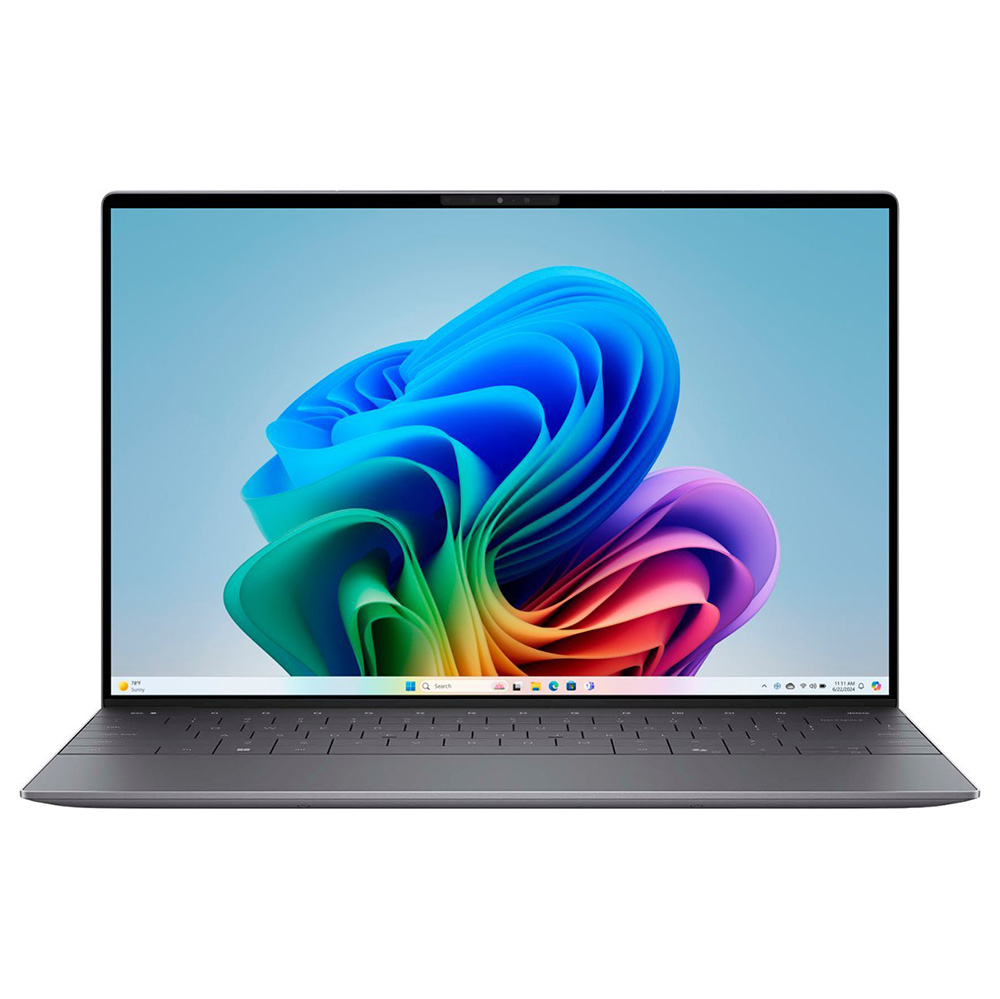
However, the transition to ARM-based Windows laptops (Windows on ARM) does carry long-term implications for software compatibility. While emulation software has improved, users relying on niche or legacy x86-specific software may still encounter stability issues. Dell’s ongoing collaboration with Microsoft to optimize the Windows on ARM experience is critical; the company’s ability to ensure a seamless transition for its enterprise clients will largely determine the success of its "Dell Pro" rebranding efforts.
Manufacturing and Global Supply Chain
Dell’s manufacturing footprint continues to span the globe, with major facilities in Austin, Texas, alongside significant operations in Shanghai, Shenzhen, Chengdu, and Limerick, Ireland. This geographic diversity is a strategic imperative in the current geopolitical climate, ensuring that supply chain disruptions in one region do not paralyze the company’s ability to deliver hardware globally.

The sustainability of this supply chain has also become a focal point for the company, as public pressure mounts regarding the environmental impact of consumer electronics. Dell’s recent initiatives to incorporate recycled materials into the chassis of its laptops and increase the reparability of its Pro-tier devices are direct responses to both regulatory requirements and consumer demand for long-term hardware viability.
Conclusion
For the consumer in 2025, the choice of a Dell laptop now boils down to three primary factors: the required performance tier, the preferred architecture (ARM vs. x86), and the display technology. The "Dell" (formerly Inspiron) line is the reliable choice for everyday productivity and students, while the "Dell Premium" (formerly XPS) range offers the industrial design and display fidelity required by power users. For those in the professional sector, the "Dell Pro" and "Dell Pro Max" tiers offer the necessary security and hardware redundancies required for high-stakes enterprise and workstation environments. As the year progresses, the success of this transition will depend on whether the consumer market accepts the simplified nomenclature as a helpful guide rather than a confusing departure from the established brand history.