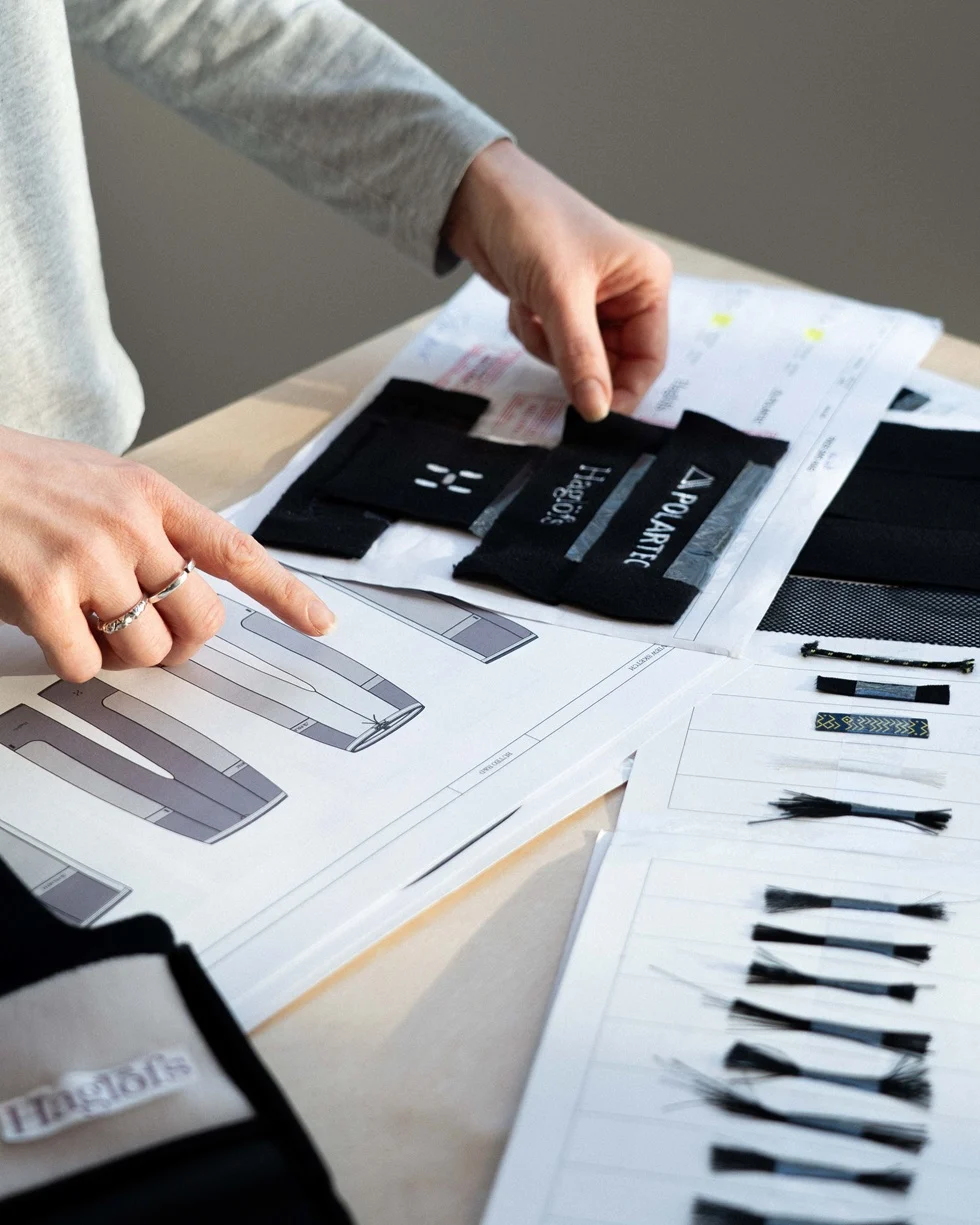
The outdoor apparel industry has long fostered a paradoxical relationship with nature. While brands market their products as tools for exploring and protecting wilderness environments, the industrial processes required to manufacture synthetic gear remain major contributors to global pollution. Among these processes, textile dyeing stands out as a resource-heavy sector plagued by inefficiencies. A hidden problem exists in plain sight across every outdoor gear retail store globally: the color black. Although countless racks display garments in what appears to be the same shade of black, a closer examination reveals dozens of marginally different tones. These variations are not the result of deliberate artistic choice, but rather the byproduct of a fragmented global supply chain where individual brands commission separate, isolated dye lots for functionally identical products.
To expose and address this systemic inefficiency, outdoor apparel maker Haglöfs partnered with technical fabric manufacturer Polartec to launch a joint initiative: Standard Issue Black. Designed to eliminate redundant manufacturing steps, this initiative establishes a single, universal shade of black shared openly across the industry. The project aims to reduce the massive environmental footprint associated with synthetic textile dyeing by replacing dozens of small, custom dye batches with a single, highly efficient large-scale production process.
The Genesis of the Project and the Black Capsule Collection
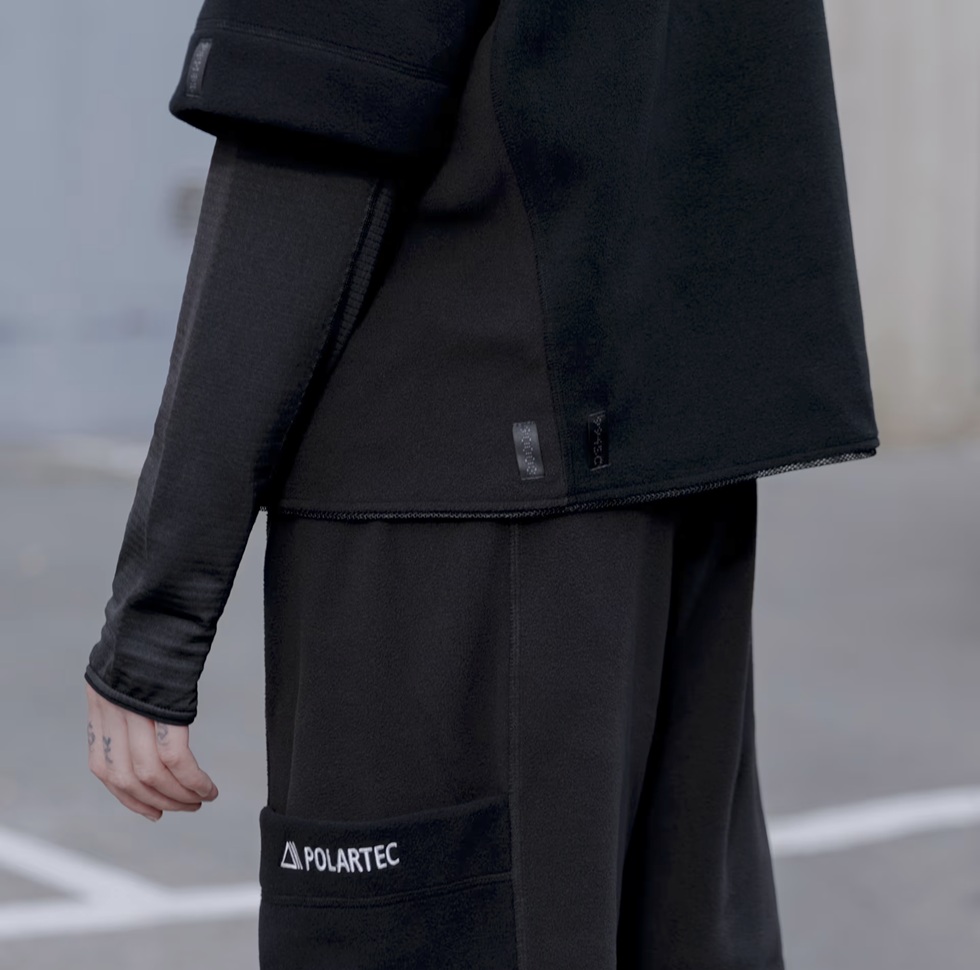
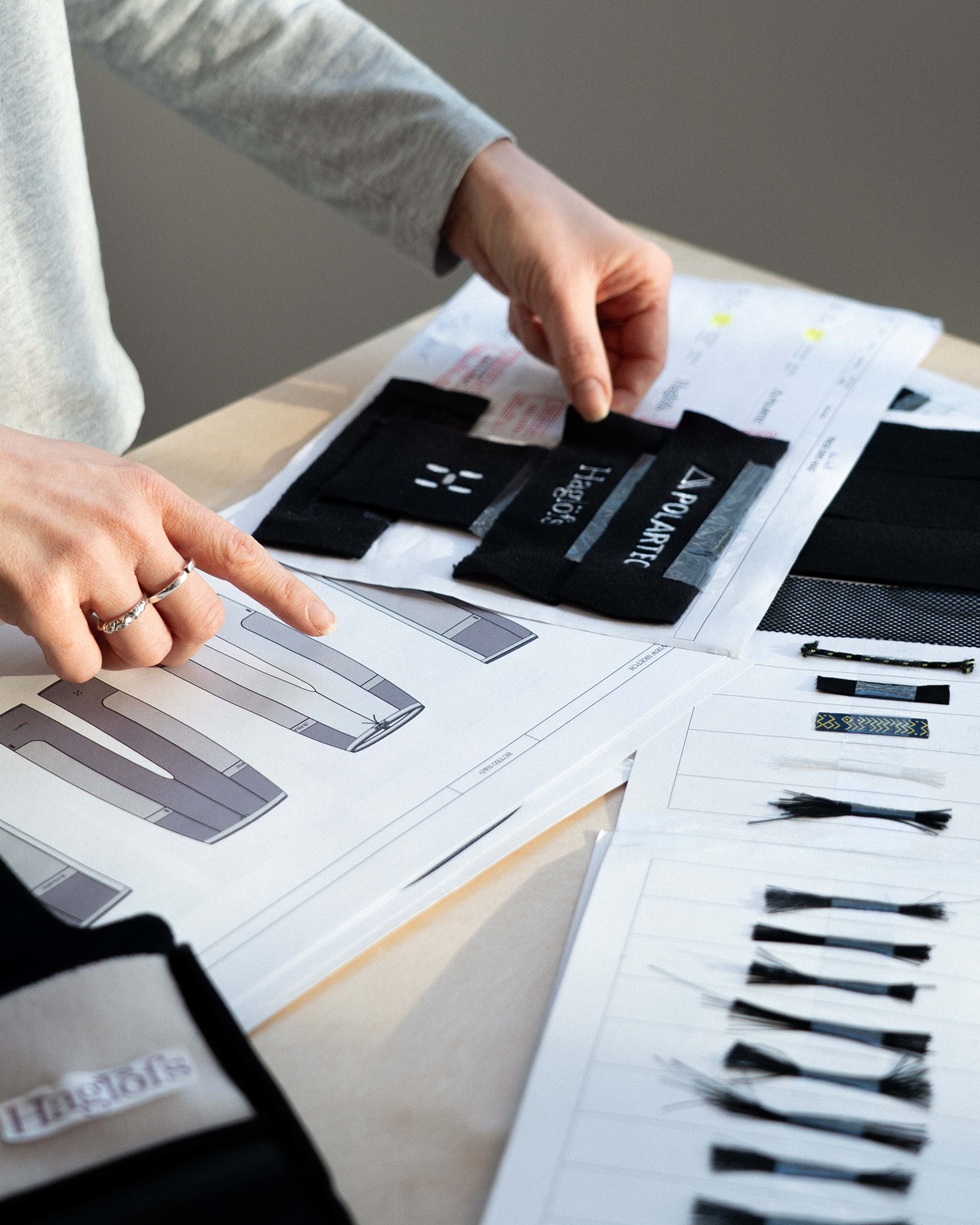
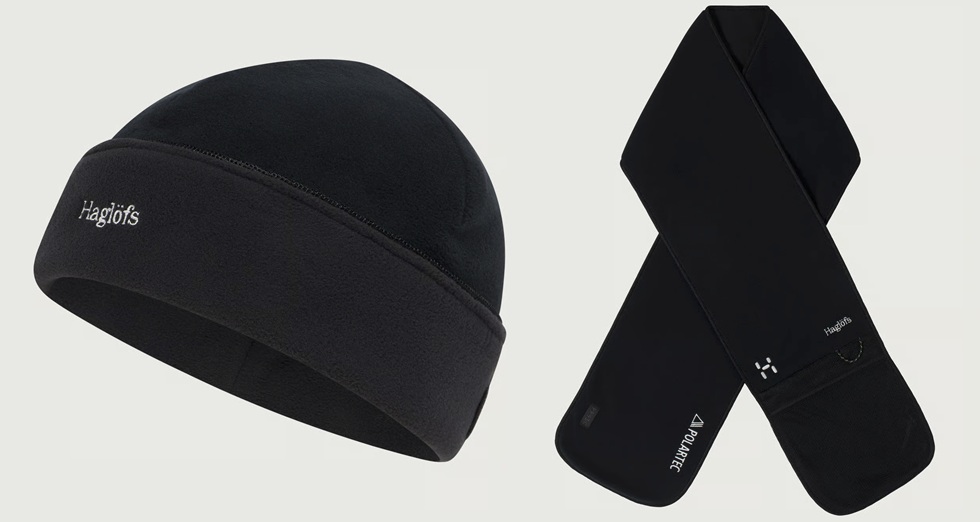
The initiative began not with mass-market manufacturing, but with a conceptual design statement known as the Black Capsule Project. Haglöfs collected leftover black Polartec fleece fabrics from multiple independent suppliers, noting that when placed side by side under optimal lighting, the materials exhibited distinct undertones and chromatic variations. To highlight this redundancy, Haglöfs constructed a limited collection of garments—including a project tee, a beanie, a scarf, and a pair of pants—assembled from disparate panels of leftover fleece.
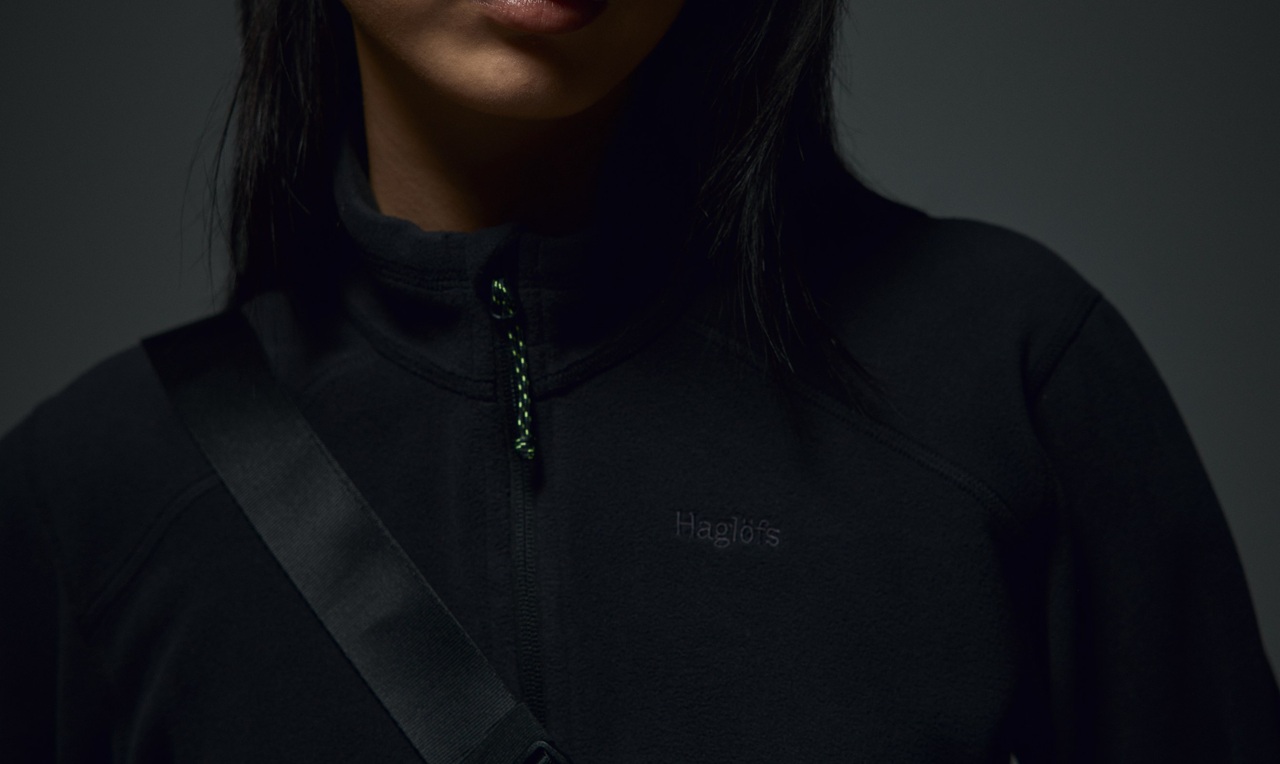
Every panel on these garments features a woven label stamped with its original color batch number. These numbers serve as physical evidence of the fragmented supply chain, demonstrating how many separate dye runs, chemical mixtures, and energy cycles were required to create a garment composed entirely of black fleece. The Black Capsule served as a tangible proof-of-concept, framing the issue not as an aesthetic challenge, but as an operational and environmental failure that the industry had quietly accepted for decades. Following the rollout of the conceptual capsule, Haglöfs and Polartec translated the concept into a commercial reality, introducing Standard Issue Black for the Fall/Winter 2026 production cycle, anchored by high-volume commercial pieces such as the Buteo Mid II Jacket.
The Mechanics of Synthetic Dyeing and the Burden of Black
To understand why the proliferation of black shades represents a significant environmental burden, it is necessary to examine the technical realities of synthetic textile manufacturing. Natural fibers like cotton and wool readily absorb water-based dyes at relatively low temperatures, requiring modest chemical inputs. In contrast, polyester—which forms the backbone of the outdoor industry’s mid-layer offerings—is hydrophobic, meaning it repels water.
Infusing color into synthetic fibers requires disperse dyes applied at high temperatures, typically exceeding 130 degrees Celsius, under significant pressure within industrial aqueous vessels. This process forces dye molecules directly into the polymer structure of the synthetic fiber. Because high-temperature, pressurized dye cycles demand substantial thermal energy to heat and maintain large volumes of water, the process is inherently energy-intensive.
Among all colors, black places the heaviest demand on this industrial machinery. Achieving a deep, consistent, and neutral black requires the layering of multiple disperse dye molecules, which in turn necessitates more complex chemical formulations, extended fixation cycles, additional water consumption, and increased heat retention time. According to industry estimates, the global textile sector accounts for approximately 20 percent of industrial water pollution, with dyeing and finishing operations responsible for the vast majority of that impact. Processing a single kilogram of dyed polyester fabric requires anywhere from 30 to 150 liters of water, placing black at the extreme upper limit of resource consumption. When hundreds of independent outdoor brands commission their own proprietary shades of black through separate dye houses, these resource expenditures are duplicated needlessly across the global supply chain.
The Minimum Order Quantity Dilemma
Beyond environmental costs, the fragmentation of black apparel is driven by operational constraints inherent in commercial textile manufacturing. Dye houses operate on minimum order quantities (MOQs) to maintain economic viability. To run a commercial dye cycle efficiently, a facility requires a minimum volume of fabric, frequently measuring in the hundreds of kilograms per batch.
When a mid-sized outdoor brand seeks a specific proprietary shade of black for a seasonal fleece line, it must commission a custom dye recipe and order enough fabric to meet the dye house’s minimum threshold. If the brand’s sales volume does not support large-scale consumption of that specific shade, it incurs financial premiums for small-batch production. Furthermore, because multiple competing brands follow this exact procedure independently, the aggregate market winds up supporting dozens of parallel dye runs that yield virtually indistinguishable results. Each separate run requires its own laboratory recipe development, laboratory dips, quality control approvals, and chemical waste management streams. The overarching problem is not any single brand’s purchasing decision, but rather the cumulative irrationality of thousands of decentralized choices yielding identical consumer outcomes.
The Environmental Arithmetic of Standardization
Standard Issue Black offers a direct structural remedy to this inefficiency through batch consolidation. By agreeing on a single, standardized shade of black, Haglöfs and Polartec have streamlined production so that large volumes of fabric can be dyed concurrently in massive, continuous runs.
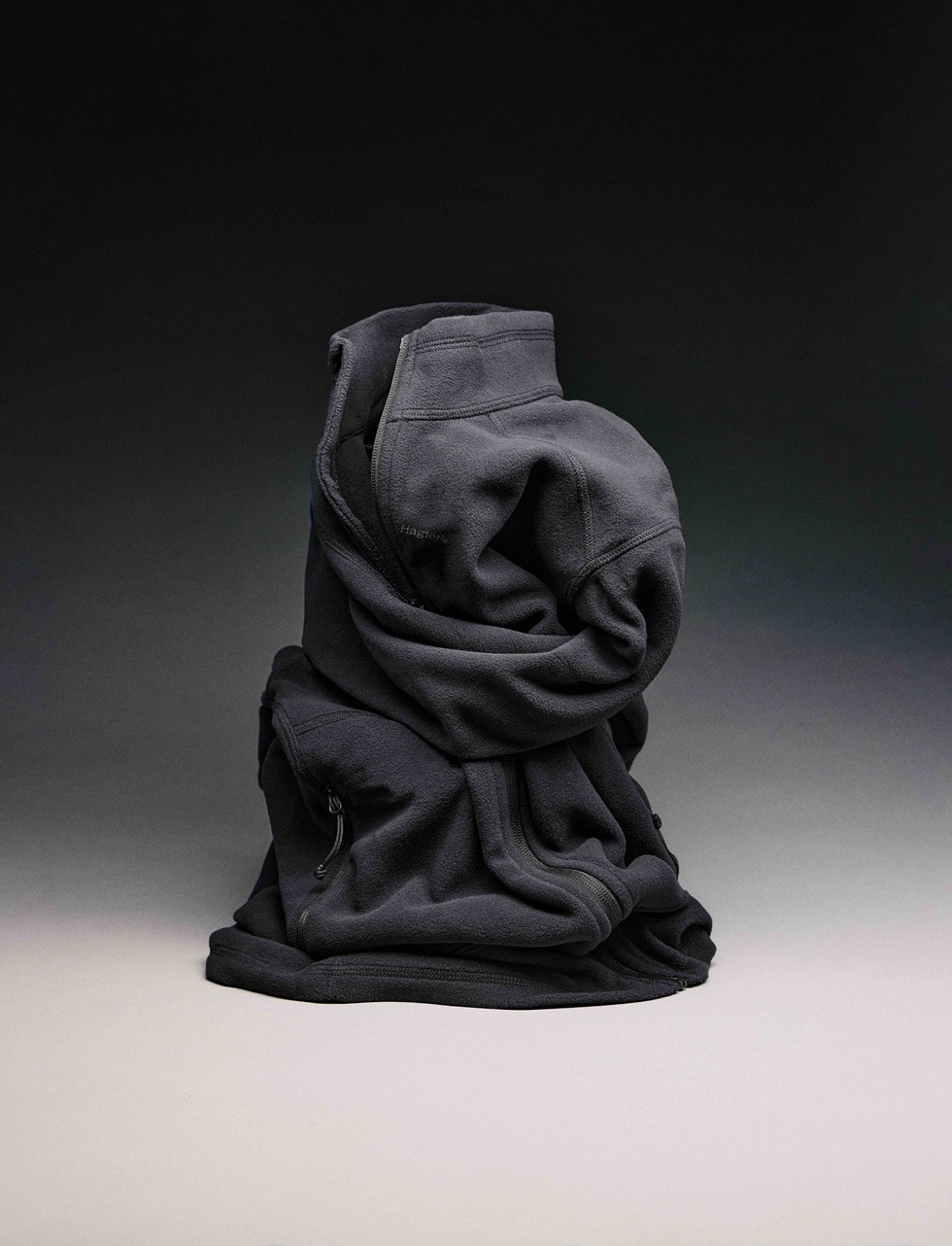
Internal corporate assessments conducted by Haglöfs project that transitioning to a universal black standard can yield greater than a 50 percent reduction in water consumption and at least a 20 percent reduction in energy utilization compared to traditional piece-dyed black synthetic fabrics. While these figures originate from corporate sustainability assessments rather than independent academic verification, the underlying chemistry and industrial engineering principles are well established. Consolidating smaller production runs into unified batches reduces the frequency of machine cleaning cycles, lowers total water usage per kilogram of finished textile, and optimizes thermal energy retention.
Crucially, Haglöfs and Polartec elected not to gatekeep this standard behind proprietary patents or licensing fees. By making the specification openly available to the wider outdoor apparel sector, the creators of the initiative invited competing brands to tap into the same established supply chain, allowing the entire industry to share in the efficiency gains.
Addressing Industry Skepticism and the Creativity Question
Despite clear operational and environmental advantages, new textile standardization initiatives frequently encounter resistance from design teams and corporate leadership. The primary objection raised by apparel designers centers on creative restriction. The concern is that if multiple brands utilize the exact same shade of black, product differentiation will erode, leading to homogenized retail displays.
Industry veterans, however, argue that this perspective misunderstands where differentiation occurs in technical apparel. Brand identity and product distinction in the outdoor sector are driven by structural engineering, cut and silhouette, specialized hardware, proprietary fabric weaves, trim details, seasonal accent colorways, and functional design specifications. Black functions primarily as a neutral baseline across collections, rarely serving as the core differentiator for a technical garment.
Eva Weiss, Head of Design and R&D at Haglöfs, addressed this creative concern directly during the rollout of the initiative, noting that standardization does not inherently stifle creativity. By establishing a reliable, pre-approved foundational black, design teams are liberated to focus their creative energy on functional innovation, architectural patterning, and sustainable material alternatives.
This operational philosophy parallels other historical shifts in the textile and apparel sectors. Decades ago, the outdoor industry quietly standardized around a small number of fastener and closure systems, most notably YKK zippers. The near-universal adoption of these hardware standards did not diminish aesthetic diversity or creative expression among apparel designers; rather, it removed friction from the supply chain, allowing brands to focus on performance and fit. Proponents of Standard Issue Black argue that color standardization can achieve a similar structural evolution.
Broader Industry Implications and the Road Ahead
The long-term success of Standard Issue Black depends entirely on broader market adoption. The outdoor apparel industry possesses a documented history of introducing well-intentioned sustainability initiatives that receive praise within trade circles but fail to achieve widespread cross-brand implementation due to corporate inertia, competitive silos, or apprehension regarding supply chain modifications.
Furthermore, sustainability initiatives frequently confront the challenge of the "green premium," wherein eco-friendly innovations carry higher price points that may deter cost-sensitive consumers. Standard Issue Black circumvents this economic hurdle because supply chain consolidation naturally lowers production costs rather than increasing them. The economic incentives are neutral to positive, aligning commercial viability with environmental stewardship.
Nevertheless, institutional inertia remains a formidable obstacle. Disrupting entrenched manufacturing habits—even to adopt a more efficient alternative—requires coordination across international supply chains involving fiber producers, dye houses, mills, and finished goods manufacturers.
By commercializing the standard through high-volume bestsellers like the Buteo Mid II Jacket for the Fall/Winter 2026 season, Haglöfs has transitioned Standard Issue Black from a theoretical concept into a scalable market reality. Whether competing brands recognize the systemic waste of parallel dye runs and choose to adopt the universal standard will determine if the initiative remains an isolated corporate policy or catalyzes a permanent, industry-wide shift in how technical apparel is manufactured.