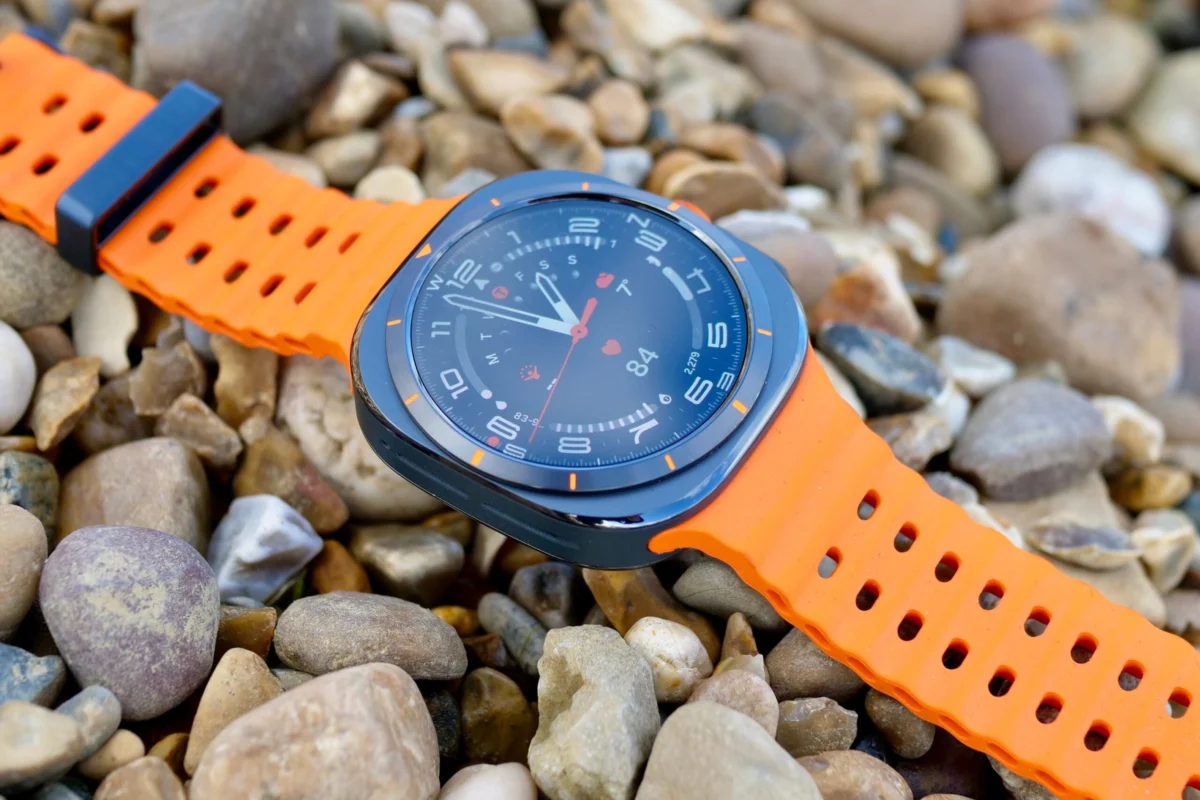
The latest information stems from promotional images shared by a prominent source on X (formerly Twitter). While the source has been associated with the "evleaks" handle, the marketing assets bear the unmistakable hallmarks of official Samsung documentation, providing a level of detail that contradicts or refines earlier speculation. These leaks arrive at a pivotal moment for Samsung as it seeks to consolidate its position in the premium smartwatch market, a segment increasingly defined by "Pro" and "Ultra" models capable of withstanding extreme environments.
The Push for Professional Diving Certification
For years, the distinction between a "water-resistant" smartwatch and a "diving" smartwatch has been a point of contention for outdoor enthusiasts. While previous iterations of the Galaxy Watch Ultra boasted 10ATM water resistance, Samsung’s official documentation frequently included disclaimers advising users against high-velocity water sports, scuba diving, or freediving. This limitation stood in stark contrast to the Apple Watch Ultra series, which launched with EN13319 certification—the international standard for diving accessories and depth gauges.
The leaked promotional materials for the Galaxy Watch Ultra 2 indicate that Samsung has finally secured EN13319 certification for its flagship wearable. This certification is a rigorous European standard that tests the functional safety and accuracy of depth-measuring devices used in recreational diving. By achieving this benchmark, the Galaxy Watch Ultra 2 moves beyond being a lifestyle accessory and enters the realm of specialized sports equipment. This transition is expected to include the introduction of a dedicated "Dive Mode" interface, capable of tracking current depth, maximum depth, water temperature, and decompression limits.

The move to include diving capabilities is a direct challenge to the Apple Watch Ultra 3, which is expected to debut later this year. By closing this "diving gap," Samsung is appealing to a niche but influential demographic of adventure athletes who require a device that can transition seamlessly from a boardroom to the depths of the ocean. Furthermore, the inclusion of an IP69K rating—an upgrade from the standard IP68—suggests the device is built to withstand high-pressure water jets and steam cleaning, further reinforcing its rugged credentials.
Battery Breakthroughs in the Galaxy Watch 9 Series
While the Ultra model captures headlines for its ruggedness, the standard Galaxy Watch 9 series is receiving updates that may have a more significant impact on the average consumer’s daily experience. One of the most persistent criticisms of smaller smartwatches—specifically those in the 40mm category—has been their limited battery life. Initial reports suggested that the 40mm Galaxy Watch 9 would stick with the 325mAh battery found in the Watch 8. However, the new leaks present a much more optimistic picture.
According to the leaked marketing slides, the 40mm Galaxy Watch 9 will feature a 390mAh battery. This represents a substantial 20% increase in capacity over its predecessor. In the context of wearable technology, where internal real estate is at an absolute premium, a 20% increase is a major engineering achievement. When paired with the rumored Snapdragon Wear Elite processor, which is expected to be significantly more power-efficient than previous chips, the 40mm model could finally provide the multi-day battery life that users of smaller wrists have long requested.
The larger 44mm variant of the Galaxy Watch 9 is also seeing an upgrade, with a confirmed 445mAh battery. While this matches earlier reports, the synergy between larger batteries and the new Qualcomm silicon suggests that Samsung is prioritizing longevity across its entire lineup. The Snapdragon Wear Elite is built on a 4nm process and is rumored to offer substantial gains in CPU and GPU performance, ensuring that the increased battery capacity isn’t simply consumed by more demanding software.

Engineering the Ultra 2: Thinner Case, Larger Cell
Perhaps the most impressive technical detail revealed in the leaks concerns the physical dimensions and power storage of the Galaxy Watch Ultra 2. Samsung is reportedly fitting the device with a massive 800mAh battery—a significant jump from the 590mAh cell found in the original Ultra. Historically, increasing battery size by nearly 35% would result in a bulkier, heavier chassis. However, the leaked data indicates that Samsung has managed to make the case 12% thinner.
This reduction in thickness, while simultaneously increasing battery capacity, suggests a total redesign of the internal architecture and perhaps the use of higher-density battery chemistry. A thinner "Ultra" watch would address another common user complaint: that high-end rugged watches are often too cumbersome to wear with long sleeves or during sleep tracking. By slimming down the profile without sacrificing endurance, Samsung is positioning the Ultra 2 as a more versatile "everyday" watch that doesn’t compromise on its "extreme" utility.
In addition to its physical refinements, the Galaxy Watch Ultra 2 is expected to feature a display capable of reaching a staggering 5,000 nits of peak brightness. For comparison, most high-end smartphones peak between 2,000 and 2,500 nits. This level of luminosity is designed to ensure perfect legibility in the harshest conditions, such as direct sunlight on a snow-covered mountain or the reflective surface of the open sea.
Chronology of Development and Market Context
The evolution of the Galaxy Watch line has been a journey of steady refinement since Samsung transitioned from its proprietary Tizen OS to Google’s Wear OS with the Galaxy Watch 4. This shift allowed Samsung to tap into a broader ecosystem of apps while maintaining its signature hardware design. The introduction of the "Ultra" tier in 2024 marked a new chapter, as Samsung sought to compete with Garmin and Apple in the high-performance sector.

The timeline leading up to the July 22 Unpacked event has been marked by several key milestones:
- Early 2024: Rumors emerge regarding a new "Elite" tier of Qualcomm wearable processors.
- Spring 2024: Regulatory filings in various regions hint at new battery model numbers for Samsung wearables.
- June 2024: Initial renders of the Galaxy Watch Ultra 2 leak, showing a refined titanium chassis and a new orange "action" button.
- July 2024: Detailed marketing materials leak, confirming EN13319 certification and the unexpected battery boost for the 40mm model.
This progression shows a clear strategic intent. Samsung is no longer content with being the "best Android alternative" to the Apple Watch; it is actively attempting to surpass its rival in specific technical specifications, such as screen brightness and battery density.
Broader Implications for the Wearable Ecosystem
The implications of these upgrades extend beyond Samsung’s own bottom line. The competitive pressure exerted by the Galaxy Watch Ultra 2 is likely to force a response from other major players. Apple, which has enjoyed a relatively comfortable lead in the "luxury rugged" smartwatch space, may find itself needing to accelerate the deployment of new sensors or battery technologies in the Apple Watch Ultra 3.
Furthermore, the focus on EN13319 certification signifies a broader trend of smartwatches cannibalizing the market for specialized equipment. Just as smartphones rendered point-and-shoot cameras obsolete for most users, "Ultra" smartwatches are beginning to replace entry-level dive computers and dedicated handheld GPS units. For the average consumer, this means more value and utility in a single device; for specialized manufacturers like Suunto or Garmin, it represents a significant competitive threat in their core markets.

The emphasis on battery life in the standard Galaxy Watch 9 also signals that the industry is finally moving past the "one-day battery" hurdle. As efficiency improves, we may see a shift in how these devices are used, with more emphasis on continuous health monitoring and advanced sleep analytics that require the watch to remain on the wrist for several days at a time.
Anticipation for Galaxy Unpacked
While the leaked images and specifications provide a nearly complete picture of what to expect, several questions remain that only the official July 22 event can answer. These include the pricing structure for the new models, the specific software features of Wear OS 5 (or Samsung’s One UI Watch 6 skin), and whether Samsung has developed any new health sensors, such as the long-rumored non-invasive blood glucose monitoring.
Industry analysts expect Samsung to lean heavily into the "AI" narrative during the presentation, likely showcasing how artificial intelligence can interpret the data gathered by the new sensors to provide more personalized health and fitness coaching. With the Galaxy Watch Ultra 2’s enhanced durability and the Galaxy Watch 9’s improved battery, Samsung has the hardware foundation necessary to support these sophisticated software features.
As the launch date approaches, the tech community remains focused on how these hardware improvements will translate into real-world performance. If the Galaxy Watch Ultra 2 can indeed deliver a credible diving experience while maintaining its thinner profile and massive battery life, it may well become the new benchmark for what a flagship smartwatch should be in 2025 and beyond. For now, the leaked promotional materials suggest that Samsung is more than ready to take the plunge.