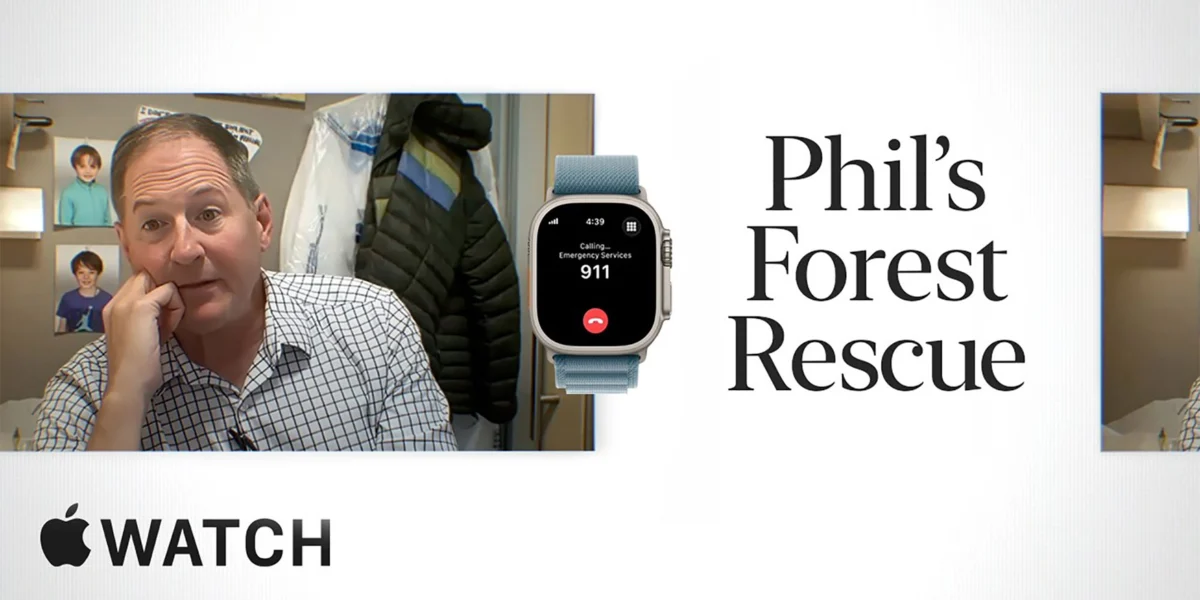
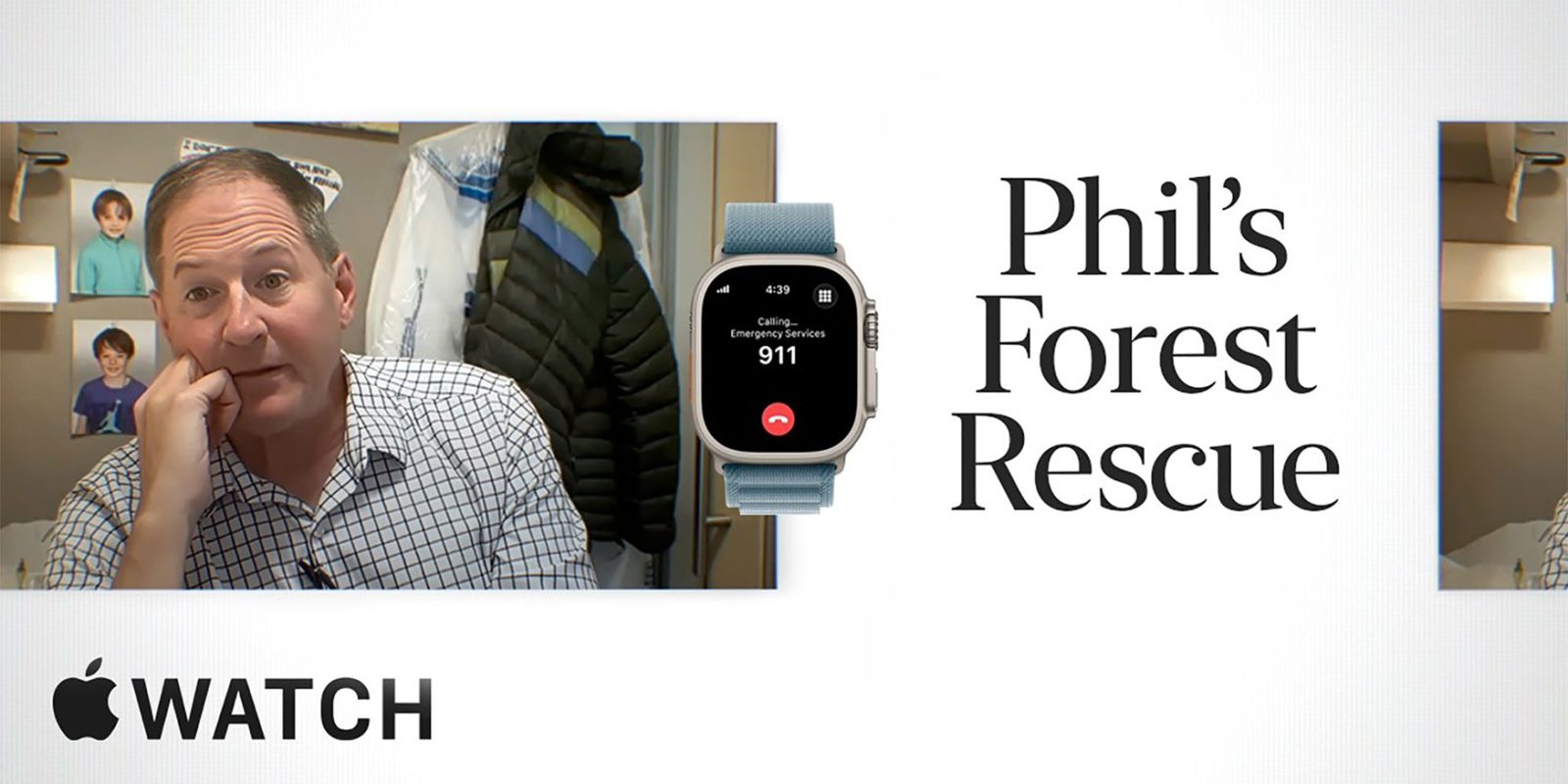
The intersection of wearable technology and emergency medical response has reached a new milestone as Apple released a detailed testimonial highlighting the life-saving capabilities of the Apple Watch. In a newly published video on its official YouTube channel, the technology giant recounts the harrowing experience of a mountain cyclist named Phil, whose Apple Watch served as the sole link to emergency services following a catastrophic accident that left him incapacitated. This latest installment in Apple’s ongoing campaign to highlight the practical safety benefits of its hardware underscores how Fall Detection and Emergency SOS features are evolving from supplemental conveniences into critical tools for survival in remote or high-risk environments.
The Anatomy of an Accident: Phil’s Survival Story
The incident occurred while Phil was mountain biking with his children, an activity he had performed many times before. However, a momentary lapse in judgment during a takeoff resulted in a violent crash. According to Phil’s account in the Apple-commissioned video, he "misjudged" his trajectory, leading to a high-impact fall that resulted in a broken collarbone and seven broken ribs. The severity of the impact was enough to render him immediately unconscious, leaving him unable to call for help or signal his children, who were further along the trail.
In such scenarios, medical professionals often refer to the "Golden Hour"—the critical window of time during which medical intervention is most likely to prevent death or permanent disability. For Phil, who was unconscious and suffering from multiple fractures that could lead to internal bleeding or a collapsed lung (pneumothorax), the countdown to medical intervention began the moment he hit the ground.
Without manual intervention from the user, the Apple Watch’s Fall Detection sensors—utilizing a high-dynamic-range accelerometer and a sophisticated gyroscope—identified the signature patterns of a "hard fall." When the device detected that Phil remained immobile for approximately one minute following the impact, it automatically initiated a sequence to contact local emergency services. By transmitting his precise GPS coordinates to dispatchers, the device allowed firefighters to navigate the difficult terrain of the mountain bike trail and locate him swiftly. Phil was subsequently transported to a hospital, where he spent a week in intensive recovery.

The Mechanics of Fall Detection and Emergency SOS
The technology that saved Phil is the result of years of iterative engineering. Apple first introduced Fall Detection with the Apple Watch Series 4 in 2018. The feature is designed to distinguish between a "hard fall" and everyday movements, such as a person clapping their hands or jumping. The device’s sensors sample data at a high frequency—up to 3,000 times per second—to identify the specific velocity and impact profile of a fall.
When a hard fall is detected, the watch taps the user on the wrist, sounds an alarm, and displays an on-screen alert. The user has the option to dismiss the alert if they are unharmed or to tap a button to call emergency services immediately. However, the system is specifically designed for scenarios like Phil’s: if the device detects no movement for 60 seconds, it begins a 30-second countdown while haptically alerting the wearer. If there is still no response, the watch automatically places a call to emergency services and plays an audio message that informs the dispatcher of the fall and provides the user’s latitude and longitude coordinates.
Furthermore, if the user has set up a Medical ID in the Health app, the Apple Watch can automatically notify designated emergency contacts with a text message and a map of the user’s location at the time of the fall. This multi-tiered approach ensures that both professional first responders and family members are alerted simultaneously.
A Pattern of Rescue: Apple’s Marketing and Real-World Evidence
The story of Phil is not an isolated incident but rather the latest chapter in Apple’s strategic effort to position its wearables as essential health and safety devices. This video comes nearly a year after Apple’s October 2025 "Awe Dropping" event, where the company dedicated a significant portion of its presentation to users who had survived life-threatening situations thanks to their devices. Those testimonials covered a range of emergencies, including heart rate alerts that caught undiagnosed cardiac conditions and Crash Detection features that alerted authorities to remote vehicular accidents.
Earlier this year, Apple launched a similar campaign in China titled "Thankfully, I was wearing it." That campaign focused on three distinct users who utilized Fall Detection, Crash Detection, and heart rate notifications. By focusing on international markets, Apple is highlighting the global efficacy of its emergency infrastructure. The integration of these features with local emergency dispatch systems requires significant cooperation with telecommunications providers and government agencies across different jurisdictions.
Chronology of Apple Watch Safety Milestones
To understand the context of Phil’s rescue, it is necessary to look at the timeline of how Apple has integrated safety features into its ecosystem:
- September 2018: Apple Watch Series 4 launches with Fall Detection. Initially, the feature was turned off by default for users under age 65, though it could be manually enabled.
- September 2021: Fall Detection is updated to specifically recognize the dynamics of cycling-related falls, which often involve different speeds and impact angles than pedestrian trips.
- September 2022: Apple introduces Crash Detection with the Series 8 and Ultra models, utilizing a new dual-core CPU and high-g accelerometer capable of sensing impacts up to 256 Gs.
- Late 2022: Emergency SOS via Satellite is introduced for iPhone 14, which can work in tandem with the Apple Watch when cellular and Wi-Fi signals are unavailable, expanding the safety net to the most remote wilderness areas.
- 2024-2025: Continuous software refinements in watchOS allow for better filtering of "false positives," ensuring that emergency services are not overwhelmed by accidental triggers while maintaining high sensitivity for actual accidents.
Professional and Medical Analysis
Medical experts and first responders have generally lauded the inclusion of automated alert systems in consumer electronics. Capt. Thomas Miller, a veteran first responder (speaking generally on the impact of wearable tech), notes that "the biggest challenge in wilderness or trail rescues is not the treatment, but the location. If we have coordinates within meters of the victim, it can save thirty minutes to an hour of search time. In a trauma situation, that is the difference between life and death."
From a data perspective, the efficacy of these devices is increasingly supported by clinical observation. Studies in the Journal of Emergency Medicine have suggested that "wearable-initiated alerts" significantly reduce the "time to discovery" for elderly patients who live alone and for outdoor enthusiasts who engage in solo activities. While Apple does not release specific figures on how many lives have been saved, the sheer volume of documented testimonials suggests a significant impact on public safety.
Broader Implications for the Wearables Market
The narrative surrounding Phil’s rescue also serves a broader corporate strategy. As the smartphone market matures, Apple and its competitors (such as Samsung and Garmin) are looking to wearables to drive future growth. By shifting the value proposition from "fitness tracking" to "life-saving utility," Apple is creating a compelling reason for consumers to upgrade their hardware and remain within the Apple ecosystem.
There are also implications for the insurance and healthcare industries. Some health insurance providers have begun offering subsidized Apple Watches to policyholders, betting that the preventative health alerts and emergency features will ultimately lower the cost of claims by preventing long-term complications from accidents or untreated heart conditions.

Conclusion
The story of Phil’s mountain bike accident serves as a powerful reminder of how far consumer technology has moved beyond simple communication and entertainment. By successfully automating the "call for help," Apple has addressed one of the most vulnerable moments a human can face: being alone, injured, and unable to speak.
As Phil continues his recovery, his story remains a cornerstone of Apple’s "Thankfully, I was wearing it" narrative—a campaign that seeks to prove that while a smartwatch may be a luxury for many, for some, it is the most important piece of equipment they will ever own. For those interested in the technical specifications or wishing to enable these features on their own devices, Apple provides comprehensive guides on its "Why Apple Watch" platform, emphasizing that these features are most effective when properly configured before an emergency occurs.