Garmin has officially entered the screenless wearable sector with the release of the Cirqa, a $199 health and fitness tracker designed for 24/7 monitoring without the distractions of a traditional smartwatch display. The launch follows nearly a year of industry speculation and marks a significant strategic shift for the Kansas-based technology company as it seeks to capture market share from competitors like Whoop, Fitbit, and Amazfit. Positioned as a high-performance alternative to subscription-heavy models, the Cirqa integrates Garmin’s established physiological analytics into a lightweight, 20-gram pod system.

Hardware Specifications and Design Philosophy
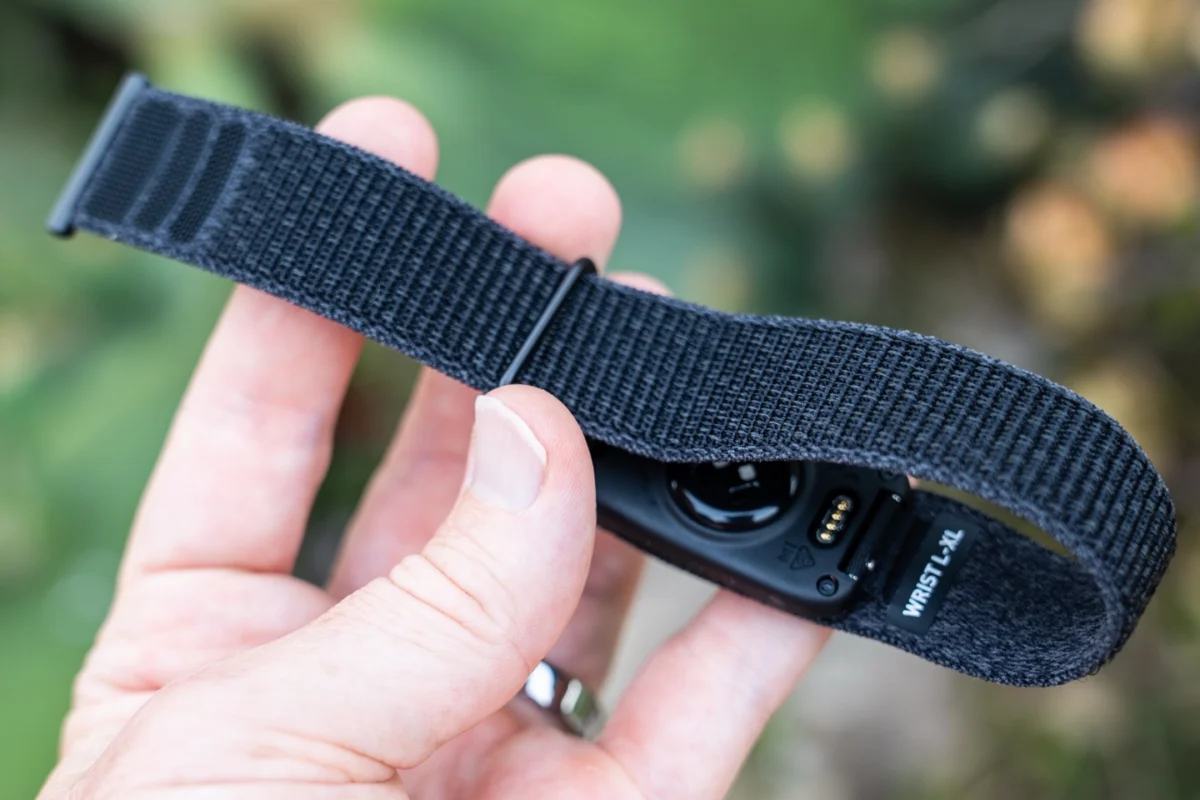
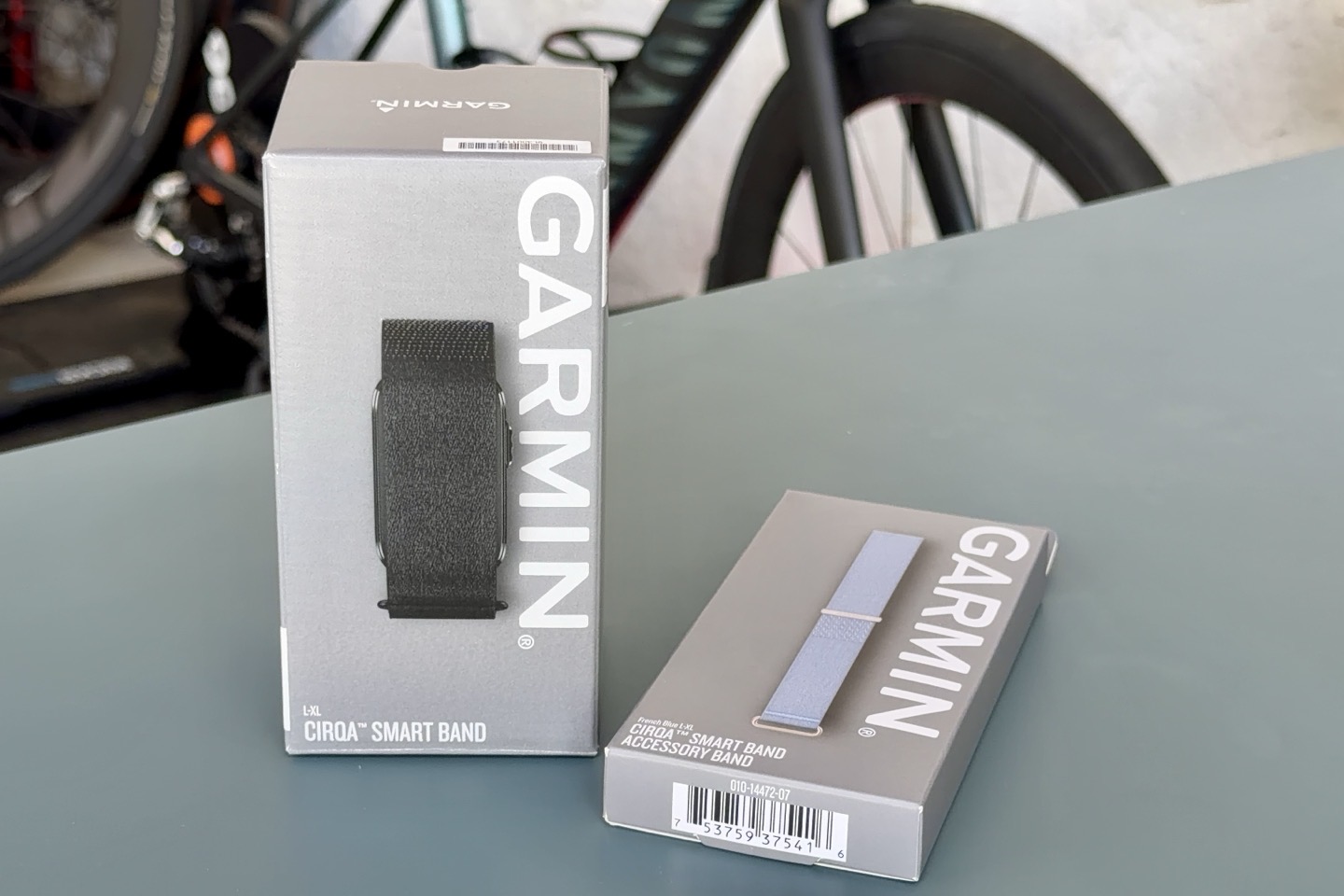
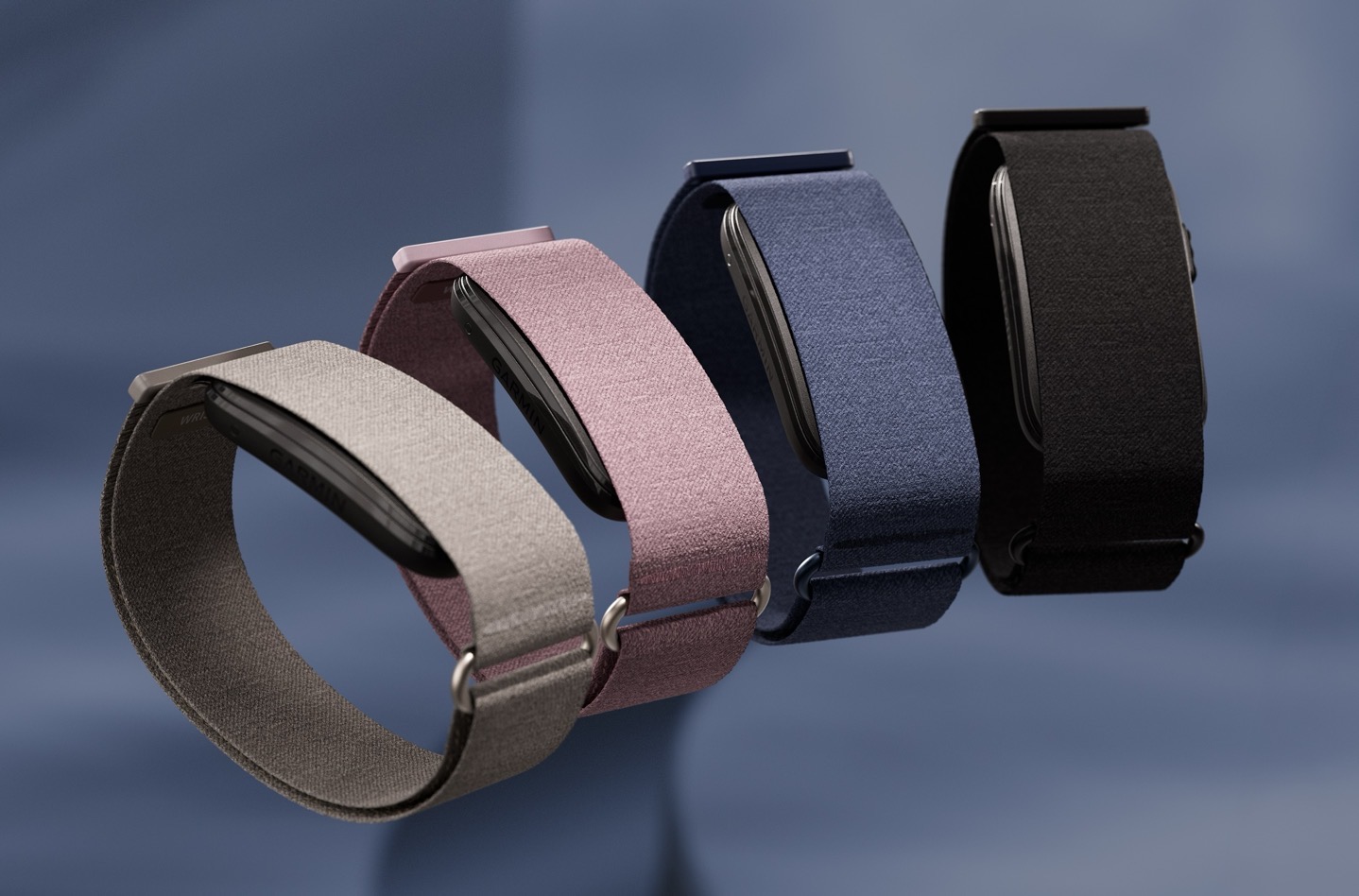
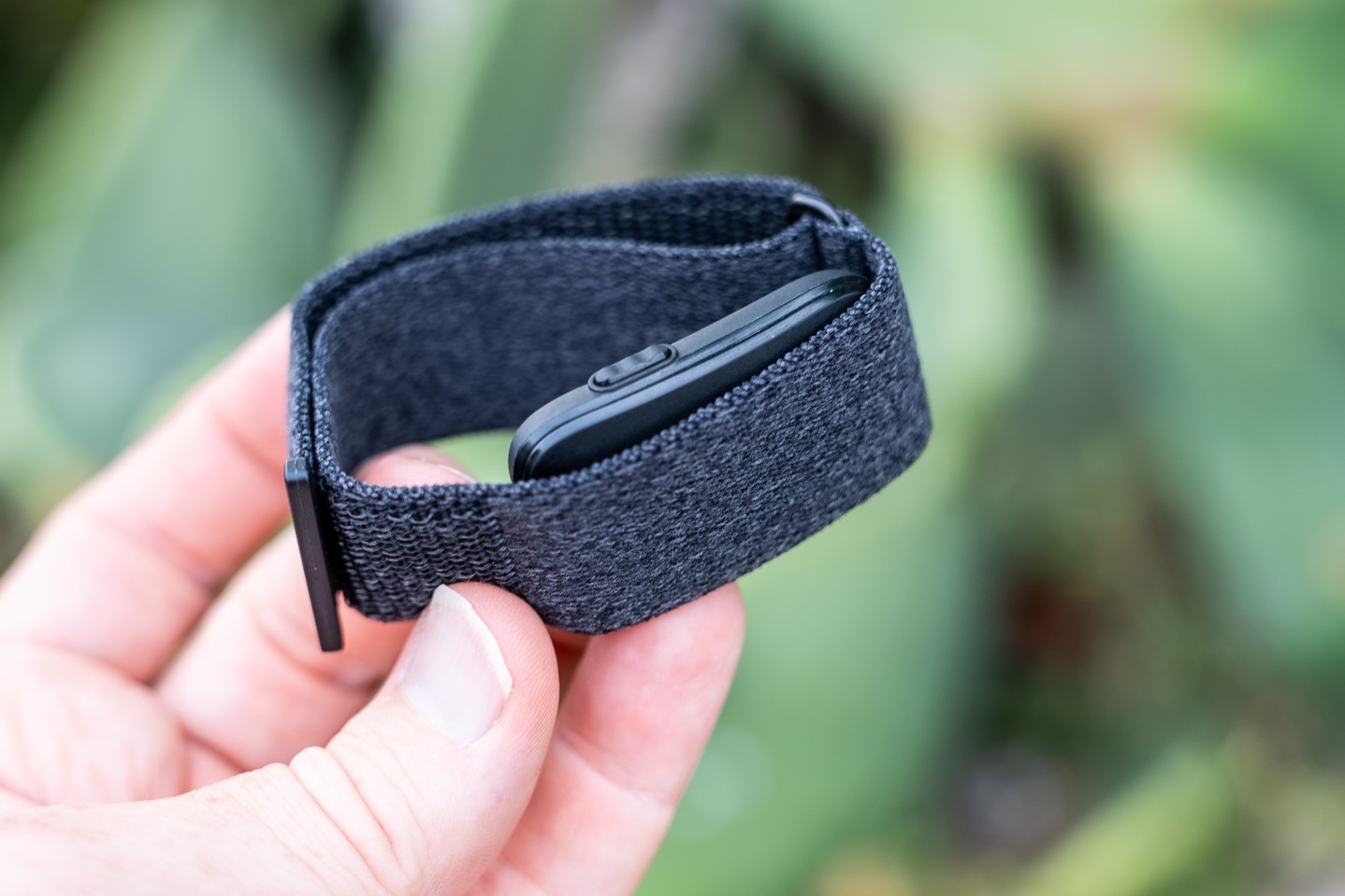
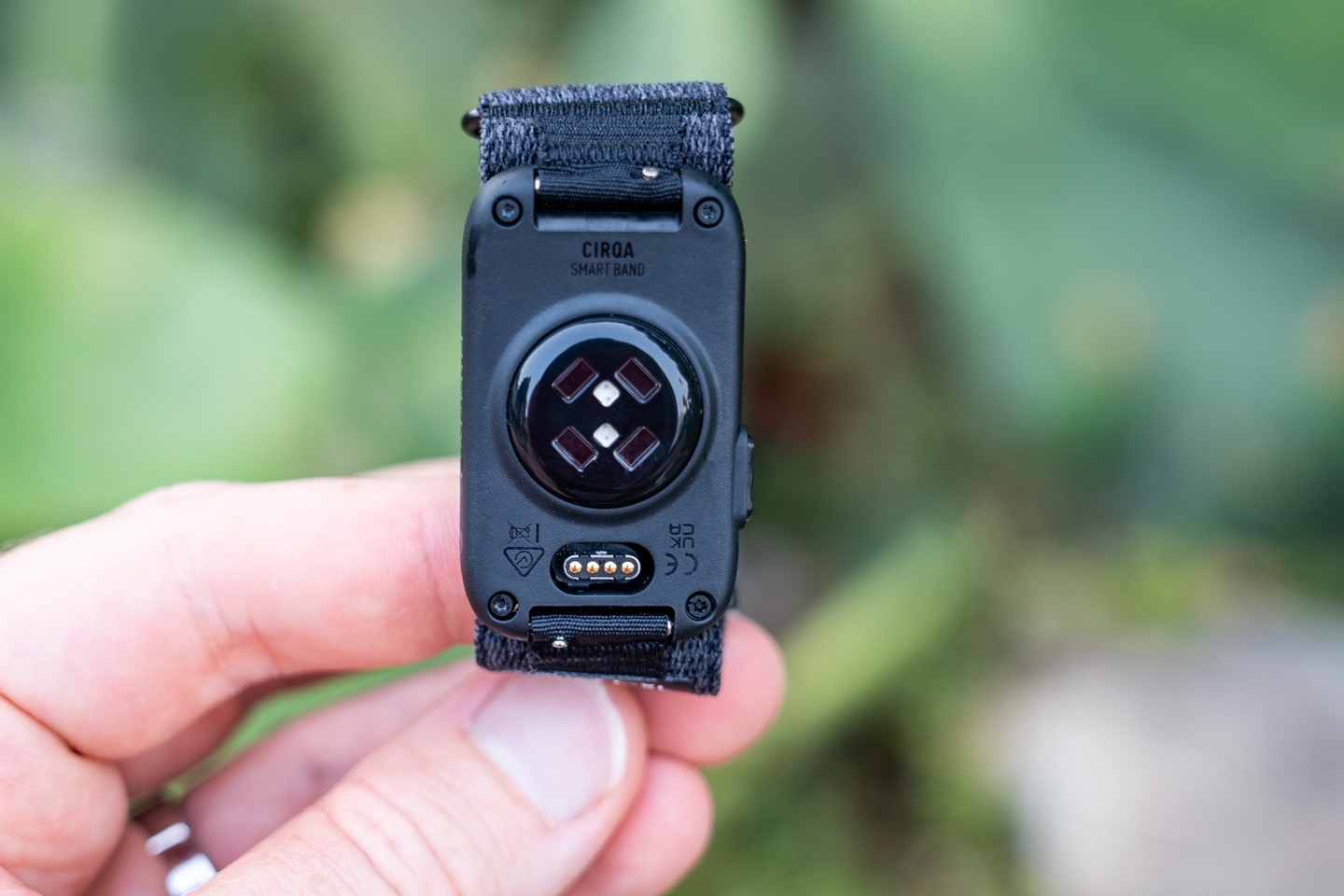
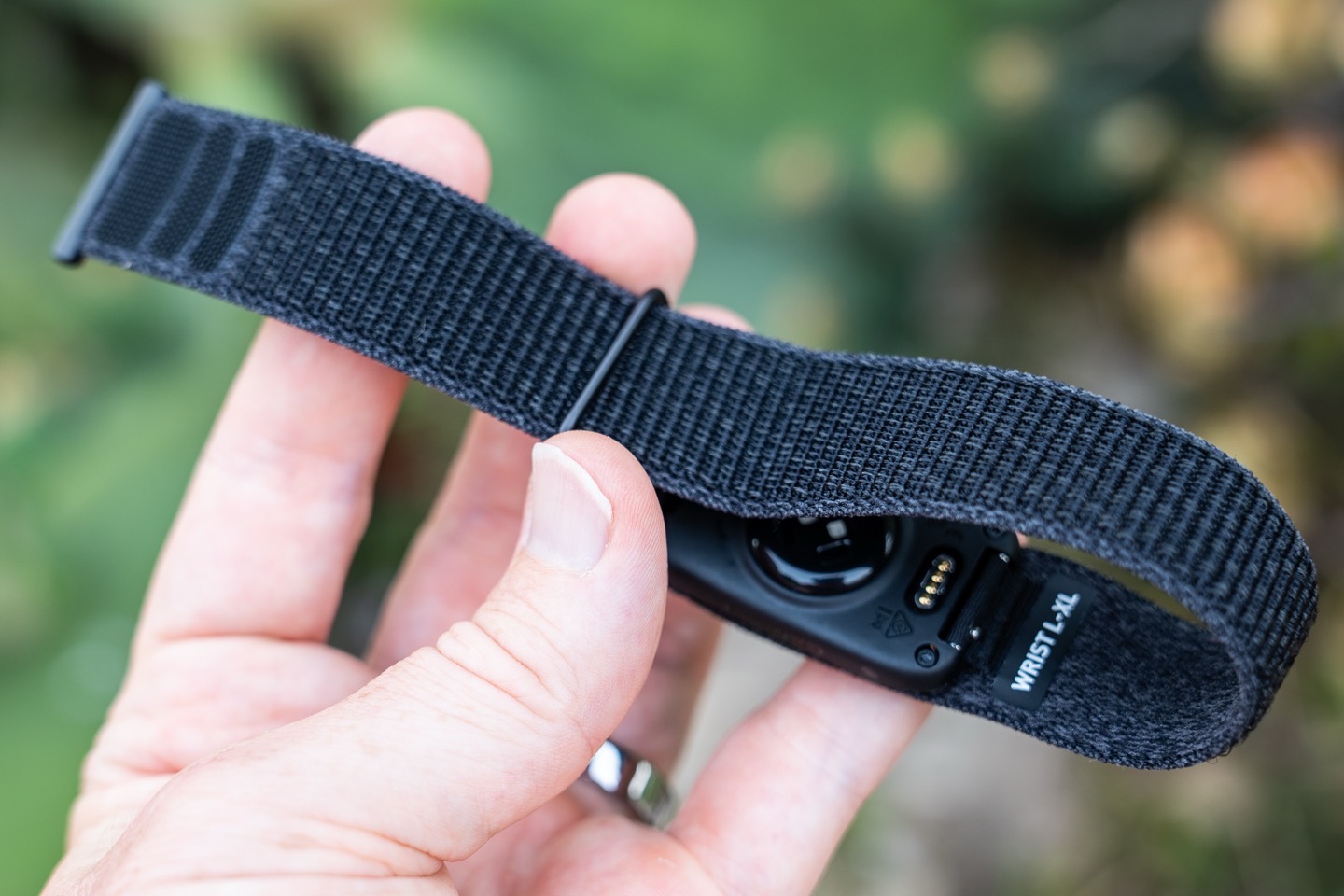
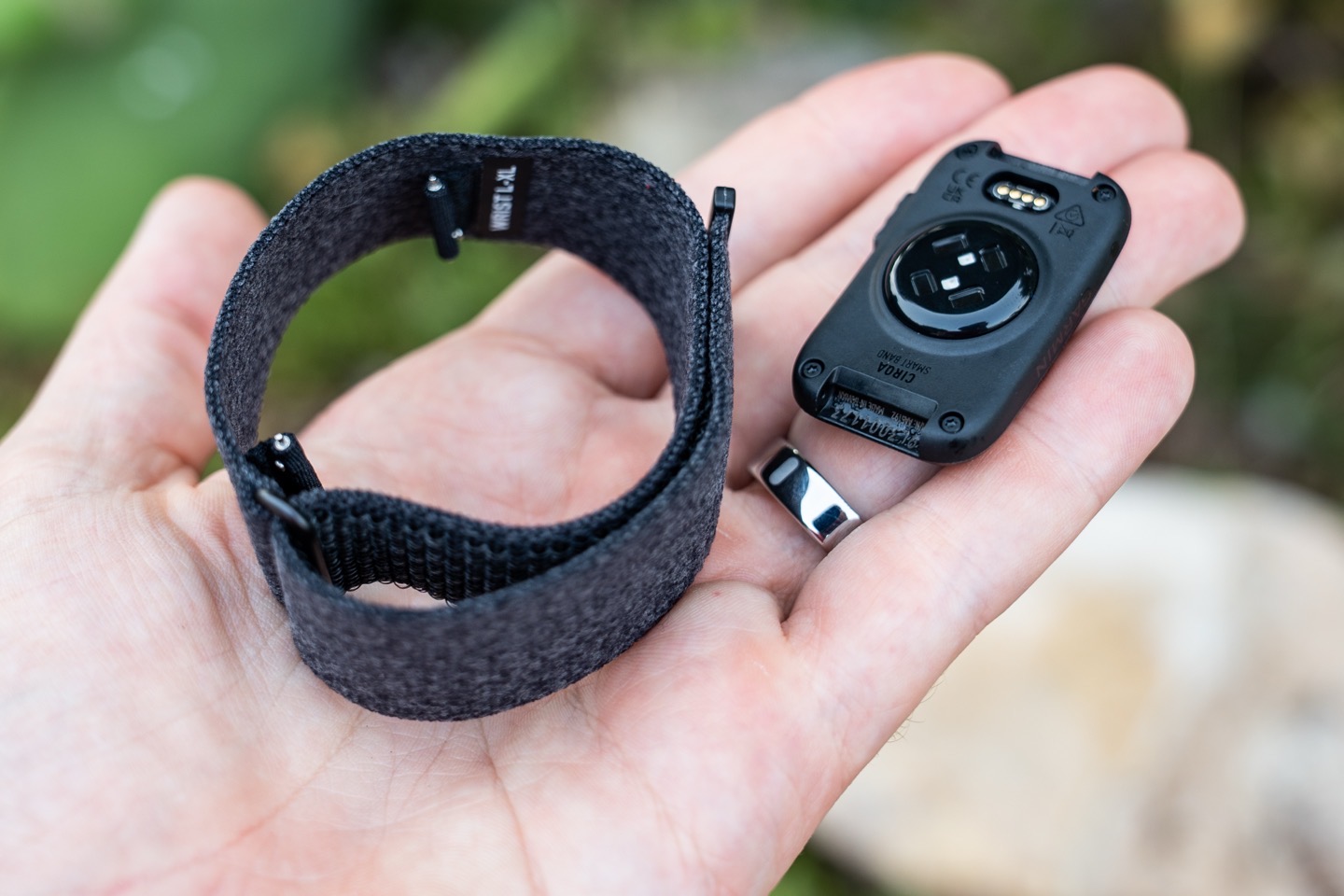
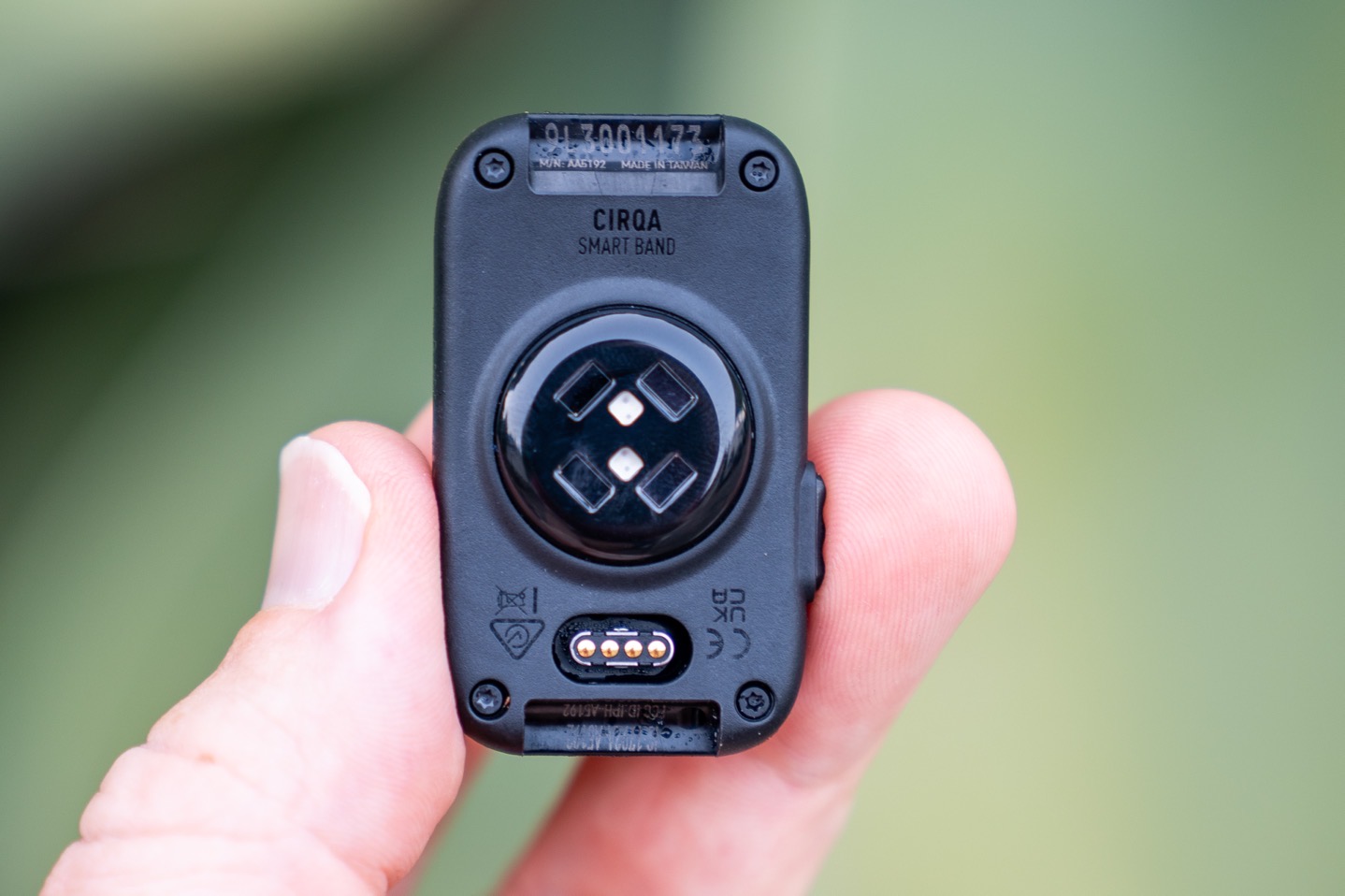
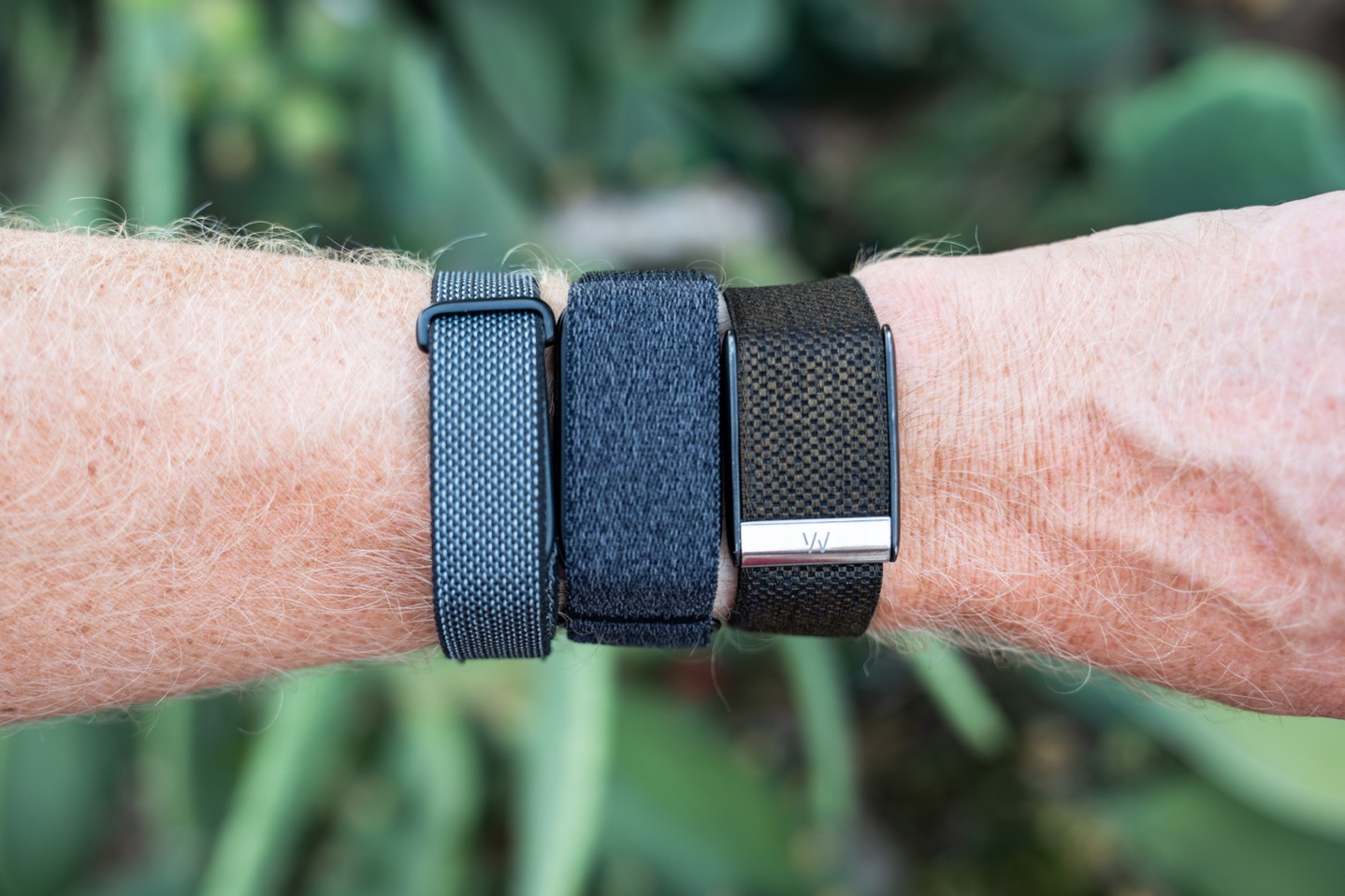
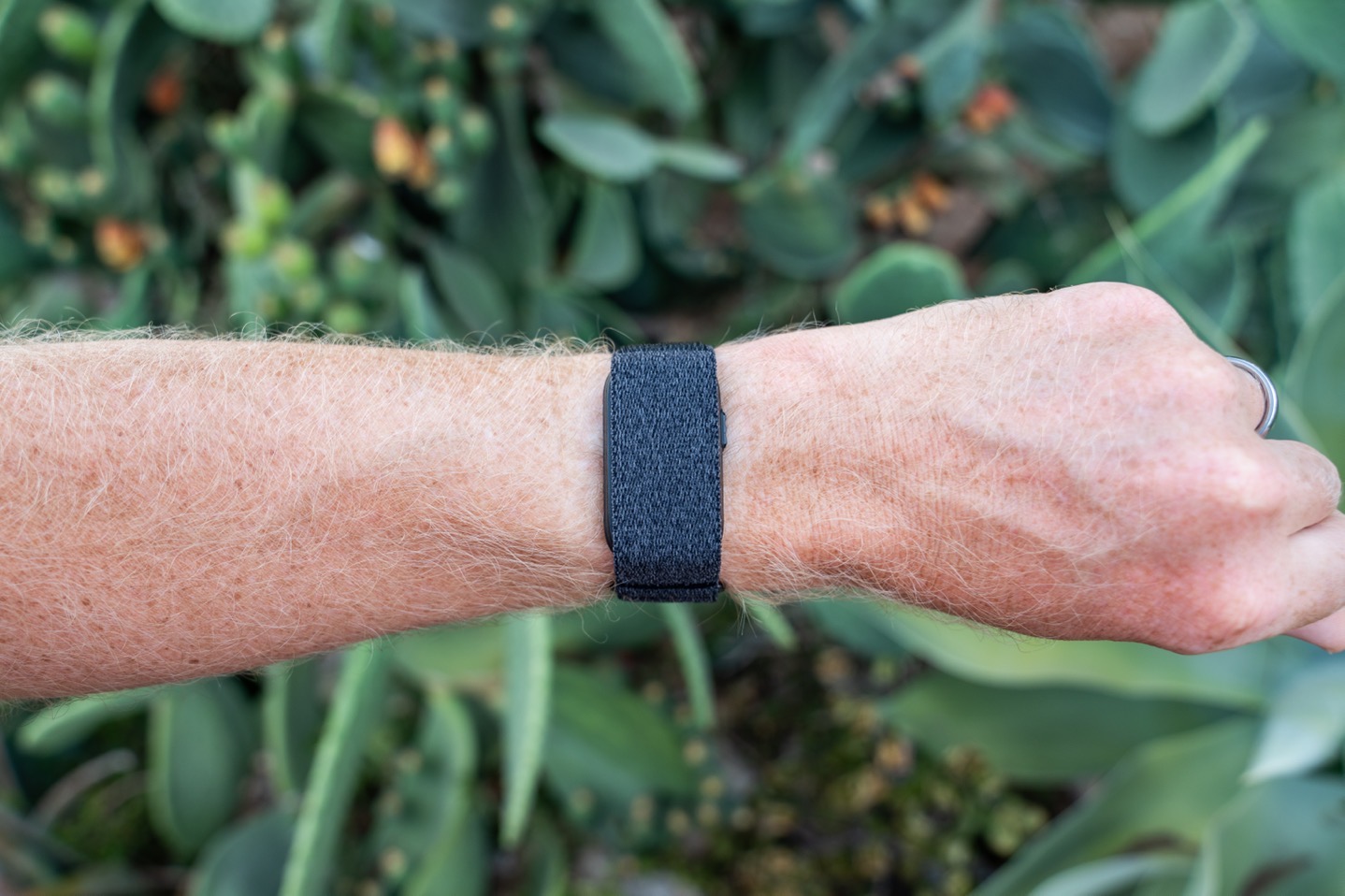
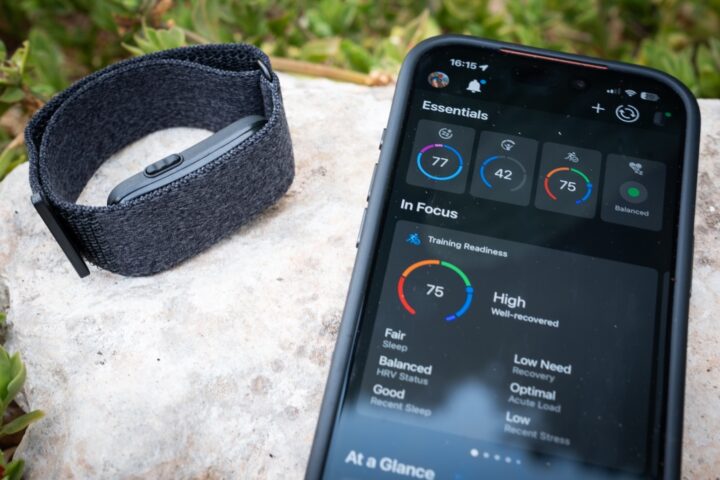
The Garmin Cirqa is built around a detachable sensor pod that fits into a 27mm wide textile strap. This design allows users to swap bands or migrate the sensor to a bicep strap, which Garmin is offering as a $59 standalone accessory or as part of a $209 bundle. The device is powered by the Garmin Elevate Gen4 optical heart rate sensor. While the Gen4 lacks the medically certified electrocardiogram (ECG) capabilities found in the Gen5 sensors of the Fenix and Forerunner lines, it provides consistent heart rate, blood oxygen (SpO2), and skin temperature tracking.
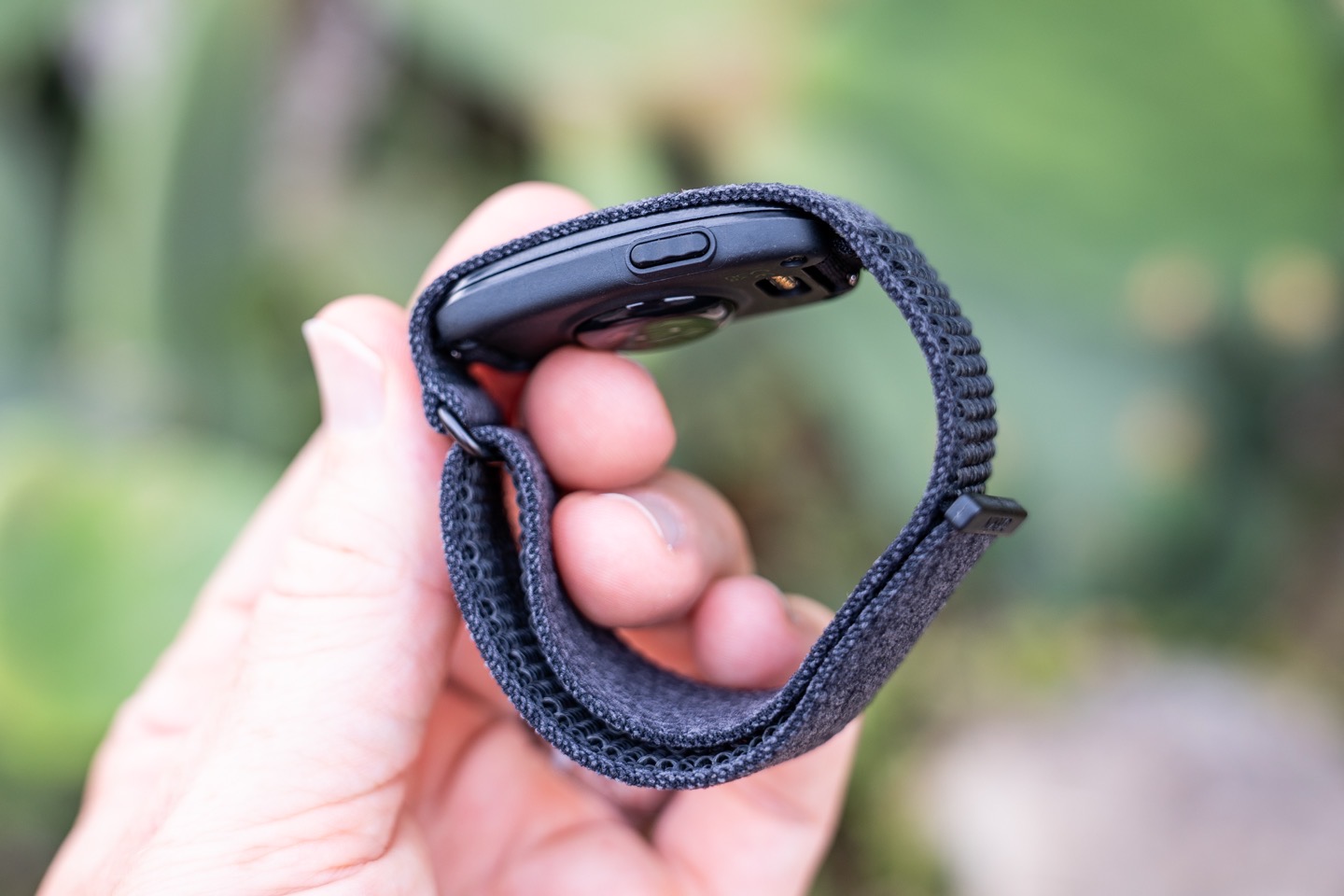
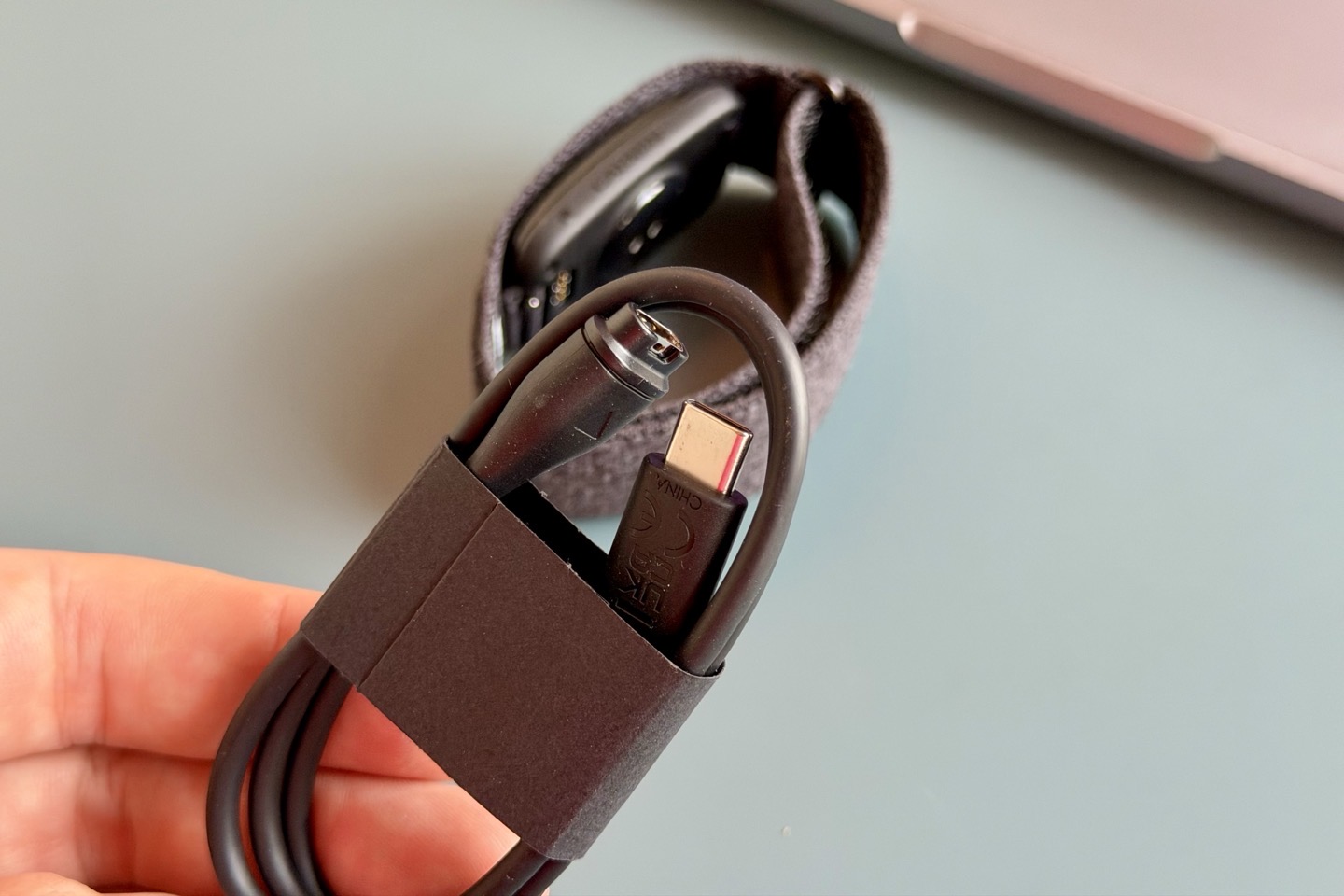
The hardware is notably minimalist. It features a single physical button used for manual activity starts, alarm snoozing, and heart rate broadcasting via ANT+ and Bluetooth Smart. Despite its small stature, the Cirqa boasts a claimed 10-day battery life, charging via a proprietary Garmin USB-C cable. The device is waterproof up to 50 meters, making it suitable for swimming and high-intensity training in various environmental conditions.
Chronology of Development and Launch
The path to the Cirqa began in the summer of 2025 with the release of the Garmin Index Sleep monitor. Industry analysts noted at the time that the Index Sleep monitor effectively functioned as a screenless 24/7 wearable, signaling Garmin’s intent to move beyond the wrist-watch form factor. Throughout early 2026, rumors intensified regarding a "Whoop competitor" under development at Garmin.
The official launch in July 2026 was accompanied by a series of backend software updates to the Garmin Connect ecosystem. While the initial release saw some technical hurdles—specifically regarding the "trimming" of automatically detected activities and synchronization discrepancies in the Training Readiness scores—Garmin representatives confirmed that a major backend patch was deployed on July 22, 2026, to resolve these early-stage software bugs.
Core Health and Fitness Metrics
The Cirqa utilizes the full suite of Garmin’s Firstbeat Analytics, which have historically been reserved for the company’s GPS watches. Key metrics included in the $199 purchase price are:
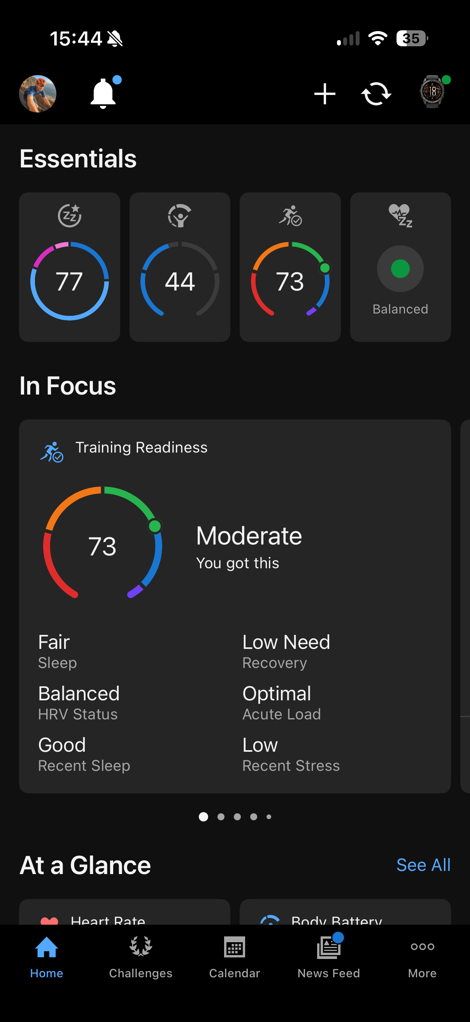
- Training Readiness: A holistic score that combines sleep quality, recovery time, acute training load, and HRV (Heart Rate Variability) status to determine how prepared the body is for intense physical exertion.
- Acute Load and Load Ratio: These metrics track the intensity of recent workouts compared to long-term averages, helping athletes avoid overtraining or injury.
- Sleep Coaching and Nap Detection: The device automatically identifies sleep stages and provides recommendations based on the user’s activity levels and stress.
- Body Battery: A real-time energy monitoring feature that visualizes the balance between stress, recovery, and physical activity.
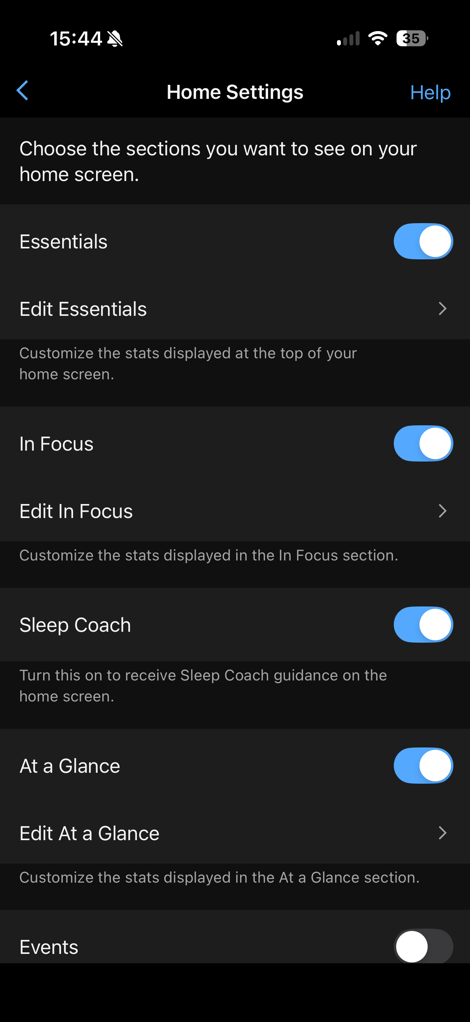
Unlike many competitors, Garmin does not require a monthly subscription to access these core data points. All metrics are housed within the Garmin Connect app, which provides a unified training status for users who own multiple Garmin devices, such as the Edge cycling computers or Forerunner watches.
The Subscription Landscape: Garmin Connect+
While the Cirqa functions as a standalone device with no mandatory fees, Garmin has introduced an optional "Garmin Connect+" subscription. For a monthly fee, users gain access to enhanced features such as:
- In-App Structured Workouts: Guided strength, HIIT, and yoga sessions that can be followed directly through the smartphone interface.
- Advanced Nutrition Tracking: Integrated caloric and macronutrient logging.
- Enhanced LiveTrack: Improved real-time location sharing via SMS for outdoor safety.
- AI-Driven Insights: Brief, personalized snippets of data analysis provided by Garmin Active Intelligence.
Critics have noted that the "live activity" view in the standard app is somewhat limited, lacking a real-time heart rate graph unless the user is a Connect+ subscriber. However, for the majority of users, the base version of Garmin Connect provides more analytical depth than the entry-level tiers of competing platforms.
Market Comparison and Strategic Impact
The release of the Cirqa is viewed by industry experts as a direct challenge to Whoop’s subscription-based dominance in the elite fitness space. A comparative analysis of the current market reveals a clear pricing divide:
- Whoop 5.0: Requires a monthly subscription (typically $30/month or $239/year), which includes the hardware. Over a two-year period, the cost of ownership exceeds $400.
- Fitbit Air: Priced at approximately $99 but requires a "Fitbit Premium" subscription to unlock deep analytical insights and readiness scores.
- Amazfit Helio: A budget-friendly $99 option that offers basic screenless tracking but lacks the deep physiological ecosystem of Garmin.
- Garmin Cirqa: A one-time $199 investment with lifetime access to high-end recovery and load data.
Garmin’s strategy focuses on "stopping the bleeding" of customers who want the data accuracy of a Garmin watch but the form factor of a screenless band. By offering a bicep-worn option and seamless "Physio TrueUp" data merging, Garmin allows users to wear a high-end mechanical watch on one wrist while the Cirqa discreetly tracks metrics on the other.
Official Responses and Technical Resolutions
Following the launch, early adopters reported issues with the "Activity Trimming" feature, which allows users to remove the beginning or end of a workout recording. Garmin’s technical support team issued a statement confirming that this was a known backend synchronization error. "We have identified the cause of the trimming failure and the Training Readiness display lag. A server-side update scheduled for July 22 will rectify these issues without requiring a firmware update for the device itself," a Garmin spokesperson stated.
Additionally, Garmin addressed concerns regarding the lack of third-party synchronization at launch. While the Cirqa initially failed to push data to platforms like Strava and TrainingPeaks, the company confirmed that the "backend switch" for third-party API sharing was toggled on alongside the July 22 patch, enabling full integration with the wider fitness app ecosystem.
Broader Implications for the Wearable Industry
The introduction of the Cirqa suggests that the wearable market is moving toward a bifurcated future: one path led by multi-functional smartwatches with vibrant displays, and another led by "invisible" trackers focused purely on physiological data. Garmin’s decision to include advanced metrics like "Load Focus" and "Recovery Time" in a screenless device indicates that the target audience is no longer just casual health enthusiasts, but serious athletes who value recovery as much as active training.
Furthermore, the Cirqa’s pricing model puts pressure on the subscription-only model popularized by Whoop. If consumers gravitate toward a "pay once, own forever" hardware model for high-end analytics, competitors may be forced to reconsider their recurring revenue strategies.
As the wearable landscape becomes increasingly crowded, the success of the Cirqa will likely depend on Garmin’s ability to market the device to a broader lifestyle audience. While the technical specifications are industry-leading, the company faces stiff competition from Fitbit and Whoop in terms of influencer marketing and celebrity endorsements. Nevertheless, for the data-driven athlete, the Cirqa represents a significant milestone in the evolution of unobtrusive health monitoring.