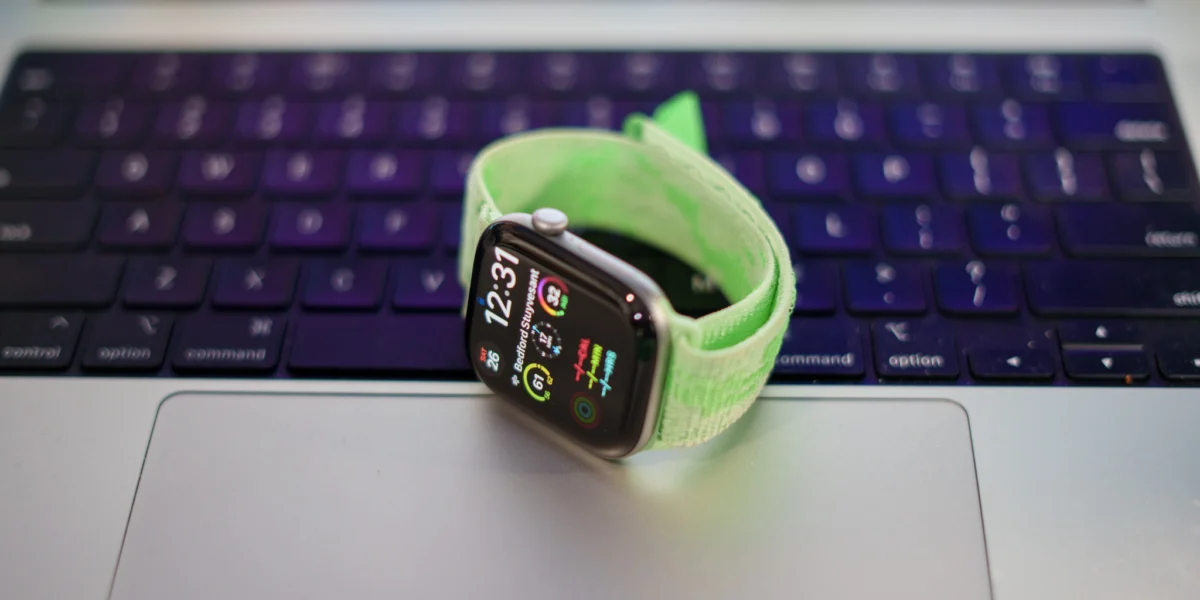
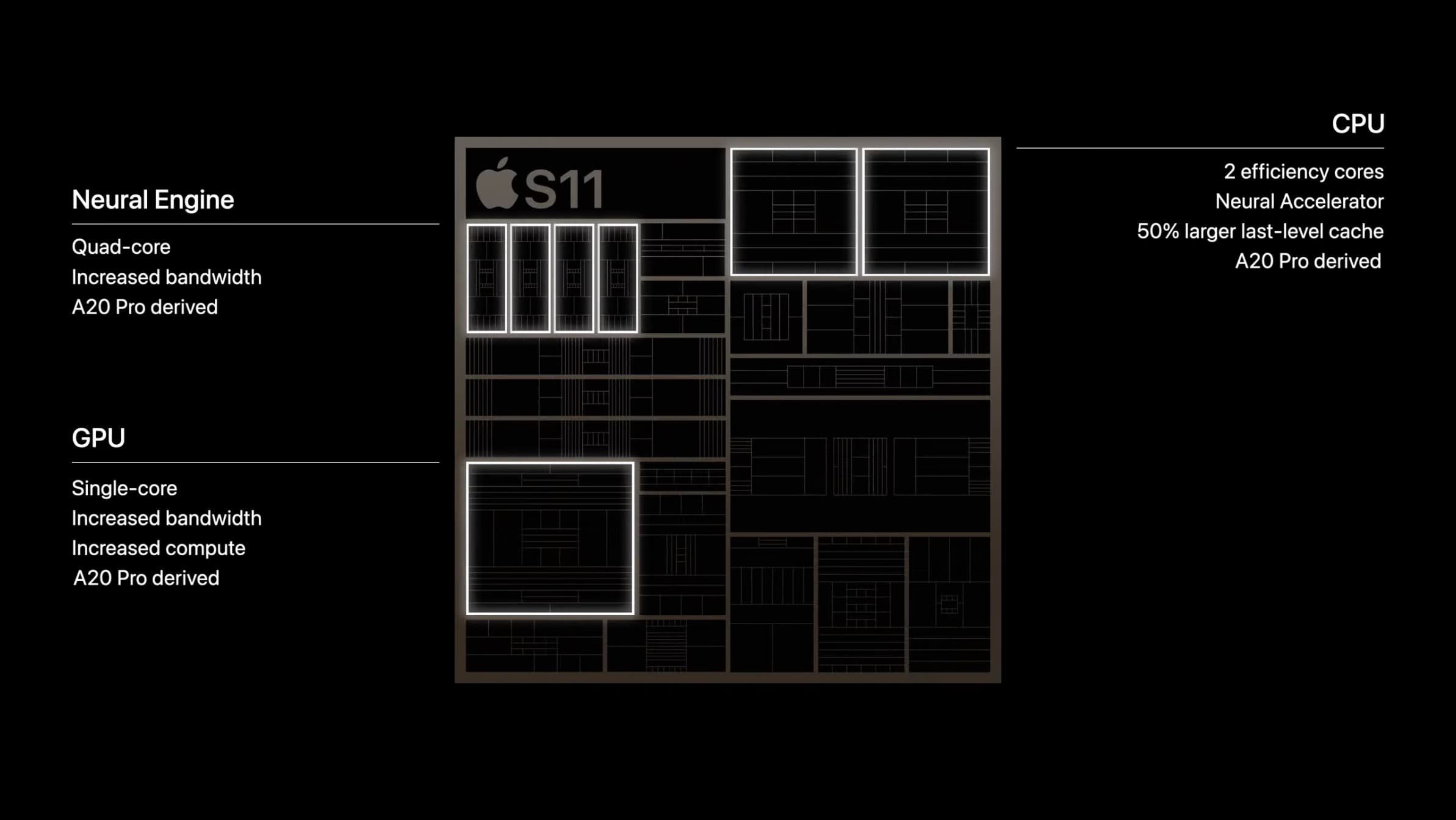
The release of the Apple Watch Series 12 marks a pivotal shift in the Cupertino-based tech giant’s approach to wearable computing, emphasizing internal hardware efficiency and advanced biometric analytics over mere aesthetic iteration. While initial public discourse surrounding the device focused heavily on the integration of the Siri Recap feature and enhanced heart rate monitoring capabilities, the device’s true value proposition lies in its optimized power management and the introduction of the S11 silicon architecture. Built upon a 2nm manufacturing process derived from the A20 Pro chipset, the Series 12 represents a significant leap in performance density, enabling sustained health tracking that previously necessitated cumbersome charging cycles.
Chronology of Development and Release
The journey toward the Series 12 began with the incremental refinements seen in the Series 10 and Series 11, which established the groundwork for high-fidelity sleep and activity tracking. In September 2026, Apple officially unveiled the Series 12, positioning it as the ultimate convergence point between casual lifestyle tracking and clinical-grade health monitoring.
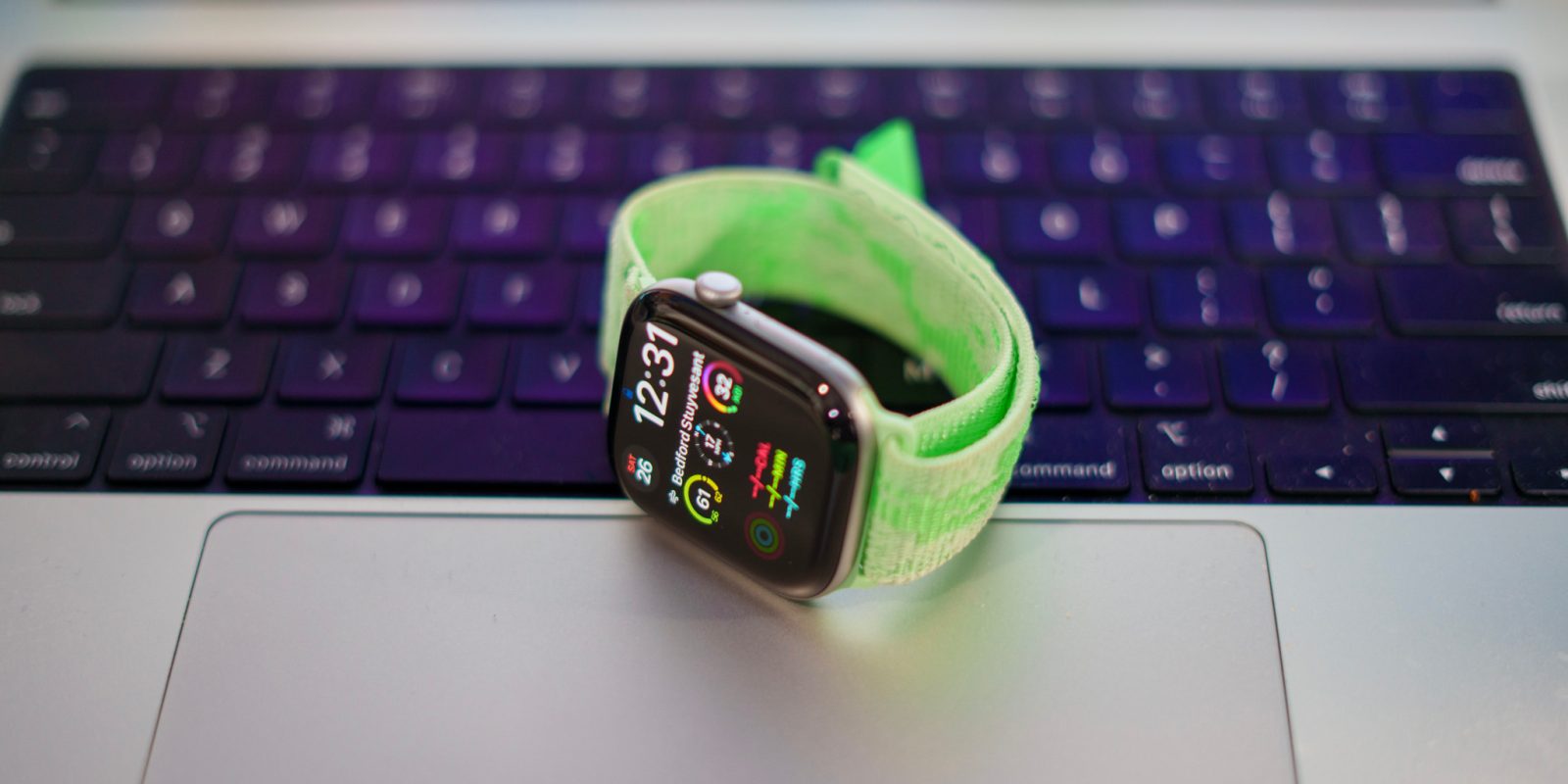
Historically, Apple Watch users—particularly those transitioning from dedicated fitness trackers like WHOOP—reported friction regarding battery management. The requirement to charge a device mid-day to ensure overnight sleep monitoring was a common pain point for previous iterations. The Series 12 addresses this by optimizing the power-to-performance ratio. According to technical specifications, the integration of the S11 chip allows for significantly improved background task management. This efficiency gain enables the device to sustain a full day of activity and a full night of sleep tracking without the need for midday top-offs, a feat that sets a new standard for the product line.
Technical Advancements in Battery and Charging
The most notable improvement for the end-user is the refined charging protocol. Apple has implemented a faster charging architecture that, according to official metrics, provides up to 12 hours of operational use from a brief 15-minute charge. This shift in charging dynamics fundamentally changes the user experience; rather than juggling charging times around the workday, users can integrate the device into their morning routine with minimal disruption.
The reliance on the S11 chip is central to this improvement. By utilizing a 2nm process, the chip operates with higher energy efficiency, minimizing the thermal and power overhead required for complex tasks like Siri processing and real-time vitals analysis. This technological leap allows the device to process information faster while simultaneously consuming less energy than the S10, creating a virtuous cycle of performance and longevity.
The Readiness Metric and Software Ecosystem
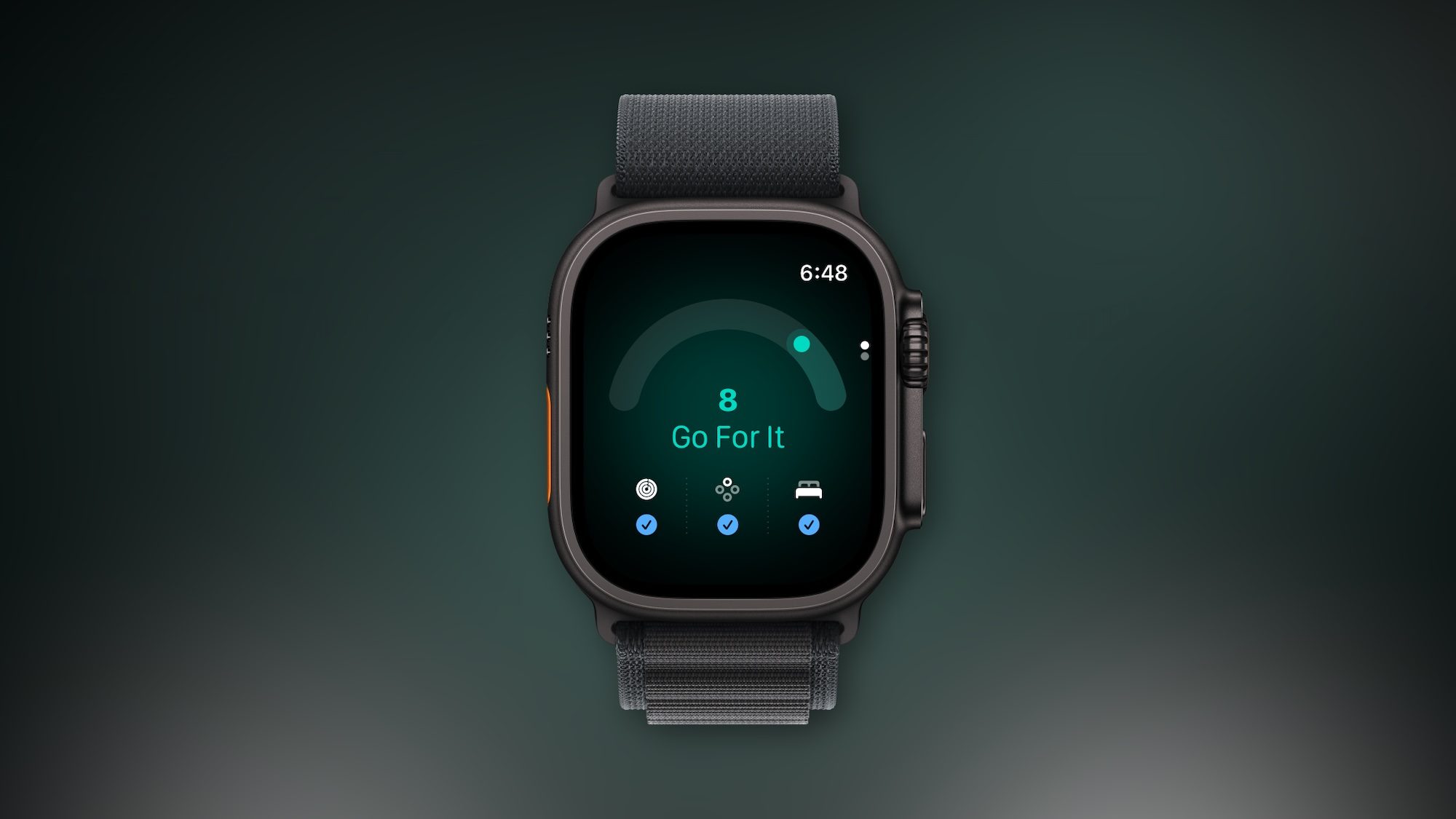
A cornerstone of the Series 12 launch is the introduction of the "Readiness" application. This feature provides a holistic recovery score by synthesizing data points from sleep duration, quality of rest, previous day’s physical exertion, and real-time physiological vitals. This represents a strategic pivot for Apple, moving from passive health monitoring to proactive wellness coaching.
By aggregating this data into a single, actionable score, the Readiness app helps users understand their capacity for physical strain on any given day. While some critics have noted that this software is currently exclusive to the Series 12, industry analysts suggest this is due to the hardware requirements of the updated, more accurate sensor array. The precision of the data collected by the Series 12 is purportedly higher than that of its predecessors, meaning that older hardware may lack the necessary data fidelity to generate a statistically significant or safe recovery score.
Furthermore, the addition of a native step-counter complication to the smart stack demonstrates Apple’s commitment to granular data visualization. While step counting has been a core feature of the Apple Watch for years, its elevation to a primary, customizable complication underscores the company’s intent to provide immediate access to health metrics without requiring users to navigate deeper into the software menus.
Durability and Build Quality
Beyond software and silicon, the physical design of the Series 12 reflects a focus on durability. The introduction of Ceramic Shield 2 on the aluminum models is a significant upgrade in material science for the entry-level tier. This technology, originally developed for iPhone display glass, provides superior scratch and impact resistance.
In terms of aesthetics, the bezels have undergone a subtle increase in thickness compared to the Series 10 and 11. While this change is largely imperceptible to most users, especially those employing watch faces with dark or black backgrounds, it represents a slight deviation from the trend of "bezel-less" display design. Whether this change was necessitated by the inclusion of more robust internal sensors or a shift in manufacturing methods remains a subject of speculation, but it has not hindered the device’s overall ergonomic appeal.
Industry Implications and Market Positioning
The launch of the Series 12 serves as a case study in how Apple balances internal hardware upgrades with software-driven value. By focusing on the S11 chip, the company has successfully differentiated the Series 12 from its immediate predecessors.

From an industry perspective, the Series 12 reinforces the trend of wearables becoming central hubs for personal health. The competition between Apple and dedicated health-tracking platforms is intensifying, as Apple continues to close the gap on specialized features like recovery scores and deep-sleep analysis. The implication for the consumer is clear: the Apple Watch is increasingly becoming an indispensable medical companion rather than a simple accessory for notifications.
Analysts from various tech research firms have noted that the Series 12 is likely the most substantial year-over-year upgrade since the Series 4. While the Series 4 introduced groundbreaking safety features like EKG monitoring, the Series 12 introduces a level of internal optimization that makes the device feel fundamentally different in daily use.
Future Outlook
As Apple continues to iterate on the Series 12, the focus will likely remain on refining the accuracy of health data and extending the battery life even further. The inclusion of Ceramic Shield 2 suggests that Apple is listening to feedback regarding the longevity of its devices in active, real-world conditions.

For the average consumer, the Series 12 represents a rare "S-year" upgrade that feels substantial. It is not merely a cosmetic update; it is a refinement of the core user experience. By prioritizing the battery, processing speed, and actionable health data, Apple has ensured that the Series 12 remains the benchmark by which all other smartwatches are measured. As the wearable market continues to mature, the focus will continue to shift toward how these devices integrate into the broader health ecosystem, and with the Series 12, Apple has established a formidable foundation for the next several years of health-tech innovation.
Ultimately, the decision to upgrade will depend on a user’s reliance on sleep tracking and their need for the advanced recovery metrics provided by the new Readiness suite. However, for those currently utilizing older models, the transition to the Series 12 offers a tangible improvement in both convenience and data utility, marking it as a milestone release in the ongoing evolution of the Apple Watch.