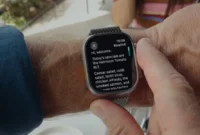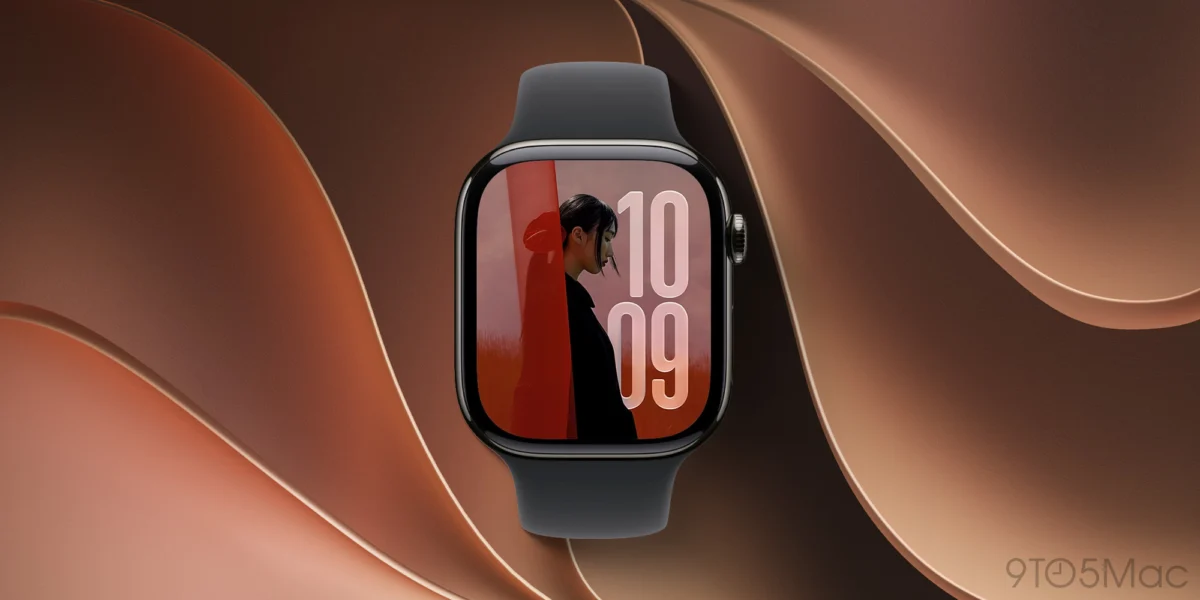
Apple is set to redefine the paradigm of wearable power management with the upcoming release of watchOS 27, scheduled for public launch this fall. Among a suite of high-profile updates, the introduction of "proactive battery extension notifications" stands out as a sophisticated evolution in how the Apple Watch manages its internal resources. This feature represents a shift from reactive power-saving measures, such as the existing Low Power Mode, toward an intelligent, machine-learning-driven system that anticipates user needs and trims unnecessary background processes to extend the device’s operational life between charges.
The core functionality of these proactive notifications revolves around the system’s ability to monitor user interaction patterns over extended periods. In watchOS 27, the operating system will identify specific high-energy features that a user rarely or never interacts with. When the system determines that certain sensors or background tasks are running without providing value to the specific user, it triggers a "battery extension notification." This alert informs the user that disabling these unused features could significantly improve their battery endurance, offering a one-tap solution to optimize the device while maintaining the option to keep the features active if desired.
The Mechanics of Intelligent Power Management
To understand the significance of proactive battery extension, one must look at the specific features watchOS 27 targets for optimization. The system primarily focuses on three high-draw functionalities: gestures, Raise to Speak for Siri, and Start Workout reminders. Each of these features relies on constant or frequent sensor polling, which places a continuous, albeit small, tax on the Apple Watch’s S-series chip and battery.

For instance, the "Raise to Speak" feature requires the accelerometer and gyroscope to detect specific wrist movements and the microphone to be in a state of ready-listening. While highly convenient for power users, many individuals prefer using the Digital Crown or the "Siri" wake word, leaving the Raise to Speak sensors to consume power unnecessarily. Similarly, "Start Workout" reminders utilize the heart rate sensor and GPS to detect increased physical activity and location changes. If a user consistently starts their workouts manually, the background monitoring for auto-detection becomes a redundant drain on the battery.
By utilizing the on-device Neural Engine, watchOS 27 analyzes these habits locally, ensuring user privacy while identifying inefficiencies. If the system observes that a feature has not been successfully triggered or utilized within a specific window—likely a 14-to-30-day period—it will present the proactive notification. This allows the watch to "prune" its own software environment, tailoring the hardware’s energy expenditure to the unique lifestyle of the wearer.
A Chronology of Apple Watch Battery Innovation
The arrival of proactive battery extension notifications is the latest milestone in a decade-long effort by Apple to address the "all-day battery life" challenge. Since the original Apple Watch launched in 2015, battery longevity has been a primary focus for engineers.
- 2015–2017 (The Early Years): The original Apple Watch and Series 1/2 focused on achieving a reliable 18-hour "all-day" battery life. Power management was rudimentary, relying mostly on screen dimming and limited background app refresh.
- 2018–2021 (The Always-On Era): With the introduction of the Always-On Retina display in Series 5, Apple utilized LTPO (Low-Temperature Polycrystalline Oxide) technology to drop the refresh rate to 1Hz, saving power while keeping the screen visible.
- 2022 (Low Power Mode): watchOS 9 introduced a comprehensive Low Power Mode, which disabled the Always-On display and background heart rate measurements. This was a manual, "all-or-nothing" approach to saving power.
- 2024 (The Ultra Influence): The Apple Watch Ultra series pushed battery life to 36–60 hours, but software efficiency remained critical for the standard Series models.
- 2026 (watchOS 27): The shift to "proactive" management marks the transition from manual user intervention to automated, personalized optimization.
This timeline illustrates a clear trajectory: Apple is moving away from asking the user to sacrifice functionality and toward a system where the device learns which sacrifices are actually invisible to the user.

Supporting Data and Technical Implications
While Apple has not released specific percentage gains for battery life under watchOS 27, historical data on sensor power consumption provides context. Always-on sensors and background processing typically account for a significant portion of the "idle" drain on a wearable. Industry benchmarks suggest that disabling high-frequency accelerometer polling and background microphone listening can reduce standby power consumption by as much as 5% to 8% over a 24-hour period.
When combined with the other efficiency improvements expected in watchOS 27, these "micro-savings" could be the difference between a watch dying at 9:00 PM or lasting until the user reaches their bedside charger at 11:00 PM. For users of older hardware, such as the Apple Watch Series 7 or Series 8, where battery health may have degraded over time, these proactive notifications will be particularly impactful, effectively extending the usable lifespan of the hardware through software intelligence.
Integration with the watchOS 27 Ecosystem
The proactive battery extension feature does not exist in a vacuum; it is part of a broader overhaul of the Apple Watch experience. watchOS 27 is slated to introduce several other major updates that may influence power consumption, making the new battery feature even more essential.
The update includes two brand-new first-party applications, a redesigned default Home Screen that emphasizes glanceable information, and a new "tap gesture" intended to streamline navigation. Furthermore, three major health-related upgrades are expected, likely involving more sophisticated sleep or vitals tracking. These new features inevitably require more processing power. By proactively disabling unused legacy features like "Raise to Speak," watchOS 27 creates the "thermal and power headroom" necessary to run these new, more advanced applications without compromising the standard 18-to-36-hour battery life expectations.
Industry Reactions and Market Context
Market analysts suggest that Apple’s move toward proactive software management is a strategic response to competitors like Garmin and Samsung. Garmin, in particular, has long held a lead in battery life, often lasting weeks on a single charge due to more conservative display technologies and limited background smart features. By using AI to selectively disable features, Apple is attempting to bridge the gap between "smart" functionality and "endurance" without requiring the bulky batteries found in dedicated sports watches.
Tech analysts have noted that this feature also serves as a subtle educational tool. Many Apple Watch users are unaware of the myriad of background processes occurring on their wrists. By surfacing these options through notifications rather than burying them in the deep sub-menus of the Settings app, Apple is empowering users to understand and customize their hardware performance.
From a privacy perspective, the implementation is expected to follow Apple’s standard protocol of on-device processing. The data regarding how often a user speaks to Siri or uses a specific gesture is not uploaded to the cloud; instead, the "decision" to send a notification is made locally on the Apple Watch’s secure enclave. This ensures that the optimization of battery life does not come at the cost of personal data security.
Broader Impact and Future Implications
The introduction of proactive battery extension notifications in watchOS 27 may signal a future where hardware "specs" become less important than "software intelligence." If an operating system can perfectly mirror a user’s habits, it can effectively simulate a larger battery by never wasting a single milliampere on an unwanted task.

This update also sets a precedent for other Apple devices. It is highly probable that similar "proactive" logic could find its way into iOS or macOS, where the system might suggest closing unused background browser tabs or disabling "Hey Siri" on a MacBook if the user never utilizes the voice assistant.
As the fall release date approaches, the beta testing phase for watchOS 27 will provide more granular data on how often these notifications trigger and the tangible impact they have on daily use. For the average consumer, the message is clear: the Apple Watch is becoming less of a static tool and more of an adaptive companion, capable of managing its own health to ensure it remains functional when the user needs it most. Whether it is through the new health upgrades, the redesigned Home Screen, or these intelligent battery notifications, watchOS 27 aims to make the Apple Watch more autonomous, efficient, and personalized than ever before.