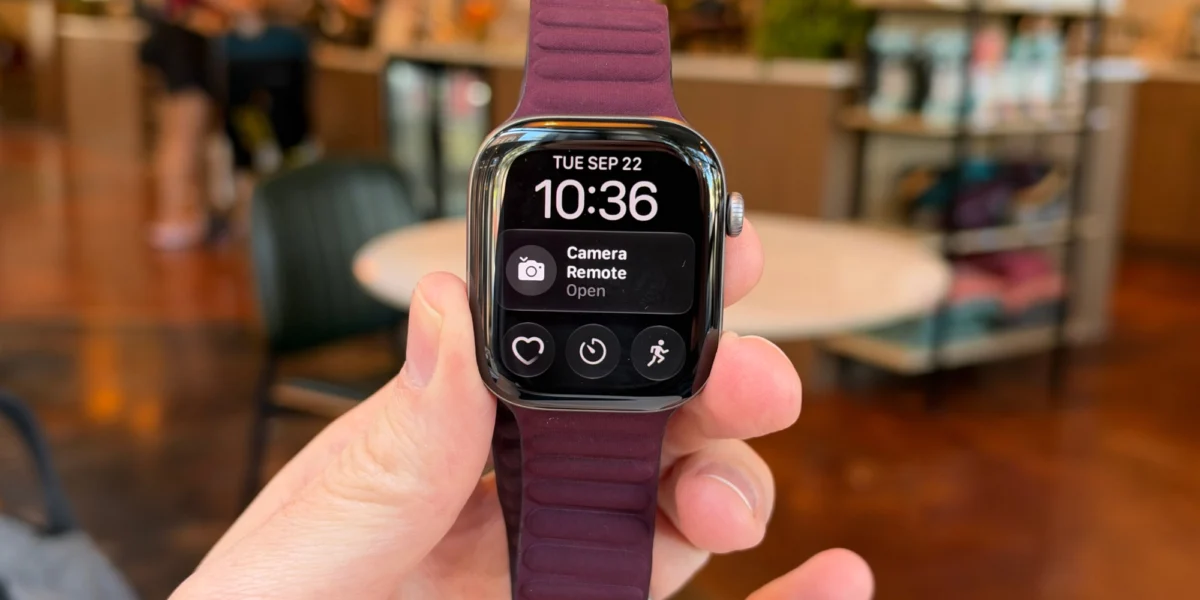
The release of the Apple Watch Series 12 marks a significant milestone in Apple’s wearable technology trajectory, introducing the S11 silicon, an overhauled Health Sensing System, and enhanced charging architecture. Following a period of relative stagnation in processor development—where the transition from the S9 to the S10 offered primarily iterative refinements rather than substantial performance leaps—the Series 12 represents a concerted effort to align hardware capabilities with the intensive demands of watchOS 27. This latest iteration is currently available at a starting price point of $399, positioning it as the primary flagship offering in Apple’s current lineup.
The S11 Silicon: Bridging the Performance Gap
The architecture of the Apple Watch has long been defined by its custom-designed System in Package (SiP) chips. For several years, users and industry analysts noted a plateau in raw processing speed, as Apple prioritized power efficiency over raw computational throughput. The introduction of the S11 chip addresses this disparity directly.
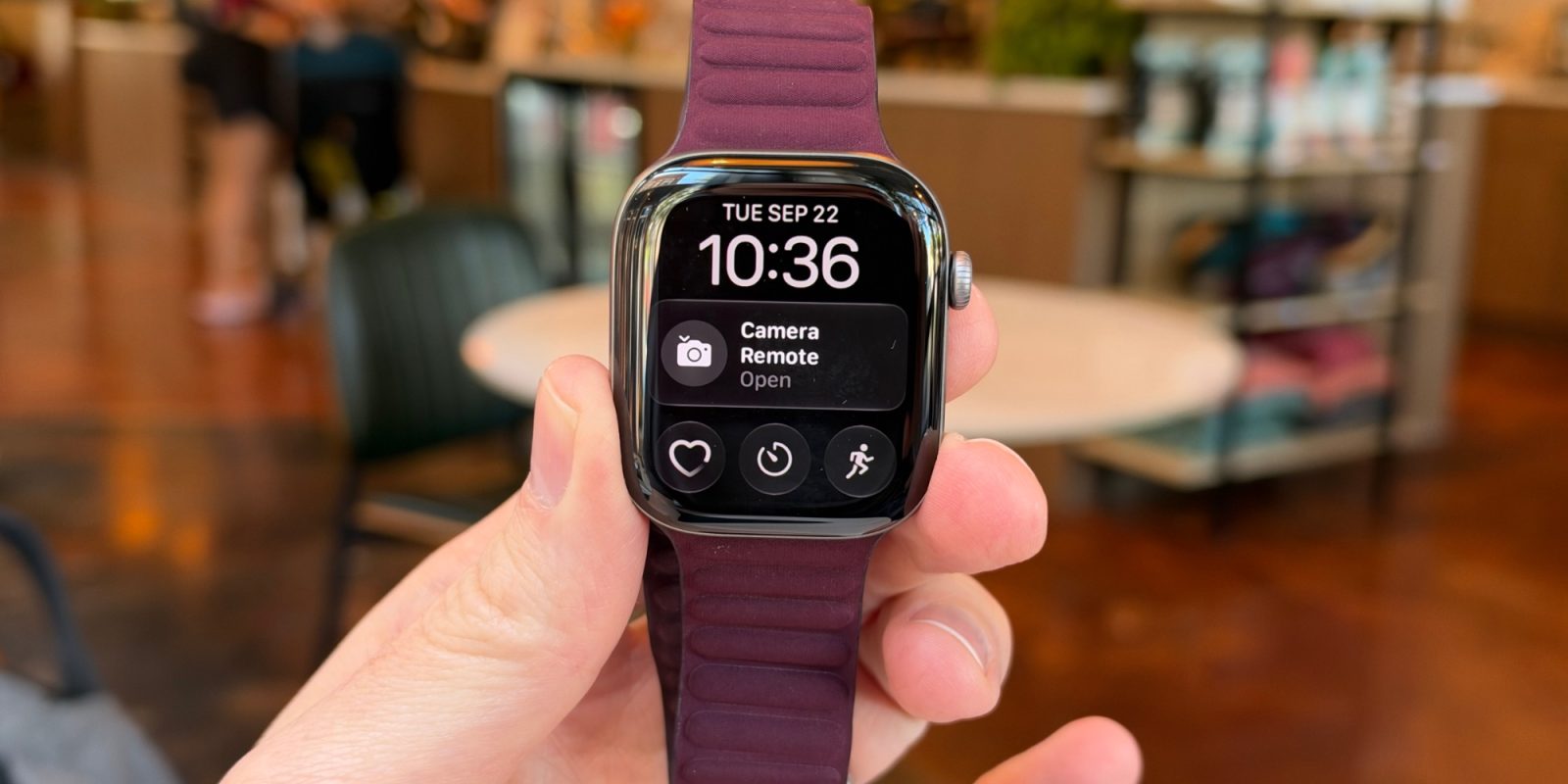
In technical terms, the S11 utilizes a more refined manufacturing process that allows for higher clock speeds without a proportional increase in thermal output. This is particularly evident when interacting with Siri. With the integration of advanced AI features in watchOS 27, the computational burden on the watch has increased significantly. On older hardware, these requests often resulted in latency, as the device struggled to balance local processing with cloud-based intelligence. The S11 facilitates a near-instantaneous response time, suggesting that Apple has optimized the neural engine within the SiP to handle on-device machine learning tasks more effectively. This shift is not merely cosmetic; it changes the user experience from one of waiting for a command to process, to one of immediate, fluid interaction.
Evolution of the Health Sensing System
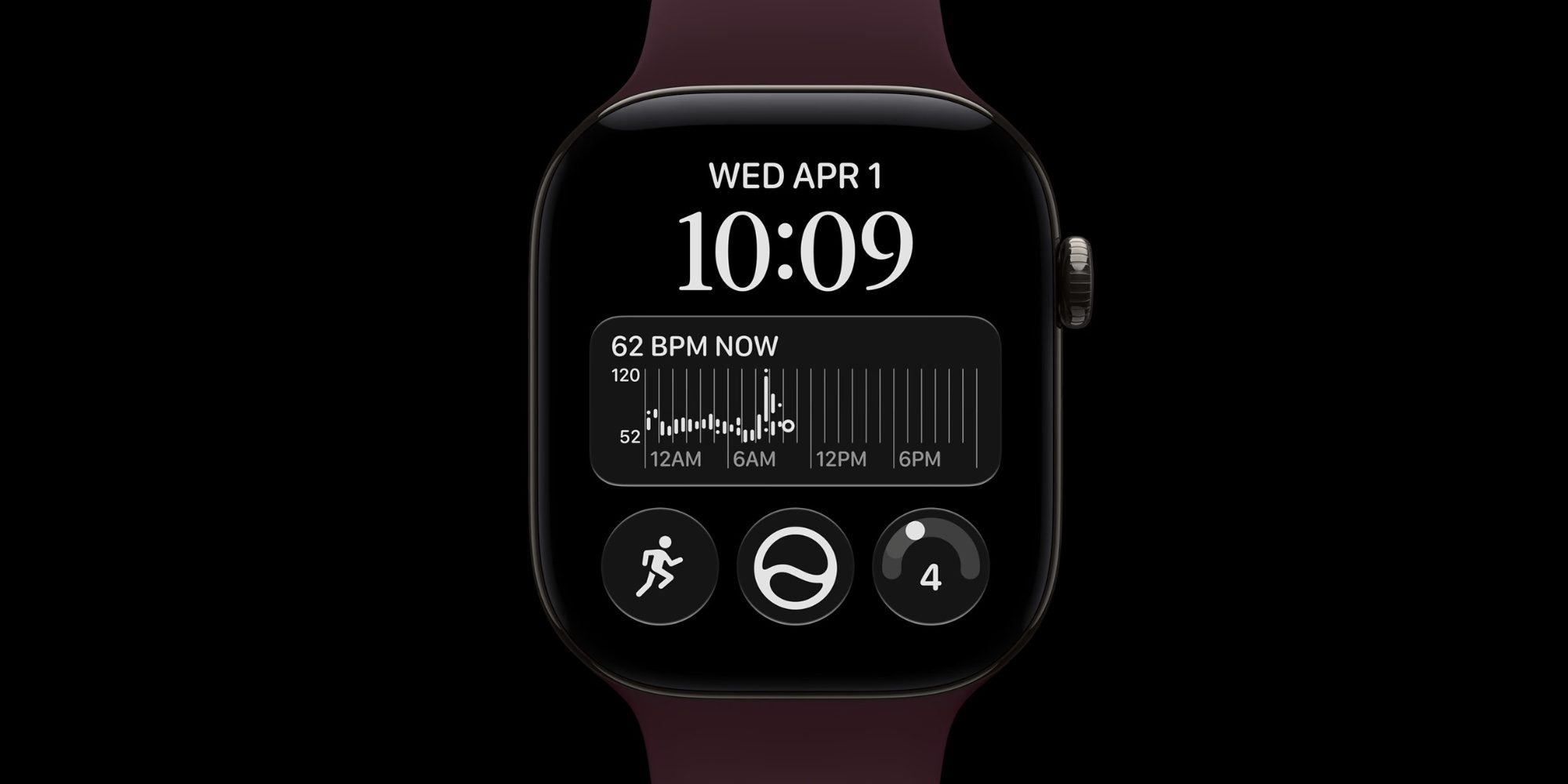
Health monitoring remains the core value proposition of the Apple Watch series. The Series 12 introduces a new Health Sensing System designed to provide higher-fidelity data collection. While the fundamental metrics—heart rate and step count—have been staples of the device since its inception, the granularity of this data has been improved through sensor array upgrades.
The most notable outcome of this technological refresh is the introduction of three distinct complications, which are specialized widgets displayed directly on the watch face. These include:

- Real-Time Heart Rate Variability (HRV) Monitoring: By leveraging the increased sampling frequency of the new sensors, the watch provides a more continuous stream of data, allowing users to track cardiac recovery more accurately.
- Enhanced Step Tracking: The sensor array now distinguishes between varying gaits and surface impacts with greater precision, reducing the margin of error in fitness tracking.
- Readiness Score: This metric serves as an aggregate of sleep quality, recovery, and recent physical exertion. While it requires a calibration period of several days to establish a user baseline, it represents a shift toward predictive health management rather than reactive data reporting.
These additions align with the broader industry trend toward holistic wellness tracking, moving beyond simple activity rings to provide users with a "readiness" profile that informs daily activity planning.
Charging Architecture and Battery Optimization
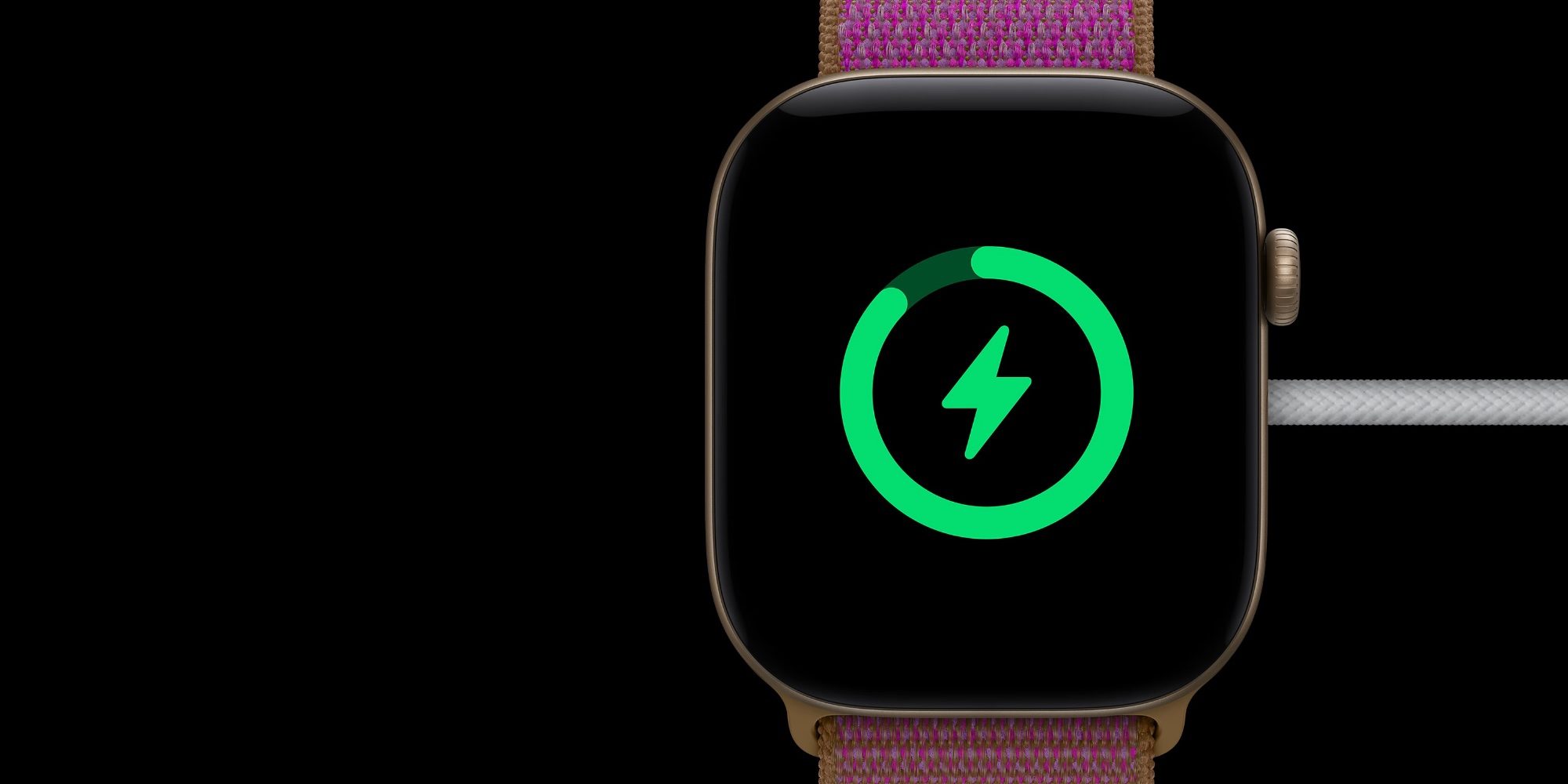
Battery longevity is the perennial challenge for high-performance smartwatches. While the Series 12 does not offer a radical extension in total operational time—maintaining a similar baseline to the Series 11—it introduces a critical efficiency upgrade: faster charging.
The charging architecture has been modified to accommodate a higher voltage intake without compromising the longevity of the lithium-ion cells. For the average user, this translates to a significant reduction in downtime. In comparative testing, the Series 12 reaches a 0% to 80% charge threshold in roughly 20% less time than its predecessor. This is a vital development for users who utilize sleep tracking features, as it allows for a "top-up" period during evening routines without the user needing to leave the device on a charger for extended periods.
Furthermore, the device exhibits a 25% increase in battery efficiency specifically during outdoor workouts. This is achieved through smarter power management protocols that throttle non-essential background processes during high-intensity activity, ensuring that GPS and heart-rate monitoring remain constant without prematurely exhausting the battery.
Chronology of Development and Market Context
The progression of the Apple Watch over the last decade has followed a clear, albeit measured, path. After the S9 chip established a baseline for performance in 2023, the industry observed a period of refinement. The S10, while efficient, was largely viewed as an incremental update. The release of the Series 12, therefore, serves as the "performance refresh" that the ecosystem required to sustain the growth of watchOS 27.
- September 2023: Introduction of the S9 SiP, setting a new benchmark for on-device processing.
- September 2024: Iterative release focusing on display technology and battery efficiency, but lacking a major silicon overhaul.
- September 2026: Launch of the Series 12 featuring the S11 chip, the new Health Sensing System, and accelerated charging capabilities.
This cycle reflects Apple’s strategy of alternating between hardware-heavy overhauls and software-centric improvements. By waiting until the software ecosystem required more power, Apple ensured that the S11 silicon would not be underutilized upon release.
Broader Implications for the Wearable Market
The Series 12 is indicative of the "maturation phase" of the smartwatch market. As hardware capabilities become increasingly sophisticated, the competitive edge is no longer found in adding more sensors, but in improving the utility of existing data. The emphasis on "readiness" and AI-driven Siri interactions suggests that the next frontier for Apple is the interpretation of data.
From a business perspective, the Series 12 is designed to encourage an upgrade cycle among users who have remained with Series 7 through Series 9 models. The performance gap between these older devices and the Series 12 is substantial enough to be perceptible in daily use. Furthermore, by maintaining a $399 starting price, Apple is positioning the Series 12 as a premium, yet accessible, entry point into its health-focused ecosystem, effectively balancing the costs of advanced R&D with market demand.
Future Outlook
As the Apple Watch continues to integrate with broader health networks, the reliance on accurate, real-time data becomes paramount. The Series 12 provides the hardware foundation for these future integrations. While the current feature set is impressive, the true potential of the S11 chip and the new sensor array may not be fully realized until future watchOS updates unlock deeper layers of predictive health analysis.

For consumers, the decision to upgrade hinges on the value placed on speed and health data density. The Series 12 is not merely a replacement for the Series 11; it is a fundamental shift in how the device handles the intersection of artificial intelligence and physiological tracking. As the company continues to refine its wearable strategy, the focus will likely remain on reducing the "friction" of technology—making it faster to charge, faster to interact with, and more intuitive in its delivery of actionable health insights.