The landscape of portable gaming has undergone a significant transformation in 2025, driven by the commercial rollout of Nvidia’s GeForce RTX 50-series graphics processing units. This technological shift marks a departure from the incremental updates seen in previous years, introducing substantial leaps in thermal efficiency and AI-driven performance capabilities. As manufacturers integrate these powerful components into thinner, more versatile chassis, the distinction between high-end desktop workstations and portable gaming rigs continues to narrow.
The Technological Leap: RTX 50-Series Integration
The primary driver of the 2025 gaming laptop market is the arrival of Nvidia’s RTX 50-series architecture. Following the established dominance of the 40-series, which remains a viable and high-performing option for many consumers, the 50-series introduces advanced DLSS 4 technology. This feature set leverages neural processing to enhance frame rates and visual fidelity without the traditional energy draw associated with high-resolution gaming.
Early benchmarks indicate that models equipped with RTX 5080 and 5090 GPUs are capable of sustaining frame rates well beyond 120 fps in demanding titles like Assassin’s Creed: Mirage and Cyberpunk 2077 at ultra settings. For enthusiasts, this transition is not merely about raw power; it is about the integration of efficiency cores that allow these high-performance machines to operate with better power management than their predecessors.
Market Segmentation and Strategic Offerings
Current market trends indicate that manufacturers are segmenting their 2025 lineups into three distinct categories: ultra-portable enthusiasts, desktop-replacement powerhouses, and high-value budget machines.
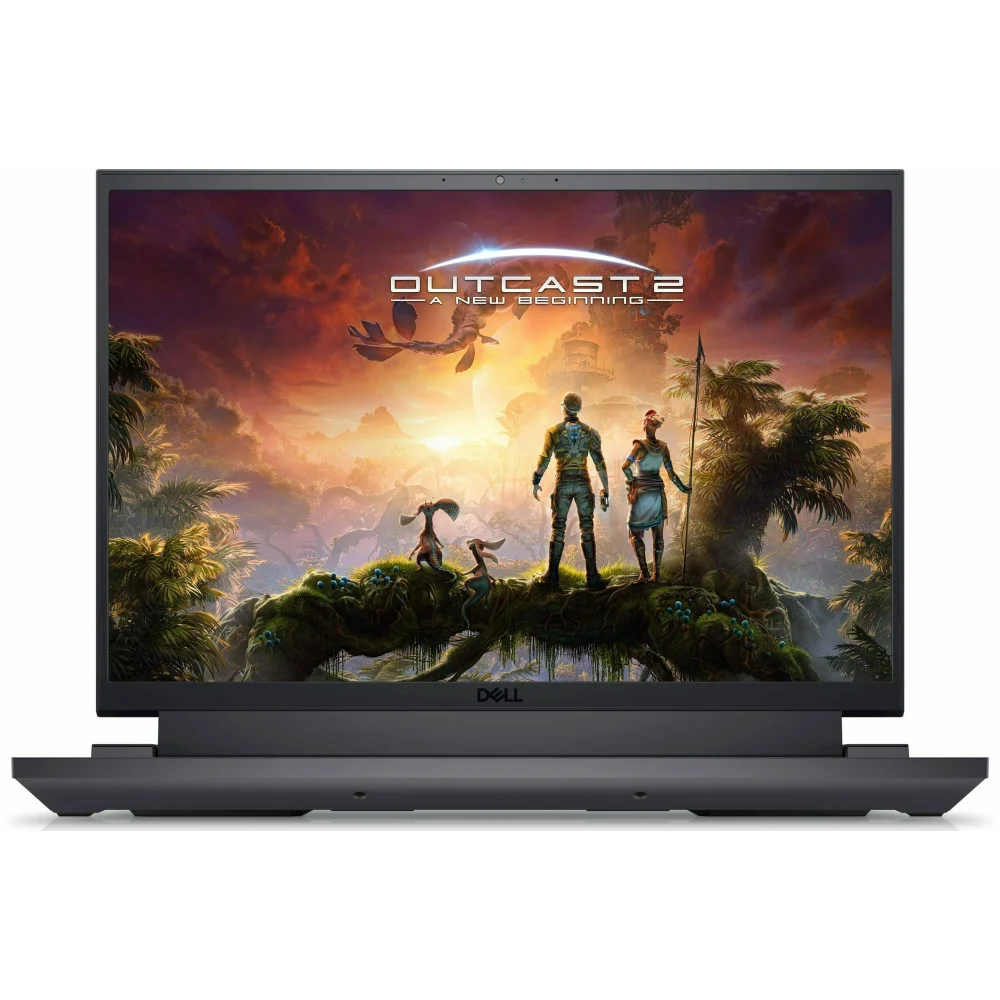
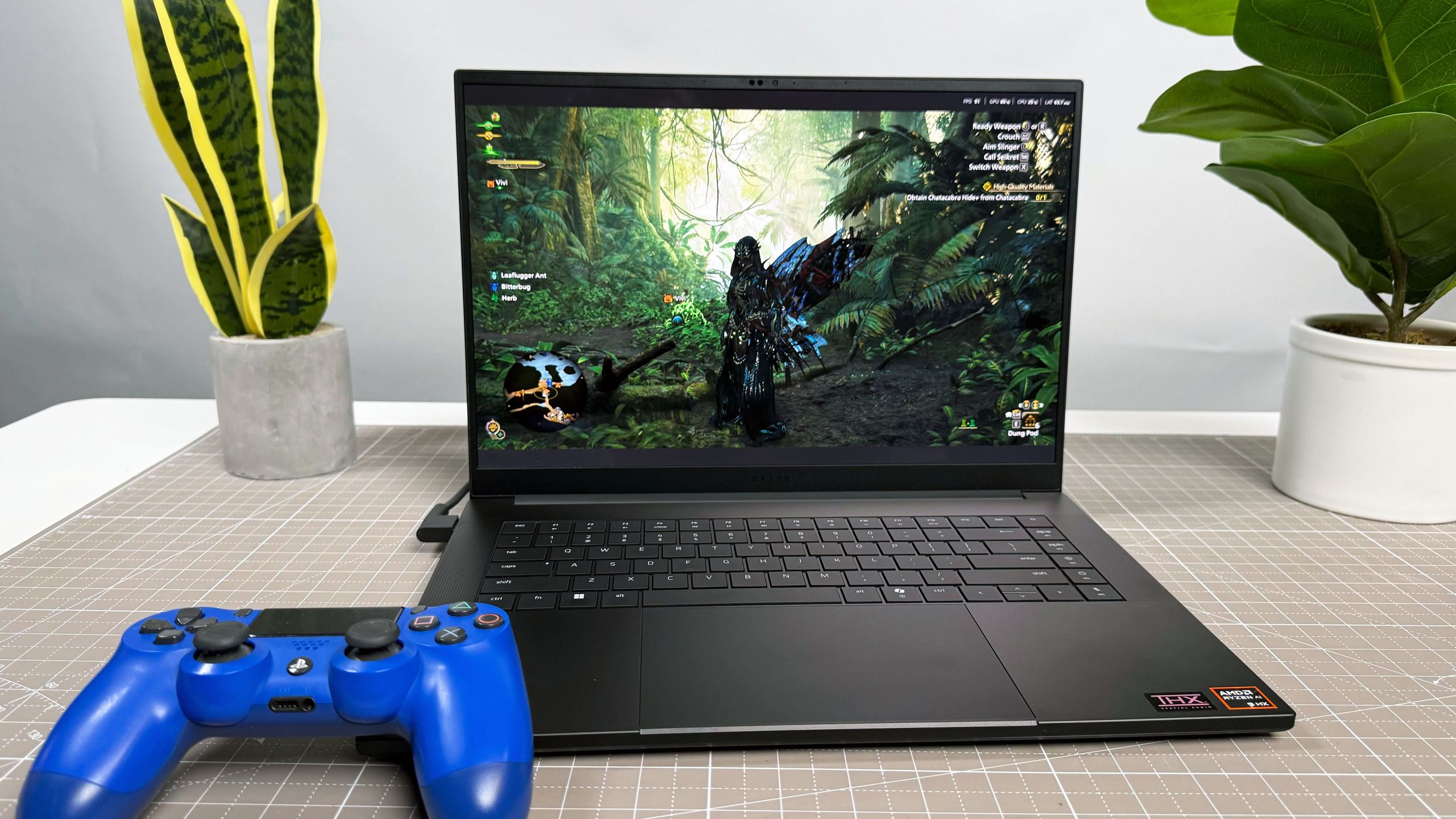
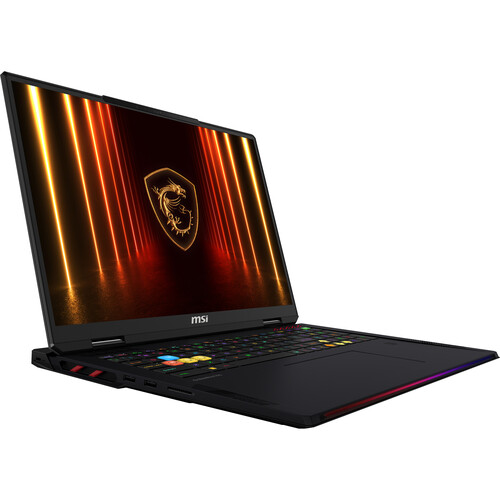
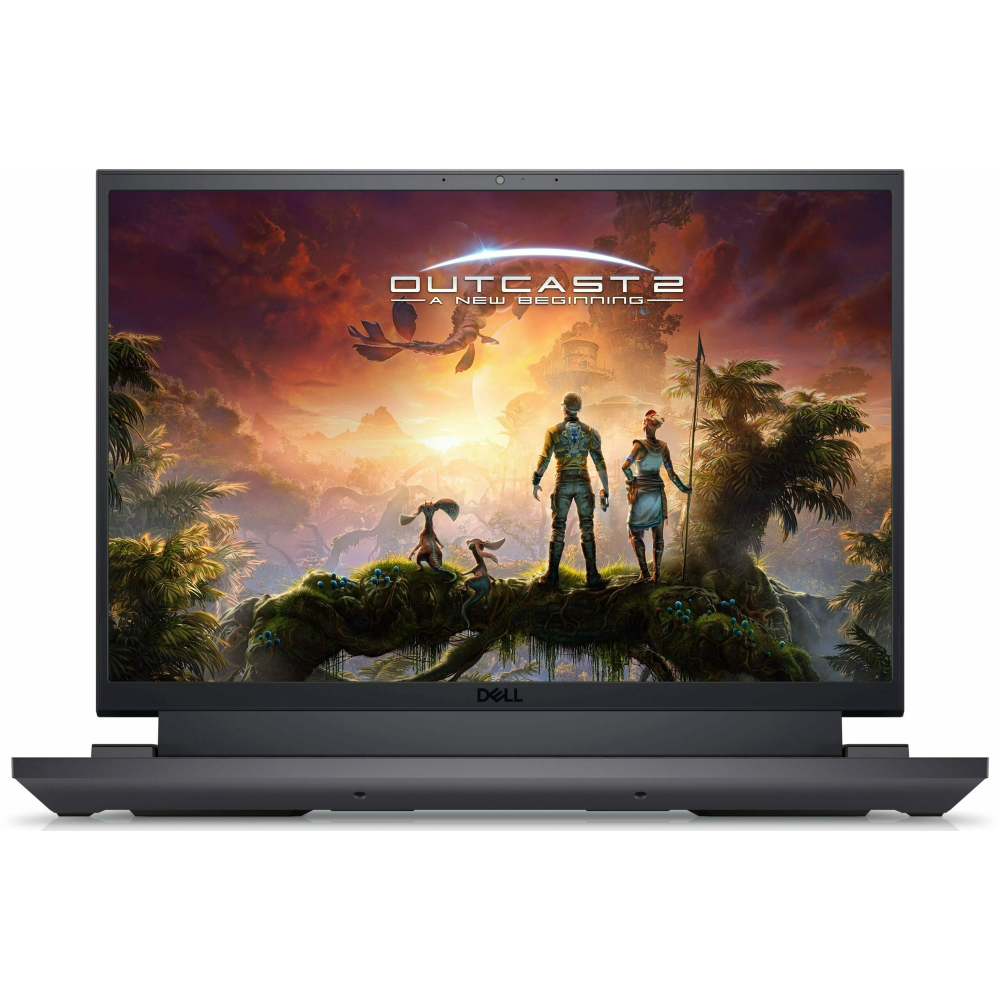
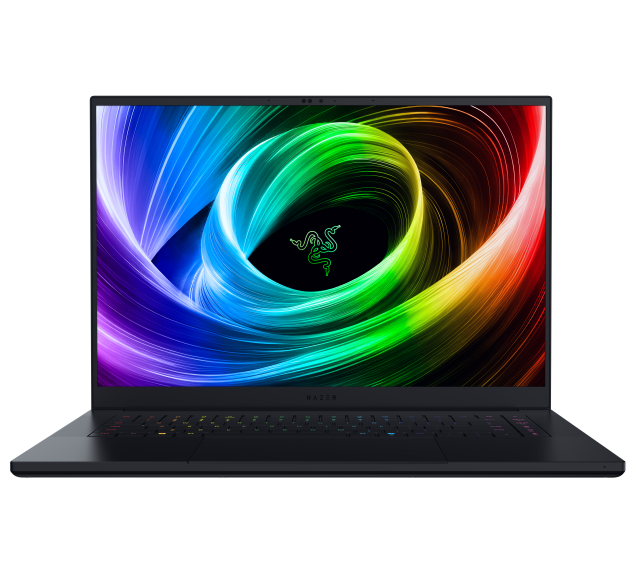
The premium segment, exemplified by the MSI Raider 18 HX AI and the Razer Blade 16 (2025), is targeting users who prioritize high-fidelity display technology, such as MiniLED and OLED panels, paired with top-tier cooling solutions. These machines often serve as flagship devices, showcasing the limits of current hardware. Conversely, the budget segment, led by models like the Dell G16 (7630), continues to emphasize value-added features like mechanical keyboards and high-refresh-rate IPS displays, bringing near-premium experiences to a sub-$1,000 price point.
Comparative Performance Benchmarks
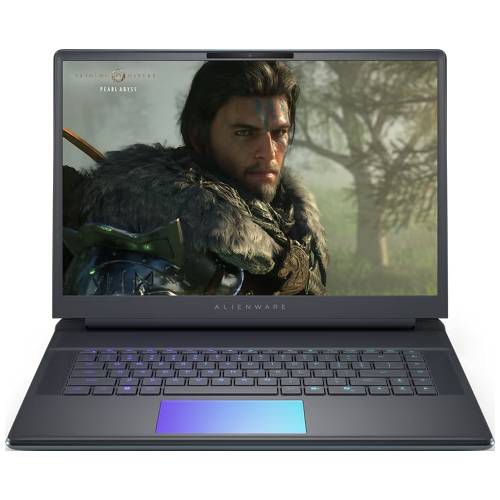
A critical aspect of the 2025 market is the performance gap between hardware generations. According to internal testing, the RTX 50-series GPUs demonstrate a measurable advantage in both synthetic and real-world benchmarks compared to the RTX 40-series. For instance, the Alienware 16 Area-51, utilizing the RTX 5080, has consistently outperformed previous-generation flagships in both Geekbench 6 multi-core scores and graphical throughput.
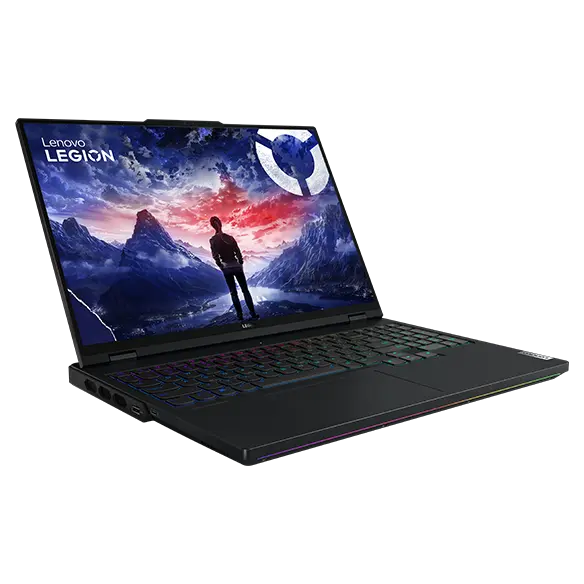
However, data also suggests that the RTX 40-series remains highly competitive. The Lenovo Legion Pro 7i (Gen 9), featuring the RTX 4080, continues to hold its ground against newer models in specific gaming benchmarks, suggesting that for users who do not require the latest AI-enhanced features, current 40-series hardware offers significant cost-to-performance advantages as prices stabilize.
Battery Life and Thermal Management: The Persistent Challenge
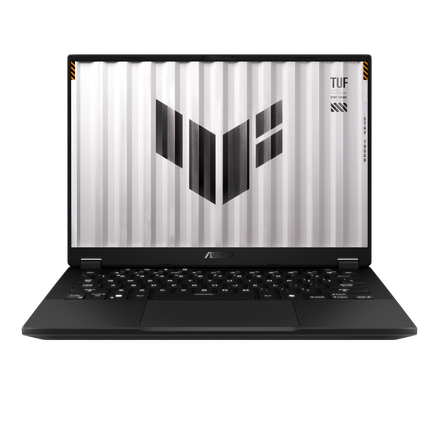
Despite the performance gains, thermal management and battery endurance remain the primary constraints for the industry. Modern gaming laptops are notorious for high power consumption, often resulting in battery life under four hours during intensive tasks. The exception to this trend in 2025 is the Asus TUF Gaming A14. By utilizing power-efficient AMD Ryzen processors paired with optimized RTX 4060 graphics, the A14 has achieved over 10 hours of battery life in web-surfing tests—a milestone that previously seemed unattainable for machines capable of running AAA titles.
This advancement has profound implications for the professional-gamer demographic, allowing users to transition between high-intensity gaming and academic or professional productivity without the immediate necessity of an AC power adapter.
The Impact of Display Technology
The choice of display panel has become a focal point of differentiation in 2025. While 1080p resolution is increasingly being phased out as the standard, the industry has gravitated toward 16-inch, 1600p (2560 x 1600) panels. The integration of OLED technology, seen in the Razer Blade 16, provides superior color accuracy and contrast ratios that significantly enhance the gaming experience. While MiniLED remains the preferred choice for those prioritizing raw brightness, OLED has become the preferred option for color-critical tasks and immersive visual fidelity.
Economic Implications for Consumers
The rapid release of new GPU architectures often triggers price volatility. As RTX 50-series laptops become more widely available, retailers have begun discounting remaining inventory of 40-series units. This creates a strategic window for consumers. Industry analysts suggest that for gamers operating on a strict budget, the "sweet spot" for 2025 will involve identifying retailers clearing out stock of mid-to-high-tier 40-series laptops, which remain capable of running any modern software at acceptable performance levels.
Guidance for Future Purchases
When evaluating a potential purchase in the current market, consumers are advised to weigh three primary factors:
- Requirement Analysis: Determine if the machine is intended solely for gaming or if it must also serve as a portable workstation. If the latter, battery life and physical weight (portability) should take precedence over raw GPU throughput.
- Resolution and Refresh Rate: Avoid the trap of paying for a 4K display if the integrated GPU cannot sustain high refresh rates at that resolution. A balanced 1440p panel with a 165Hz or 240Hz refresh rate is widely considered the optimal setup for 2025.
- Connectivity and Expandability: Ensure that the device offers sufficient ports for peripherals, as many modern, thinner chassis are sacrificing connectivity for portability.
The Broader Outlook
As 2025 progresses, the gaming laptop market is expected to continue its trend toward miniaturization and AI-integrated performance. The push from manufacturers to incorporate more robust cooling systems and more efficient power delivery is a response to the growing demand for "do-it-all" machines. While the desktop remains the superior option for pure, cost-effective performance, the engineering milestones reached in the current generation of gaming laptops ensure that the gap in the user experience continues to close.
The shift toward sustainable and efficient high-performance computing is not just a trend but a necessity for the industry. As developers continue to optimize AAA games for mobile architecture, and as hardware designers refine the balance between thermals and power, the gaming laptop of 2025 stands as a testament to the maturation of mobile technology. Whether one chooses the cutting-edge performance of an RTX 50-series rig or the reliable, cost-effective power of a previous-generation machine, the current market offers a level of choice and capability that was largely absent only a few years prior.