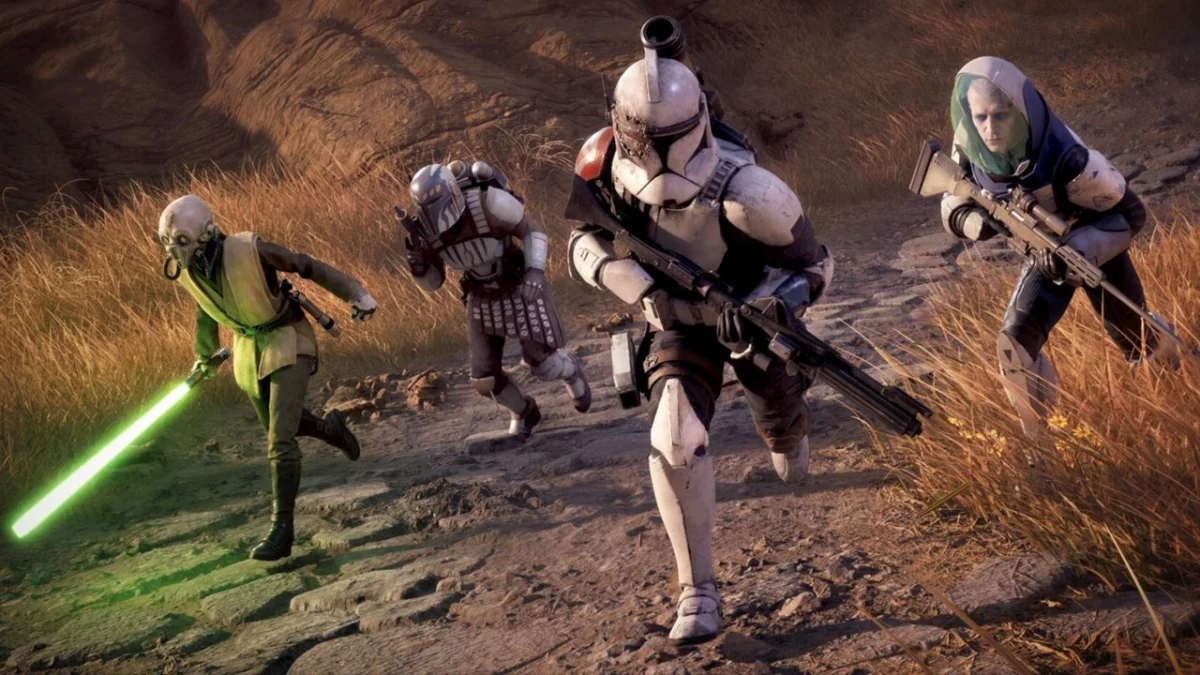
Bit Reactor, the studio behind the highly anticipated tactical strategy game Star Wars Zero Company, has confirmed that the title will not feature official mod capabilities upon its release. This announcement, made during a recent Discord Q&A session, has sparked considerable discussion among fans, particularly given the developer’s pedigree, which includes veterans from the critically acclaimed XCOM series—a franchise renowned for its robust and active modding community.
The Genesis of Anticipation: Bit Reactor’s XCOM Lineage
Bit Reactor was founded by a team largely comprised of former developers from Firaxis Games, the studio responsible for the modern XCOM titles, XCOM: Enemy Unknown and XCOM 2. This heritage immediately set high expectations for Star Wars Zero Company, especially in the realm of player-driven content and game longevity. The XCOM series, particularly XCOM 2, stands as a testament to the power of official mod support, which was integrated with official development tools. This support allowed a vibrant community to create thousands of modifications, ranging from cosmetic changes and new classes to complete overhauls like the celebrated "Long War 2" mod, which dramatically extended and deepened the game’s campaign and mechanics. Many players attribute XCOM 2‘s enduring popularity and replayability years after its launch directly to the expansive modding ecosystem. The existence of numerous Star Wars themed mods for XCOM over the years further fueled the hope that Zero Company would embrace a similar philosophy, essentially willing a Star Wars XCOM-like experience into existence through community efforts.
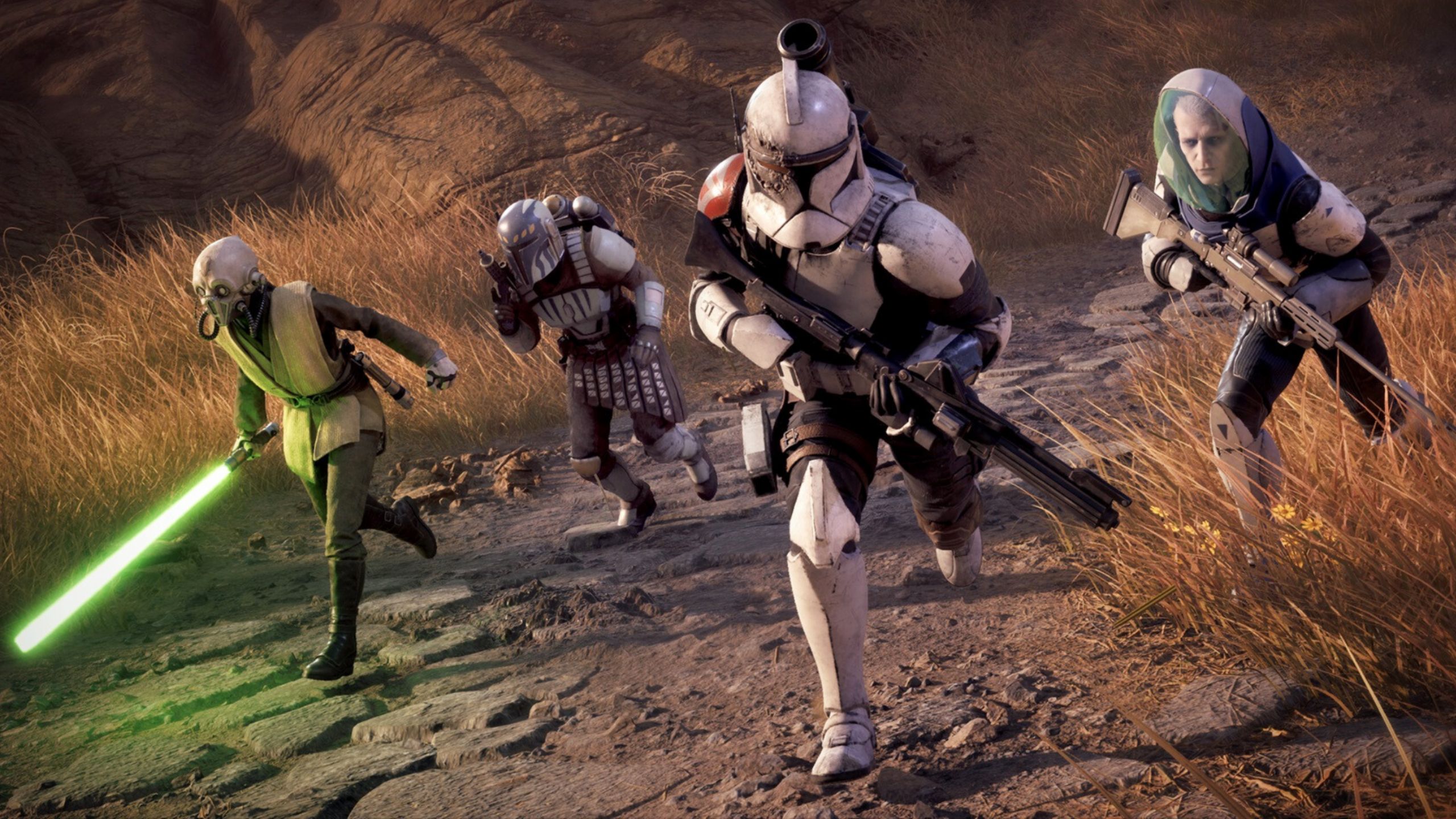
Star Wars Zero Company itself is positioned as a turn-based tactical strategy game set within the iconic Star Wars universe, promising deep squad customization, strategic combat, and permadeath mechanics. Early previews have drawn comparisons not only to XCOM but also to RPGs like Mass Effect for its character-driven narrative and squad-based interactions, creating a unique blend that many fans are eager to explore. The concept of applying XCOM-style tactical depth to the rich lore and diverse characters of Star Wars has generated significant excitement, making the question of mod support particularly pertinent for a game aiming for long-term engagement.
The Official Stance: No Mod Support Planned for Launch
During a recent Discord Q&A, Bit Reactor directly addressed the community’s inquiries regarding mod support. Lead Producer Caydence Funk delivered the definitive statement, acknowledging the community’s value but clarifying the studio’s current plans: "We have a lot of respect for the modding community, but there is no official mod support planned for Star Wars Zero Company."
This statement confirms that, at least for the game’s initial release, players should not expect official modding tools or a curated platform for community-created content. While Funk’s statement leaves a sliver of possibility for future changes, indicating "no official mod support planned," it firmly sets expectations for the launch period. This decision comes despite mod support being one of the most frequently requested features within the game’s official Discord server, highlighting a disconnect between a significant portion of the fanbase’s desires and the developer’s immediate priorities.
Community Reactions and the Weight of Expectation
The announcement has naturally elicited a range of reactions from the community, largely characterized by disappointment. The precedent set by XCOM 2‘s success with modding had cultivated a strong expectation that a spiritual successor from the same creative minds would follow suit. For many, the ability to customize, expand, and even dramatically alter a game’s experience through mods is a crucial factor in its long-term appeal and value.
One fan’s sentiment, expressed in a month-old Reddit post prior to the official confirmation, succinctly captured this perspective: "Without mods, [Zero Company] probably won’t surpass XCOM 2 in my rotation. But with them it could become my new favorite game." This illustrates how integral modding is for a segment of the strategy game audience, influencing not just initial purchase decisions but also the game’s enduring presence on their hard drives. The ability to introduce new units, factions, missions, or even entirely new gameplay systems through mods often breathes new life into games long after their official content cycles conclude. Without this, some players fear Zero Company‘s shelf life, while potentially robust, might not match the multi-year replayability offered by its mod-friendly predecessors.
Analyzing the Rationale: Development Priorities and Licensed IP
While Bit Reactor has not provided an extensive explanation for their decision beyond the simple statement, several factors likely contribute to the lack of official mod support at launch. The most commonly inferred reason, as noted by observers, is "simple development priorities." Creating and maintaining official modding tools is a significant undertaking that requires substantial resources, including dedicated development time, documentation, and ongoing support. For a new studio launching its first major title, especially one under a high-profile license like Star Wars, the focus is almost certainly on delivering a polished, stable, and engaging core game experience. Diverting resources to build and support a modding SDK could potentially impact the quality or timely delivery of the main game, its story, mechanics, and initial post-launch content.
Another critical consideration, often overlooked by players, involves the complexities of working with a major licensed intellectual property. The Star Wars brand, owned by Disney and Lucasfilm, comes with stringent guidelines and control over its use. Allowing extensive third-party modifications, even with official tools, could open a Pandora’s Box of potential issues related to brand consistency, intellectual property rights, and quality control. Every fan-made creation, if officially sanctioned or enabled, could theoretically be seen as an extension of the Star Wars universe, which Disney and Lucasfilm guard very carefully. This often leads IP holders to be wary of modding, as it introduces elements that are outside of their direct creative and legal control. Ensuring that mods do not violate brand guidelines, depict Star Wars content in an undesirable light, or introduce elements that contradict established canon could be an administrative and legal nightmare for both Bit Reactor and the IP owners. The perceived risk and overhead might simply outweigh the benefits from the perspective of the licensors.
Implications for Game Longevity and Unofficial Modding
The absence of official mod support raises questions about Star Wars Zero Company‘s long-term engagement prospects. Games like XCOM 2 have demonstrated that a thriving modding scene can significantly extend a title’s lifespan, keeping communities active and attracting new players years after release. Without this avenue for constant refreshment and expansion, Zero Company will rely solely on its core content, official expansions, and developer-provided updates to maintain player interest. While the Star Wars brand itself is a powerful draw, the tactical strategy genre often thrives on depth and replayability that modding uniquely enhances.
Despite the lack of official tools, it is highly probable that a dedicated community will attempt to create "unofficial" or "jerry-rigged" modifications. The history of PC gaming is replete with examples of passionate modders reverse-engineering games to inject new content, even without developer assistance. However, unofficial modding comes with its own set of challenges:
- Technical Instability: Unofficial mods are often more prone to bugs, crashes, and incompatibilities with game updates.
- Installation Difficulty: They typically require more technical expertise to install and manage.
- Legal Grey Areas: Modding licensed content without official endorsement can sometimes venture into legal ambiguity, though fan-made content is often tolerated as long as it doesn’t directly compete with official products or monetize the IP.
- Limited Scope: Without official APIs or SDKs, the scope of what unofficial mods can achieve is often more restricted compared to what’s possible with dedicated tools.
The article also briefly touches upon a comparison to Firaxis’ Marvel’s Midnight Suns, noting that Zero Company will not have microtransactions that could be undermined by player creations. This distinction is important; in games with extensive cosmetic microtransactions, official mod support for character customization can potentially reduce the incentive for players to purchase official skins. Since Zero Company is not anticipated to lean heavily on such a monetization model, the decision against mod support is less about protecting revenue streams and more likely rooted in the aforementioned development priorities and IP control.
The Role of Customization in Zero Company
One aspect where Star Wars Zero Company is already making strides is in character customization, particularly for its Clone Troopers. The developers have indicated a strong focus on allowing players to personalize their squad members, from armor patterns to individual gear. This level of base-game customization is a significant draw, and it’s precisely where modding could have further enhanced the experience. Alternative character models, new armor types, unique weapons, and even entirely new species or unit types are common fare in XCOM mods, and their absence in Zero Company will be felt by those who enjoy extending aesthetic and functional options beyond official offerings.
Looking further down the line, the potential for "more extensive mods" such as additional encounters, new mission types, or even a Long War 2-equivalent overhaul remains a distant hope without official tools. Such comprehensive modifications often require deep access to game systems and scripting, which is usually only feasible with developer-provided SDKs. While unofficial efforts might bring some cosmetic additions or minor tweaks, game-altering overhauls are significantly more challenging to implement without official support.
Conclusion: A Strategic Decision with Community Impact
Bit Reactor’s decision not to include official mod support for Star Wars Zero Company at launch is a strategic choice, likely balancing development resources, IP owner requirements, and the desire to deliver a polished core experience. While understandable from a development and business perspective, it represents a missed opportunity for a segment of the player base that values the longevity and creative freedom afforded by modding, especially given the developer’s heritage in the highly moddable XCOM series.
The game will undoubtedly rely on its inherent quality, the appeal of the Star Wars universe, and official post-launch content to sustain its player base. Whether the community will manage to foster a vibrant unofficial modding scene, or if Bit Reactor might revisit its stance post-launch, remains to be seen. For now, fans must temper their expectations and appreciate Star Wars Zero Company for the rich tactical experience it promises to be, without the added layer of community-driven expansion that has defined its spiritual predecessors. The enduring success of the game will ultimately hinge on its core gameplay and narrative strengths, rather than the expansive, player-generated content that many had hoped would accompany it.