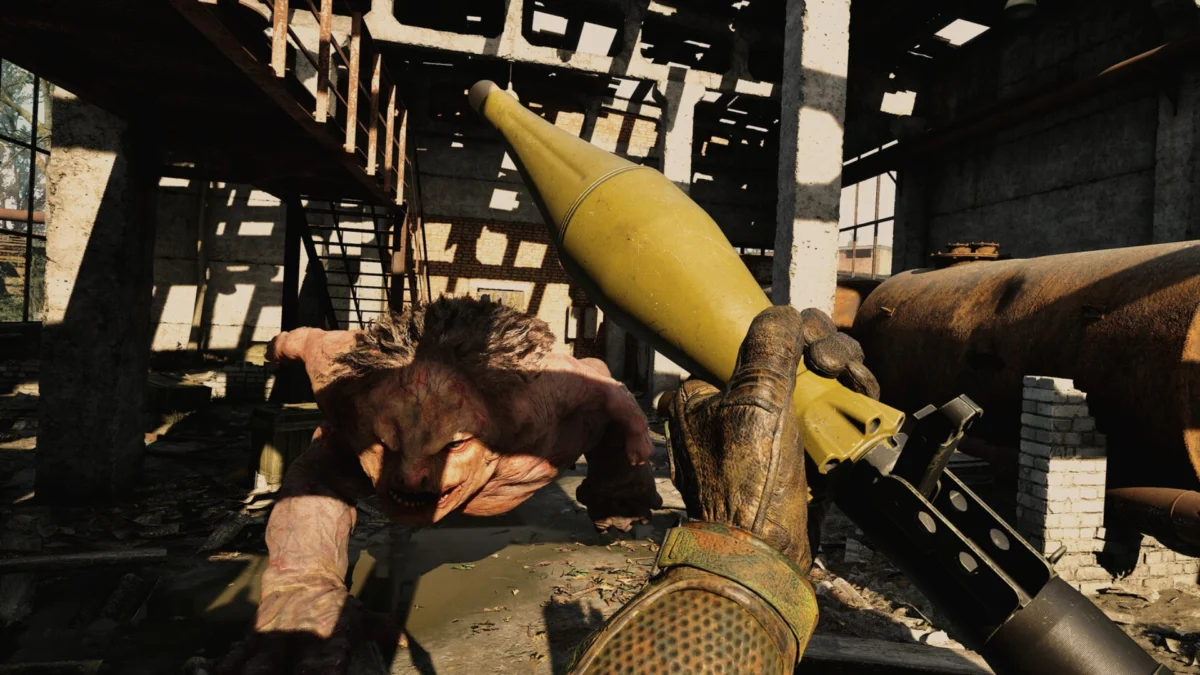
GSC Game World, the Ukrainian development studio behind the highly anticipated survival horror title Stalker 2: Heart of Chornobyl, has issued a strong rebuttal against recent claims made by its original founder, Sergiy Grygorovych. Grygorovych, who departed GSC Game World in 2023, reportedly asserted that Microsoft’s exclusivity deal for Stalker 2 on Xbox had generated revenue exceeding the game’s total development cost, effectively making the title profitable before its official release. However, GSC Game World has unequivocally stated that these claims are inaccurate, emphasizing that Grygorovych was not involved in the negotiations or the game’s production cycle.
The Genesis of the Allegations
The controversy stems from an interview given by Sergiy Grygorovych to Ukrainian YouTuber OLDboi. While the full interview was reportedly machine-translated from Ukrainian, reports from various gaming news outlets, including IGN, highlighted Grygorovych’s specific assertions. According to these reports, Grygorovych claimed that GSC Game World "took more than the cost of Stalker 2" from the Xbox exclusivity deal. He further alleged that Microsoft was significantly impressed by the game’s initial trailer, leading to a lucrative agreement that ensured the game "paid for itself before the first day." This statement, if true, would imply an extraordinary financial success for the studio even before the game hit store shelves, painting a picture of a remarkably favorable deal with Xbox.
Sergiy Grygorovych founded GSC Game World in 1995 and was instrumental in the creation of the original S.T.A.L.K.E.R. series, a franchise renowned for its unique blend of first-person shooter, survival horror, and role-playing elements set in the desolate, mutated landscapes of the Chernobyl Exclusion Zone. His departure from the company in 2023 marked a significant transition, though his historical connection to the studio has often lent weight to his public statements regarding its operations and projects.
GSC Game World’s Official Refutation
In response to the widely circulated claims, GSC Game World provided an official statement to IGN, directly challenging Grygorovych’s narrative. The studio clarified its position, stating: "GSC Game World refrained from commenting for a long time on Sergiy Grygorovych’s public statements about the company. However, we now consider it necessary to respond, as continued silence may be perceived as confirmation of information that is simply not true." This opening underscores the studio’s discomfort with the claims and its decision to break its silence to correct what it perceives as misinformation.
The core of GSC’s rebuttal centered on Grygorovych’s lack of involvement in the contemporary operations of the studio, particularly concerning Stalker 2. "In particular, his recent claims, including his statements regarding the relationship between Stalker 2 and the Xbox teams, do not reflect the actual facts," the statement asserted. Crucially, GSC Game World emphasized, "In accordance with the agreements reached between the parties, Sergiy was not involved either in negotiations with partners regarding Stalker 2 or in the actual development of the game throughout its full production cycle. We have always fully honoured these agreements on our side. For this reason, his comments regarding the company’s activities cannot be considered an accurate reflection of the actual state of affairs."
This robust denial clearly delineates Grygorovych’s status as a former founder with no current operational insight into the financial dealings or development processes of Stalker 2. The studio’s statement suggests that his information sources, if any, are outdated or inaccurate, and his pronouncements therefore lack factual basis.
A Detailed Chronology of Events and Project Development
To fully appreciate the context of this dispute, a brief chronology of Stalker 2‘s development and the key players involved is essential.
- 1995: Sergiy Grygorovych founds GSC Game World in Kyiv, Ukraine.
- 2007: S.T.A.L.K.E.R.: Shadow of Chernobyl is released, garnering critical acclaim and a dedicated fanbase.
- 2008-2009: Two standalone expansions, Clear Sky and Call of Pripyat, further solidify the franchise’s reputation.
- 2010: Stalker 2 is initially announced, but development faces numerous challenges.
- 2012: The original Stalker 2 project is officially canceled, and GSC Game World goes dormant for a period.
- 2014: GSC Game World is re-established, initially focusing on other projects like Cossacks 3.
- 2018: Stalker 2 is officially re-announced, signaling a fresh start for the franchise’s long-awaited sequel. The new project is built using Unreal Engine 5, promising significant technological advancements.
- 22 July 2020: The first gameplay trailer for Stalker 2 is showcased during the Xbox Games Showcase, confirming its console exclusivity on Xbox Series X/S and its day-one availability on Xbox Game Pass. This trailer is likely the one Grygorovych referenced as impressing Microsoft.
- Early 2022: Russia’s full-scale invasion of Ukraine profoundly impacts GSC Game World, a Ukrainian studio. Development is temporarily paused, and many team members relocate, some even joining the Ukrainian armed forces. The studio later moves its operations to Prague, Czech Republic, to ensure the safety of its staff and continued development.
- 2023: Sergiy Grygorovych departs from GSC Game World. The exact circumstances and date are not publicly detailed, but his exit precedes the recent claims.
- Late 2023 – Early 2024: Grygorovych gives the interview to YouTuber OLDboi, making the claims about Stalker 2‘s profitability through the Xbox deal.
- Early 2024: GSC Game World issues its formal statement refuting Grygorovych’s claims to IGN.
- September 5, 2024: Stalker 2: Heart of Chornobyl is currently slated for release on Xbox Series X/S and PC.
This timeline clearly places Grygorovych’s departure before the current phase of Stalker 2‘s development and its financial dealings, reinforcing GSC’s assertion that he lacks firsthand knowledge of the specific agreements.
The Business of Exclusivity: Industry Context
Exclusivity deals are a common and often crucial component of the modern video game industry, particularly for high-profile titles. Platform holders like Microsoft (Xbox), Sony (PlayStation), and Nintendo often invest significant capital to secure games either exclusively for their platforms or as timed exclusives. These agreements serve multiple strategic purposes:
- Attracting Subscribers/Users: Exclusive titles are powerful incentives for consumers to choose one console over another, or to subscribe to a service like Xbox Game Pass. Stalker 2‘s day-one inclusion on Game Pass is a prime example of this strategy.
- Funding Development: For developers, especially independent or mid-sized studios, exclusivity deals provide a vital source of funding. Developing a modern AAA game like Stalker 2 requires tens, if not hundreds, of millions of dollars. An upfront payment or ongoing financial support from a platform holder can de-risk the project, allowing the studio to focus on quality without immediate revenue pressures.
- Marketing and Support: Platform holders often provide extensive marketing, technical, and logistical support for exclusive titles, significantly boosting a game’s visibility and reach.
- Competitive Advantage: In the highly competitive console market, exclusive content is a key differentiator. Securing a game like Stalker 2, with its cult following and unique premise, represents a significant win for Xbox.
The claim that Xbox paid "more than the cost of Stalker 2" for exclusivity is indeed a bold one. While specific financial figures for these deals are rarely disclosed, it is plausible that a platform holder might make a substantial upfront payment or offer a robust package (including marketing, technical support, and Game Pass integration) that, in theory, could cover a significant portion of a game’s budget. However, to state it covered the entire cost and made the game profitable pre-release is a high bar, implying an extremely favorable deal for GSC Game World. The average cost of developing a modern AAA game can range from $50 million to over $200 million, depending on scope, team size, and development duration. Even with a significant exclusivity payment, fully recouping these costs before launch is unusual, unless the game has a comparatively modest budget, which seems unlikely for a title of Stalker 2‘s ambition.
Funding Stalker 2: A Closer Look
GSC Game World’s statement also shed light on the actual financial backing of Stalker 2, directly contradicting Grygorovych’s implied narrative that Xbox’s payment was the sole or primary financial driver. The studio clarified that "the majority of the development budget" for Stalker 2 was funded by the company’s current owner, Ukrainian entrepreneur Max Krippa.
Max Krippa acquired a majority stake in GSC Game World following its re-establishment. His financial commitment underscores a common model in the gaming industry where private investment or a parent company’s capital plays a significant role alongside external publishing or platform deals. This suggests a multi-faceted funding approach, where the Xbox exclusivity deal would be one component, but not necessarily the overarching financial lifeline that Grygorovych’s statements implied.
Developing a game of Stalker 2‘s scale, especially under the extraordinary circumstances of the ongoing war in Ukraine, undoubtedly presents immense financial and logistical challenges. Relocating a significant portion of the development team, ensuring their safety, and maintaining productivity amidst a national crisis would naturally inflate costs and complicate financial planning. Krippa’s sustained investment would be critical to navigating these unprecedented difficulties.
Implications for GSC Game World and Stalker 2
The public dispute between GSC Game World and its former founder carries several implications for the studio, the game, and the broader industry:
- Reputational Impact: While GSC Game World has swiftly refuted the claims, public disagreements, especially involving former leadership, can sow seeds of doubt or confusion among fans and potential investors. Maintaining a clear, unified message is crucial for a studio, particularly one under intense scrutiny due given the challenging circumstances of its development.
- Financial Transparency: The dispute touches upon sensitive financial information that game studios rarely disclose. While GSC’s rebuttal aims to clarify, it also highlights the inherent opaqueness of game development financing, leading to speculation when figures are alluded to by insiders.
- Developer Morale: Public statements that might misrepresent the studio’s financial health or operational autonomy could potentially impact internal morale, especially for a team that has faced significant adversity. GSC’s strong response likely aims to protect its current team and leadership from mischaracterization.
- Fan Perception: Stalker 2 is a highly anticipated title, and its development story, particularly its resilience in the face of war, has garnered significant goodwill. Any controversy, even if quickly debunked, could distract from the game’s artistic and technical merits. Fans want to see the game succeed, and clarity on its development and financial health is generally welcomed.
- Relationship with Microsoft: GSC Game World’s statement implicitly defends its partnership with Xbox by correcting what it perceives as misrepresentations of their agreement. Maintaining strong publisher/platform relationships is vital for future projects and ongoing support.
The Broader Gaming Landscape
This incident also serves as a reminder of the complex interplay between creative vision, business realities, and public relations in the video game industry. The allure of "pre-profitability" is significant, but it can also create unrealistic expectations or misinterpretations of intricate financial structures. Developers, even those with strong intellectual property, often rely on external funding to bring their ambitious visions to fruition. Exclusivity deals are one such mechanism, but they are rarely the sole source of funding, especially for multi-year, large-scale projects.
Moreover, the departure of a founder and subsequent public comments highlight challenges in corporate transitions within the creative industries. Ensuring clear boundaries and communication protocols between past and present leadership is critical to avoid public disagreements that can harm the company’s image and operations.
Looking Ahead: Stalker 2’s Future
Despite the recent controversy, GSC Game World remains focused on the impending release of Stalker 2: Heart of Chornobyl. The studio confirmed that it is actively working on "a significant update" for the game, alongside its "first big story-focused DLC." This indicates a robust post-launch content plan, suggesting a long-term commitment to the title and its community.
The game has undergone numerous updates and fixes since its initial public demonstrations, addressing player feedback and refining its core mechanics. Previous reports have detailed improvements, such as the implementation of an "A-Life" system designed to create a dynamic, living world, and the dispersion of "accidental mutant crowds," demonstrating the studio’s dedication to polishing the experience.
As Stalker 2 approaches its September 5, 2024, release date, the focus will undoubtedly shift back to the game itself. The title represents not just a highly anticipated sequel but also a testament to the resilience and determination of the Ukrainian game development community. GSC Game World’s emphatic rejection of its former founder’s claims aims to ensure that the narrative surrounding Stalker 2 remains centered on its development achievements and its future potential, rather than speculative financial disputes. The industry, fans, and critics will be watching closely to see if Stalker 2: Heart of Chornobyl lives up to its immense promise and the challenging journey of its creation.