Stacey Higginbotham, a prominent figure in technology journalism and a pioneer in reporting on the Internet of Things (IoT), officially announced her departure from the weekly "Stacey on IoT" newsletter and podcast on August 18, 2023. This transition marks the conclusion of a seven-year independent venture that became a cornerstone for industry professionals, hobbyists, and policymakers seeking to understand the complex intersection of hardware, connectivity, and social implications. Higginbotham, who transitioned from a senior editorial role at Fortune to launch her own media brand in 2016, cited a need to step back from the relentless pace of daily news cycles to focus on the broader, long-term consequences of a hyper-connected world.
The departure of one of the industry’s most consistent voices comes at a critical juncture for the IoT sector. While Higginbotham will no longer produce the weekly podcast or newsletter on a regular basis, she will maintain a presence on the social media platform Bluesky and continue her work in a consulting capacity. Her future endeavors include a role with the Consumer Reports Innovation Lab, where her focus will shift toward the critical issues of cybersecurity and privacy—areas she has long identified as the primary friction points in the adoption of connected technologies.
A Chronology of Independent Tech Journalism
The trajectory of Stacey on IoT serves as a case study for the evolution of independent technology media. Before founding the platform, Higginbotham spent over two decades in mainstream financial and technology journalism, most notably at Gigaom and Fortune. Her decision to leave Fortune in 2016 was met with skepticism from peers who questioned the viability of a niche publication dedicated solely to the Internet of Things.
However, the timing of the launch aligned with a period of explosive growth in the sector. In 2016, the IoT market was transitioning from experimental consumer gadgets to essential industrial and domestic infrastructure. Higginbotham’s coverage went beyond product reviews, focusing on the "plumbing" of the internet—the protocols, chips, and data standards that allow devices to communicate.
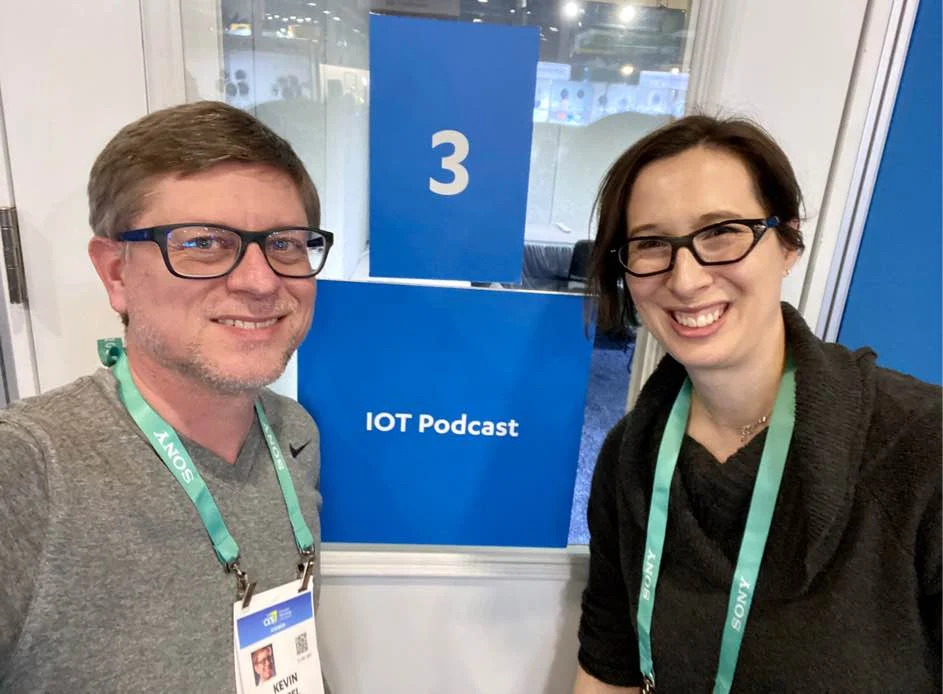
Over the subsequent seven years, the "Stacey on IoT" brand expanded to include a high-traffic website, a weekly newsletter with thousands of subscribers, and a popular podcast co-hosted by Kevin Tofel. The podcast, in particular, became a vital forum for interviews with CEOs of major tech firms, security researchers, and startup founders. The platform’s sustainability was bolstered by a mix of corporate sponsorships and a dedicated reader base, proving that deep-dive technical reporting could thrive outside the confines of traditional legacy media.
The Growth and Complexity of the IoT Landscape
To understand the impact of Higginbotham’s work, one must examine the staggering growth of the market she covered. When she began her independent reporting in 2016, there were approximately 6.4 billion connected things in use worldwide, according to data from Gartner. By the time of her announcement in 2023, that number had surged to over 15 billion, with projections from International Data Corporation (IDC) suggesting that the number of connected IoT devices could reach 40 billion by 2025.
This growth brought about a shift in the nature of the technology. The early years of Higginbotham’s coverage were characterized by the "smart home" boom, led by products like the Nest thermostat and Amazon Echo. However, as the decade progressed, the focus shifted toward the Industrial Internet of Things (IIoT), smart cities, and the integration of artificial intelligence at the "edge."
Higginbotham’s reporting consistently highlighted the hidden costs of this connectivity. As devices became more prevalent, the risks associated with data privacy and corporate surveillance intensified. The industry witnessed several high-profile security failures, such as the Mirai botnet attack in 2016, which utilized insecure IoT devices to launch a massive Distributed Denial of Service (DDoS) attack. These events validated Higginbotham’s persistent focus on security-by-design, a topic that has since moved from the fringes of tech discourse to the center of international policy.
Industry Trends and Economic Shifts
Throughout her tenure, Higginbotham documented a significant shift in the business models governing connected devices. Initially, many companies relied on hardware sales to drive revenue. However, as the costs of maintaining cloud servers and providing ongoing software updates became apparent, the industry pivoted toward subscription-based models.
This transition was not without controversy. Higginbotham often critiqued the trend of "bricking" devices—where a company shuts down the servers required for a device to function, rendering the hardware useless. This phenomenon underscored the fragility of the IoT ecosystem and the lack of consumer protections in the digital age.
Furthermore, the emergence of the Matter standard in 2022 and 2023 represented a major milestone that Higginbotham covered extensively. Matter, a royalty-free connectivity standard designed to improve interoperability between different smart home ecosystems (such as Apple Home, Amazon Alexa, and Google Home), was seen as a potential solution to the fragmentation that had long plagued the industry. Her analysis of such standards provided essential clarity for a market struggling to achieve mainstream reliability.
Addressing the "Burnout" in Tech Media
Higginbotham’s decision to step back also highlights a growing trend of "journalist burnout" within the technology sector. The demand for constant content, combined with the rapid pace of innovation and the increasing complexity of the subjects being covered, has placed immense pressure on independent creators.
In her final newsletter, Higginbotham noted that her relentless focus on daily and immediate news had left little room to contemplate the "larger implications" of the products she reported on. She expressed a growing cynicism toward the startup ecosystem, noting that the focus on Environmental, Social, and Governance (ESG) criteria often felt like "greenwashing" rather than substantive change. This sentiment reflects a broader fatigue within the tech industry, where the initial optimism of the "connected world" has been tempered by the realities of data exploitation and the optimization of labor through surveillance.
Analysis of Implications and Future Directions
The departure of "Stacey on IoT" creates a void in the niche of specialized IoT reporting. While general technology publications continue to cover major product launches, few provide the technical depth and socio-technical analysis that Higginbotham’s platform offered. This exit may signal a broader shift in how technology news is consumed, moving away from centralized experts toward a more fragmented landscape of newsletters and social media influencers.
However, Higginbotham’s move to the Consumer Reports Innovation Lab suggests a new chapter in the fight for consumer rights in the digital space. Consumer Reports, a non-profit organization dedicated to unbiased product testing and consumer advocacy, has increasingly focused on the "Digital Lab," which evaluates products based on privacy and security standards. Higginbotham’s expertise is expected to bolster these efforts, particularly as governments in the United States and Europe begin to implement stricter regulations on IoT devices.
For example, the U.S. government’s introduction of the "U.S. Cyber Trust Mark"—a labeling program designed to help consumers identify secure IoT devices—mirrors many of the advocacy points Higginbotham championed throughout her career. Her transition from journalist to consultant/advocate allows her to apply her deep knowledge of the industry to the creation of frameworks that could make connected devices safer for the general public.
Conclusion and Legacy
Stacey Higginbotham’s seven-year journey with "Stacey on IoT" remains a testament to the importance of specialized, critical journalism in an era of rapid technological change. By focusing on the "how" and "why" of connectivity rather than just the "what," she provided a roadmap for understanding a world where computing is embedded in every object.
As the industry moves forward, the challenges she highlighted—interoperability, security, and the ethics of data collection—remain the primary hurdles for the Internet of Things. While the weekly updates may have ceased, the insights generated during this period will likely influence the next generation of engineers, policymakers, and journalists who are tasked with building a more secure and equitable connected future. The legacy of "Stacey on IoT" is not merely a collection of podcasts and articles, but a foundational body of work that helped define the discourse of the modern technological age.