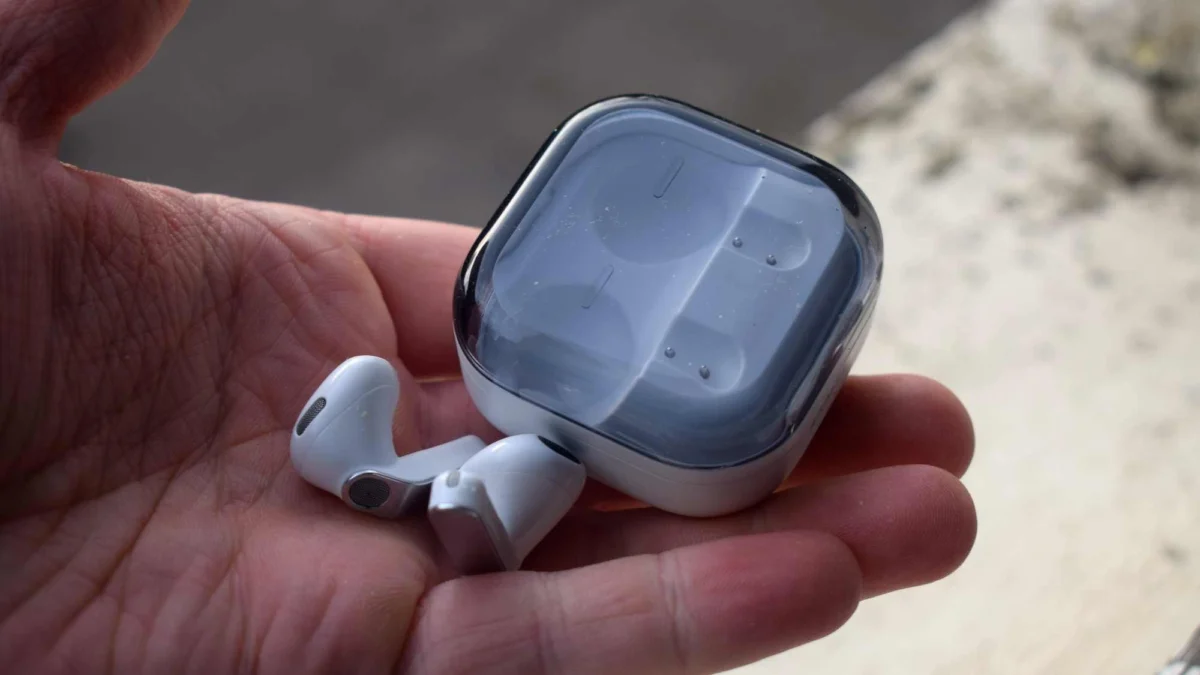
Samsung’s recent Galaxy Unpacked 2026 event, a marquee showcase for the tech giant’s latest innovations, concluded without the much-anticipated debut of the Galaxy Buds Able, a new line of open earbuds that had been the subject of considerable industry speculation. While the event unveiled an impressive array of new devices, including three foldable smartphones, two advanced smartwatches, and a pair of innovative smart glasses, audio enthusiasts were left questioning the whereabouts of Samsung’s rumored foray into the burgeoning open-ear audio segment. This conspicuous absence has now been clarified by a report from the Korean publication Electronic Times, which indicates that the launch of the Galaxy Buds Able has been postponed, with a new release window projected for later in the year, specifically Q4 2026. The delay, according to the report, stems from Samsung’s commitment to thoroughly evaluate "the product’s quality and launch timing," underscoring the company’s meticulous approach to product development, particularly for a novel product category.
The Galaxy Unpacked events are cornerstone moments in Samsung’s annual product cycle, serving as global platforms to introduce flagship devices and articulate the company’s vision for integrated technology ecosystems. The 2026 iteration continued this tradition, primarily focusing on advancing Samsung’s leadership in foldable technology with the unveiling of the latest Galaxy Z Fold and Z Flip series. These devices represent significant engineering feats, pushing the boundaries of smartphone design and functionality. Complementing these were new iterations of the Galaxy Watch, enhancing health monitoring and smart connectivity, and a new generation of smart glasses, hinting at Samsung’s ambitions in augmented reality and wearable computing. The meticulous planning and grand scale of these launches typically mean that any product expected to be part of such an event is considered a key strategic offering. Therefore, the non-appearance of the Galaxy Buds Able, despite numerous preceding rumors, signaled either an unexpected hitch or a deliberate strategic pivot by Samsung.
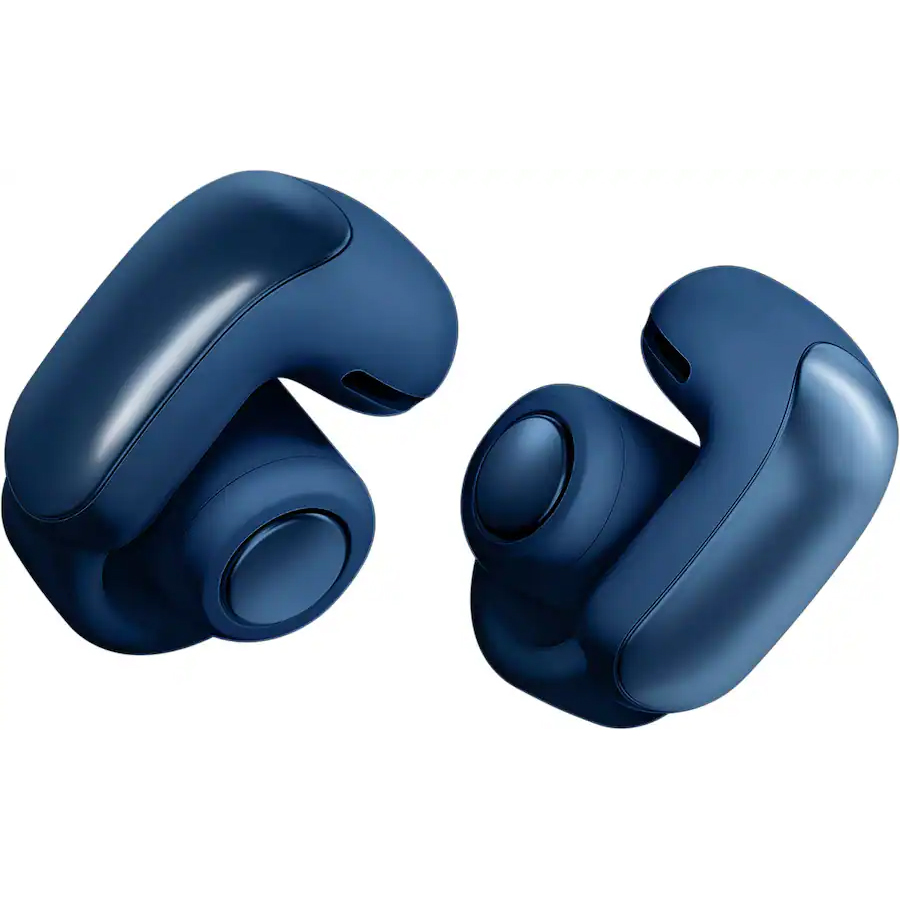
The concept of open earbuds, distinct from traditional in-ear or over-ear headphones, has been gaining significant traction in the audio market. These devices are designed to sit outside or clip onto the ear, allowing users to remain aware of their surroundings while still enjoying audio content. This form factor addresses common complaints associated with conventional earbuds, such as discomfort from occlusion, hygiene concerns, and the isolation from ambient sounds that can be critical for safety in urban environments or for professionals needing to remain attentive to their surroundings. Market research firms like Grand View Research have highlighted a steady growth in the open-ear audio segment, driven by increasing consumer demand for situational awareness, comfort during extended wear, and innovative designs that blend technology with fashion. Key players such as Shokz, known for its bone-conduction headphones, and Bose, with its Ultra Open Earbuds, have already established a presence, setting a high bar for audio quality and ergonomic design within this niche. For Samsung to enter this market, its offering would need to not only meet but potentially exceed these established benchmarks, particularly concerning sound fidelity and user experience.
The journey of the Galaxy Buds Able from rumor to delayed reality has been a winding one, marked by a series of leaks and inferences that fueled anticipation. Early mentions of a new Samsung audio wearable, distinct from the standard Galaxy Buds series, began surfacing in specialized tech publications and leaker communities several months prior to Unpacked 2026. These initial reports often pointed to regulatory filings and internal code names within Samsung’s Galaxy Wearable application, suggesting a product with an "odd new name" that hinted at a novel form factor. The term "Able" itself, as revealed in these leaks, suggested a device designed for active lifestyles or enhanced utility. As the Unpacked event approached, more concrete rumors, including potential design sketches and specifications, coalesced around the idea of Samsung’s first-ever clip-on or ear-cuff style earbuds. This form factor was perceived as a direct challenge to products like the Bose Ultra Open Earbuds, indicating Samsung’s ambition to directly compete in this emerging segment. The widespread expectation was that these innovative earbuds would be a significant complement to Samsung’s mobile ecosystem, offering a unique audio experience alongside their new phones and smartwatches. The absence at Unpacked, therefore, was a notable deviation from what many industry watchers had predicted, prompting immediate speculation about the underlying reasons.
The official explanation for the delay, as reported by Electronic Times, cites Samsung’s need to evaluate "the product’s quality and launch timing." This two-pronged rationale provides a critical insight into Samsung’s strategic considerations. Regarding product quality, the development of open earbuds, especially those employing a clip-on or ear-cuff design, presents unique engineering challenges. Unlike traditional in-ear monitors that benefit from a sealed ear canal for acoustic performance, open earbuds must deliver clear, rich audio while minimizing sound leakage and maintaining bass response in an open-air environment. This often involves sophisticated directional audio technologies and precise acoustic tuning to "beam" sound effectively to the user’s ear without disturbing others nearby. Ensuring a secure, comfortable, and stable fit across a diverse range of ear shapes is also paramount, as an ill-fitting open earbud can severely compromise both audio quality and user satisfaction. Industry analysts suggest that Samsung, known for its commitment to premium product experiences, is likely undertaking extensive user testing and refinement to ensure the Galaxy Buds Able meet stringent performance standards before public release. This rigorous evaluation is particularly crucial for a new product form factor, where initial impressions can significantly influence market adoption.
The second aspect, "launch timing," is equally strategic. The Galaxy Buds 4, Samsung’s conventional in-ear earbuds, have only recently been introduced to the market. Launching another earbud product, especially one targeting a somewhat overlapping user base, too soon could lead to market cannibalization, where sales of one product inadvertently detract from another within the same brand portfolio. A staggered release strategy allows Samsung to maintain a consistent media presence, allocate marketing resources more effectively, and ensure each product receives its deserved spotlight. A Q4 launch for the Galaxy Buds Able could coincide with other anticipated Samsung releases, such as new tablets, budget-friendly "FE" (Fan Edition) smartphones, or even other accessory lines. This could allow for bundled promotions or a consolidated marketing push, maximizing consumer interest and sales potential during the crucial holiday shopping season. By strategically spacing out its product launches, Samsung aims to optimize its market presence and revenue streams across its diverse product categories.
Samsung’s broader audio ecosystem is a significant component of its overall mobile strategy. With a comprehensive range of audio products, from the premium Galaxy Buds Pro to the more lifestyle-oriented Buds Live and the mainstream Buds series, Samsung has established itself as a major player in the True Wireless Stereo (TWS) market. The introduction of the Galaxy Buds Able would expand this ecosystem into a new form factor, appealing to a segment of users who prioritize ambient awareness and comfort over complete noise isolation. This diversification is critical in a TWS market that Statista projects to continue its robust growth, with increasing competition from both established tech giants and specialized audio brands. While Samsung’s market share in the TWS segment is strong, particularly when paired with its Galaxy smartphones, the open-ear category represents an opportunity to capture new demographics and solidify its position as an innovator. Competing effectively against products like the Bose Ultra Open Earbuds, which are praised for their comfort and sound quality, and Shokz’s offerings, which excel in bone conduction, requires a meticulously engineered product that delivers on its promises.
The technical hurdles for open earbuds are considerable, and Samsung’s delay suggests a thorough approach to overcoming them. Beyond the acoustic challenges of delivering quality sound without a sealed ear canal, there are significant design and ergonomic considerations. The "clip-on" or "ear-cuff" design requires a universal fit that is both secure enough for active use and comfortable for extended periods, without causing pressure points or irritation. Materials science plays a role here, with the need for lightweight, durable, and skin-friendly components. Furthermore, the integration of advanced features such as active noise cancellation (ANC) or sophisticated ambient sound modes becomes more complex in an open-ear design, as these technologies typically rely on sound isolation to function optimally. Samsung’s "quality evaluation" likely encompasses extensive testing across these dimensions, potentially involving multiple design iterations, material selections, and software optimizations to ensure the Galaxy Buds Able meet the high standards consumers expect from a premium Samsung product. The goal is to create a product that not only functions but excels, offering a compelling alternative in a competitive and evolving market.
Looking ahead, the anticipated Q4 2026 launch of the Galaxy Buds Able positions them as a key product for Samsung during the holiday sales period. If the Electronic Times report accurately points to a September or October release, it would allow for significant marketing push leading into November and December, traditionally the strongest months for consumer electronics sales. This strategic timing could allow the Galaxy Buds Able to ride the wave of holiday shopping, potentially benefiting from bundled offers with other Samsung devices or becoming a standalone popular gift item. The implications for the broader market are also noteworthy. A successful entry by Samsung into the open-ear segment could further legitimize and accelerate the adoption of this form factor, prompting other major tech companies to invest more heavily in similar designs. Conversely, if the delay signifies deeper development challenges, it could highlight the inherent difficulties in perfecting open-ear audio technology, potentially influencing the pace of innovation across the industry. For consumers, the delay builds anticipation, suggesting that when the Galaxy Buds Able finally arrive, they will be a highly refined and competitive product, ready to challenge the established leaders in the open-ear audio space. As such, tech enthusiasts and audio connoisseurs alike will undoubtedly be keeping a close watch on Samsung’s announcements as Q4 approaches, eager for the official unveiling and detailed specifications of these long-awaited earbuds.