In a surprising turn of events that defies conventional wisdom in the pursuit of digital perfection, Netflix has intentionally degraded the visual quality of its flagship series, "Stranger Things," for a special anniversary release. This deliberate move towards a lo-fi aesthetic, complete with 4:3 aspect ratios, simulated tracking glitches, and the characteristic grain of VHS tapes, is not an isolated incident. It mirrors a broader cultural and technological trend, underscored by Christopher Nolan’s monumental $250 million blockbuster, "The Odyssey," which was shot entirely on physical film using newly developed IMAX cameras. These seemingly retrograde choices signal a profound shift in audience perception and creative intent, offering crucial insights for every photographer, videographer, and content creator navigating the modern media landscape.
Netflix’s Calculated Descent into VHS Aesthetics
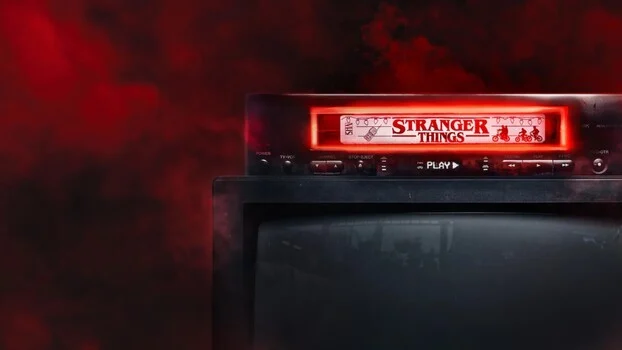
The 10th-anniversary release of "Stranger Things" saw Netflix unveil "Stranger Things: VHS Special Edition," a meticulous retro reimagining of the entire first season. This initiative involved not just a stylistic overlay but a fundamental technical alteration, forcing the content into a 4:3 pan-and-scan format, a common practice when adapting widescreen films for older television sets. The visual fidelity was further compromised with the addition of simulated tracking errors and the unmistakable grain of magnetic tape, effectively mimicking the viewing experience of decades past. The Duffer Brothers, creators of the series, explained their rationale: "If Stranger Things existed in Hawkins, sitting on a shelf at Family Video, it would look just like this – complete with pan-and-scan." They even hinted at extending this treatment to subsequent seasons, contingent on viewer engagement.
While undeniably a marketing stunt, the "VHS Special Edition" is a powerful statement. A streaming giant with unparalleled access to cutting-edge 4K and HDR mastering technology has invested significant engineering resources to deliberately produce a visually inferior version of its most popular show. This decision prompts reflection, particularly for professionals in the visual arts who dedicate substantial capital to acquiring the sharpest lenses and cleanest digital sensors. The fact that Netflix deemed an intentionally degraded format worthy of development and distribution for an entire season suggests a deeper audience desire at play.
The Analog Renaissance: Hollywood’s Bold Leap
Netflix’s move is not an outlier; it’s part of a larger summer narrative of analog resurgence. The release of Christopher Nolan’s "The Odyssey" further amplified this trend. This ambitious project made history as the first feature film to be shot entirely on IMAX film cameras. To facilitate this vision, IMAX itself developed an entirely new camera, a testament to the significant investment and innovation being channeled into film technology. As previously reported, the development of this quieter, more film-optimized IMAX camera underscores a deliberate pursuit of imperfections, not an avoidance of them. The substantial financial backing and engineering prowess poured into these analog endeavors indicate that real value is being placed on the unique characteristics that film and older formats offer.
Gen Z’s Unexpected Affection for Vintage Camcorders
The impulse towards analog is not confined to major studios with extensive marketing budgets. A growing cohort of younger creators is actively seeking out and utilizing vintage camcorders. Devices from brands like Sony Handycams, JVC, and Panasonic, originating from the 1980s through the early 2000s, are being sought out specifically for their ability to produce grainy, degraded video footage, a stark contrast to the crisp, clean output of modern smartphones and digital cameras. Musicians such as Sabrina Carpenter, $UICIDEBOY$, and PinkPantheress have incorporated camcorder-style visuals into their music videos, leveraging the nostalgic and authentic feel of this older medium. For photographers looking to transition into motion picture work, resources like "Introduction to Video: A Photographer’s Guide to Filmmaking" offer foundational knowledge for navigating this evolving field.
Market analysis from Fortune corroborates this trend, indicating that as of 2025, 35% of the approximately 42 million active film camera users globally were between the ages of 18 and 30. Searches for analog photography-related content saw a year-over-year increase of 41%. Rotem Rozental, a USC lecturer specializing in student media consumption, challenges the simplistic notion that this is merely a nostalgic yearning for the past. Instead, she posits it as a form of aesthetic rebellion. In an era saturated with hyper-sharp, overproduced digital content, lo-fi aesthetics are emerging as a new benchmark for authenticity. The market for working vintage camcorders is predominantly second-hand, with prices typically ranging from $18 to $300, depending on the condition. This burgeoning segment of the market is demonstrably shaping the visual preferences of a significant portion of the audience.
The "Warmth" of Analog Audio: A Sonic Shift
This embrace of imperfection extends beyond the visual realm and into audio production. Engineers, podcasters, and musicians are increasingly opting for vintage-style microphones over their clean, modern digital counterparts. The Royer R-121 ribbon microphone, for instance, is prized for its "warmer timbre," which engineers believe effectively offsets the "analytical nature" of digital recording formats. It has become a go-to microphone for capturing guitar amps, brass instruments, and vocals, earning its reputation as a "desert island" mic. Similarly, microphones like the Warm Audio WA-47 and WA-251 are reproductions of iconic vintage Neumann U47 and Telefunken ELA M251E microphones. They are engineered to replicate the sought-after vintage tone at a fraction of the cost of original units, which can fetch upwards of $8,000. Even the Shure SM7B, a dynamic microphone rather than a ribbon, has become a reference point for its "warm-over-clean" sound. Famously used on Michael Jackson’s "Thriller" and now a standard in podcasting and streaming, its gently rolled-off high frequencies offer a forgiving quality compared to the sometimes piercing brightness of contemporary USB condensers.
Instax’s Dominance: A Milestone in Imperfect Imaging
The pattern of embracing analog imperfections is evident even outside the professional creative sphere. Fujifilm announced in April 2025 that it had surpassed 100 million cumulative sales of its Instax cameras and printers since the product line’s inception in 1998. Instax now represents over half of Fujifilm’s entire imaging division revenue. The company itself attributes the appeal to the "unique texture and nostalgic analog feel" of its instant photography products. This is a remarkable development for a company built on some of the industry’s most advanced digital imaging sensors, yet its imaging division’s financial success is now heavily reliant on a format engineered to produce imperfect, tangible prints. The current Instax Mini 12, a popular model, retails for under $100, making instant photography accessible and desirable.
The Enduring Appeal of Vinyl, Cassettes, and Film
The resurgence of vinyl, cassette tapes, and film photography, previously covered in depth, continues to demonstrate significant market momentum. Vinyl sales achieved a new record in 2025, with revenue exceeding $1 billion for the first time, according to the RIAA’s year-end report. This marks the 19th consecutive year of growth, with unit sales climbing to 46.8 million, surpassing CD sales for the first time in decades. RIAA chairman Mitch Glazier attributed this success to "a resurgence of vinyl as both a listening experience and collectible art." For those looking to engage with this format, the Audio-Technica AT-LP60X remains a widely recommended entry-level turntable.
Cassette tapes are also experiencing a peculiar revival. In 2025, US cassette sales reached 446,500 units, a 17.5% increase year-over-year, representing a fivefold increase in sales volume compared to a decade prior. Gen Z has emerged as the leading demographic for cassette purchases, and resale prices for sought-after tapes have seen increases of up to 1,000%. Artists like Taylor Swift, Chappell Roan, Sabrina Carpenter, and Charli XCX have all seen strong sales for their cassette releases. The French startup We Are Rewind is capitalizing on this trend by producing new Bluetooth-enabled, Walkman-style cassette players. Founder Romain Boudruche aims to create products that evoke the tactile experience of original devices, projecting approximately 30% annual market growth.
On the manufacturing side, film production has also seen renewed investment. Harman, the parent company of Ilford, has made its largest investment in film manufacturing since the 1990s, commissioning new machinery to more than double its annual 35mm film output. Despite increased production, prices for US film, paper, and chemicals rose by 11% in April 2025 due to tariffs and surging demand. Kodak Portra 400 saw a price increase of 64% between 2019 and 2022, while Ektar 100 rose by 137%. The introduction of the Pentax 17, Ricoh’s first new film camera in two decades, directly responds to the "growing popularity lately of film photography among younger photographers," according to the company’s official statement.
Implications for Image Makers: The Mainstream Appeal of Imperfection
This pervasive trend towards analog and imperfect aesthetics extends beyond cameras and audio equipment. Sales of "brick phones" among individuals aged 18 to 24 saw a remarkable 148% increase between 2021 and 2024. Psychotherapist Phil Lane identifies a driving force behind this phenomenon as "adaptive regression," a conscious and healthy retreat into tactile, single-purpose objects as a means of counteracting constant digital overstimulation. This impulse is also evident in the retail sector, with one craft retailer reporting a 1,200% surge in searches for yarn kits.
This movement does not suggest that digital technology is inherently flawed or that professionals should abandon their digital workflows. Instead, it highlights a significant cultural shift: the widespread appetite for texture, friction, and visible imperfection is no longer a niche curiosity within the photography world but a mainstream cultural current. This preference is manifesting across a spectrum of media, from multi-million dollar cinematic releases to affordable cassette players. For anyone who creates images for a living, understanding the underlying reasons for this audience inclination towards the unpolished and human elements of visual storytelling is an essential consideration for future creative strategies. The deliberate embrace of analog qualities by major media players and a new generation of consumers signals a potent and evolving landscape for visual communication.