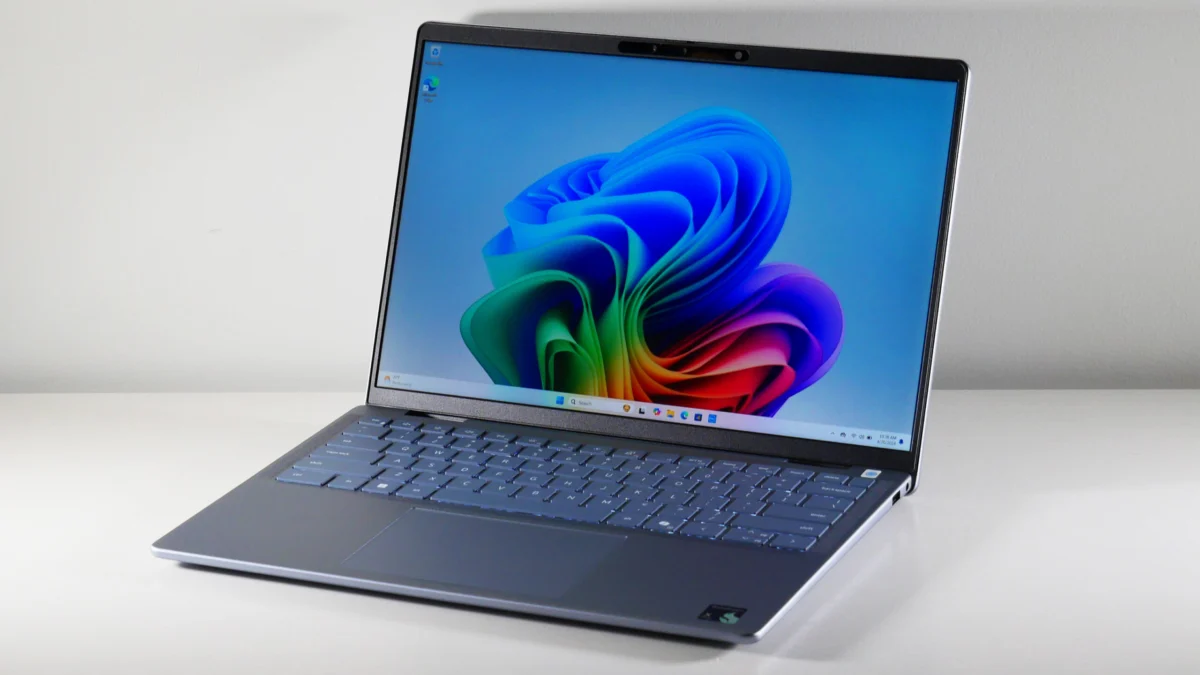
Dell Technologies, a prominent fixture in the global computing landscape, continues to solidify its position as a leading manufacturer of laptops, catering to a diverse range of users from everyday consumers to demanding professionals and avid gamers. With a history stretching back to its first laptop release in 1989, Dell has consistently delivered devices that frequently appear on industry "best-of" lists across various categories, including overall performance, budget-friendliness, gaming prowess, and exceptional battery life. The company’s iconic XPS series, in particular, has garnered widespread recognition for its premium design and performance, establishing a benchmark in the high-end consumer laptop market.
The year 2025 marks a significant strategic shift for Dell, as the company rolls out a comprehensive rebranding of its entire laptop lineup. This move, announced in January 2025, aims to streamline product identification with a naming convention that some industry observers note draws parallels to Apple’s established MacBook tiers. This evolution reflects Dell’s ongoing commitment to innovation and its adaptive approach to market demands, ensuring its product portfolio remains competitive and clearly defined for consumers and businesses alike.

A New Era of Naming Conventions: Simplifying Dell’s Product Landscape
Dell’s decision to overhaul its product nomenclature in 2025 represents a bold step towards simplifying its extensive offerings. The familiar brand names such as Inspiron, XPS, Latitude, and Precision are being retired in favor of a tiered system designed for greater clarity. This strategic realignment is intended to help consumers more easily identify the appropriate product tier for their needs and budget, much like Apple’s differentiation between MacBook Air and MacBook Pro.
Under the new structure, the entry-level Inspiron and Inspiron Plus lines will transition to simply "Dell" and "Dell Plus," respectively. These models are positioned to continue serving as affordable, reliable options for general computing tasks, web browsing, and entertainment, typically priced under $1,000. For users seeking a more premium experience, the acclaimed XPS series will now be known as "Dell Premium." These laptops are designed to compete directly with high-end devices like Apple’s MacBooks, offering superior build quality, advanced features, and robust performance for demanding applications such as photo and video editing, with price points ranging from just under $1,000 to over $3,000 for top-tier configurations.
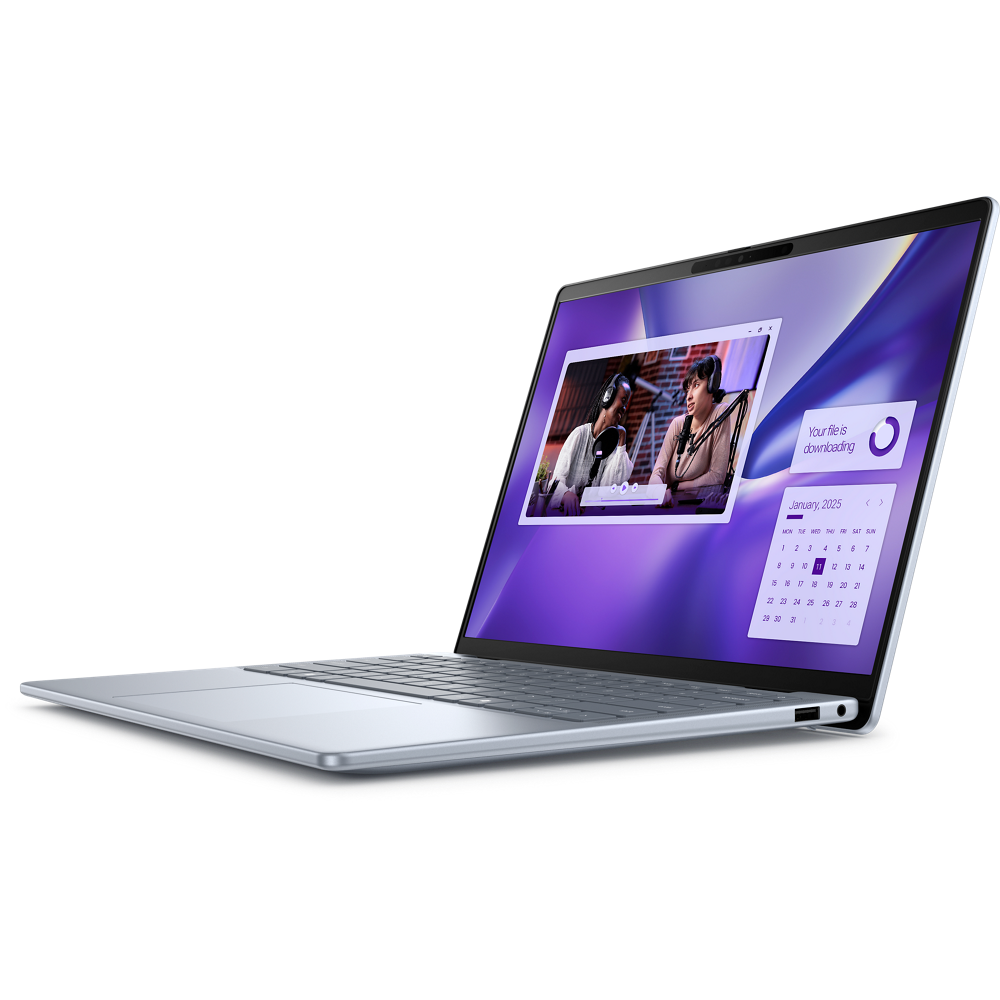
The commercial and workstation segments are also undergoing a similar transformation. The business-oriented Latitude series will be rebranded as "Dell Pro," encompassing three distinct tiers: Dell Pro, Dell Pro Plus, and Dell Pro Premium. This tiered approach allows businesses of varying sizes and requirements to select laptops optimized for their specific operational needs, with prices spanning from approximately $500 to $2,500. Finally, Dell’s high-performance Precision workstations, engineered for intensive tasks such as 3D rendering, complex simulations, and 4K/8K video production, will now be known as "Dell Pro Max." This line will also feature three tiers—Dell Pro Max, Dell Pro Max Plus, and Dell Pro Max Premium—with prices ranging from $1,300 to $4,000, catering to users with the most demanding computational requirements.
This rebranding is more than just a name change; it represents Dell’s strategic intent to refine its market segmentation and enhance user experience through clearer product differentiation. While the immediate transition may introduce a period of adjustment for long-time Dell customers, the long-term goal is to foster a more intuitive understanding of Dell’s diverse portfolio. This period also presents an opportunity for consumers to find potential discounts on models still carrying the older, familiar names.
Flagship Innovation: The Dell XPS Series
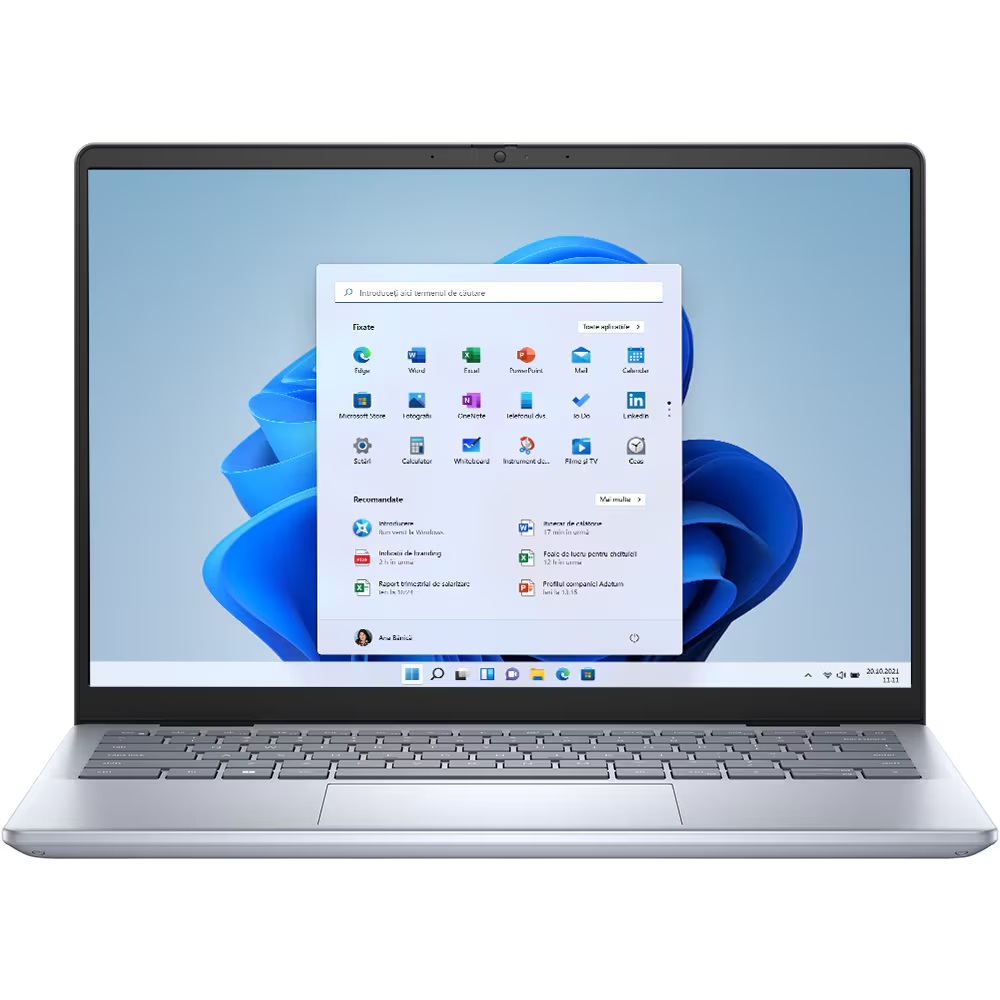
The Dell XPS series has long been synonymous with premium design, cutting-edge technology, and exceptional user experience. In its latest iterations, the XPS line continues to push boundaries, particularly in display technology and the integration of emerging processor architectures like Qualcomm’s Snapdragon.
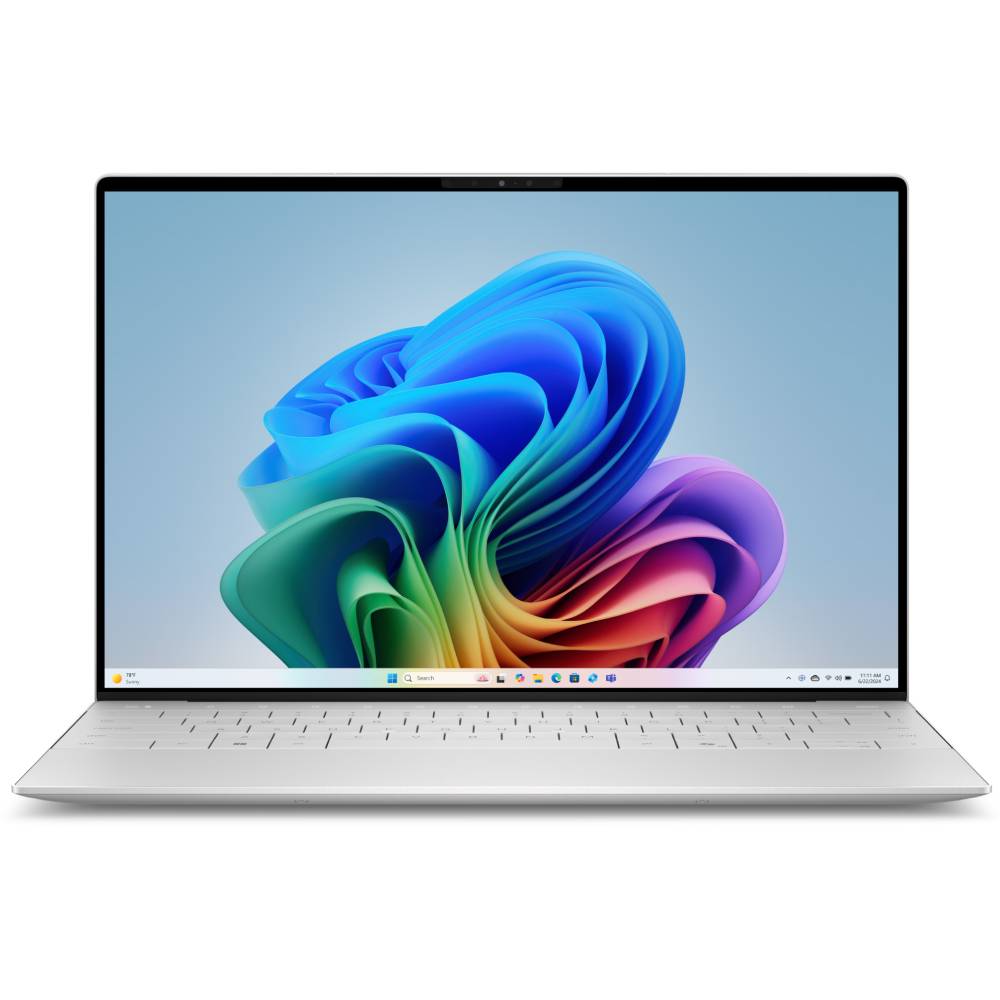
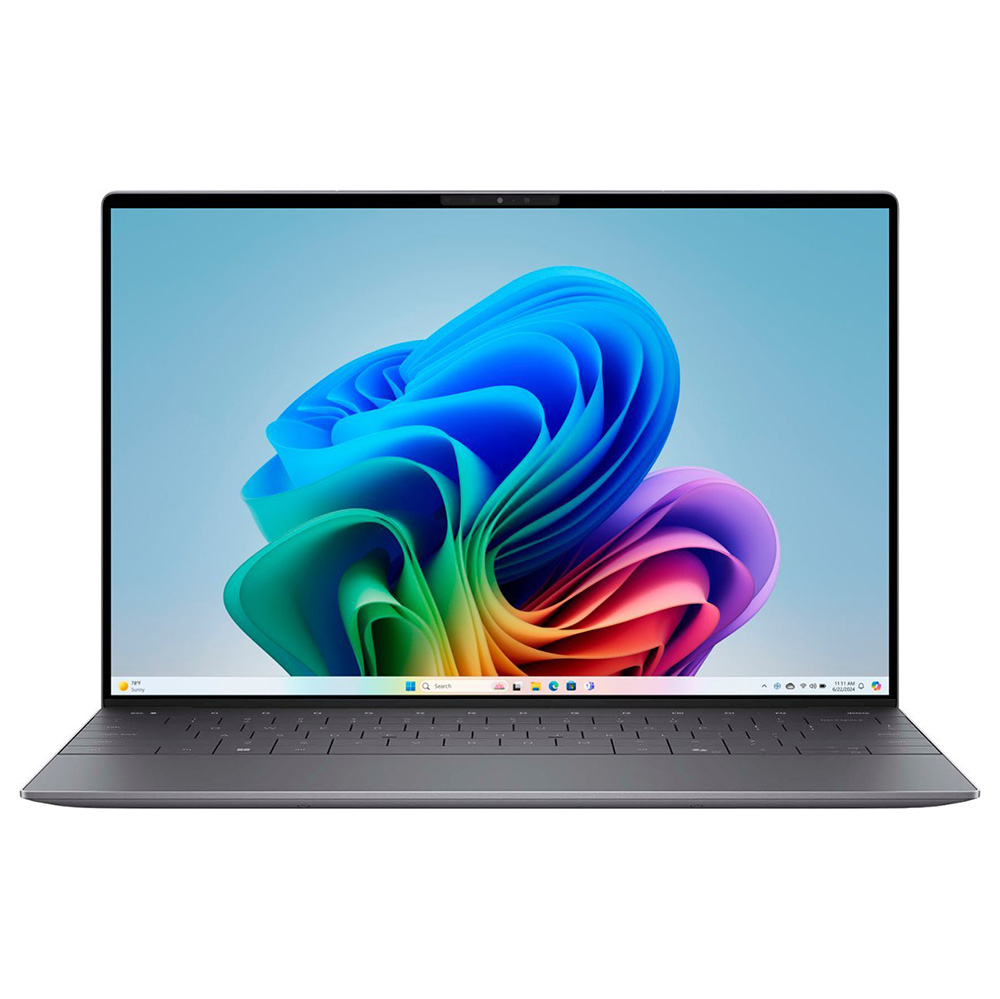
The Dell XPS 13 OLED (Intel Lunar Lake) stands out for its visually stunning display. Equipped with a 13.4-inch 3K (2880 x 1800) Tandem OLED panel, this laptop achieves an impressive 144.60% DCI-P3 color gamut coverage, significantly surpassing its IPS counterparts and rivals like the 13-inch MacBook Air M3 (77.8%) and Asus Zenbook S 14 (82.0%). This expansive color reproduction ensures vibrant, true-to-life visuals, making it an excellent choice for creative professionals and multimedia enthusiasts. While its average peak brightness of 377 nits is sufficient for most indoor conditions, it falls short of the MacBook Air M3’s 476 nits in brighter environments. Performance is robust, driven by an Intel Core Ultra 7 258V processor, achieving a Geekbench 6 single-core score of 2,772, competitive with other premium ultraportables. Its Intel Arc integrated graphics are capable enough for casual gaming, demonstrating 53 frames per second in Sid Meier’s Civilization VI: Gathering Storm at 1080p Medium settings. However, the OLED panel’s power consumption results in a battery life of 8 hours and 40 minutes, which is below the premium laptop average of 13 hours and 23 minutes. The minimalist design, featuring a "touch bar" and "invisible" trackpad, has been met with mixed reviews, highlighting Dell’s willingness to experiment with form factors. Its limited two Thunderbolt 4 ports may necessitate a USB-C hub for users with multiple peripherals.
Conversely, the Dell XPS 13 (Qualcomm Snapdragon X Elite) redefines expectations for battery endurance. This model, powered by the Snapdragon X Elite X1E-80-100 processor, achieved an astounding 20 hours and 51 minutes of battery life in web surfing tests after a BIOS update. This figure not only dramatically exceeds the premium laptop average but also surpasses formidable competitors like the MacBook Pro 16 M4 Pro (20:46) and the Lenovo ThinkBook 16 Gen 7 (21:02), making it one of the longest-lasting laptops ever tested. Its Snapdragon X Elite processor also delivers exceptional multicore performance, scoring 14,635 in Geekbench 6, outperforming the average premium laptop by 29% and the MacBook Air M3 by 8%. This makes it a powerhouse for heavy multitasking, effortlessly managing dozens of browser tabs, productivity suites, and streaming applications simultaneously. However, this model shares a similar display drawback to the Inspiron line, covering only 66.9% of the DCI-P3 color gamut, leading to desaturated visuals despite a high brightness of 456 nits. The implications of Windows on ARM architecture mean that while emulation software is improving, users of niche or legacy applications should verify native ARM compatibility.
Inspiron Series: Balancing Performance and Value for the Mainstream
The Inspiron series has traditionally served as Dell’s workhorse, offering a compelling blend of performance, features, and affordability for the general consumer. The latest Inspiron 14 Plus models continue this tradition, presenting strong value propositions.
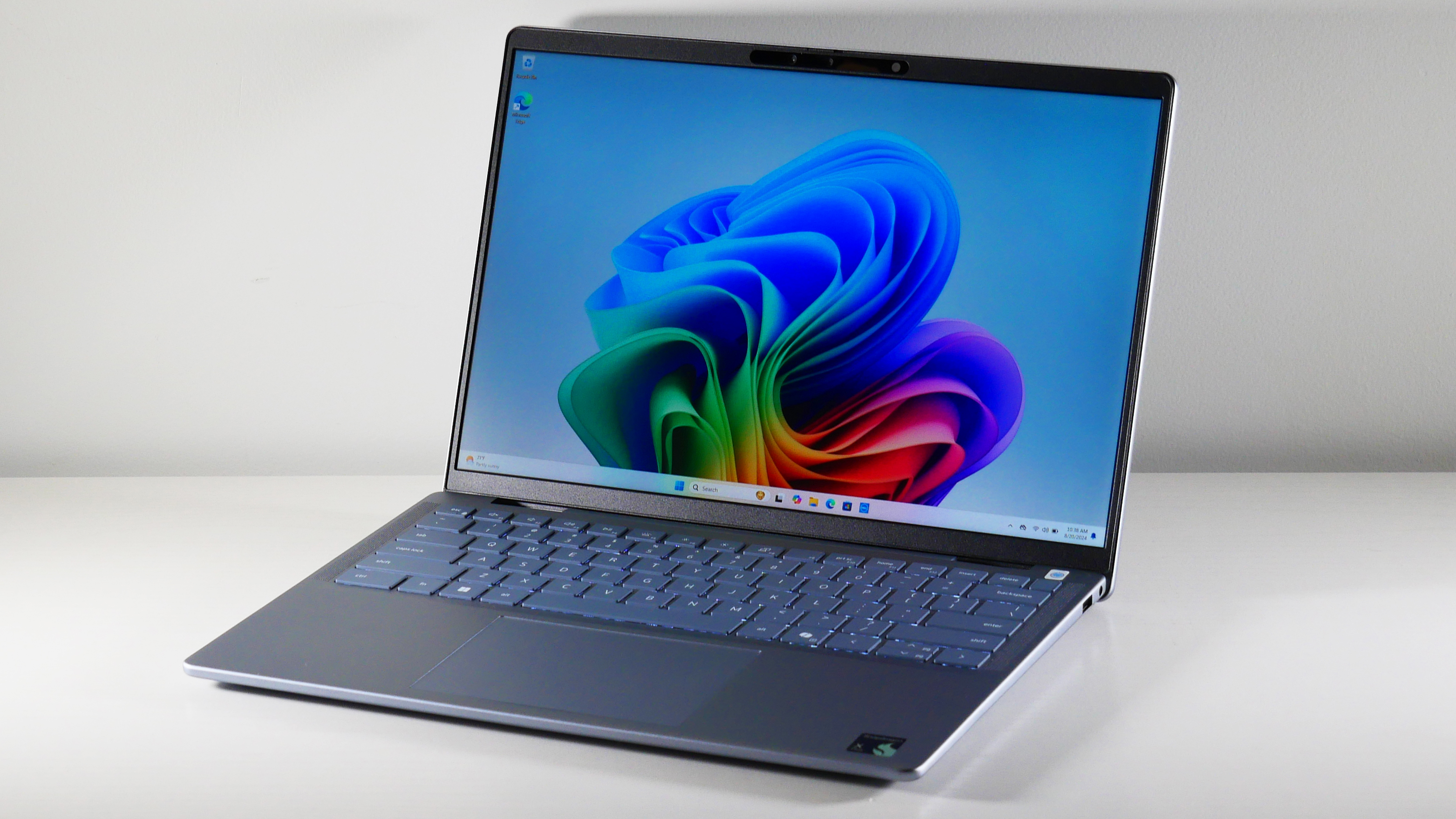
The Dell Inspiron 14 Plus (Qualcomm Snapdragon X Plus) is lauded as a well-rounded device that excels in performance, portability, and battery life at an accessible price point. Its Snapdragon X Plus X1P-64-100 processor delivers strong multitasking capabilities, achieving a Geekbench 6 multicore score of 13,281, which is 22% faster than the average premium laptop. This performance rivals even higher-end Intel and Apple chips, making it an ideal choice for remote workers and everyday productivity. The laptop also boasts a speedy SSD, with transfer rates of 1,510 megabytes per second, outpacing the class average by 14%. An impressive battery life of 18 hours and 20 minutes ensures all-day productivity without constant searching for power outlets, while its efficient thermal management keeps the chassis cool under load. Similar to its XPS Snapdragon counterpart, its display covers 69.1% of the DCI-P3 color gamut, indicating less vibrant color reproduction compared to some rivals, though its brightness reaches a commendable 470 nits. The Windows on ARM platform requires users to consider application compatibility.
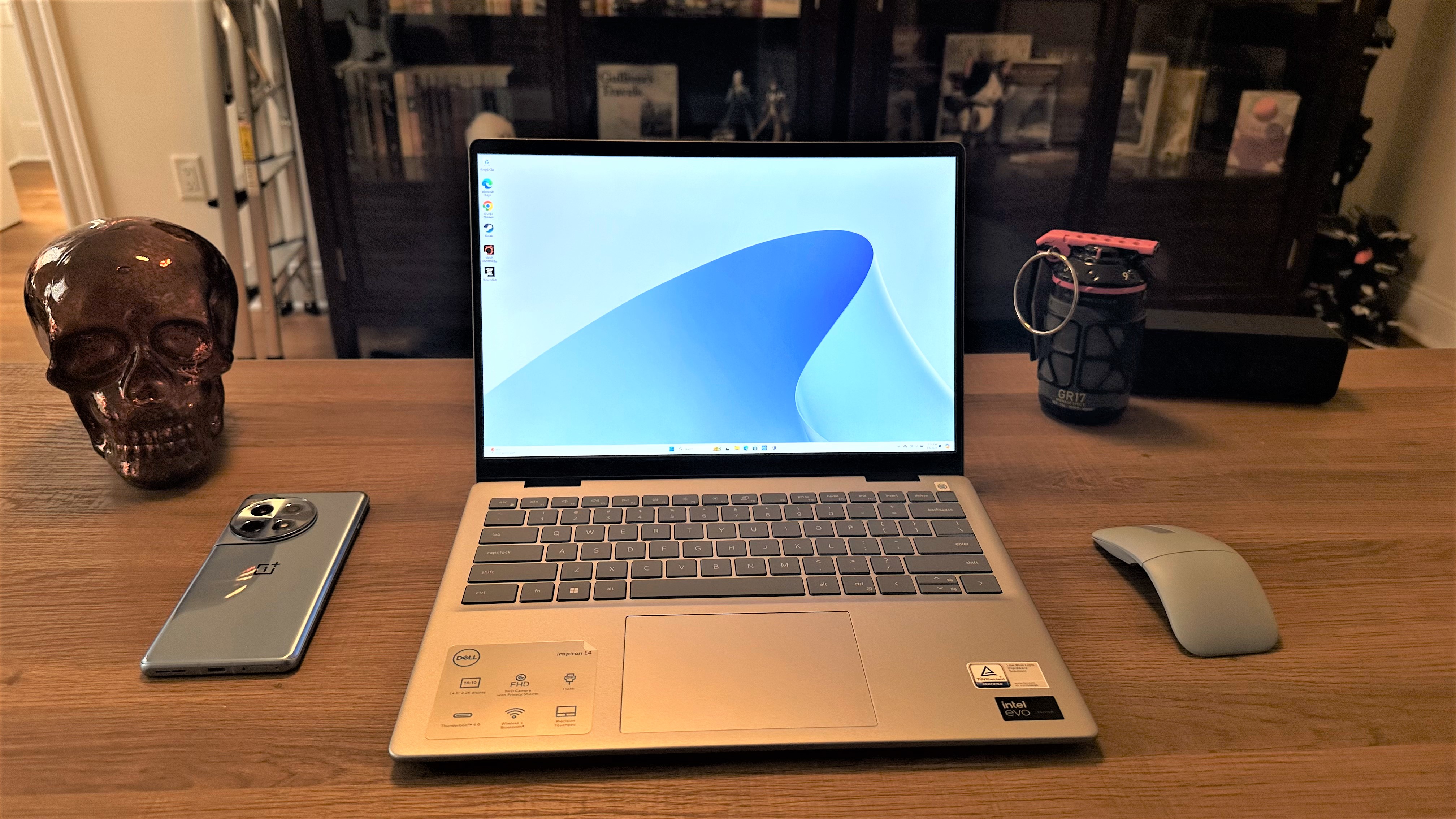
For those seeking robust performance at an even more attractive price, the Dell Inspiron 14 Plus (Intel Meteor Lake), a "last-gen" model, remains a highly competitive option. Powered by an Intel Core Ultra 7 155H processor, it scores 12,729 in Geekbench 6 multicore tests, demonstrating negligible performance differences for most users compared to the newer Snapdragon models. Its Intel Arc integrated graphics offer significantly better gaming performance than the Snapdragon Adreno iGPU, achieving 34 frames per second in Civilization VI compared to the Snapdragon’s 21 fps, and a 27% higher score in 3DMark’s Fire Strike benchmark. Battery life is also excellent at 15 hours and 6 minutes, surpassing the premium laptop average and competing closely with more expensive models. However, the Intel variant tends to run hotter, with surface temperatures reaching 108 degrees Fahrenheit under load, exceeding the comfort threshold. Its display, with a DCI-P3 coverage of 68.4% and a peak brightness of 367 nits, is comparable to other budget-friendly offerings but falls short of premium panels. The presence of only one USB-C port is a notable limitation for modern connectivity needs.
Gaming on a Budget: The Dell G16 (7630)
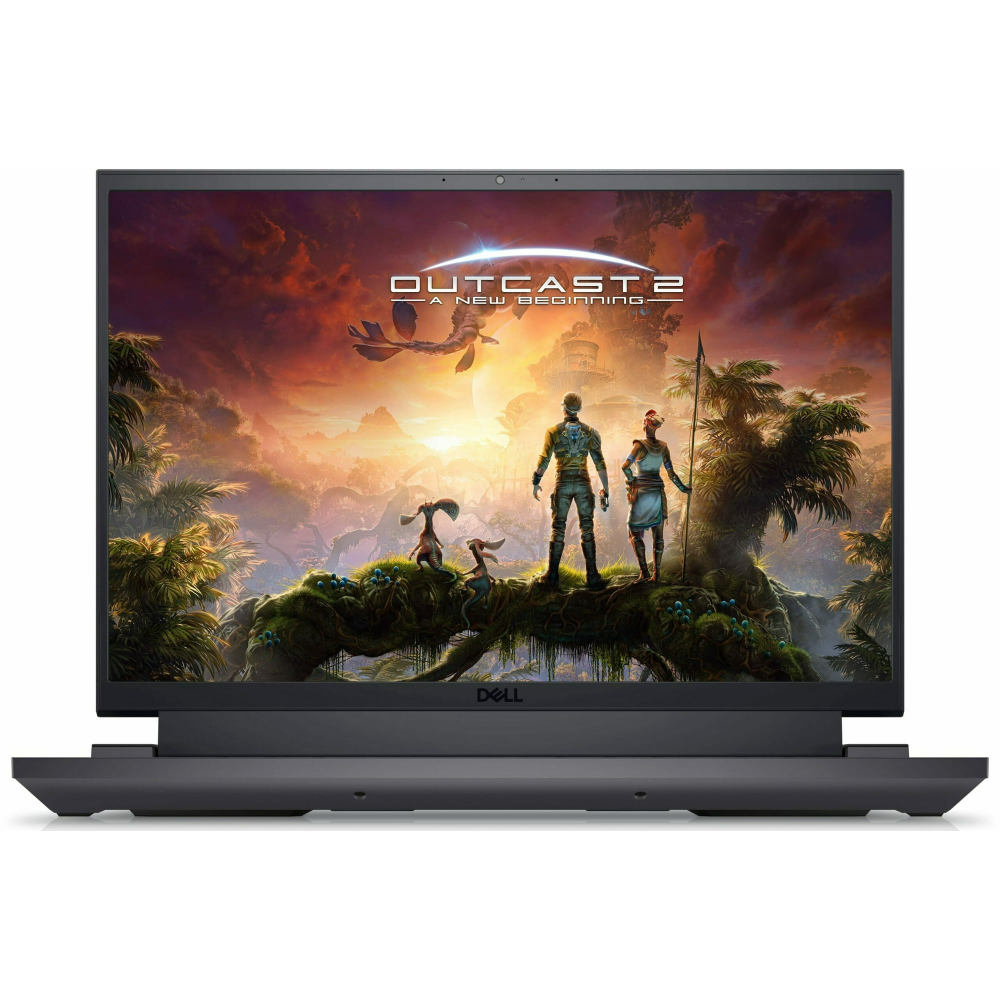
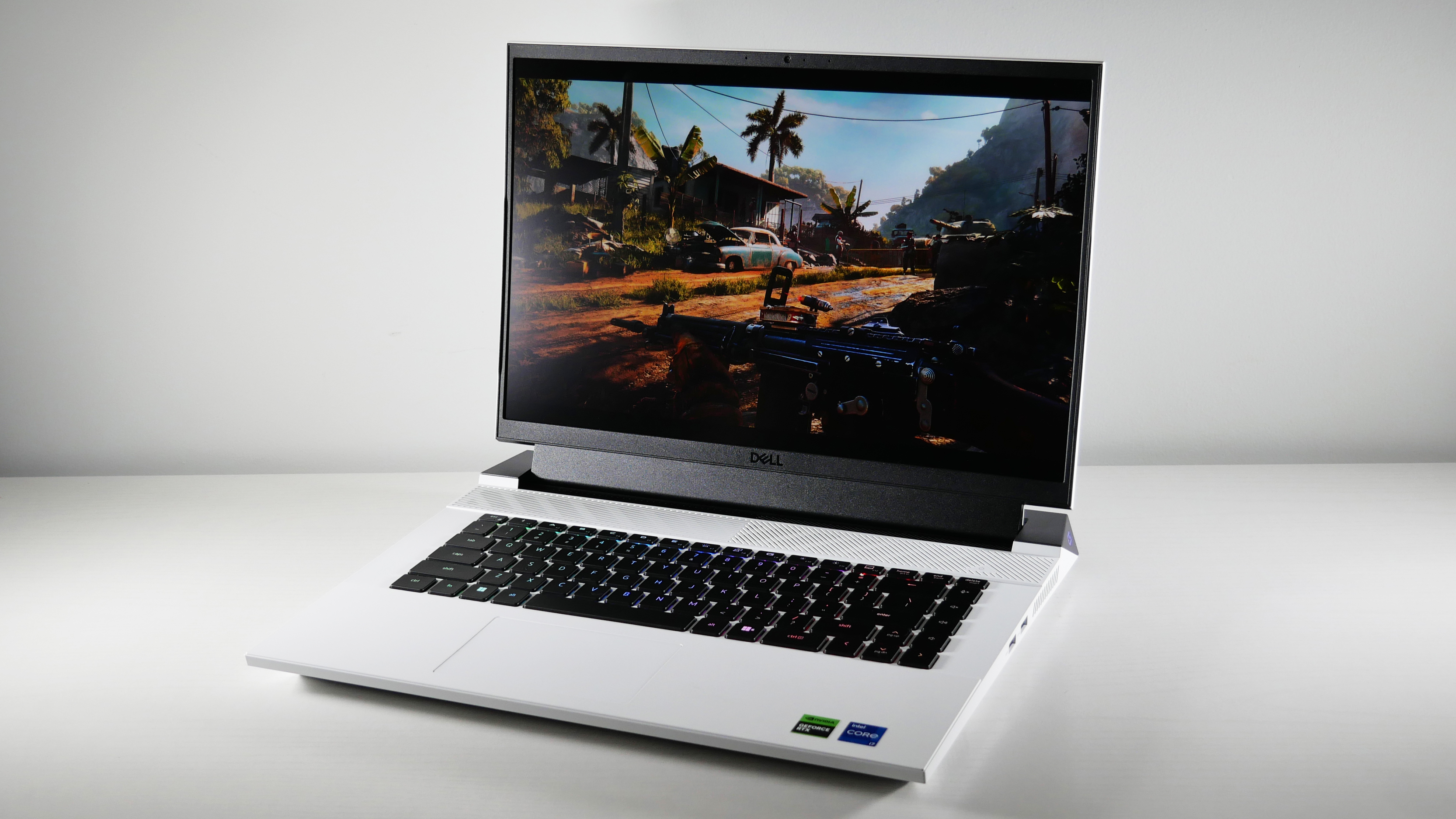
The market for budget-friendly gaming laptops has become increasingly challenging, making the Dell G16 (7630) a standout device. Priced under $1,000, this laptop delivers exceptional gaming performance and premium features rarely found in its segment. Equipped with an Intel Core i7-1365HX processor and an Nvidia GeForce RTX 4060 GPU, the G16 handles graphically intensive titles with remarkable fluidity. It achieved 33 frames per second in Cyberpunk 2077 at 1080p Ultra settings and an impressive 88 fps in Assassin’s Creed Mirage under similar conditions, competing favorably with more expensive rivals like the Asus TUF Gaming A14 and Acer Predator Helios Neo 16.
A surprising highlight is its 16-inch, 2560 x 1600, 240Hz IPS display, which boasts a massive 114% DCI-P3 color gamut coverage. This significantly outperforms the average budget gaming laptop (79.1%) and even premium competitors, offering a truly immersive visual experience. While its brightness tops out at 310 nits, which is near the average but dimmer than some rivals, the vibrant colors more than compensate. Another unique selling point is the inclusion of a Cherry MX tactile mechanical keyboard, a feature typically reserved for high-end desktop gaming keyboards or much more expensive gaming laptops. This provides a superior typing and gaming experience with excellent tactile feedback. Battery life for a gaming laptop is decent at 5 hours and 4 minutes, surpassing the average for its category. Minor drawbacks include hollow-sounding speakers and a small touchpad, though these are often mitigated by external gaming peripherals.
Dell’s Comprehensive Ecosystem and Future Outlook
Dell’s product strategy for 2025, with its simplified naming conventions and a robust portfolio spanning consumer, business, and gaming segments, underscores its adaptability in a dynamic technology landscape. The company is actively participating in the burgeoning AI PC market, integrating advanced processors and software capabilities to enhance user productivity and experience. This holistic approach ensures that Dell remains a competitive force, offering tailored solutions for every type of user.

Rigorous Testing Methodology and Editorial Integrity
At Laptop Mag, each laptop undergoes a comprehensive evaluation process, combining rigorous synthetic benchmarks with extensive real-world, hands-on testing to ensure objective and trustworthy reviews. This meticulous approach allows for a deep understanding of each device’s capabilities across various critical aspects: performance, battery life, display quality, audio output, and thermal management.
For display analysis, a Klein K10 colorimeter is utilized to precisely measure brightness levels and DCI-P3 color gamut coverage. Performance is quantified through industry-standard benchmarks such as Geekbench 6 for CPU performance and 3DMark for professional graphics assessment. Real-world performance is further gauged by practical tasks like converting a 4K video to 1080p resolution and duplicating a 25GB file. Gaming performance is specifically tested using Sid Meier’s Civilization VI: Gathering Storm at 1080p Medium settings, alongside more demanding titles like Red Dead Redemption 2, Assassin’s Creed Mirage, Shadow of the Tomb Raider, Borderlands 3, and Far Cry 6 for gaming laptops.
Thermal management is assessed by playing a 15-minute full-screen video, with temperatures measured across various points on the laptop chassis to determine user comfort. Battery life is a crucial metric, determined by continuous web surfing over Wi-Fi at 150 nits of brightness. For Windows 11 laptops, a runtime exceeding 10 hours is considered excellent, while gaming laptops and workstations are praised for lasting beyond 5 hours.
Following these comprehensive lab tests, devices are handed over to expert reviewers for several days of intensive hands-on use. Reviewers integrate the laptop into their daily workflows, gaining a thorough understanding of its real-world performance, usability, and overall hardware and software experience. This blended methodology of scientific measurement and practical application ensures that every review published by Laptop Mag provides a clear, comprehensive, and unbiased perspective, empowering consumers to make informed purchasing decisions.
Frequently Asked Questions (FAQs)
Q: Are Dell laptops suitable for gaming?
A: While Dell’s Alienware brand is specifically dedicated to high-end gaming laptops, Dell itself offers models that cater to gamers. The Dell G16 (7630), for instance, is highly regarded as one of the best budget gaming laptops available, offering impressive performance and features for its price. For specific Dell models, checking detailed reviews will provide insights into their gaming capabilities.
Q: Do Dell laptops include Microsoft Office?
A: Dell laptops typically do not come with a full, perpetual license for Microsoft Office software. Users may receive a trial version of Microsoft 365, which requires a subscription for continued use after the trial period.
Q: Are Dell laptops a good choice for students?
A: Dell offers a wide range of laptops that can be excellent for students, depending on their field of study and budget. For general coursework, web browsing, and everyday productivity, the Inspiron (now "Dell" or "Dell Plus") series offers great value. Students with more intensive academic requirements, such as those in engineering, programming, or multimedia, would benefit from the enhanced performance and features of the XPS (now "Dell Premium") or even the Precision (now "Dell Pro Max") series.
Q: Where are Dell laptops manufactured?
A: Dell maintains a global manufacturing and distribution network. While its original roots are in Austin, Texas, USA, Dell laptops are produced in various facilities across Europe, the Americas, and the Asia-Pacific region. Key manufacturing hubs outside the United States include Shanghai, Shenzhen, and Chengdu in China, as well as Limerick, Ireland, which serve as crucial centers for producing and distributing laptops and other computing devices worldwide.