One of the most persistent hurdles preventing the mass adoption of electric vehicles—the premium price tag compared to traditional internal combustion engine (ICE) vehicles—is rapidly diminishing. Recent data from Kelley Blue Book (KBB), a subsidiary of Cox Automotive, indicates that the average transaction price (ATP) for a new electric vehicle in the United States is closing in on the industry average for all new vehicles. This trend, if sustained, suggests that the EV market is transitioning from a niche category for early adopters to a viable, competitive option for the average American consumer.
In August, the average new electric vehicle cost only 9.4% more than the average new gasoline-powered vehicle. To put this in perspective, this represents a significant improvement over the same period last year, when the price gap between electric and combustion vehicles hovered around 16%. As the automotive industry navigates a period of fluctuating demand and evolving consumer preferences, this narrowing price disparity is widely viewed by analysts as a critical turning point for the electrification of the American road.
A Shifting Financial Landscape
The divergence in pricing trends between electric and internal combustion vehicles has been stark throughout the year. While the broader U.S. automotive market saw a modest inflationary trend, with the average transaction price for all new vehicles rising nearly 2% in August to reach $50,089, the electric vehicle segment moved in the opposite direction. The average transaction price for a fully electric car in August was $54,813, a decrease of 2.7% compared to the same month last year.
This downward pressure on EV prices is the result of a complex interplay between market saturation, increased competition, and the introduction of more budget-friendly models. While Tesla has long been the primary driver of EV pricing strategy—often initiating aggressive price cuts to maintain market share—the current trend is increasingly bolstered by traditional legacy automakers and international competitors. Brands such as Chevrolet, Hyundai, Toyota, and Subaru are making significant inroads by offering more accessible entry-level options, effectively democratizing access to electric mobility.
Stephanie Valdez-Streaty, director of industry insights at Cox Automotive, noted that the current pricing narrative is no longer solely dictated by Tesla. "Outside of Tesla, the ATP story is largely being driven by Toyota, Chevrolet, Hyundai, and Subaru," Valdez-Streaty observed. These manufacturers have successfully shifted their strategies to cater to the mid-market segment, where volume and value are the primary drivers of consumer interest.
The Role of Popular Models and Market Saturation
The market’s stabilization is further evidenced by the price performance of the industry’s most popular EV models. High-volume vehicles, such as the Tesla Model Y, the Hyundai Ioniq 5, and the Cadillac Lyriq, have shown minimal price volatility. In August, the Model Y saw a year-over-year price dip of just 0.2%, while the Ioniq 5 fell by 0.4% and the Lyriq by 0.1%.
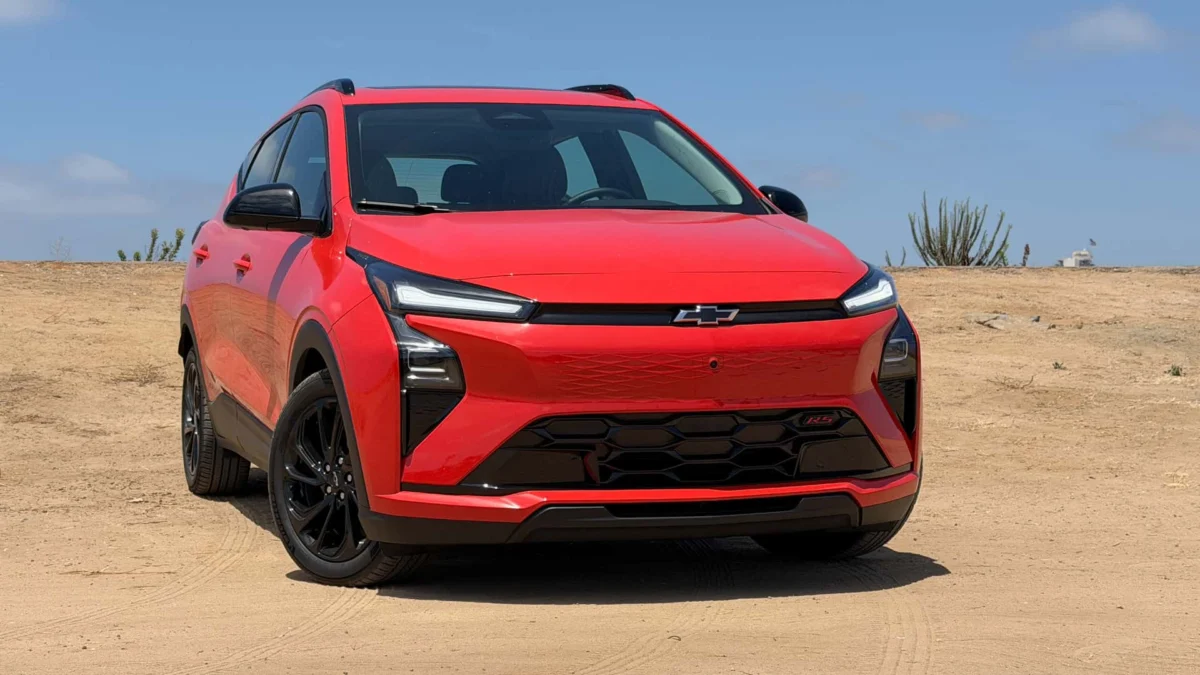
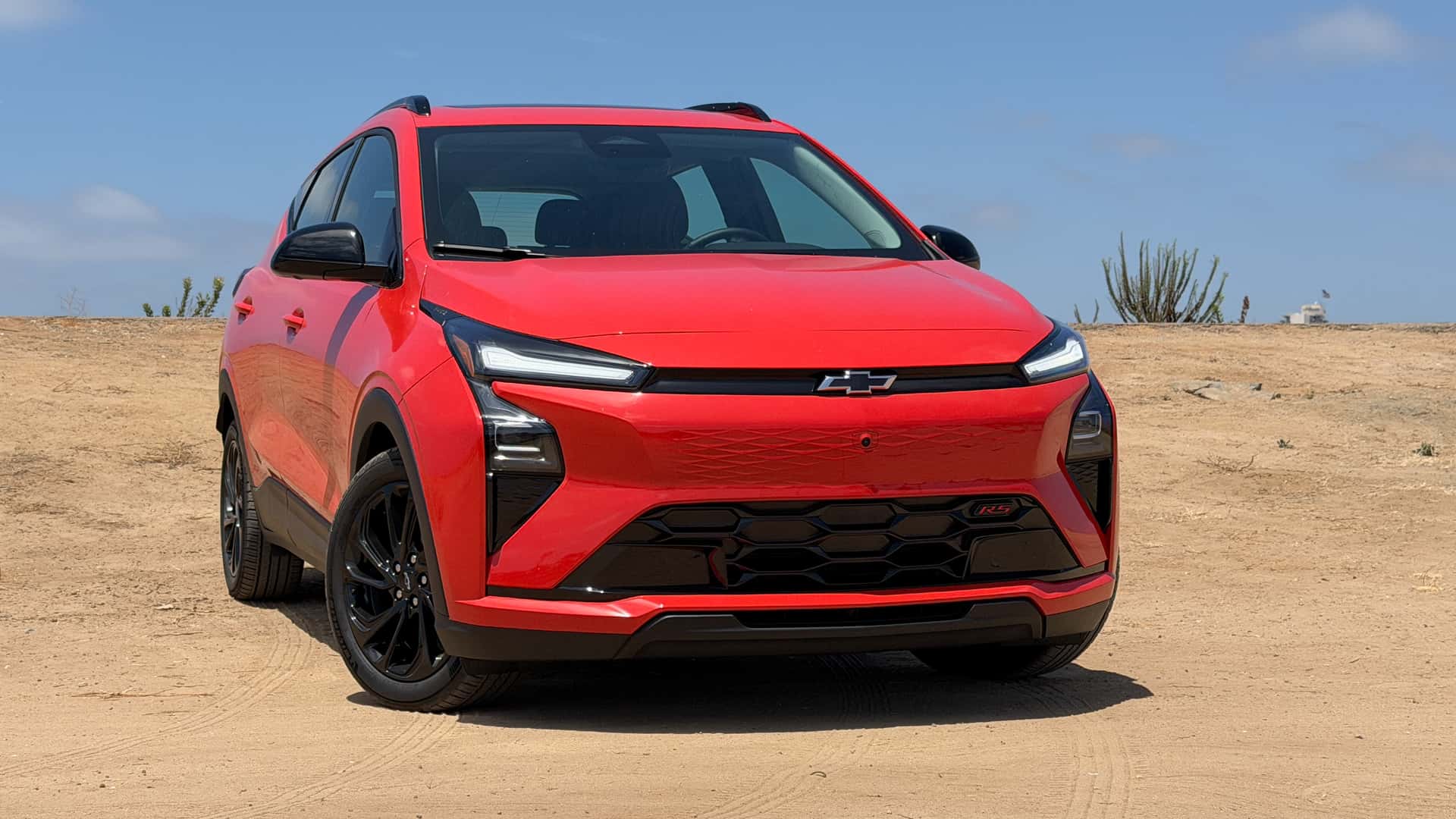
Instead of drastic price slashing on flagship models, the industry is seeing an influx of newer, more affordable vehicles that are gaining significant market share. Models like the Toyota bZ series, the Chevrolet Bolt, and the Subaru Solterra are capturing the attention of value-conscious buyers. These vehicles offer a more attainable entry point into the EV ecosystem. For example, the refreshed Chevrolet Bolt starts at approximately $28,995, while the Toyota bZ series and the Hyundai Ioniq 5—following a significant price adjustment of nearly $10,000 last year—now offer starting prices in the mid-$30,000 range. This tier of vehicles is crucial for shifting the average price downward, as they appeal to a demographic that may have previously found the $50,000-plus starting price of early EVs to be prohibitive.
Incentives and the Move Toward Price Parity
A nuanced element of the KBB data is the role of financial incentives. It is essential to distinguish between a vehicle’s "sticker price" and its "transaction price," which accounts for dealer discounts, manufacturer rebates, and federal tax credits. In August, incentives accounted for 12% of the average transaction price for an electric vehicle, compared to 6.5% for the general automotive industry. While this indicates that EVs are still more reliant on "cash on the hood" than gas-powered cars, the reliance on these incentives is actually decreasing.
During the same period last year, incentives accounted for 14.6% of the average transaction price for EVs. The total dollar amount of these incentives has also seen a sharp decline, falling 20% from an average of $8,200 per vehicle a year ago to $6,600 in August. This reduction in incentive dependency is perhaps the most telling indicator of a maturing market. When automakers can move units without relying on heavy subsidies, it suggests a healthier, more sustainable balance between supply and demand.
Valdez-Streaty emphasizes that this transition toward price parity is being driven by fundamental market forces rather than artificial stimulus. "The trend is clear: EVs are getting closer to price parity," she said. "The parity story isn’t just about EV prices coming down, it’s also about EVs becoming less dependent on incentives."
The "Normalization" of the EV Sales Cycle
As the automotive industry looks toward the upcoming holiday season, it faces a unique challenge: for the first time in several years, the market will operate without the same level of federal tax credit urgency that previously dictated consumer behavior. In the past, the expiration of certain tax credits or the looming end of a fiscal year created a "rush" to purchase, often leading to artificial spikes in sales volume.
In contrast, analysts predict that the coming months will be defined by "normalization." This means that consumer decisions will be dictated by traditional factors such as model selection, total cost of ownership, vehicle availability, and brand loyalty, rather than policy-driven deadlines. Automakers are adjusting their production schedules and inventory levels to match this new reality. After a period of massive expansion and rapid investment, the industry is now entering a phase of optimization.
This shift is a positive development for long-term growth. A market driven by supply-and-demand fundamentals is inherently more stable and predictable than one driven by external policy interventions. Manufacturers that can provide a diverse array of models at competitive prices will likely thrive, while those that rely on high-margin, low-volume strategies may face difficulties in an increasingly crowded field.
Broader Economic Implications and Future Outlook
The implications of this shift are profound for the automotive industry and the wider economy. As EVs approach price parity with internal combustion engines, the "barrier to entry" for the average consumer is being dismantled. This has a secondary effect on the secondary market; as more affordable EVs are sold, the used EV market will eventually expand, providing even more options for budget-conscious buyers.
Furthermore, the stabilization of EV prices provides a degree of certainty for stakeholders, including utility companies, charging infrastructure developers, and fleet operators. As the volume of electric vehicles on the road becomes more predictable, the planning and deployment of charging infrastructure can be executed with greater efficiency.
However, challenges remain. The cost of raw materials for batteries, the development of charging networks, and the integration of these vehicles into a stressed electrical grid are all ongoing concerns. Additionally, as the industry moves away from heavy reliance on incentives, it must prove that it can maintain profitability while keeping consumer prices low. This will require continued innovation in battery technology, manufacturing efficiency, and supply chain management.
In conclusion, the data provided by Kelley Blue Book serves as a benchmark for the progress of the electric transition. While the journey toward full electrification is far from complete, the convergence of EV and combustion engine pricing represents a significant milestone. By moving toward a market where electric vehicles are chosen for their merit, value, and performance rather than their reliance on government support, the automotive industry is laying the groundwork for a more sustainable and electrified future. The transition to "normalization" is not just a passing phase; it is the necessary evolution of a maturing technology entering the mainstream.