Dell remains a cornerstone of the global computing market, maintaining a legacy that spans over three decades since the release of its first laptop in 1989. For many consumers, the brand is synonymous with reliable hardware, ranging from the high-performance XPS series to the versatile Inspiron line. As the industry shifts toward new architectures and naming conventions in 2025, understanding the current landscape of Dell’s product portfolio is essential for both casual users and enterprise professionals.

A New Era for Dell Naming Conventions
In January 2025, Dell initiated a significant restructuring of its product branding to simplify the consumer experience and align more closely with industry standards. Historically, Dell utilized distinct labels—Inspiron, XPS, Latitude, and Precision—to categorize its machines. Under the new nomenclature, these legacy names are being phased out in favor of a tiered system:
- Standard consumer laptops are now simply branded as Dell.
- Mid-range or "Plus" models are categorized as Dell Plus.
- Premium consumer devices (formerly XPS) are designated as Dell Premium.
- Enterprise-focused machines (formerly Latitude) are now Dell Pro, available in Pro, Pro Plus, and Pro Premium tiers.
- Workstations (formerly Precision) are rebranded as Dell Pro Max, with similar tiered structures.
This transition is designed to provide greater clarity for buyers, though the underlying hardware and design philosophies remain consistent with the company’s established engineering principles.
Top Recommendations for 2025
The current market reflects a shift toward ARM-based processing and high-efficiency chips. Based on rigorous lab testing, several models stand out for their specific use cases.
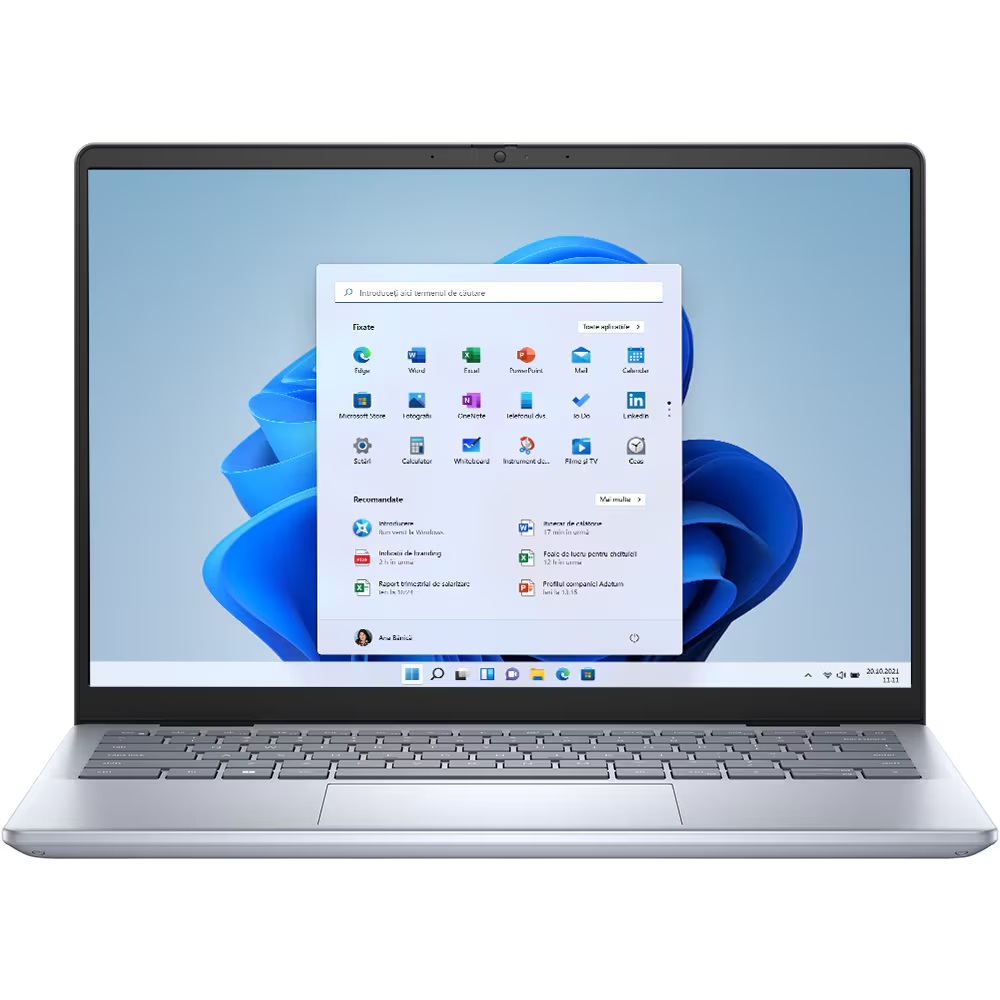
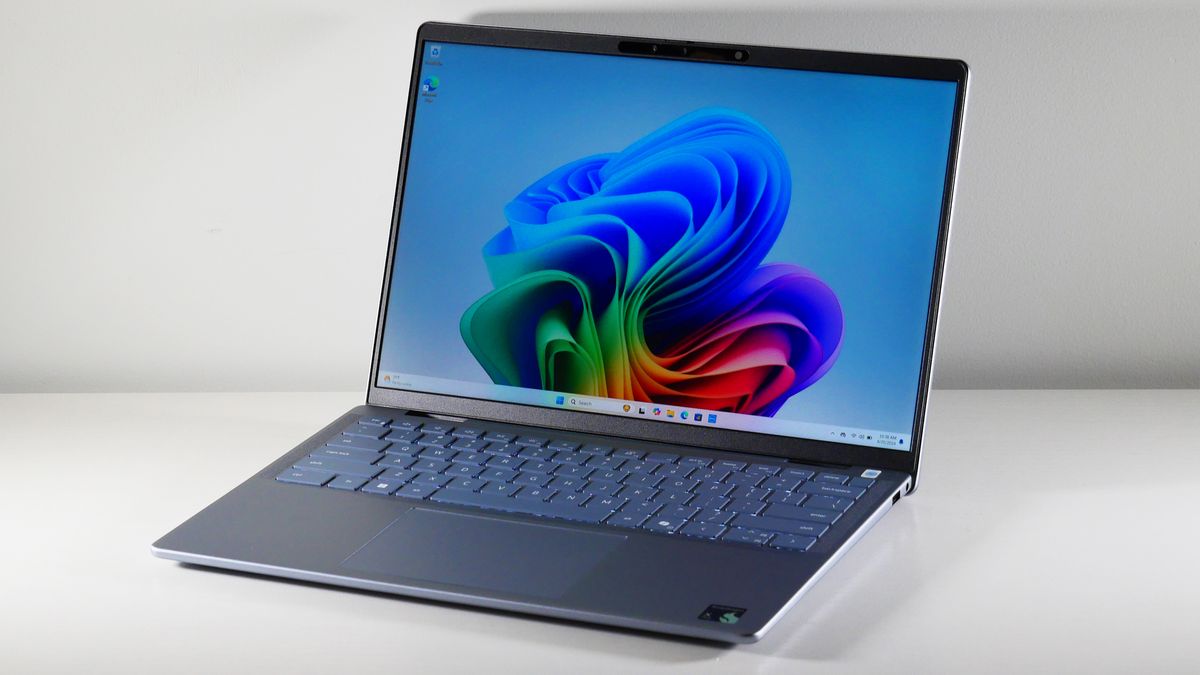
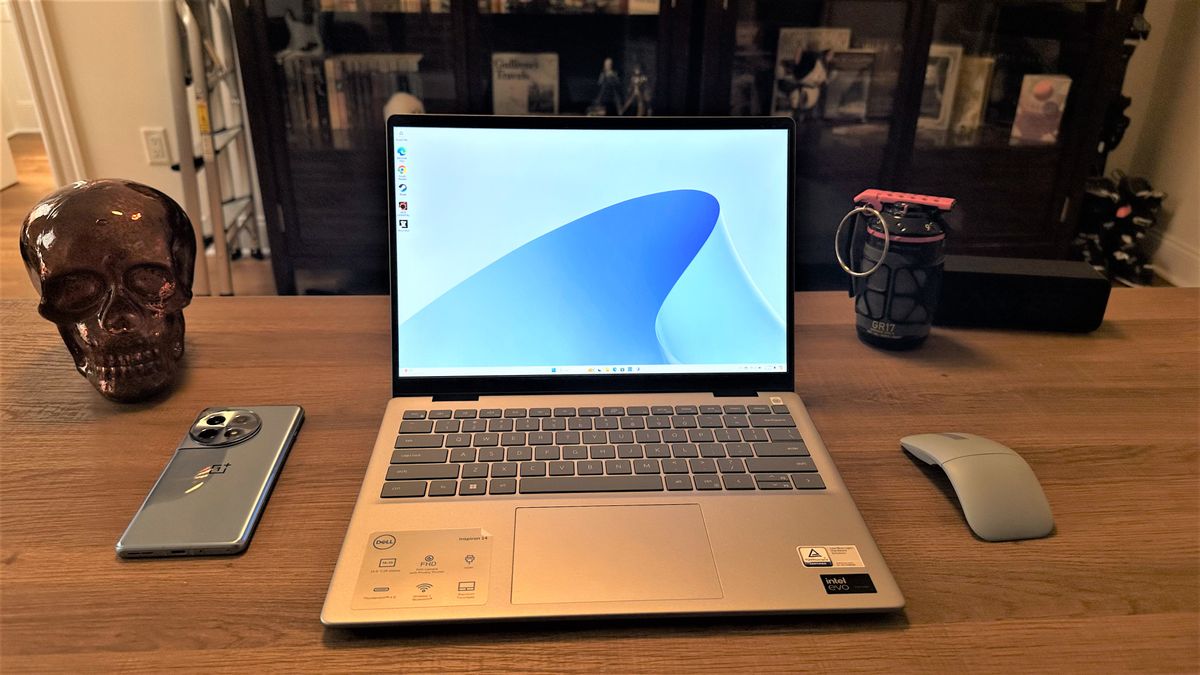
The Dell Inspiron 14 Plus (7441) with a Qualcomm Snapdragon X Plus processor has emerged as the premier choice for the average user. It balances performance, portability, and exceptional battery life, often exceeding 18 hours in web-browsing simulations. By utilizing the Windows on ARM platform, it offers cool thermal management and high-speed multitasking, though users should verify native support for specific legacy applications before purchase.
For budget-conscious consumers, the Intel-based Inspiron 14 Plus (7440) remains a formidable contender. Equipped with Intel’s Meteor Lake chips, it provides superior graphics capabilities compared to its ARM counterpart, making it more suitable for users who require compatibility with older software or light gaming. It maintains a robust battery life of over 15 hours and offers a more traditional performance profile for general productivity.
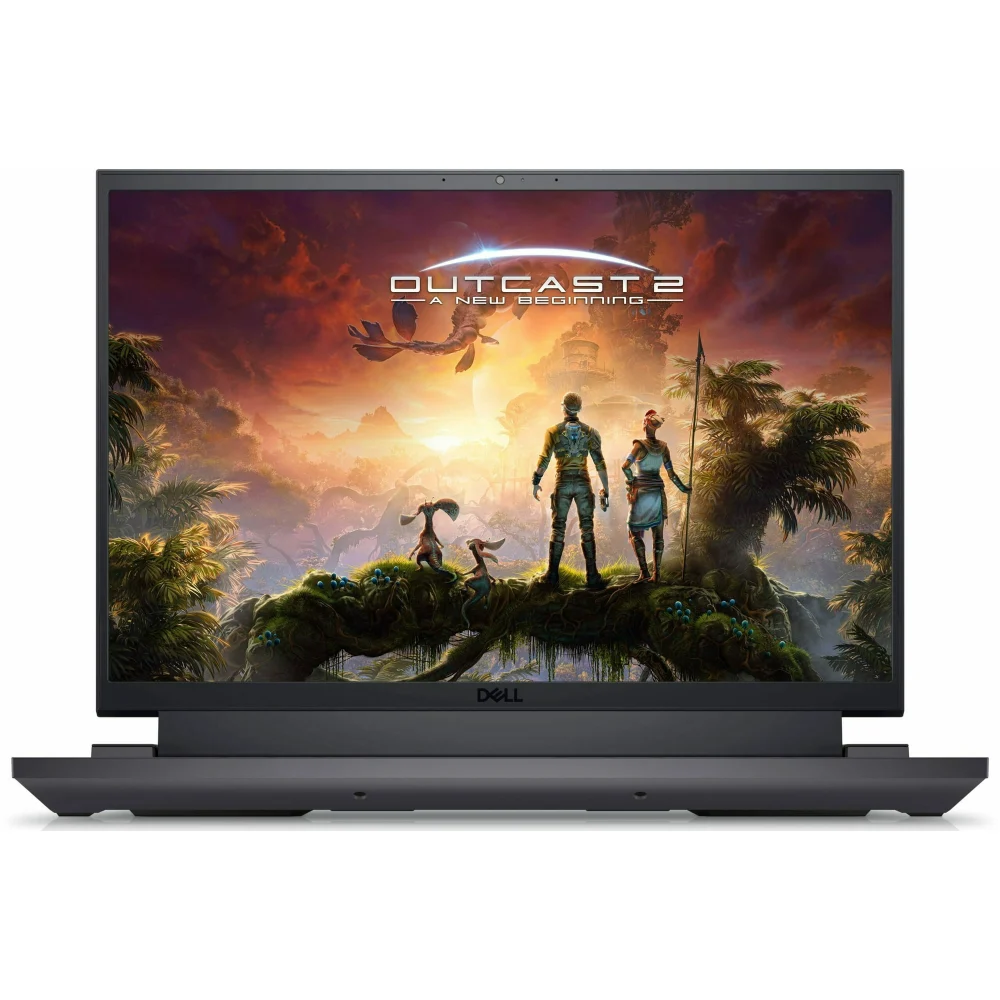
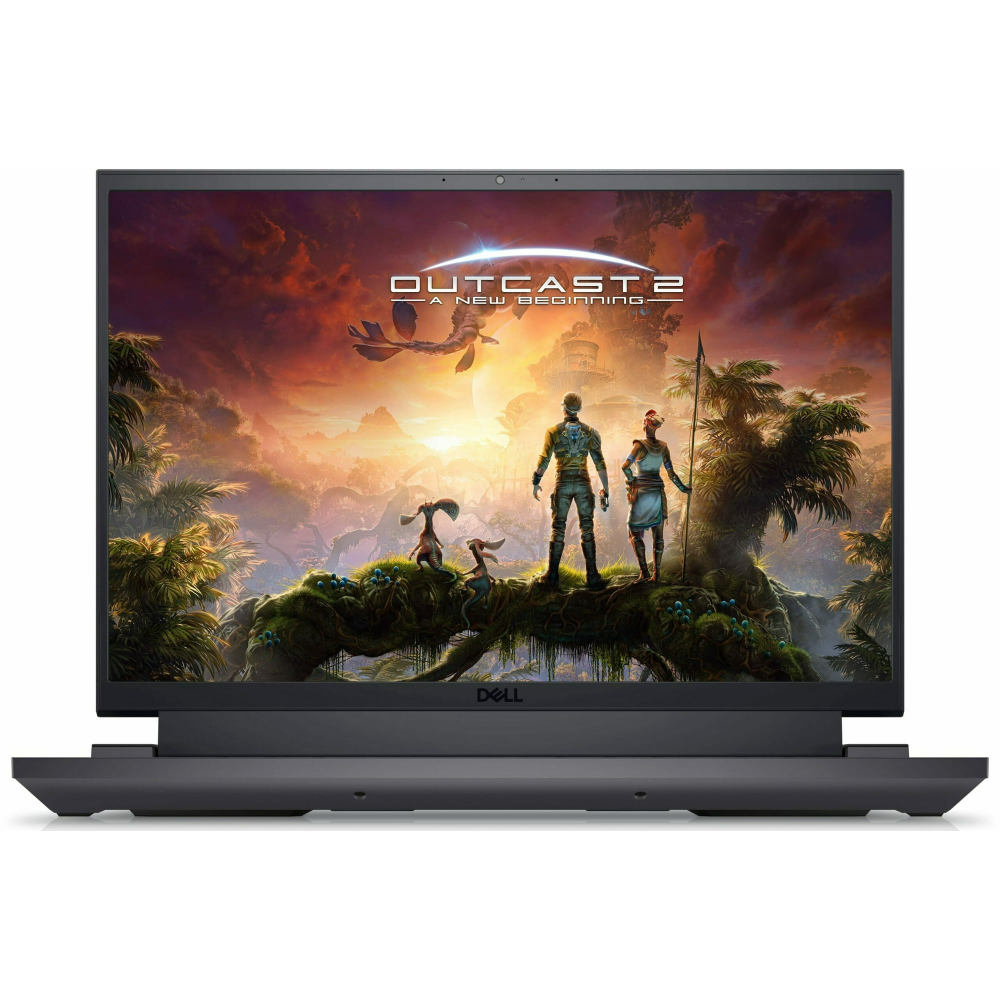
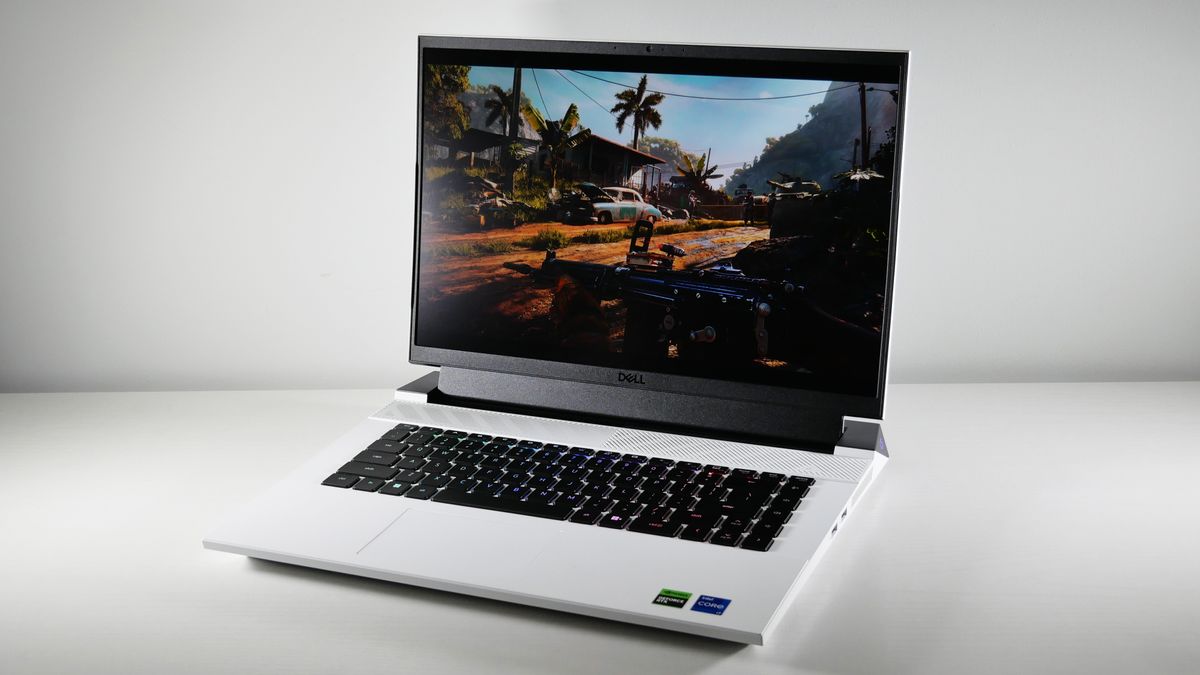
Gaming enthusiasts are increasingly looking toward the Dell G16 (7630). Despite the shrinking market for budget-friendly gaming hardware, this model distinguishes itself with an RTX 4060 GPU and a 240Hz display, providing a high-end experience at a price point under $1,000. Its inclusion of a mechanical keyboard with Cherry MX switches is a standout feature rarely seen in this segment.
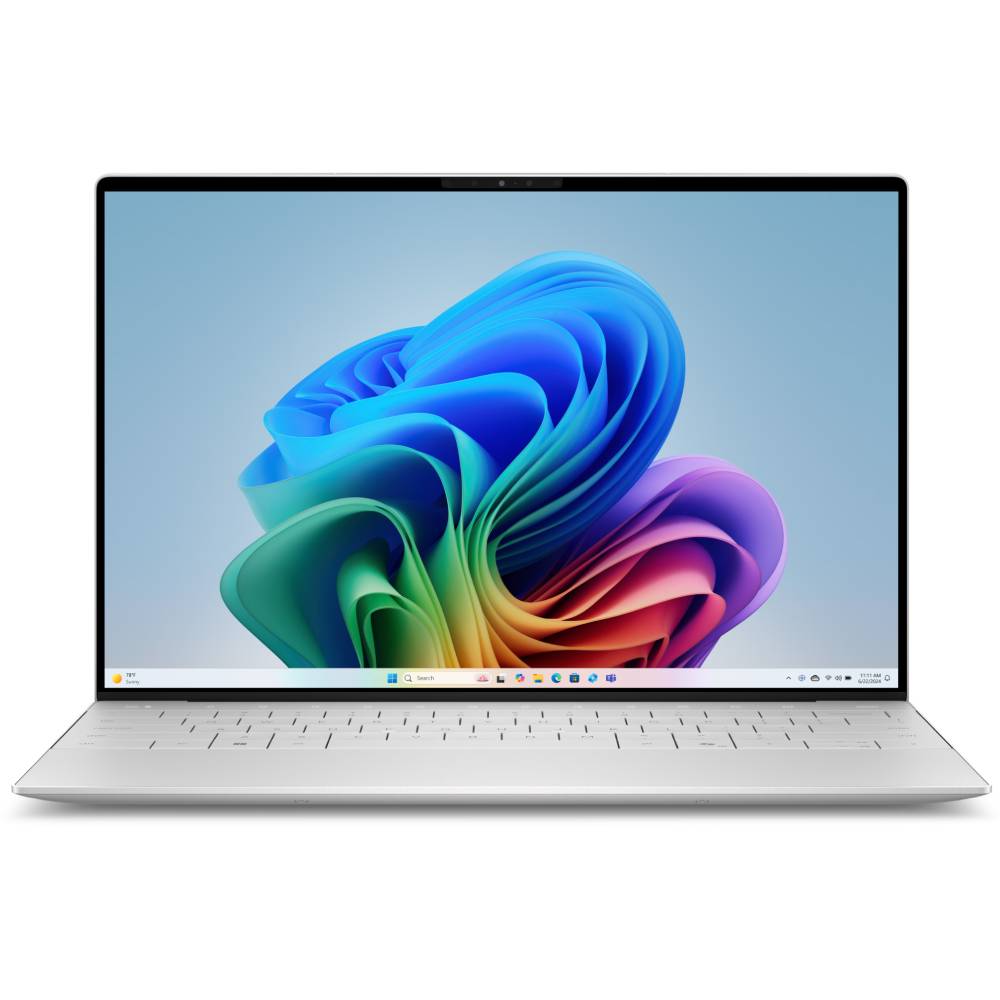
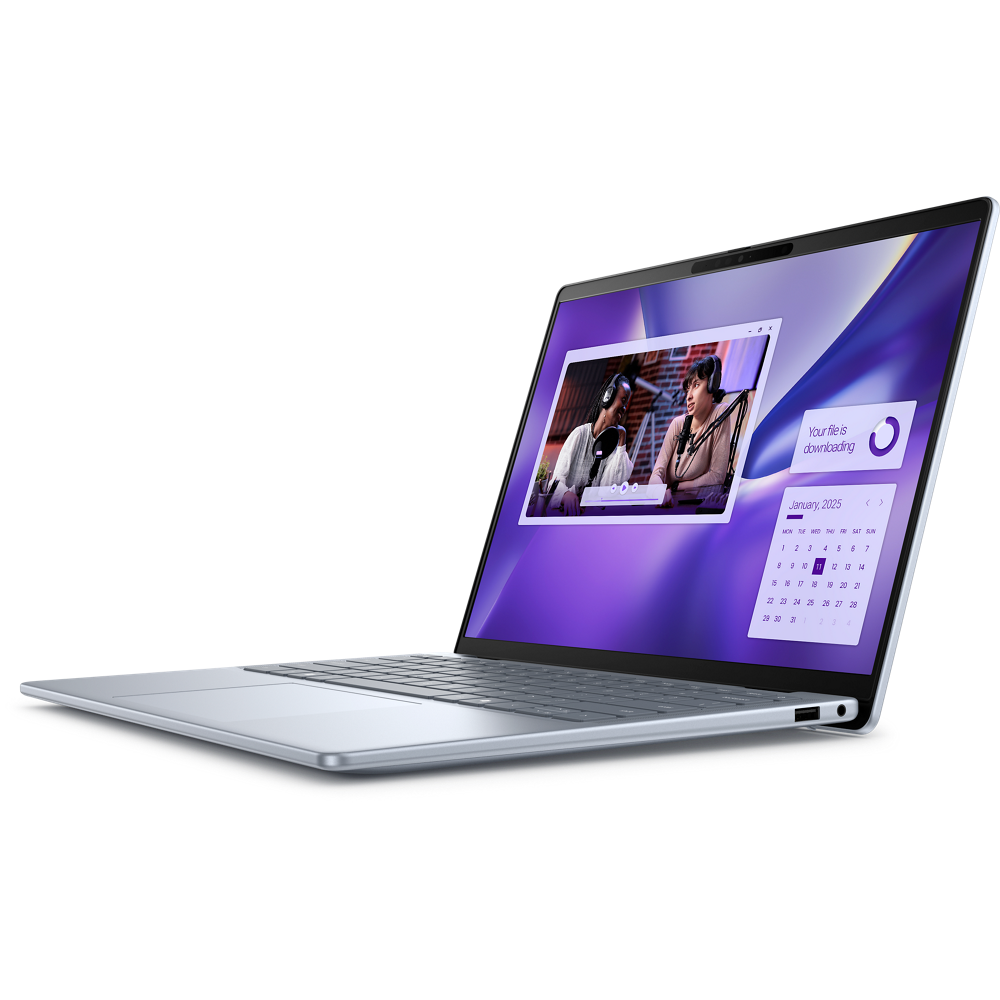
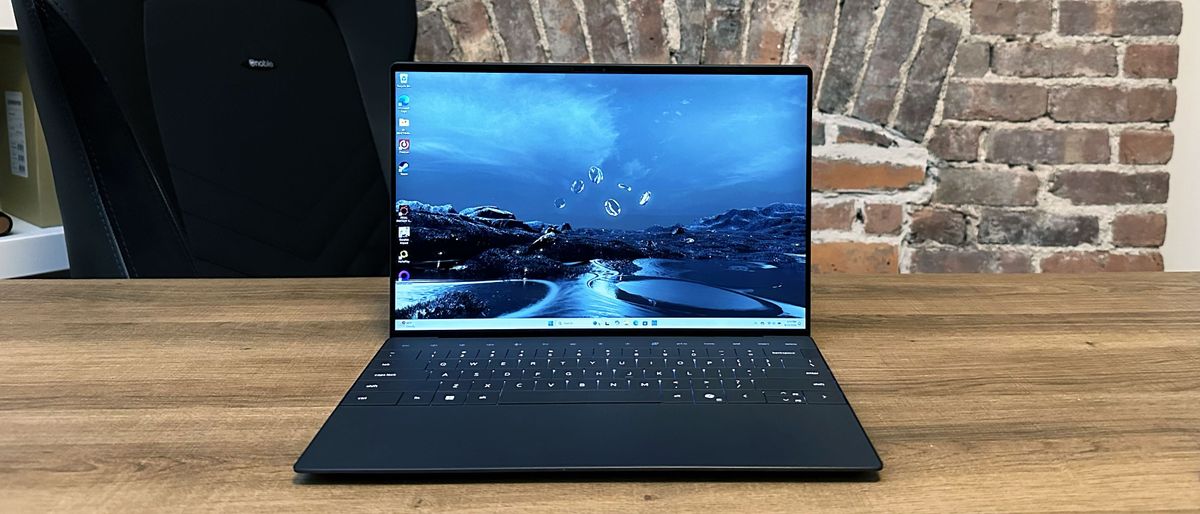
For users prioritizing display quality, the Dell XPS 13 OLED (9350) remains the gold standard. Featuring a tandem OLED panel, it covers over 144% of the DCI-P3 color gamut, offering unmatched color accuracy for content creators. While the power demands of the display reduce overall battery life, the visual performance justifies the trade-off for professional creative work.
Performance Metrics and Comparative Analysis
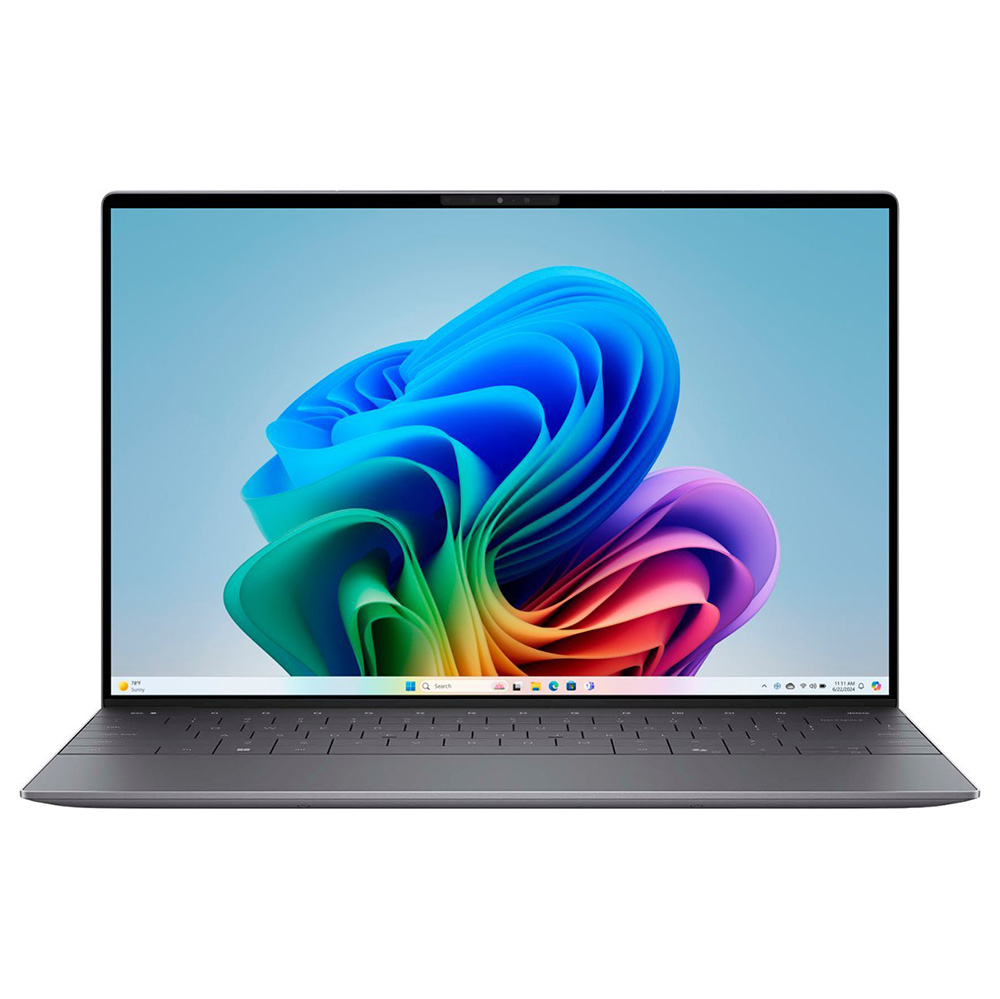
The current Dell lineup demonstrates the competitive advantage of modern silicon. In Geekbench 6 multicore testing, the Snapdragon-configured XPS 13 (9345) scores approximately 14,635, significantly outpacing the industry average of 10,492. This represents a 29% performance lead, underscoring the efficiency gains provided by the Snapdragon X Elite platform.
However, battery life remains the primary differentiator across these models. While the XPS 13 (9345) can reach nearly 21 hours of runtime, models equipped with Intel Lunar Lake or Meteor Lake chips often fall in the 8-to-15-hour range, depending on display technology and workload intensity. Thermal management also varies; while the ARM-based Inspiron 14 Plus keeps surface temperatures around 88 degrees Fahrenheit, Intel-based configurations can climb above 100 degrees under heavy load, potentially impacting user comfort during lap-based use.

Manufacturing and Global Logistics
Dell’s manufacturing footprint continues to be a critical component of its operational success. The company maintains production and assembly facilities in Austin, Texas, to serve the North American market, while its major global hubs in Shanghai, Shenzhen, Chengdu, and Limerick, Ireland, handle high-volume distribution for international territories. This geographic diversity allows the company to mitigate supply chain disruptions, ensuring that hardware remains available even during periods of global economic volatility.
Broader Industry Implications
The shift in Dell’s naming strategy and the integration of diverse processor architectures—ranging from Qualcomm’s ARM chips to Intel’s latest Lunar Lake offerings—reflects a broader trend of convergence in the laptop industry. By aligning with Apple’s branding simplicity, Dell is attempting to streamline its sales funnel, making it easier for retail customers to understand where a specific device fits in terms of power and price.
From a technical standpoint, the industry is moving away from purely clock-speed-focused performance toward efficiency-per-watt metrics. As evidenced by the Snapdragon-powered models, consumers are increasingly prioritizing battery life and thermal efficiency over raw, peak-power output. This evolution is forcing software developers to optimize their applications for multiple architectures, a process that is still underway as Windows on ARM becomes more prevalent.
Professional Guidance for Potential Buyers
For those currently in the market for a new device, the transition period between the old and new naming conventions presents both opportunities and challenges. Retailers are currently clearing out legacy-named inventory, which often results in significant price discounts for consumers who are not strictly tied to the latest hardware iterations.
Prospective buyers are advised to prioritize their primary use case:
- Multitasking and Portability: The Snapdragon-based Dell models offer the best power efficiency.
- Creative and Media Production: The Dell Premium (formerly XPS) OLED models are essential for color-critical work.
- Heavy Productivity and Compatibility: The Dell (formerly Inspiron) Intel-based models ensure maximum software compatibility.
- Professional Workstations: The Dell Pro Max (formerly Precision) series remains the only viable choice for 3D rendering and large-scale data simulation.
The rigorous testing standards employed by industry observers, including the use of colorimeters for display verification and standard web-browsing benchmarks for battery life, remain the most reliable way to assess these devices. As Dell continues to integrate these changes, the focus on performance, efficiency, and simplified product tiers is expected to define the company’s trajectory throughout the remainder of 2025 and beyond. By staying informed about these architectural and branding shifts, consumers can make purchasing decisions that align with both their professional requirements and their long-term hardware needs.