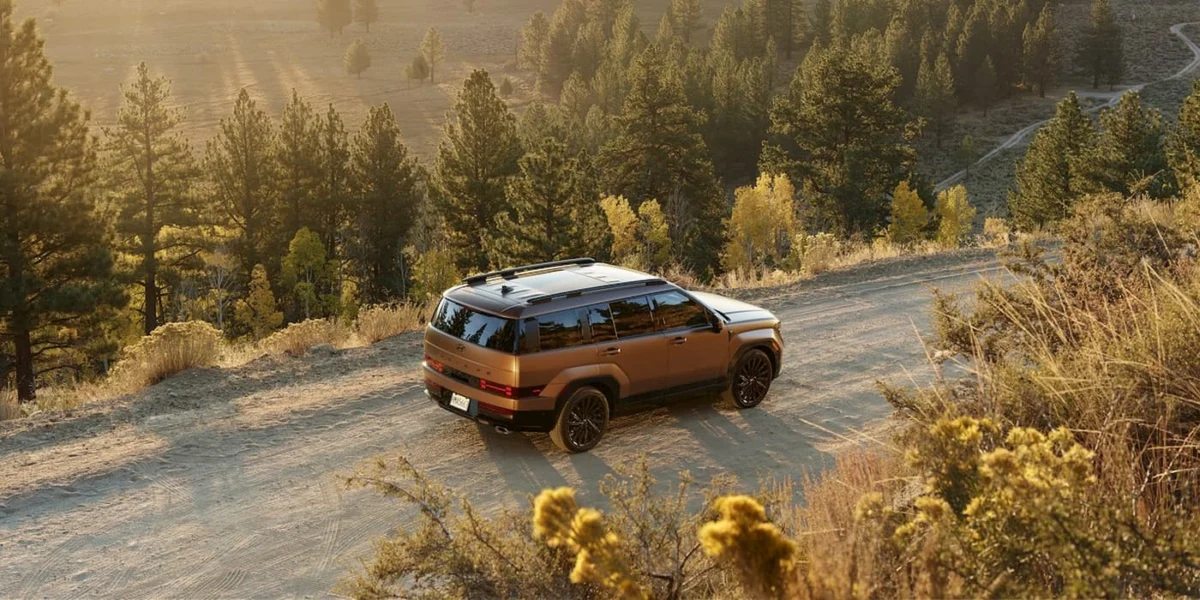
Hyundai is set to redefine the SUV landscape with the highly anticipated 2027 Santa Fe Extended-Range Electric Vehicle (EREV), a groundbreaking model that promises an "EV-like" driving experience coupled with an exceptional total range exceeding 600 miles. This innovative approach, revealed during Hyundai’s pivotal CEO Investor Day in September, marks a significant strategic shift for the automaker, positioning the Santa Fe EREV as a flagship offering in its evolving electrified portfolio. Spy shots emerging from South Korea have provided concrete visual evidence of the Santa Fe EREV undergoing rigorous testing, further fueling anticipation for its official debut, which is expected by the end of 2026 or early 2027.
The decision to introduce an EREV variant of the Santa Fe, one of Hyundai’s most consistently popular SUV nameplates, underscores the company’s commitment to providing diverse electrification solutions that cater to a broader consumer base. Unlike fully battery-electric vehicles (BEVs), EREVs leverage a combination of electric propulsion and an internal combustion engine that serves as a generator to replenish the battery, thereby eliminating range anxiety and offering enhanced flexibility for long-distance travel. This dual-pronged strategy allows Hyundai to bridge the gap between traditional internal combustion engine vehicles and all-electric offerings, appealing to consumers who may not yet be ready for a full transition to BEVs but are eager to embrace more sustainable and technologically advanced automotive solutions.
The development of the Santa Fe EREV is underpinned by Hyundai’s proprietary battery technology, designed to deliver robust EV performance while optimizing battery size and efficiency. The company has stated that these self-developed batteries will enable the EREV to achieve "full EV power performance with less than half the battery capacity" compared to conventional EVs, suggesting a significant leap in energy density and management. This technological advancement is crucial for an EREV, as it allows for a more compact and lighter battery pack, which can contribute to improved vehicle dynamics and overall efficiency, even when the gasoline engine is not actively generating power.

A Strategic Pivot in Electrification Strategy
Hyundai’s announcement of its EREV plans during the September CEO Investor Day event was a key moment in outlining its forward-looking strategy. The company detailed an ambitious roadmap that includes the introduction of a range of new electrified vehicles, hybrids, and even pickup trucks. The Santa Fe EREV, slated for a 2027 launch, stands out as a particularly significant development, representing Hyundai’s first foray into the EREV segment. This move is not isolated; Hyundai’s luxury brand, Genesis, is also preparing to launch its GV70 EREV in 2027, and Kia, its sister brand, is reportedly planning a body-on-frame EREV pickup truck by 2030. This coordinated rollout across the Hyundai Motor Group signifies a concerted effort to dominate various facets of the electrified vehicle market.
The genesis of this strategy can be traced back to the evolving global automotive landscape, characterized by increasingly stringent emissions regulations and a growing consumer demand for sustainable transportation. While the transition to BEVs is accelerating, a substantial portion of the market still requires solutions that address concerns around charging infrastructure availability, charging times, and the upfront cost of electric vehicles. EREVs offer a compelling compromise, providing the immediate benefits of electric driving for daily commutes and shorter trips, while the gasoline generator offers the peace of mind for extended journeys.
Unveiling the Santa Fe EREV: Design and Functionality
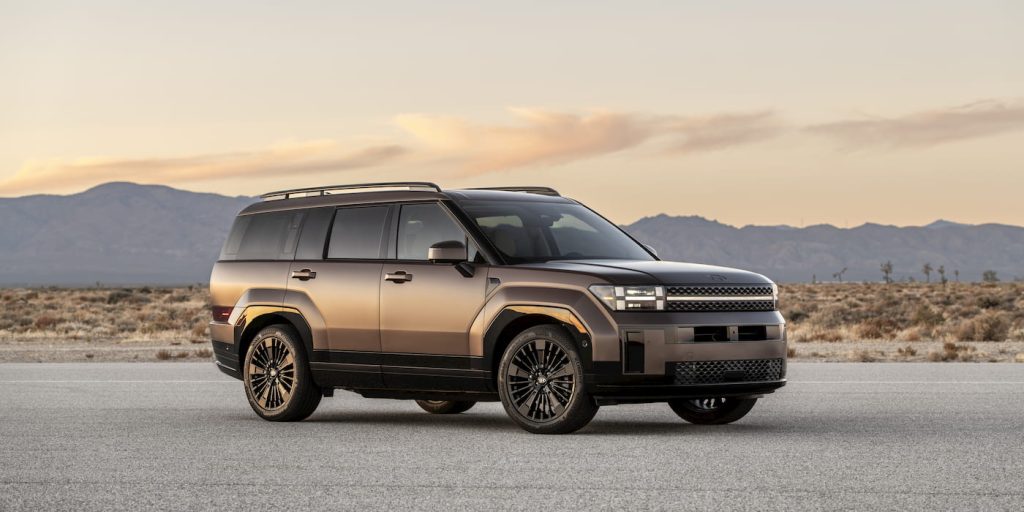
Recent spy imagery has offered tantalizing glimpses of the Santa Fe EREV prototype, revealing a vehicle that retains the distinctive and bold design language of the latest Santa Fe generation. The camouflaged prototype, spotted in South Korea, was unmistakably identified as an EREV due to a clear sticker confirming its powertrain. The images showcase a vehicle that appears to be production-ready, with its unique silhouette and robust stance.
A particularly noteworthy detail observed in the spy shots is the presence of dual fuel doors, one on each side of the vehicle. This configuration strongly suggests a setup where one side houses the charging port for the electric battery, while the other accommodates the fuel filler for the gasoline generator. This dual-access design is a hallmark of EREV vehicles and provides convenience for drivers, allowing them to choose the most accessible refueling or recharging option. The inclusion of a charge port indicates that the Santa Fe EREV will be capable of being plugged in and charged from an external power source, maximizing its electric-only driving range.
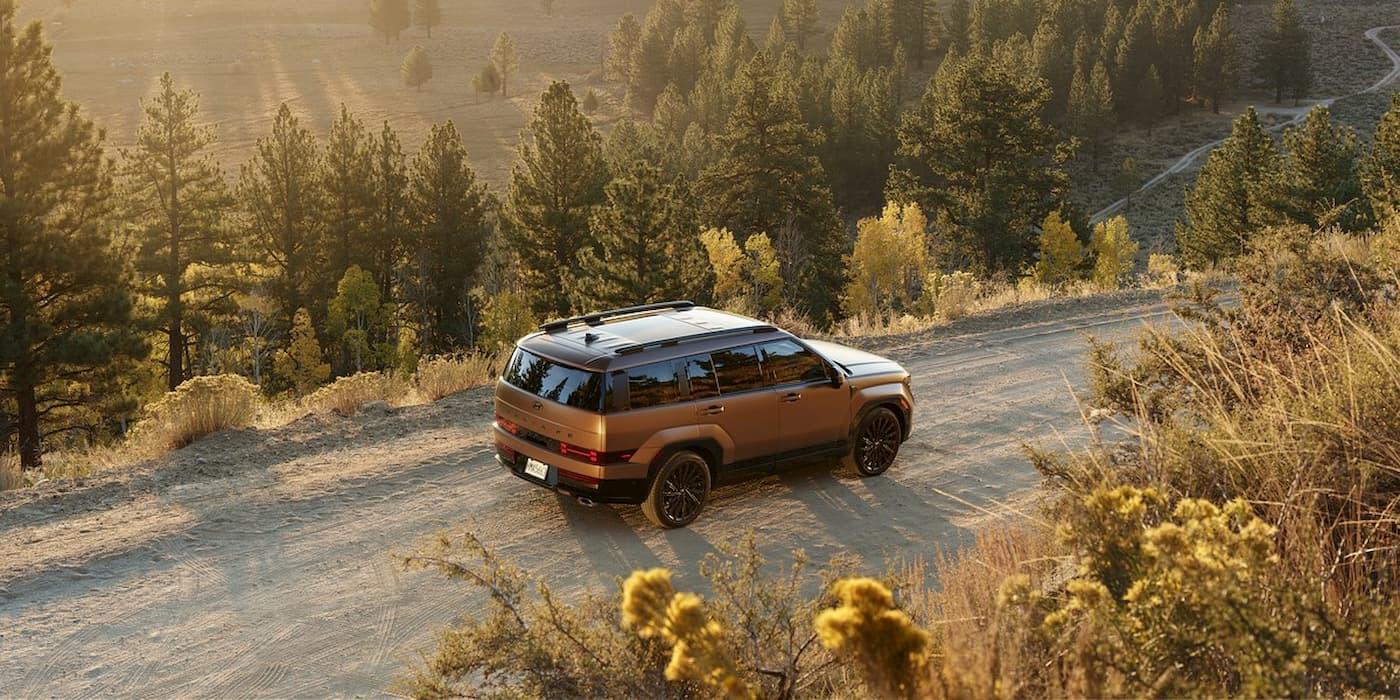
Inside, the Santa Fe EREV is expected to feature Hyundai’s latest technological advancements, including the "Pleos" infotainment screen and operating system. This modern interface promises a seamless and intuitive user experience, integrating advanced connectivity features, navigation, and vehicle controls. The cabin is likely to mirror the spacious and upscale interior of the standard Santa Fe, offering comfort and practicality for families and adventurers alike.
Performance and Range Expectations
While Hyundai has not yet disclosed the definitive specifications for the Santa Fe EREV, the company has provided key performance indicators that paint an exciting picture. The EREV is engineered to deliver an "EV-like" driving experience, implying smooth acceleration, quiet operation, and responsive handling characteristic of electric vehicles. The primary differentiator, however, lies in its extended range capabilities. Hyundai has stated a combined driving range of "over 600 miles (960 km)," a figure that significantly surpasses that of most current BEVs and even many conventional hybrids.
This impressive total range is achieved through the synergy of its electric powertrain and the efficient gasoline generator. The electric motors provide the primary propulsion, drawing power from the battery. When the battery charge depletes to a certain level, or under sustained high-demand driving conditions, the gasoline engine seamlessly engages to generate electricity, replenishing the battery and extending the vehicle’s operational range. This intelligent management system ensures that drivers can undertake long journeys without the need for frequent charging stops, a crucial advantage in regions with less developed charging infrastructure.
The concept of an EREV is not entirely new, but Hyundai’s implementation with its advanced battery technology and the popular Santa Fe platform aims to set a new benchmark. The company’s emphasis on "less than half the battery capacity" for equivalent EV performance suggests a breakthrough in battery chemistry or pack design, which could lead to more efficient and potentially more affordable electrified vehicles in the future. This focus on battery innovation is a critical component of Hyundai’s long-term electrification strategy, aiming to reduce reliance on external suppliers and gain a competitive edge in battery technology.
Market Implications and Competitive Landscape
The introduction of the 2027 Hyundai Santa Fe EREV is poised to have significant implications for the automotive market. It directly addresses a key barrier to widespread EV adoption: range anxiety. By offering a vehicle that combines the benefits of electric driving with the long-haul capability of a gasoline engine, Hyundai is catering to a substantial segment of consumers who are hesitant to make the full leap to battery-electric vehicles. This strategy could significantly accelerate the transition to more sustainable transportation by offering a more accessible and practical entry point into electrified motoring.
The EREV segment, while still niche, is gaining traction as automakers recognize its potential. Hyundai’s bold move with the Santa Fe EREV positions it as a leader in this evolving space. The competitive landscape is beginning to heat up, with other manufacturers exploring similar powertrain configurations. However, Hyundai’s established reputation for quality, value, and innovation, coupled with its commitment to developing in-house battery technology, provides a strong foundation for the Santa Fe EREV’s success.
The broader impact of the Santa Fe EREV extends beyond individual sales figures. It signals a maturation of the automotive industry’s approach to electrification, acknowledging that a one-size-fits-all solution may not be optimal. By offering a diverse range of electrified powertrains, including EREVs, Hyundai is demonstrating a pragmatic and consumer-centric approach to decarbonizing transportation. This flexibility is likely to resonate with a wider audience, potentially leading to a faster overall reduction in vehicle emissions.
Furthermore, the emphasis on proprietary battery technology suggests a long-term vision for Hyundai. By investing heavily in battery research and development, the company aims to secure its supply chain, reduce costs, and maintain a technological edge in the rapidly advancing field of electric vehicle components. This strategic vertical integration is a testament to Hyundai’s ambition to be a dominant force in the future of mobility.

As the official debut of the 2027 Hyundai Santa Fe EREV draws nearer, the automotive world will be closely watching to see how this innovative vehicle performs and how it shapes the future of SUV design and electrification. With its promise of extended range, EV-like performance, and a unique blend of electric and gasoline power, the Santa Fe EREV is poised to be a significant player in the ongoing automotive revolution. The company’s strategic diversification of its electrification offerings, with the Santa Fe EREV leading the charge, underscores a clear commitment to providing compelling and practical solutions for a sustainable automotive future.