






In the modern era of hybrid work, digital collaboration, and content creation, the hardware used to facilitate virtual interaction has become as critical as the computer itself. While manufacturers have made strides in integrating cameras into laptops, the inherent constraints of space, thin chassis designs, and limited power delivery often result in mediocre image quality. For professionals, educators, and streamers, the transition from a stock internal webcam to a dedicated external peripheral is no longer a luxury; it is a fundamental requirement for maintaining professional standards.
The current market for external webcams has matured significantly, shifting from basic plug-and-play sensors to sophisticated imaging systems that incorporate high-end optics, AI-driven composition, and specialized low-light sensors. As companies continue to formalize remote-first policies, the demand for high-fidelity communication tools has spurred a competitive landscape where technical specifications—such as resolution, frame rates, and sensor size—serve as the primary benchmarks for value.
The Evolution of Desktop Imaging Technology
The history of the webcam dates back to 1991, when researchers at the University of Cambridge utilized a basic camera to monitor the status of a coffee pot, preventing unnecessary trips to the breakroom. This humble beginning set the stage for decades of iterative improvement. Throughout the 2000s and 2010s, webcams were largely treated as utilitarian commodities. However, the global shift toward remote work in 2020 served as a catalyst for a technological renaissance in the sector.
Prior to 2020, consumers were often satisfied with 720p resolution, which was sufficient for informal chats. The sudden reliance on video conferencing for high-stakes business meetings and academic lectures revealed the limitations of these legacy devices. In response, manufacturers began integrating larger sensors—some approaching the physical size of those found in entry-level DSLRs—and advanced image signal processors (ISPs) that handle real-time color correction, noise reduction, and autofocusing.
Market Leaders and Top-Tier Selections
The current selection of top-tier webcams can be categorized by their specific use cases: general-purpose reliability, high-end professional streaming, and ultra-portable travel solutions.
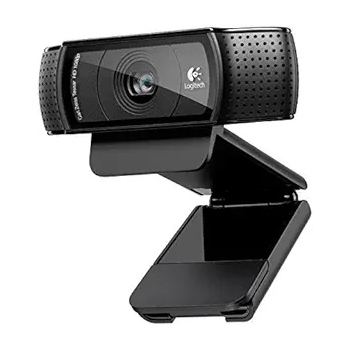
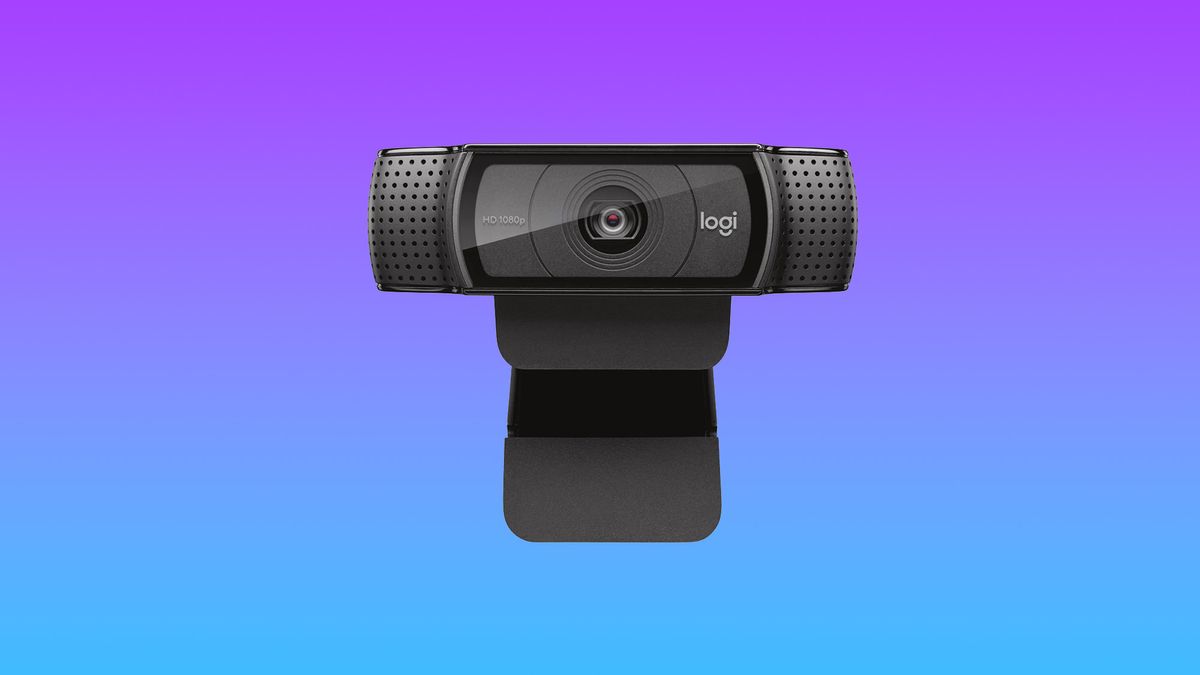
At the center of the general-purpose market remains the Logitech HD Webcam C920. Having established a standard for reliability, this device continues to be the primary recommendation for the average home office user. Its success is rooted in its balance of performance and accessibility. By offering 1080p resolution at 30 frames per second (fps) with a 78-degree field of view, it manages to capture clear, color-accurate imagery without requiring complex software configuration. It remains a benchmark for cost-efficiency, proving that high-quality optics do not necessarily require a premium price point.
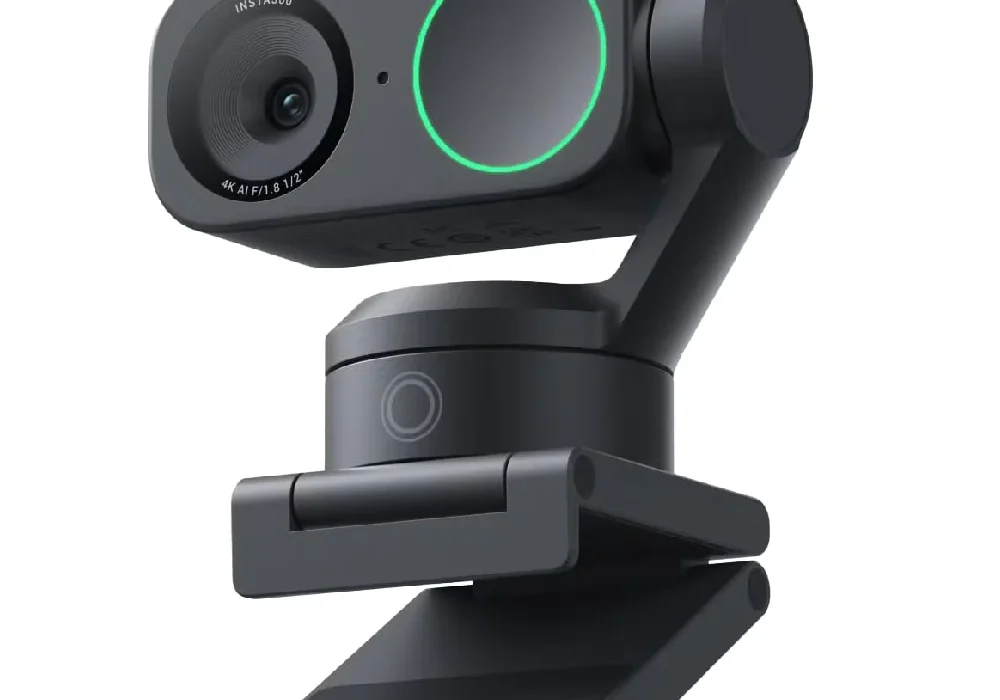
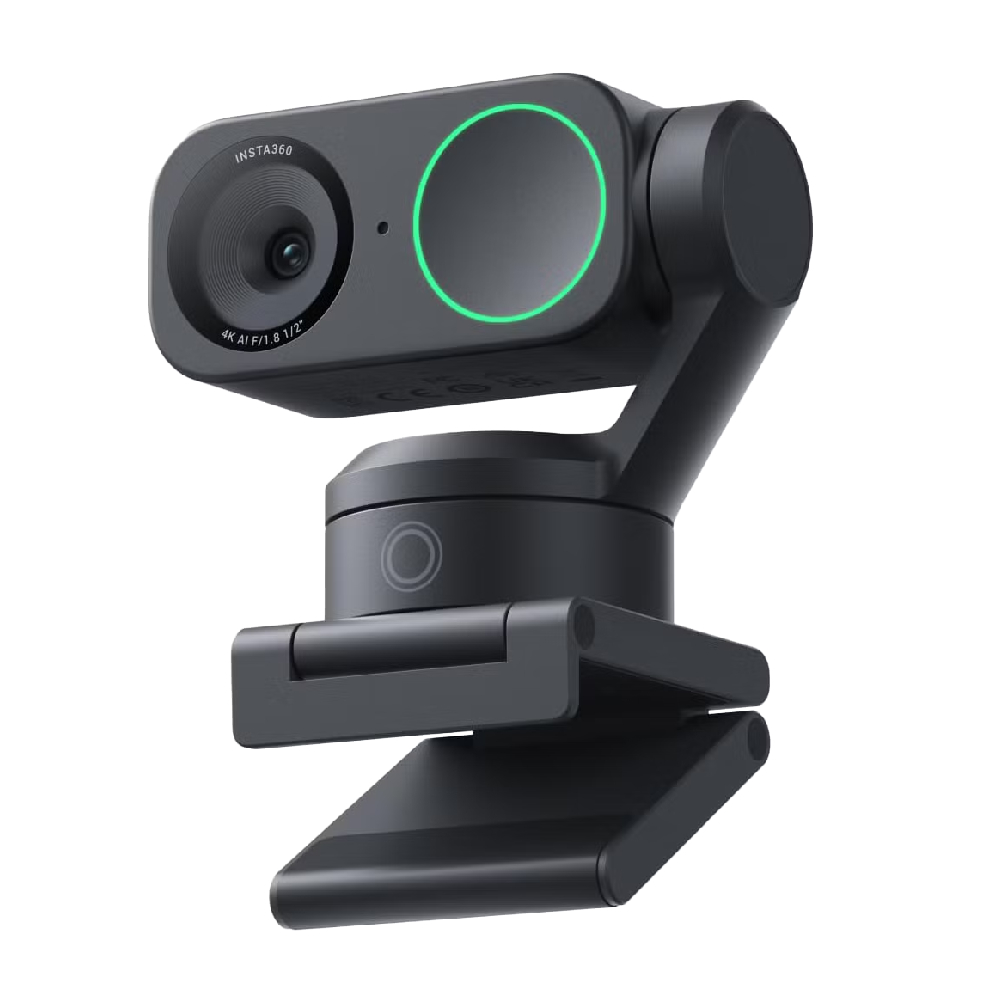
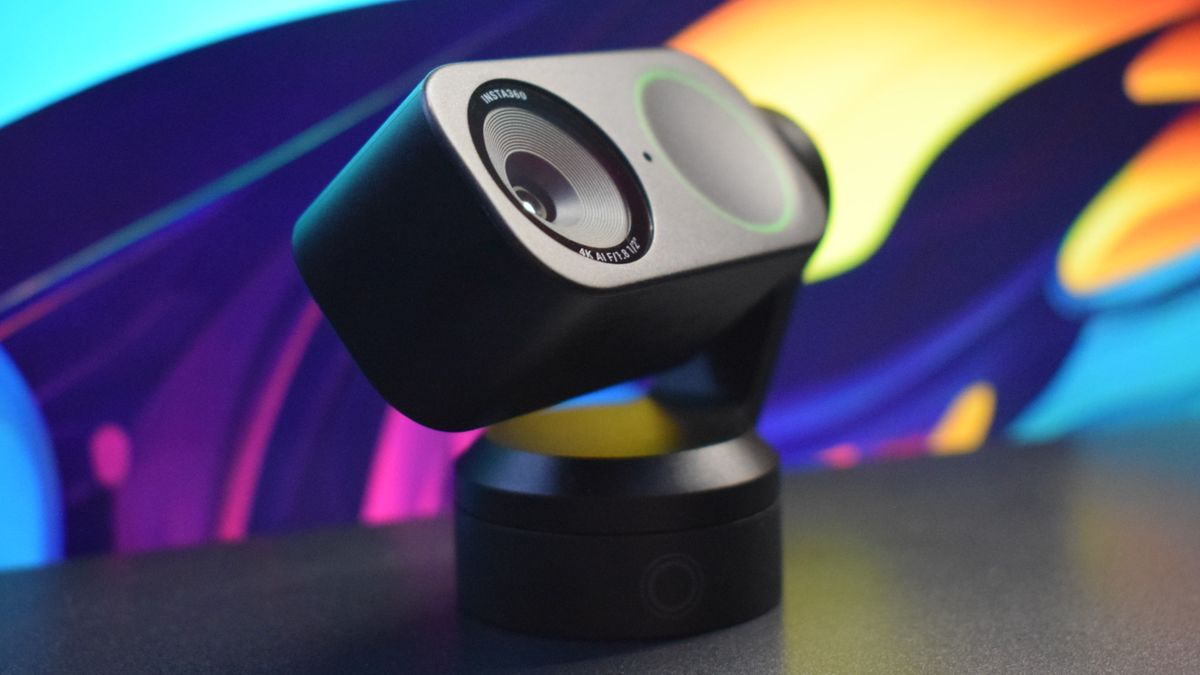
For those requiring higher production values, the Insta360 Link 2 represents a significant advancement in engineering. Featuring a dual-axis gimbal, the device offers physical pan and tilt functionality, coupled with AI-driven subject tracking. This allows the camera to follow a presenter as they move within a room, a feature previously reserved for robotic studio cameras. With a 4K resolution sensor and improved low-light performance, it is increasingly favored by educators conducting virtual workshops and professionals hosting webinars.
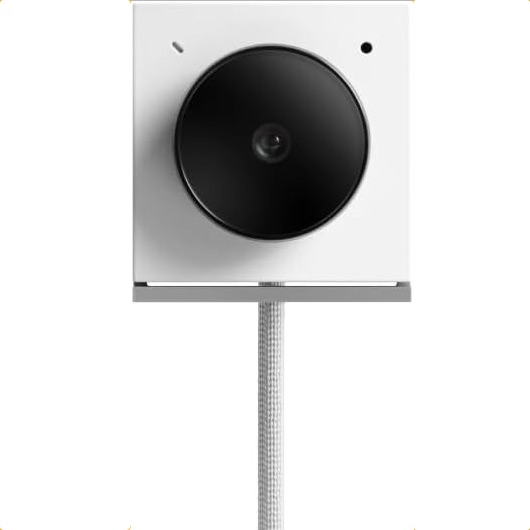
The Opal Tadpole, conversely, addresses the "travel gap." As more professionals return to hybrid schedules, the need for a high-quality camera that fits into a laptop sleeve has grown. The Tadpole utilizes a 4K sensor in a footprint no larger than a thumb, effectively bridging the gap between convenience and professional-grade video quality.
Comparative Analysis of Technical Specifications
Understanding the technical disparity between these devices requires a focus on sensor size and processing capabilities.
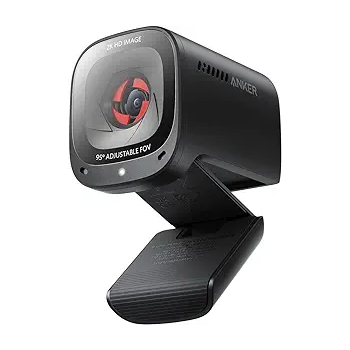
| Webcam | Max Resolution | Frame Rate (Max) | Key Feature |
|---|---|---|---|
| Logitech C920 | 1080p | 30fps | Value / Reliability |
| Insta360 Link 2 | 4K | 30fps / 60fps (1080p) | AI Gimbal Tracking |
| Opal Tadpole | 4K | 30fps | Portability |
| Anker PowerConf C200 | 2K | 60fps | Privacy Shutter |
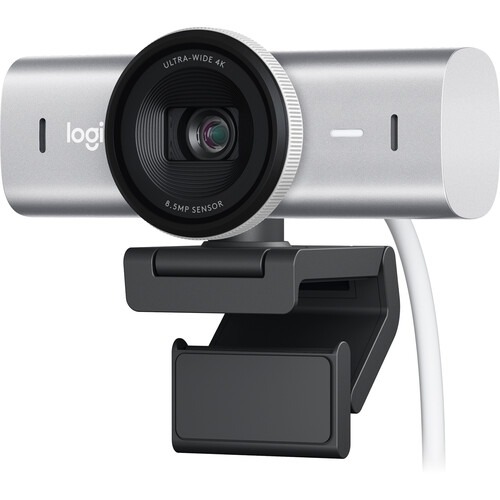
| Logitech MX Brio 4K | 4K | 30fps / 60fps (1080p) | Sony STARVIS Sensor |
The inclusion of the Sony STARVIS CMOS sensor in the Logitech MX Brio 4K exemplifies the shift toward specialized hardware. By utilizing a larger sensor, the camera is capable of gathering more light, which directly correlates to reduced image noise in dimly lit environments. This is a critical factor for users who work in home offices that may not have dedicated professional lighting setups.
Implications of Professional-Grade Hardware
The decision to invest in a premium webcam has implications that extend beyond mere image clarity. In professional environments, non-verbal communication is amplified or diminished by the quality of the video feed. A sharp, well-lit, and correctly framed image conveys professionalism and attention to detail. Conversely, low-resolution, grainy footage can create subconscious barriers to engagement during critical negotiations or client presentations.
Furthermore, the integration of software-based features like "DeskView" (which allows a camera to tilt downward to capture a workspace) or AI framing enables a more dynamic and interactive presentation style. As the barrier between physical and digital work environments continues to dissolve, the webcam serves as the essential window through which personal branding and professional identity are projected.
The Role of Privacy and Security
A recurring theme in recent consumer feedback is the necessity of physical privacy protections. The inclusion of physical lens shutters on models such as the Anker PowerConf C200 and the Logitech MX Brio 4K addresses the valid security concerns of users who operate in sensitive environments. The ability to mechanically obscure the sensor provides a level of assurance that software-level privacy toggles cannot replicate. This has become a non-negotiable feature for many enterprise-level procurement departments.
Future Outlook and Conclusion
The trajectory of the webcam market is trending toward deeper integration with artificial intelligence and machine learning. We can expect future iterations of these devices to feature more sophisticated background replacement, real-time lighting adjustments that mimic studio conditions, and advanced noise-canceling microphone arrays that isolate the speaker’s voice from background ambient noise.
As the industry moves forward, the "best" webcam will remain subjective, defined by the specific needs of the user. For the office worker, the priority is consistency and plug-and-play reliability; for the creator, it is flexibility and high-fidelity output; and for the traveler, it is compact performance. Regardless of the specific choice, the move away from integrated laptop cameras is a definitive step toward higher standards in the digital age. By selecting a device that aligns with their specific workflow, users can ensure their virtual presence remains as impactful as their in-person contributions.
The current technological landscape confirms that while the basic function of the webcam—capturing video—has remained constant, the quality and utility of the tools available have never been higher. As we continue to operate in a world where the screen is our primary meeting room, the investment in high-quality hardware remains one of the most effective ways to enhance daily professional interactions.