






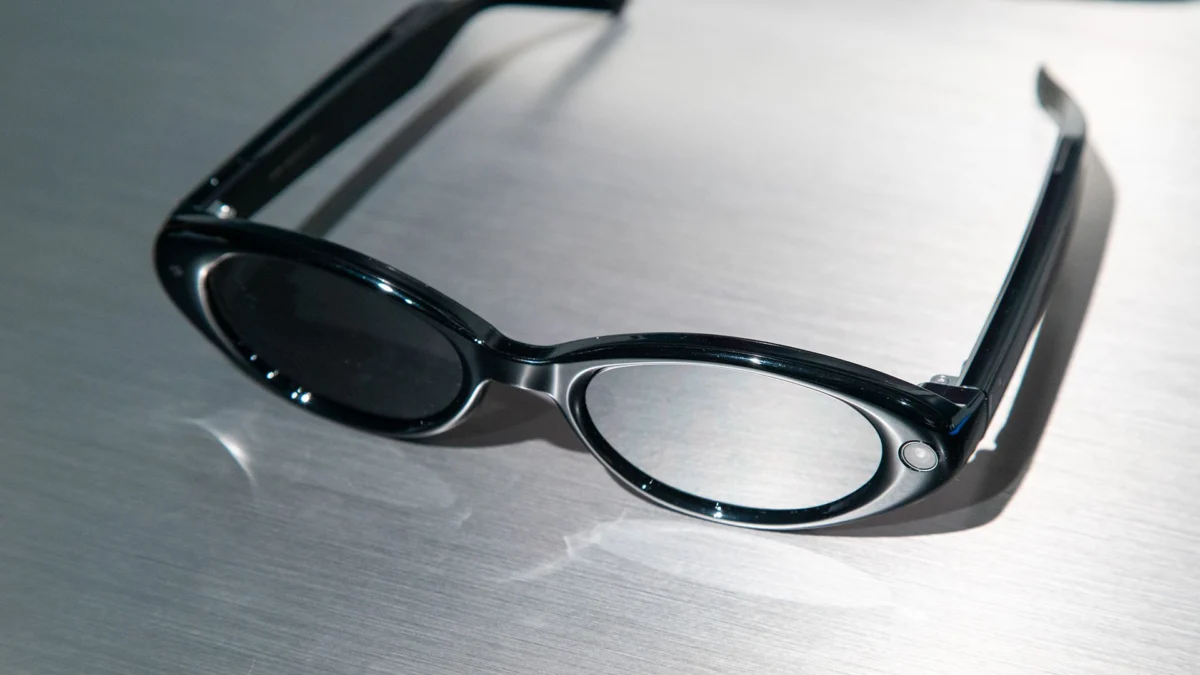
The race for dominance in the wearable augmented reality and smart eyewear market is entering a crucial new phase, with fresh reports pointing to a significant commercial milestone for Samsung Electronics. Industry insiders and supply chain reports originating from South Korea indicate that Samsung is gearing up to launch its much-anticipated "Intelligent Eyewear"—powered by Google’s specialized Android XR platform—by mid-December.
Rather than deploying a worldwide rollout immediately, the tech giant is adopting a calculated, phased market entry strategy. Initial availability will reportedly be restricted to two core, high-priority territories: South Korea and the United States. Following the holiday-season debut, corporate leadership intends to closely analyze consumer reception, hardware performance, and early feedback before greenlighting a broader international expansion plan.
While anticipation surrounding the device has steadily mounted since early leaks and teasers emerged, critical details—most notably the exact retail pricing—remain fluid. As Samsung enters the final weeks before mass market introduction, the corporate apparatus continues to evaluate how to position the product competitively against established incumbents in the smart glasses sector.
A Shifting Timeline: From November Speculation to a December Window
The trajectory toward the release of Samsung’s Android XR glasses has been marked by shifting launch windows and persistent industry rumors. Earlier in October, supply chain speculation strongly suggested that Samsung was accelerating its internal timeline, targeting a November release to capture early holiday shoppers. However, the latest intel, published by South Korean outlet ChosunBiz and corroborated by industry trackers, recalibrates that schedule, pushing the expected release to mid-December.
This revision highlights the complex logistics of launching a first-generation product powered by an entirely new ecosystem. Industry analysts note that tech companies frequently adjust release calendars during final quality assurance phases to ensure software stability, particularly when developing hardware that relies heavily on cross-device integration and advanced artificial intelligence.
The back-and-forth timeline underscores the wisdom of approaching these leaks with cautious optimism. Nevertheless, the convergence of multiple reports pointing toward a December launch indicates that Samsung’s intelligent glasses have progressed well beyond the prototyping stage and are moving swiftly toward commercialization.
Positioning and Ecosystem Integration: More Than Just a Camera on Your Face
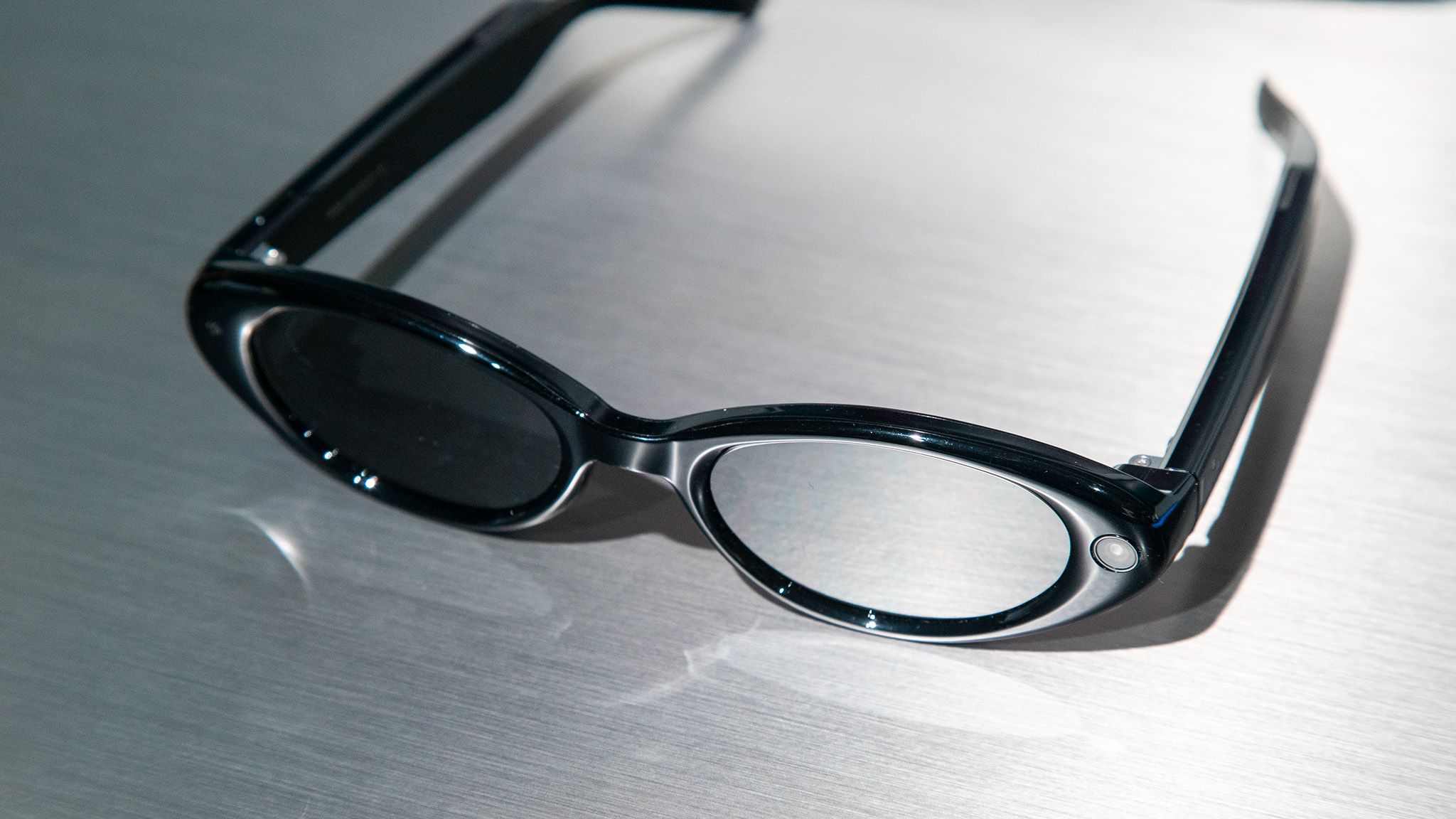
As details crystallize regarding the hardware’s capabilities, industry experts have gained a clearer picture of how Samsung intends to market the Intelligent Eyewear. Rather than positioning the glasses as standalone computing powerhouses or direct replacements for smartphones, Samsung has designed the wearable to function as a seamless extension of the user’s existing mobile ecosystem—specifically tailored for Galaxy smartphone owners.
A key differentiator for Samsung’s ecosystem strategy is deep, hardware-level integration with other Galaxy devices. Previous software previews and regulatory filings indicate that users will be able to control various functions of the glasses through intuitive gestures performed on a compatible Galaxy Watch. Additionally, quick-capture features for photos and videos will leverage the wearer’s wrist-based inputs, reducing the need for cumbersome touch controls on the frames themselves.
This interconnected approach mirrors Samsung’s broader corporate philosophy: building a unified ecosystem where wearables, smartphones, and domestic appliances communicate effortlessly. By tying the XR glasses to the Galaxy Watch and Galaxy smartphone lineup, Samsung aims to create a sticky user experience that encourages brand loyalty.
The Fashion Forward Strategy: Collaborations with Gentle Monster and Warby Parker
A historical hurdle for smart glasses has been aesthetics. Bulky frames, heavy battery compartments, and overt camera lenses have frequently alienated mainstream consumers who view wearable tech as clunky or socially awkward. Samsung has proactively addressed this barrier by partnering with globally renowned eyewear powerhouses: Gentle Monster and Warby Parker.
The collaboration brings high-fashion sensibilities to the Android XR ecosystem. During official previews, the showcased prototypes highlighted distinct design lines that closely resemble traditional, fashionable designer frames rather than futuristic tech gadgets. By bridging the gap between cutting-edge artificial intelligence and high-end fashion, Samsung aims to normalize the daily wear of intelligent eyewear.
This strategy directly mirrors successful precedents in the market, proving that consumers are far more likely to adopt wearable technology if it complements their personal style rather than detracting from it.
The Pricing Dilemma: Balancing Premium Features with Market Realities
One of the most heavily debated aspects of Samsung’s Intelligent Eyewear has been its prospective price point. Early speculation ranged wildly, but corporate statements from Samsung executives offer a more grounded perspective.

During earnings calls and product teasers earlier in the year, Samsung representatives indicated that the Intelligent Eyewear would carry a "reasonable" premium price tag. However, industry observers widely anticipate that Samsung’s pricing will sit comfortably above the baseline established by competitors like Meta’s $300 Ray-Ban smart glasses.
The rationale behind a higher price point lies in the advanced hardware stack required to support Android XR, alongside the inclusion of sophisticated AI tools and premium materials sourced through the Gentle Monster and Warby Parker partnerships. Yet, pricing the device too aggressively could alienate early adopters hesitant to invest in first-generation XR technology. Consequently, reports indicating that Samsung is still fine-tuning its final pricing strategy right up until the December launch reflect the high-stakes balancing act facing the company’s pricing committees.
Strategic Implications: Testing the Waters in the US and South Korea
Samsung’s decision to limit the initial launch of its Intelligent Eyewear to the United States and South Korea is a calculated risk management move. Both markets boast high smartphone penetration rates, tech-savvy consumer bases, and robust digital infrastructure capable of supporting AI-driven cloud processing.
By keeping the initial production run targeted, Samsung can monitor real-world telemetry, assess battery performance under diverse use cases, and rapidly patch software bugs via over-the-air updates before scaling manufacturing for European, Asian, and Latin American markets.
Furthermore, this phased approach allows Samsung to gauge the true appetite for Android XR hardware. Google’s renewed push into spatial computing and extended reality relies heavily on Samsung’s hardware execution. If the mid-December launch proves successful, it could signal a watershed moment for the broader XR industry, moving augmented reality glasses out of niche enthusiast circles and closer to mainstream consumer adoption.
Outlook Heading into December
As the mid-December window approaches, tech enthusiasts and industry analysts will be watching closely for official confirmation from Samsung. While the shifting timeline and unresolved pricing questions remind observers of the volatility surrounding hardware launches, the convergence of supply chain reports points firmly toward a historic holiday season release.
For Samsung, the Intelligent Eyewear represents more than just a new product category; it is a vital test of its ability to define the future of personal computing through fashion, artificial intelligence, and cross-device ecosystem synergy.