










When consumers and enthusiasts scour digital chat rooms, forums, and retail comment sections for insights on outdoor and lifestyle equipment, two metrics almost invariably dominate the discourse: financial cost and functional performance. Prospective buyers dissect every facet of an item, asking how much it cost, whether the expense was justified, and how reliably the object executed its intended task under pressure. While these are foundational inquiries for any consumer-goods market, they fail to capture the holistic reality of human consumption. Anyone who has stubbornly refused to discard a battered, weather-beaten backpack long after superior technical alternatives became available, or anyone who has pulled on a favored jacket and immediately felt a surge of capability, understands that physical utility tells only part of the story. Material possessions frequently perform psychological, social, and emotional functions that standard review matrices and technical data sheets completely fail to measure.
The Theoretical Framework: Beyond Behavioural Metrics
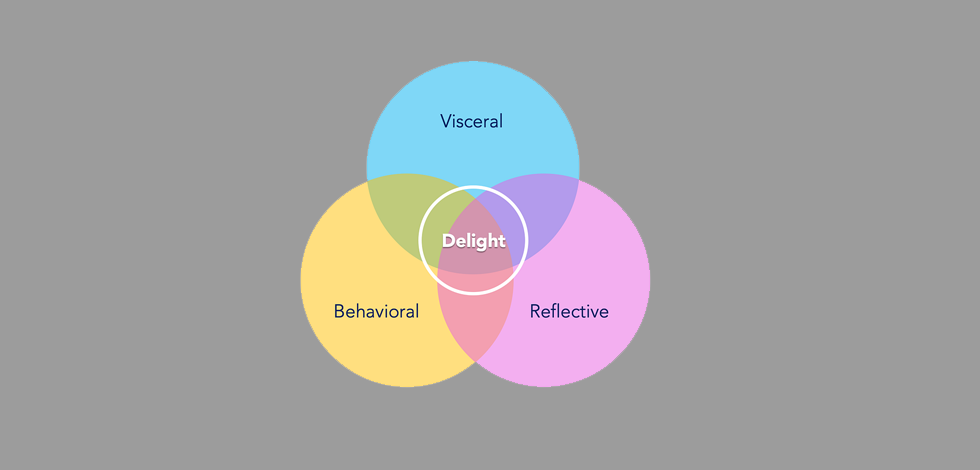
To comprehend why humans develop profound bonds with inanimate objects, design theorists and cognitive scientists often look beyond simple utility. In his seminal work Emotional Design, cognitive scientist Don Norman posits that human reactions to everyday objects operate across three distinct cognitive tiers: visceral, behavioral, and reflective.
The visceral level is entirely reactive, driven by gut feelings regarding aesthetics, tactile sensations, and initial visual appeal. The behavioral level encompasses traditional performance metrics—does the object function, and how efficiently? Finally, the reflective level deals with meaning, memory formation, and personal identity.
In contemporary consumer culture, the vast majority of gear commentary is concentrated almost exclusively on the behavioral tier. Performance is quantifiable, easily subjected to stress testing, and readily formatted into comparative spreadsheets. Conversely, the visceral and reflective levels resist numerical scoring, which has historically relegated them to the periphery of formal product evaluations. However, researchers across psychology and consumer behavior argue that these overlooked dimensions dictate long-term brand loyalty and product retention far more effectively than technical specifications ever could.
The Visceral Dimension: Tactile Connection and the Extended Self
The emotional relationship between human and object often begins before conscious cognitive processing even occurs. Tactile engagement with materials—such as supple leather, heavy-duty waxed cotton, or high-tenacity ballistic nylon—triggers immediate neurological responses. Research underscores the significance of this phenomenon. In a frequently cited 2009 empirical study published by consumer researchers Joann Peck and Suzanne Shu, investigators demonstrated that simply touching an object physically increases an individual’s psychological sense of ownership. Furthermore, the perceived pleasantness of that tactile interaction directly influences how much monetary and emotional value the consumer assigns to the item. The hands forge a relationship with an object long before the analytical mind evaluates its practical utility.
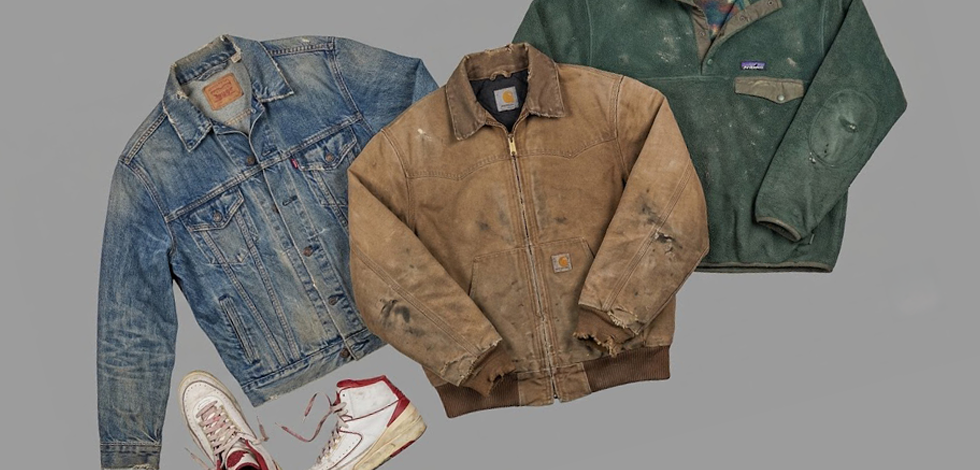
This phenomenon extends directly into how apparel and equipment alter human posture and self-perception. Psychologically, wearing an item perceived as well-suited to one’s identity can elevate confidence and alter physical presence. This invisible psychological dividend explains why consumers frequently deploy specialized equipment—such as rugged alpine shells, heavy-duty motorcycle jackets, or expedition-grade rucksacks—in entirely urban environments. The garments do not merely shield the wearer from the elements; they function as projective storytelling devices.
This behavior aligns closely with consumer researcher Russell Belk’s 1988 foundational theory of the "extended self." Belk argued that over time, human possessions cease to be viewed merely as external tools and instead become integrated into the individual’s core concept of identity. The things people carry become physical manifestations of who they are, who they have been, and who they aspire to become.
The Reflective Dimension: Memory, Artifacts, and Essentialism
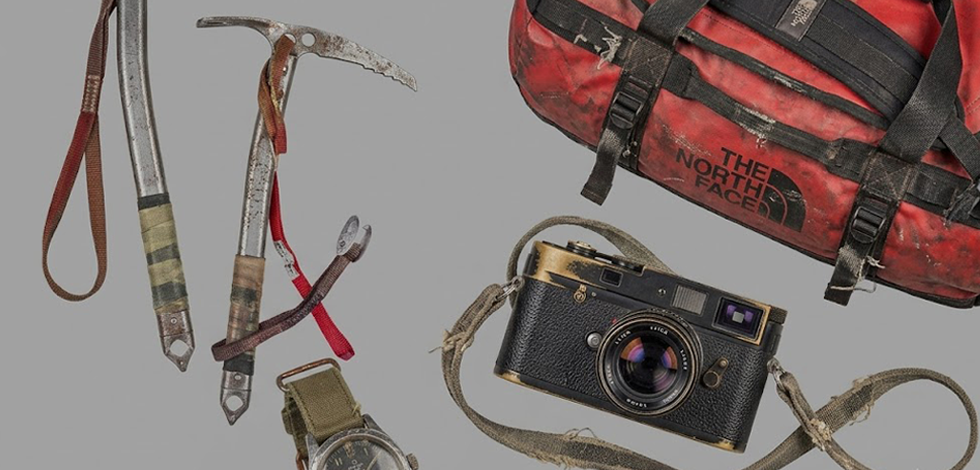
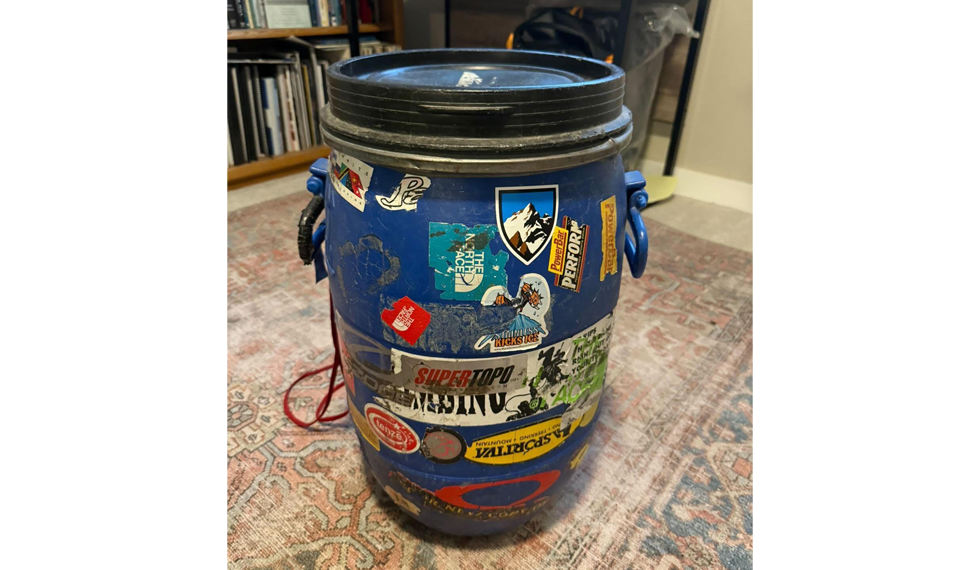
While physical design dictates initial attraction, time transforms functional items into repositories of personal history. A conceptual thought experiment highlights this disparity: examine a mass-produced expedition drum sitting untouched on a retail shelf, and compare it visually to an identical model that has accompanied elite mountaineers across decades of remote alpine expeditions. Mechanically and chemically, the objects are virtually indistinguishable. Yet, for the owner, the weathered drum functions as a physical archive of freezing mornings, exhausting ascents, and high-stakes survival.
Yale psychologist Paul Bloom explores this psychological mechanism through the lens of "essentialism." In his book How Pleasure Works, Bloom argues that human satisfaction derived from material goods is profoundly influenced by provenance—beliefs regarding where an object originated, who touched it, and what historical trials it has endured. The physical composition of the item remains constant, but the narrative surrounding it transforms its subjective value exponentially.
Elite athletes and adventurers routinely validate this psychological dynamic. Renowned mountaineer Renan Ozturk has frequently noted his attachment to a pair of alpine climbing pants he has maintained since 2010, noting that his spouse repairs them with roughly ten patches annually. Despite their degradation, he continues to deploy them because they fit flawlessly and are saturated with memories, functioning essentially as a talisman of good fortune. Similarly, legendary climber Conrad Anker famously preserved a snapped portaledge pole from a harrowing 2007 ascent on Meru, engraving it and hanging it in his garden—a testament to a failed tool that earned permanent retirement due to its historical significance.
Other high-altitude mountaineers weave personal ritual directly into their equipment. American mountaineer Melissa Arnot carries a blessed prayer card containing a photograph of her late climbing partner, Chhewang Nima, to the summit of every peak. Author Brendan Leonard famously carried a 60-meter climbing rope gifted by his brother for years, a token that catalyzed a career in outdoor literature before he ceremoniously bisected the rope in 2016 to return half to his sibling alongside a published book.
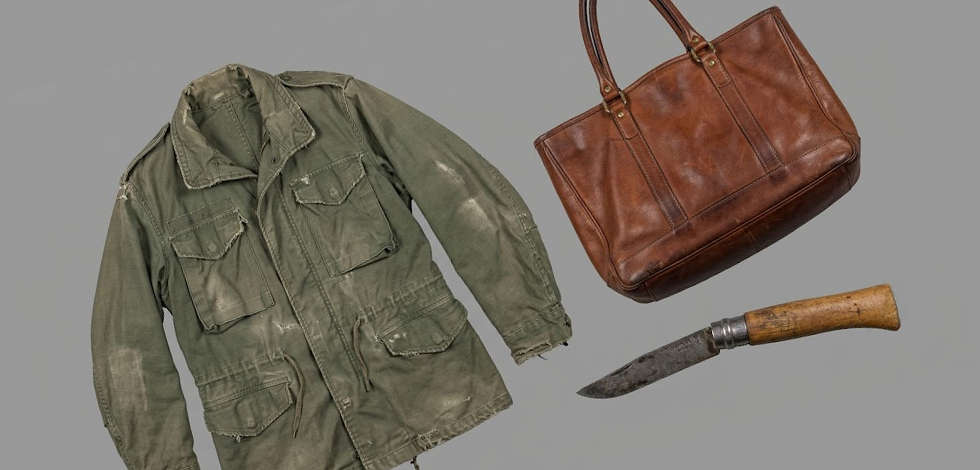
This preservation of meaningful objects transcends high-risk alpine environments. In Japan, the traditional randoseru—a rigid leather school backpack engineered to endure six rigorous years of primary education—is frequently retained within families for decades, eventually repurposed as a time capsule for childhood notebooks and report cards. Archivist and designer Nigel Cabourn, despite owning an archive exceeding 4,000 historical garments, has frequently been observed wearing a severely deteriorated Swiss Army rucksack at textile trade fairs. These items survive because they transcend their original industrial utility, evolving into intergenerational artifacts.
The Social Dimension: Signaling Identity and Building Community
Beyond the individual psychological and reflective layers exists a third, highly potent element: the social dimension. Material culture acts as an explicit social signaling mechanism. Thorstein Veblen’s 1899 socioeconomic analysis, The Theory of the Leisure Class, established that personal property and attire serve as overt signifiers of social standing and lifestyle aspirations.
In the modern marketplace, this dynamic is clearly visible in the evolution of outdoor apparel into mainstream fashion. The coining of the term "gorpcore" by writer Jason Chen in 2017 documented the widespread adoption of technical mountaineering and camping gear by urban populations far removed from any wilderness trail. Executives at technical apparel brands like Arc’teryx have openly acknowledged that the brand’s authentic mountain heritage drives its desirability among urban consumers who may never utilize the garments for their extreme technical specifications.
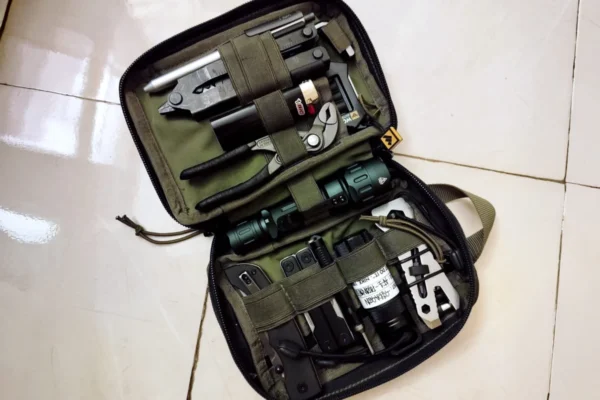
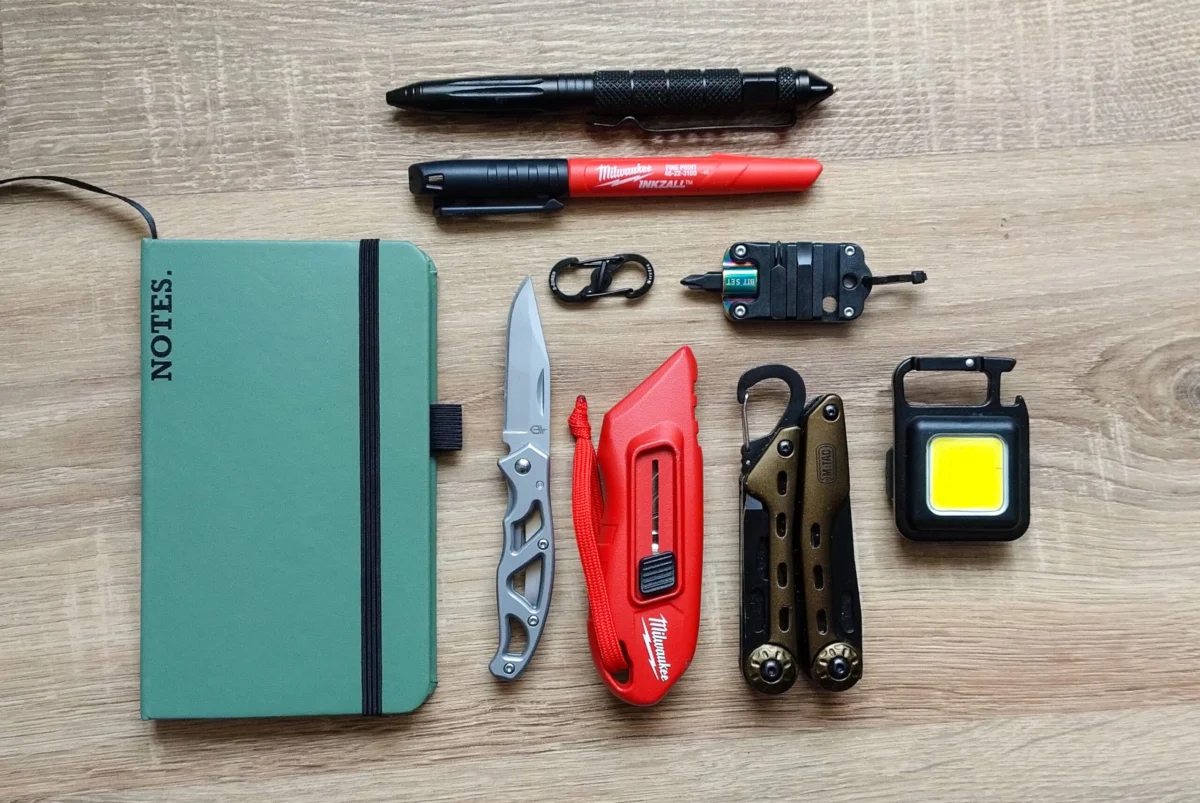
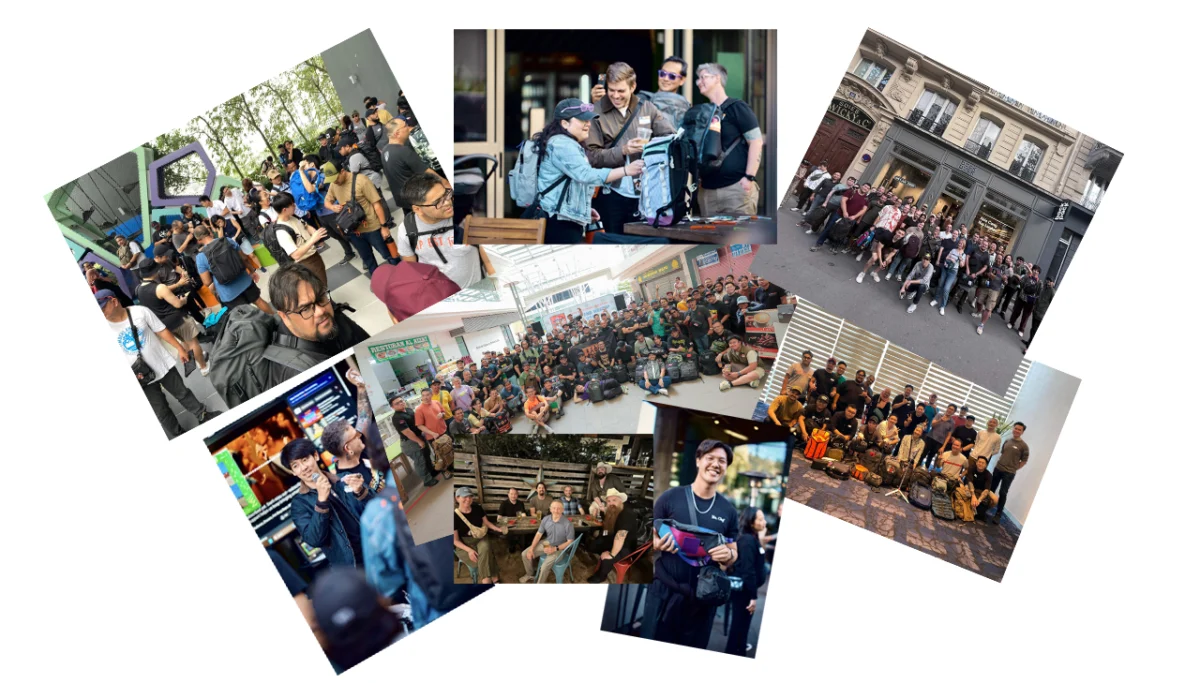
Concurrently, specialized gear serves as a localized catalyst for human connection. Gatherings such as international carry-community meetups demonstrate that niche interests in everyday-carry items, bags, and tools function as social lubricants. Strangers assemble in urban venues, bonding over specialized hardware, sharing personal modifications, and forming genuine interpersonal friendships rooted entirely in mutual appreciation for material design. In this context, a backpack, a pocket knife, or a specialized jacket acts as a non-verbal handshake, projecting values, signaling tribal affiliation, and lowering the barrier to social engagement.
Implications for Modern Consumer Culture
As the global consumer goods market continues to expand, the tension between fast-moving disposable consumerism and durable, heritage-grade equipment remains pronounced. While market analysts frequently evaluate products through the reductionist lenses of cost-per-use and raw technical performance, consumer behavior data suggests that longevity is fundamentally tied to emotional resonance.
When evaluating gear, consumers and industry observers are increasingly urged to look past the spec sheet. The true value of a well-crafted object is not solely measured by what it can accomplish on day one, but by how it shapes the user’s confidence, what communities it helps forge, and what narratives it absorbs along the way.