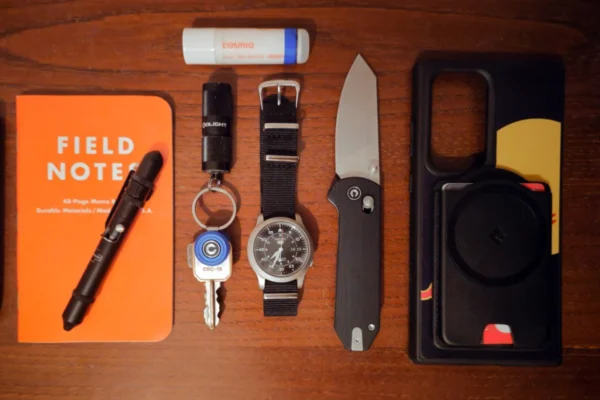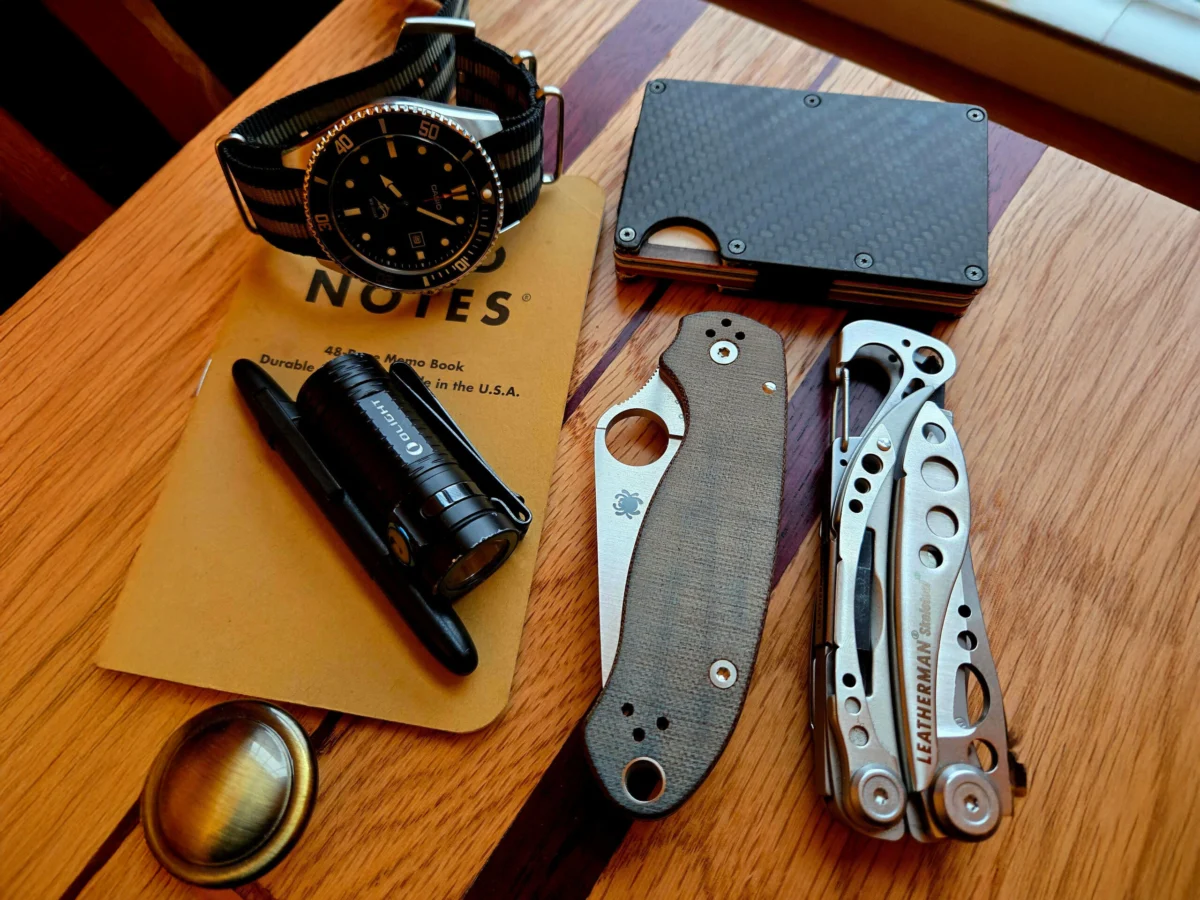
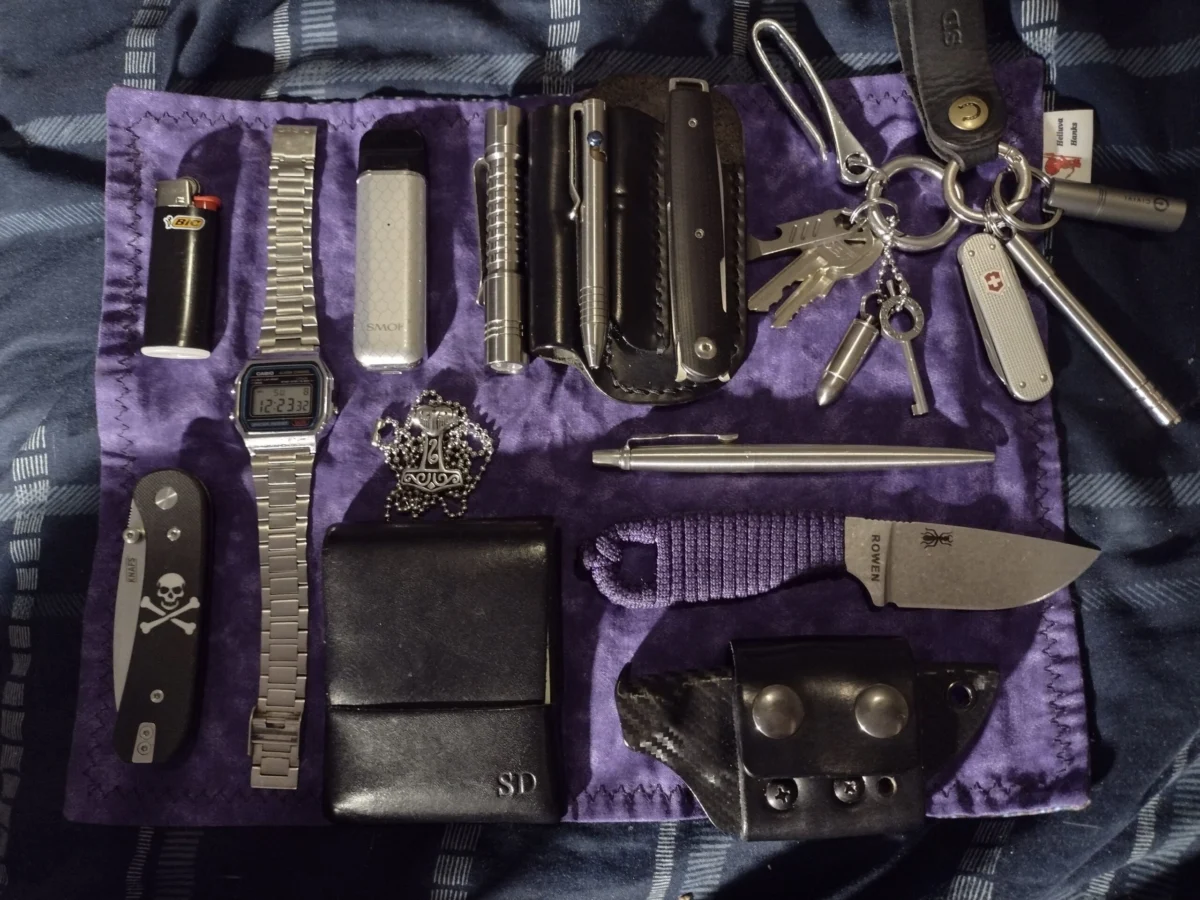



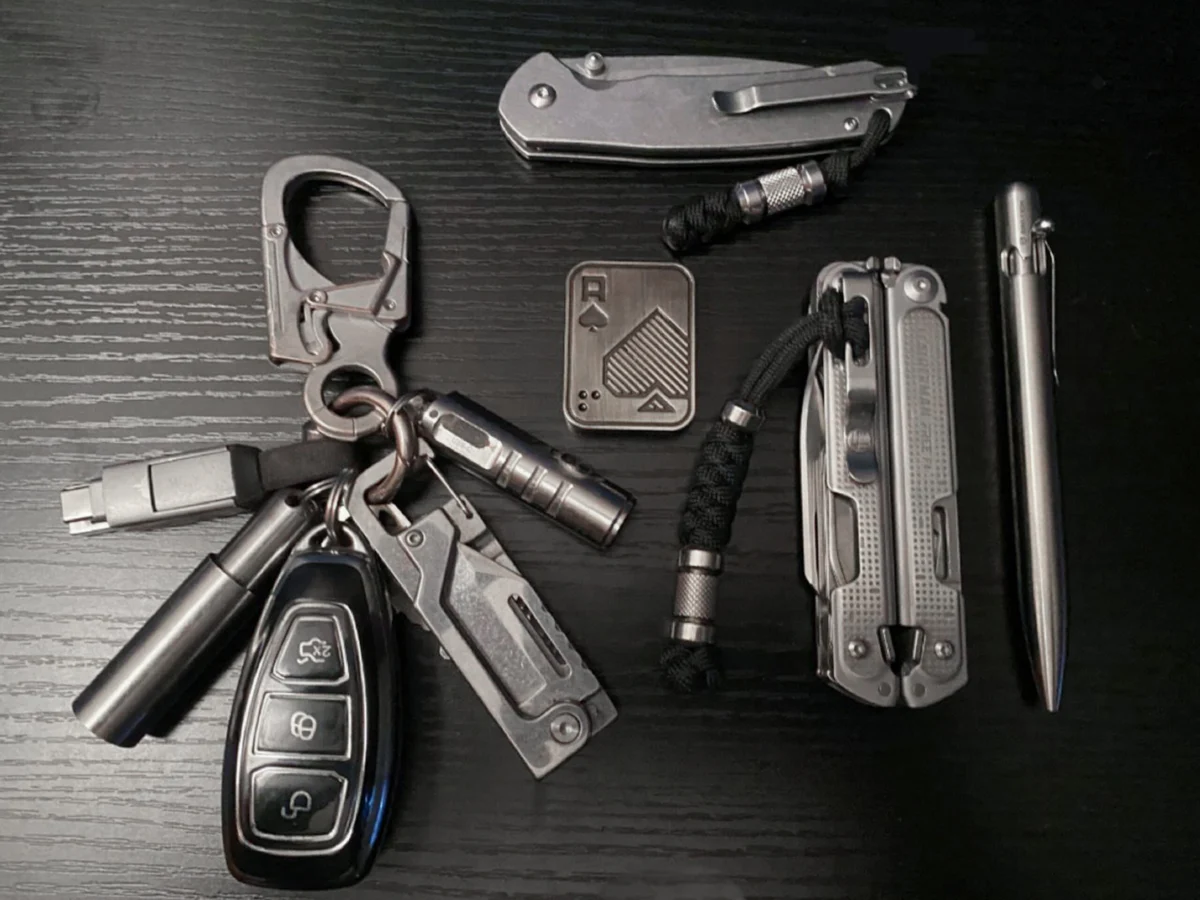




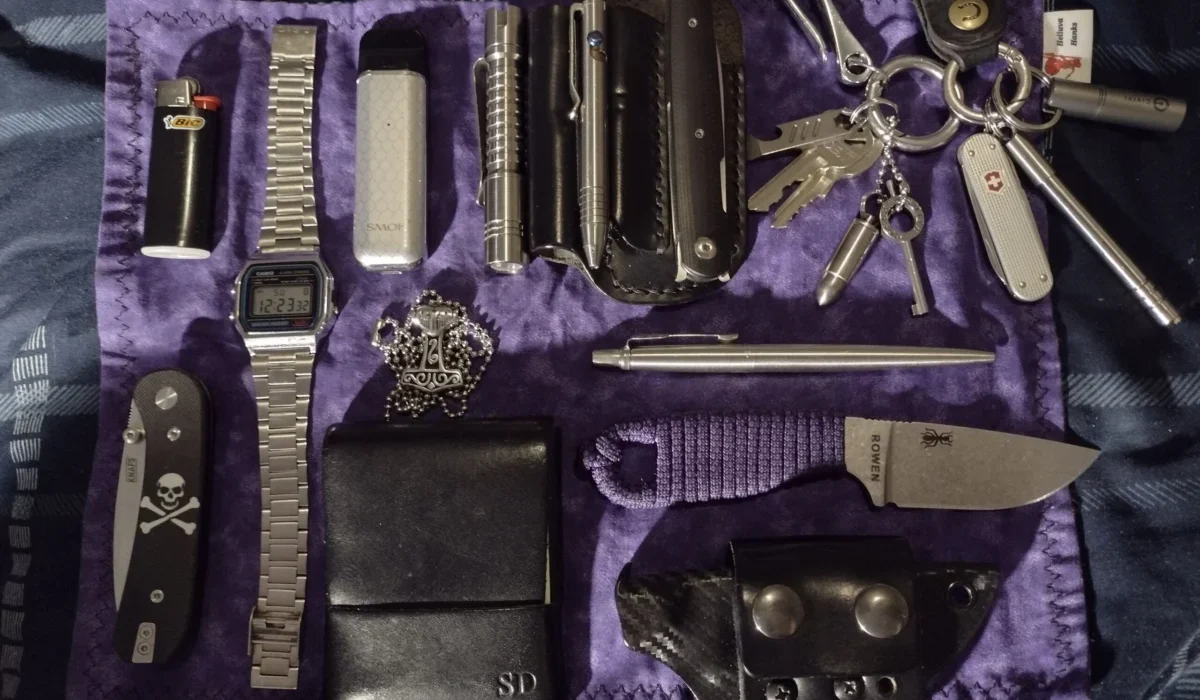
In the demanding, fast-paced environment of a professional kitchen, the line between specialized culinary equipment and utility gear is strictly enforced. For Stephen, a full-time cook based in Minnesota, the distinction is not merely a matter of preference but one of professional hygiene and operational safety. His daily carry configuration—a carefully curated selection of four knives, writing instruments, and organizational accessories—reflects a disciplined approach to managing the disparate needs of his workplace. While the culinary world relies on precision instruments for food preparation, the physical demands of kitchen logistics require a separate, robust set of tools for daily tasks ranging from opening inventory shipments to executing precise, non-culinary maintenance duties.
The Philosophy of Separation: Hygiene and Utility
The primary motivation behind Stephen’s multi-knife carry is the prevention of cross-contamination. In a professional kitchen, safety protocols are paramount. Kitchen-grade cutlery is strictly reserved for food preparation and must be maintained to specific sanitation standards. Conversely, general-purpose utility knives are subject to the rigors of the loading dock, cardboard breakdown, and facility maintenance—tasks that would quickly degrade the edge of a delicate chef’s knife or introduce biological contaminants into a food-safe environment.
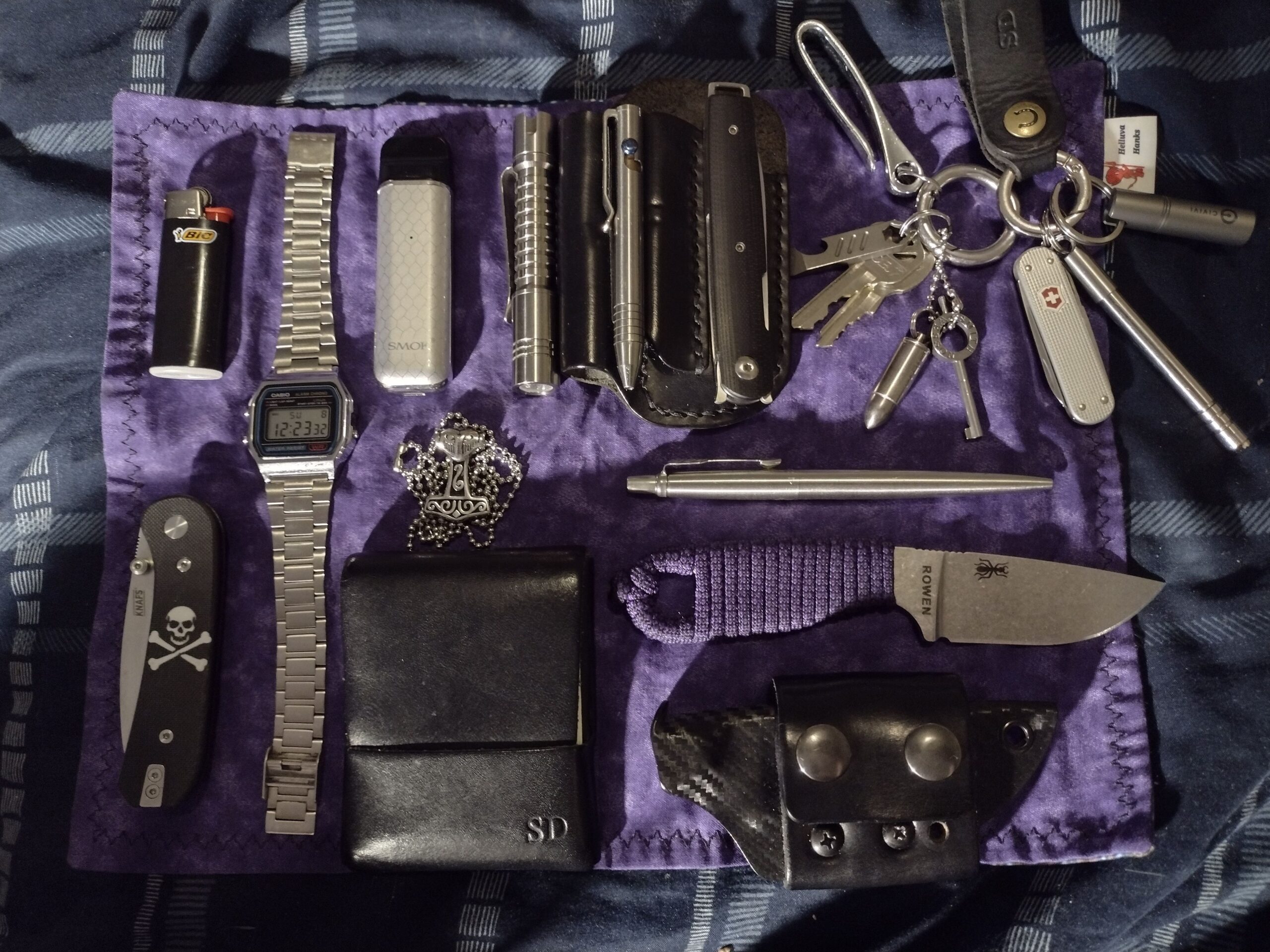
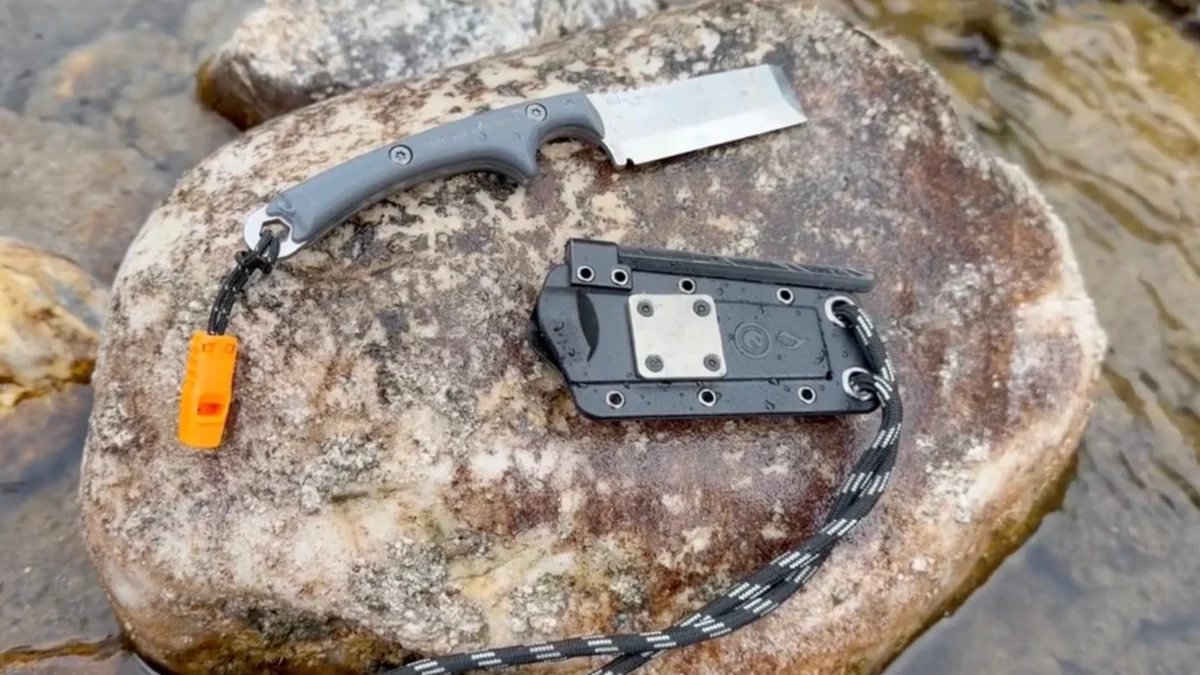
By carrying three folders and a fixed-blade ESEE Izula, Stephen ensures that he always has a specialized tool for the task at hand without compromising the integrity of his culinary arsenal. This strategy of carrying multiple knives is increasingly common among trade professionals who face high-volume, multi-tasking environments. The reliance on four distinct blades allows for a rotation that keeps primary tools sharp and secondary tools ready for abrasive materials like corrugated packaging, plastic straps, and heavy-duty tape.
A Chronology of Professional Tool Selection
The evolution of Stephen’s gear collection follows a trajectory common to those in manual labor professions: the transition from generic hardware store tools to specialized, high-performance equipment.
- Initial Phase: Early in his career, reliance on entry-level, disposable blades was the norm. These tools often lacked the ergonomic support required for repetitive motions, leading to hand fatigue during long shifts.
- Intermediate Phase: Recognition of the need for higher-grade steel—such as S35VN—began to take precedence. The introduction of the ESEE Izula into his daily kit marked a shift toward survival-grade durability, ensuring that the knife would not fail under the mechanical stress of industrial box breakdown.
- Current State: The current configuration is characterized by a balance between luxury, such as titanium bolt-action pens, and utilitarian value, represented by the Parker Jotter. This dual-track approach allows the professional to maintain a sense of personal style while ensuring that financial loss remains minimal should a tool be misplaced during the chaos of a dinner rush.
Technical Analysis of the Gear Suite
The selection of gear highlights a sophisticated understanding of metallurgy and design. The ESEE Izula, specifically the version utilizing S35VN steel, is a notable choice. S35VN is a martensitic stainless steel designed to offer improved toughness and edge retention compared to its predecessor, S30V. For a cook who handles a high volume of abrasive materials, the choice of a fixed blade with this steel composition is a pragmatic decision, as it reduces the frequency of sharpening intervals.
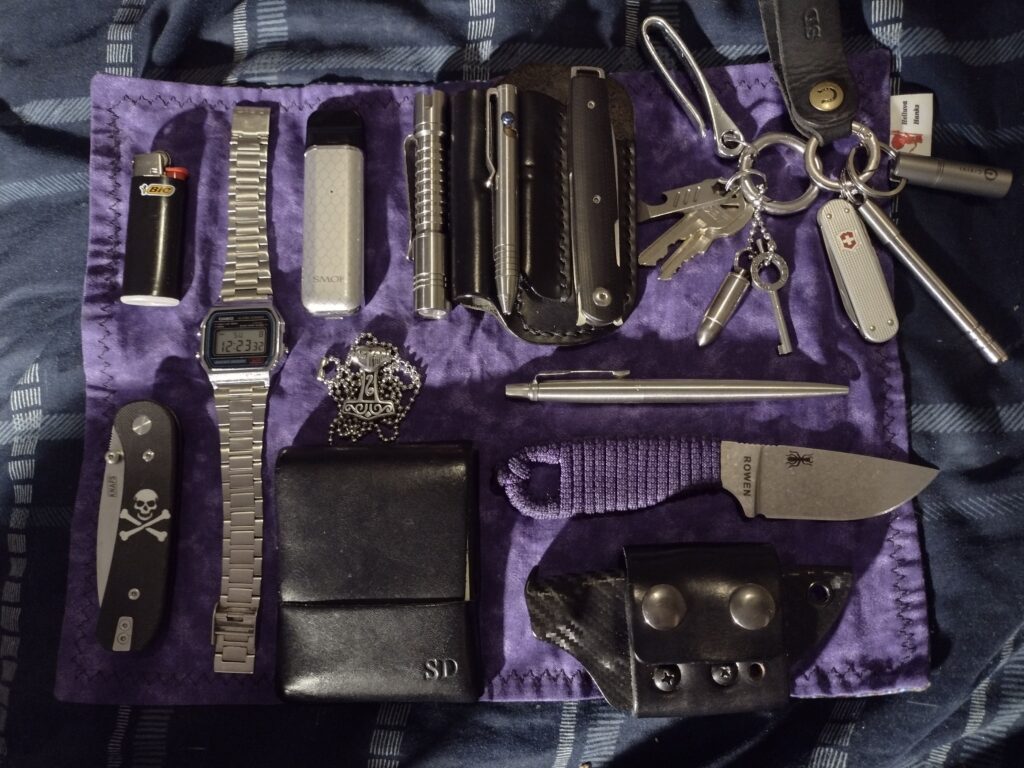
The inclusion of both a premium titanium bolt-action pen and a Parker Jotter illustrates a "workhorse versus showpiece" philosophy. The Parker Jotter, a staple of stationery design since 1954, provides a reliable, stainless-steel writing instrument that can withstand the physical abuse of a kitchen environment. Meanwhile, the titanium pen serves as a high-durability backup that offers a superior tactile experience for inventory tracking or administrative logging.
The Role of Ergonomics and Carry Systems
A significant challenge for anyone carrying four knives and multiple accessories is the management of pocket space. Stephen’s use of leather sheaths and keychain-based carry systems is a strategic response to the constraints of professional work attire. Apron pockets are often cluttered with thermometers, timers, and order slips; therefore, offloading weight to a belt-mounted system or a consolidated keychain prevents the gear from interfering with the cook’s range of motion.
The use of leather, in particular, provides a level of durability and protection that synthetic materials often fail to replicate in high-heat environments. Leather sheaths provide a friction-fit security that prevents the knife from becoming a liability when the cook is moving rapidly between stations.

Broader Implications for the EDC Industry
The trend of "Everyday Carry" (EDC) has moved beyond the hobbyist sphere and into the professional trades. As the cost of high-quality materials like titanium, G10 composites, and premium powdered steels decreases, professionals in culinary and industrial fields are increasingly investing in gear that improves efficiency and reduces physical strain.
Data from the broader EDC community suggests that professionals who carry dedicated utility blades alongside their primary work tools report higher levels of task satisfaction and lower instances of accidental injury. When a user has the right tool for the right job, they are less likely to "improvise" with a kitchen knife—a common cause of workplace injuries. Furthermore, the practice of maintaining separate tools reinforces the professional discipline required in commercial kitchens, where health inspectors and safety officers place a high premium on the segregation of equipment.
Official Perspectives and Industry Standards
While specific brand preferences are personal, industry standards for kitchen equipment emphasize the necessity of clear categorization. Culinary experts generally advise that any tool used in the front-of-house or storage areas should be visually distinct from those used in the kitchen. Stephen’s choice to use diverse carry methods—such as the leather sheath for his fixed blade—creates a clear physical boundary between his "work-duty" tools and his "food-duty" knives.
From a manufacturing perspective, the demand for "urban survival" gear—a category into which the ESEE Izula falls—has seen consistent growth over the last decade. Brands are increasingly tailoring their marketing toward individuals who require high-performance, compact tools that can transition seamlessly from the loading dock to the office or the kitchen.
Conclusion: The Synthesis of Utility and Professionalism
The gear carried by a professional cook like Stephen serves as a microcosm of the modern tradesperson’s needs: reliability, segregation, and efficiency. By balancing the high-performance requirements of his daily tasks with the necessity of hygiene, he has crafted a system that is as effective as it is organized.
The integration of legacy tools like the Parker Jotter with modern, high-tech implements like S35VN-bladed knives demonstrates a nuanced understanding of value. It is not merely about owning the most expensive gear, but about curating a collection that addresses specific professional pain points. As the EDC community continues to grow, the focus will likely remain on these functional applications, where the utility of a tool is measured not by its appearance, but by its ability to reliably perform under the pressure of a high-stakes, professional environment. For those working in the culinary arts, this gear is not just an accessory; it is an essential component of the professional toolkit.