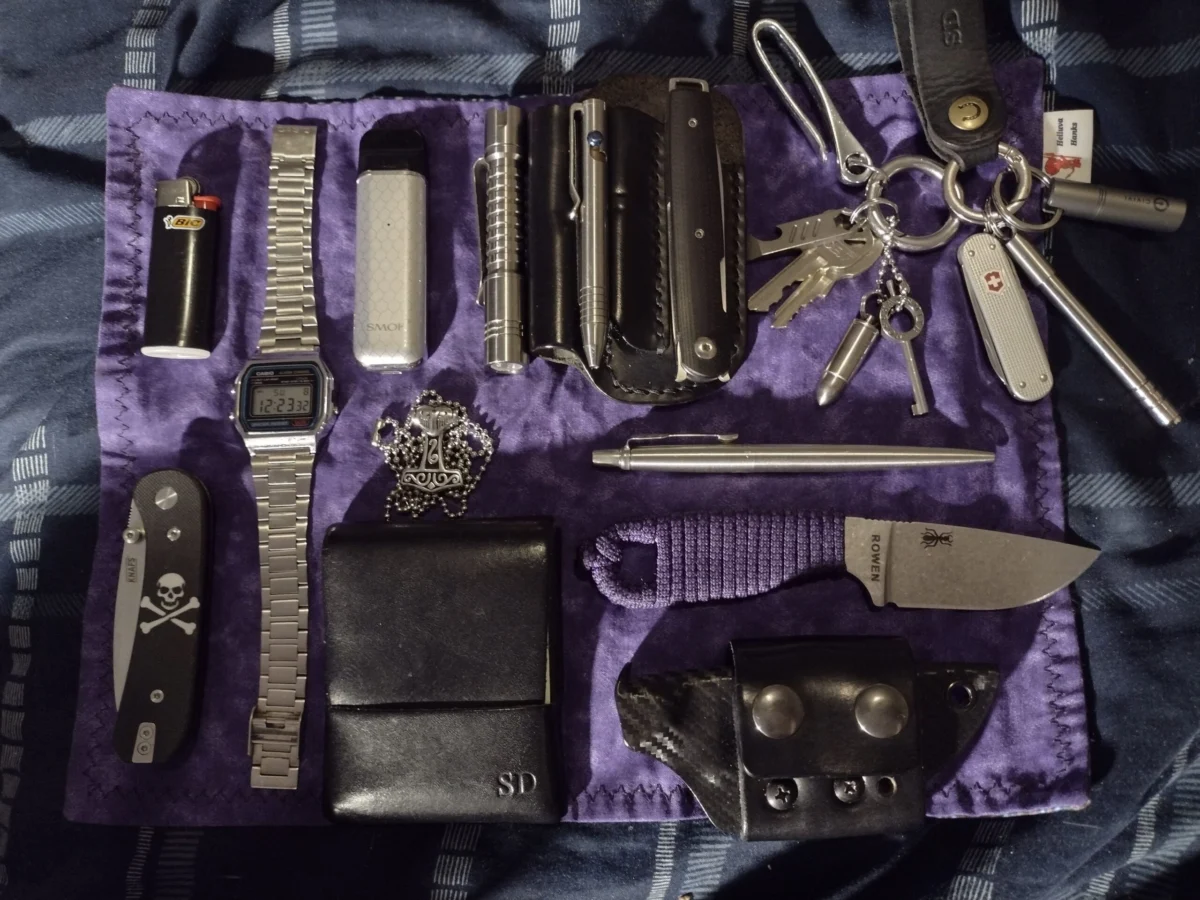
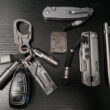
In the demanding environment of a professional kitchen, the tools a worker carries can be as critical as the skills they possess. Stephen, a full-time cook based in Minnesota, has brought a unique perspective to the concept of Everyday Carry (EDC) by balancing the heavy-duty requirements of his profession with the stringent hygiene standards required in the culinary industry. His current gear configuration, which includes a sophisticated array of four knives, specialized writing instruments, and modular carry systems, highlights a growing trend among service industry professionals who view their personal equipment as an extension of their professional identity. By maintaining a strict separation between utility tools and food preparation implements, Stephen addresses the pervasive issue of cross-contamination while ensuring he is prepared for the myriad of logistical tasks that occur behind the scenes of a high-volume restaurant.
The Professional Loadout: A Study in Redundancy and Specialization
The core of Stephen’s EDC philosophy revolves around the "right tool for the right task" mentality, a principle that is particularly vital in a kitchen setting where the misuse of a blade can lead to both safety hazards and health code violations. His daily carry consists of four primary cutting tools: three folding knives and one fixed-blade knife. This multi-tool approach is not merely a matter of preference but a strategic response to the diverse range of tasks a cook encounters during a shift.
The centerpiece of his utility kit is the ESEE Izula, specifically the S35VN steel variant. Known in the knife community for its durability and compact profile, the Izula is a fixed-blade knife designed for survival and bushcraft, yet it finds a practical home in the industrial setting of a Minnesota kitchen. The choice of S35VN steel is significant; this high-end martensitic stainless steel offers superior edge retention and corrosion resistance compared to standard carbon steels, making it ideal for an environment where it may be exposed to moisture and varying temperatures.
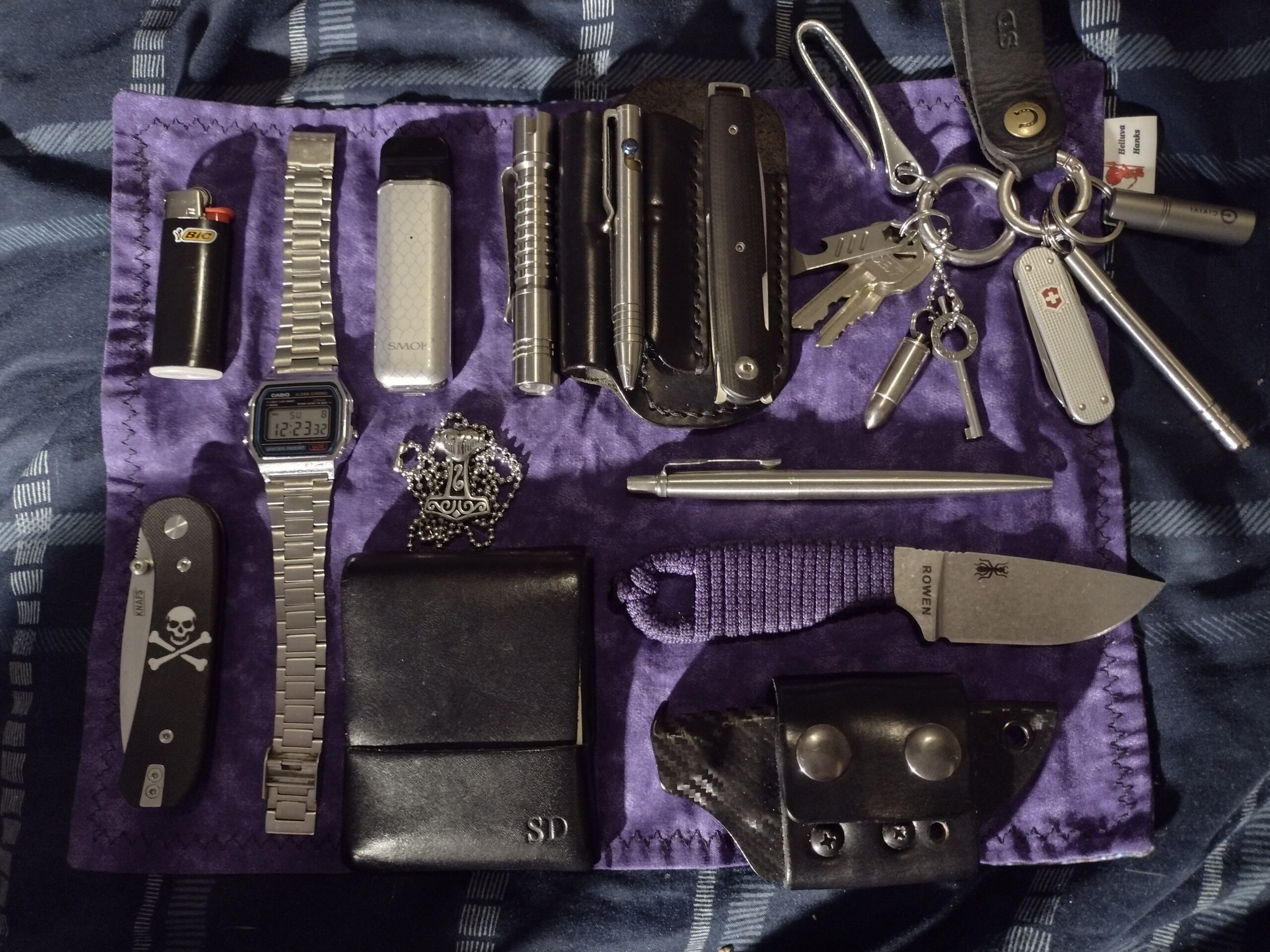
In addition to the fixed blade, Stephen carries three folding knives, including models from Knafs and Boker. The Knafs folders are widely recognized for their "Landers" or "Lulu" designs, which prioritize utility and ease of maintenance. The Boker knife, described as a "slim gent’s knife," serves a more discreet role, likely used for lighter tasks or in settings where a larger, more aggressive blade might be inappropriate. This tiered system ensures that whether he is breaking down heavy cardboard shipments, cutting zip ties, or performing delicate maintenance on equipment, he has a blade geometry suited to the resistance and precision required.
Addressing Cross-Contamination and Health Standards
Perhaps the most critical aspect of Stephen’s carry is the psychological and procedural boundary he maintains between his EDC gear and his culinary tools. In the culinary world, cross-contamination is a primary cause of foodborne illnesses. The Minnesota Department of Health (MDH) and the FDA Food Code provide strict guidelines on the cleaning and sanitization of food-contact surfaces, including knives.
Stephen’s statement, "There are blades for cooking and blades that shouldn’t be used for that," underscores a sophisticated understanding of microbiology and professional ethics. Utility knives, which frequently come into contact with adhesives from packing tape, dirt from shipping pallets, and various non-food-grade lubricants, can harbor bacteria and chemical residues. By dedicating his EDC knives strictly to non-food tasks, he eliminates the risk of transferring these contaminants to the prep station. This separation is a hallmark of a seasoned professional who recognizes that the efficiency gained by using a pocket knife for a quick kitchen task is never worth the risk of compromising food safety.
The Evolution of Writing Instruments in the Workplace
Beyond cutlery, Stephen’s loadout includes a curated selection of writing instruments that reflect a blend of heritage and modern engineering. He utilizes the Parker Jotter, an iconic all-stainless steel click pen, alongside a premium titanium bolt-action pen.
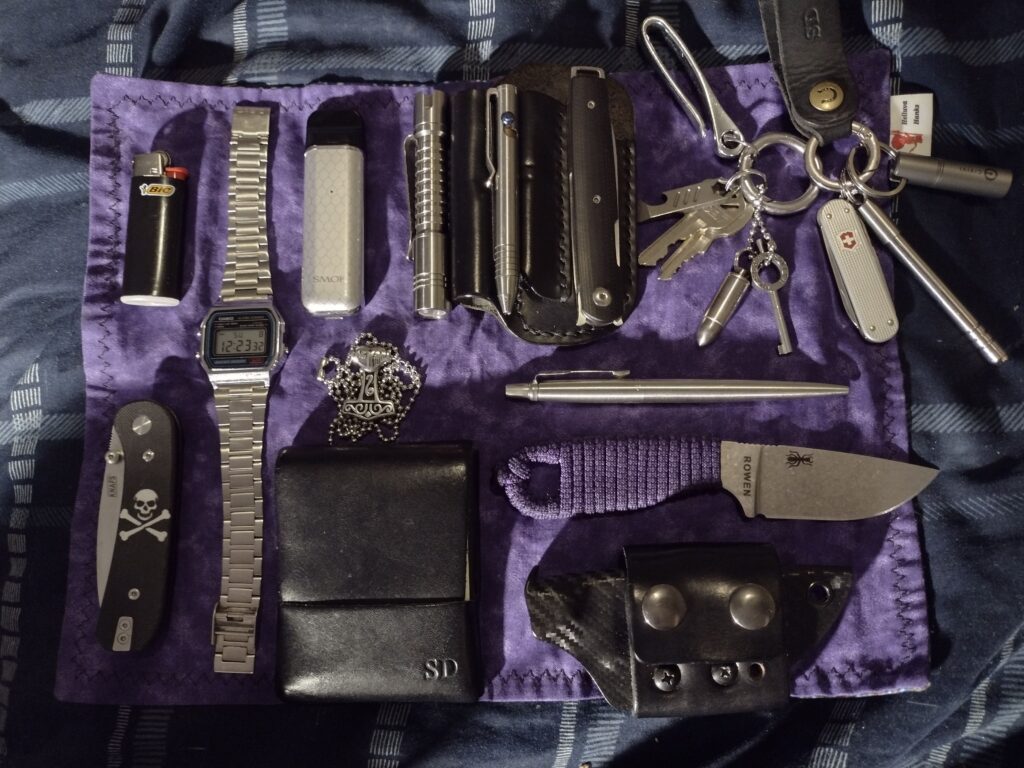
The inclusion of the Parker Jotter is a nod to functional history. Introduced in 1954, the Jotter has remained a staple in professional environments due to its reliability and "click" mechanism, which is designed to withstand hundreds of thousands of cycles. At a price point often under $10, it represents the high-value end of the EDC spectrum. Conversely, the titanium bolt-action pen represents the "buy it for life" (BIFL) philosophy. Titanium is prized in the EDC community for its high strength-to-weight ratio and its biocompatibility. The bolt-action mechanism is not only satisfying to operate but also prevents accidental ink leaks in a pocket, a common hazard for cooks who are constantly moving, bending, and reaching.
Ergonomics and the Logistics of Carry
A common challenge for individuals carrying a high volume of gear is the physical management of these items. To address this, Stephen utilizes leather sheaths and keychain systems to consolidate his equipment. This approach moves the weight and bulk of the tools from the interior of the pockets to the belt or the exterior of the body.
For a cook, pocket real estate is limited and often restricted by the design of chef coats or utility trousers. By using leather sheaths, Stephen ensures that his ESEE Izula and pens are securely anchored and easily accessible. Leather is a preferred material in this context because it molds to the shape of the tool over time, providing a custom fit that prevents the gear from rattling or falling out during high-activity shifts. Furthermore, hanging gear off the body—often referred to as "external carry"—reduces the risk of items falling into food vats or becoming snagged on kitchen equipment, a critical safety consideration in a fast-paced environment.
Market Trends and the Economic Spectrum of EDC
Stephen’s kit is a prime example of the "budget-premium mix" that has become a dominant trend in the EDC market. The global everyday carry market has seen significant growth over the last decade, with enthusiasts increasingly willing to invest in high-performance materials like S35VN steel and titanium.

| Item Category | Budget Option (Example) | Premium Option (Example) | Key Benefit |
|---|---|---|---|
| Writing | Parker Jotter ($10) | Titanium Bolt-Action ($100+) | Reliability vs. Durability |
| Cutting | Standard Box Cutter ($5) | ESEE Izula S35VN ($100+) | Disposable vs. Maintainable |
| Carry | Nylon Pouch ($15) | Custom Leather Sheath ($50+) | Utility vs. Ergonomics |
Data from industry analysts suggests that the EDC market is being driven by a desire for "functional luxury"—items that are built to withstand extreme conditions but also possess an aesthetic appeal. Stephen’s choice to pair a $10 pen with a $100+ knife illustrates a pragmatic approach: invest heavily in the tools that perform the most critical tasks (cutting) while opting for reliable, replaceable classics for secondary tasks (writing).
Chronology of the Modern EDC Movement
The transition of specialized gear from military and outdoor use into the professional service sector has followed a distinct timeline:
- Early 2000s: The rise of online forums like BladeForums and CandlepowerForums begins to codify the "Everyday Carry" terminology, focusing largely on flashlights and tactical knives.
- 2010-2015: The "Urban EDC" trend emerges, where professionals in non-combat roles begin seeking tools that offer better performance than standard office supplies.
- 2016-2022: Materials like titanium and M390/S35VN steel become more accessible to the general public. Social media platforms like Instagram and YouTube popularize the "pocket dump," where users showcase their daily gear.
- Present Day: Professionals like Stephen integrate these tools into specific trade environments, such as the culinary industry, tailoring the gear to meet both personal preferences and professional regulations.
Broader Implications and Analysis
The professionalization of EDC gear among service workers in Minnesota and beyond signals a shift in how employees view their work environments. In an era where corporate-provided tools are often of the lowest possible cost and quality, workers are increasingly taking it upon themselves to "self-equip."
This trend has several implications. First, it suggests a higher level of engagement with the craft; a cook who invests in a high-quality fixed blade for utility tasks is likely an individual who takes pride in the maintenance and performance of their tools. Second, it highlights the need for employers to establish clear policies regarding personal gear. While Stephen’s separation of utility and food prep knives is exemplary, it requires a high degree of self-discipline.
From a journalistic perspective, Stephen’s loadout is more than a collection of objects; it is a manifestation of professional readiness. In the high-pressure "weeds" of a Minnesota dinner rush, the ability to quickly open a shipment of ingredients or sign a delivery receipt without searching for a tool is a marginal gain that contributes to the overall efficiency of the kitchen. As the EDC movement continues to evolve, it is expected that more specialized professionals—from nurses to mechanics to educators—will adopt similar tiered systems of carry, further blurring the lines between personal hobby and professional necessity.