The mid-year landscape of the carry and everyday carry (EDC) industry has arrived with a distinct focus on the convergence of high-performance materials and lifestyle versatility. As consumers increasingly demand products that transition seamlessly from professional environments to outdoor excursions, the June 2026 "Scouted" collection highlights a significant shift toward miniaturization, tactical refinement, and artisanal craftsmanship. This month’s selection features a diverse array of gear, ranging from ultralight cutting tools and fidget-integrated utility items to high-capacity technical hiking packs and handcrafted leather goods, reflecting a broader market trend toward specialized, multi-functional equipment.
The Evolution of Precision: EDC and Personal Utility
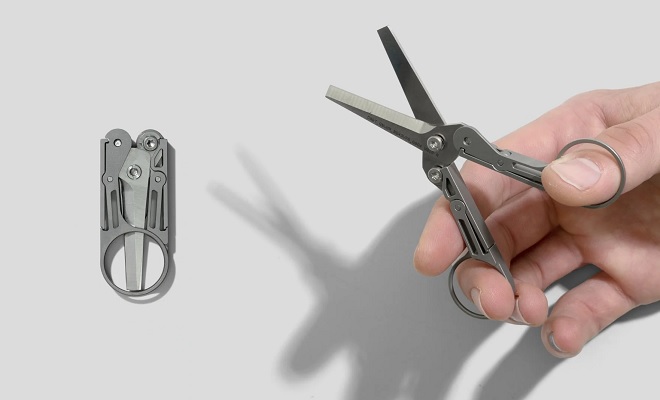
The everyday carry market has seen a resurgence in the "micro-tool" category, where the emphasis is placed on reducing weight without compromising structural integrity. Leading this movement is the collaboration between CW&T and gnuhr. Their "Little Scissors" represent a masterclass in material engineering, utilizing Grade 5 titanium for the handles and screws paired with high-carbon VG10 stainless steel for the blades. VG10, traditionally favored in professional-grade Japanese cutlery, provides a level of edge retention rarely seen in folding scissors. By incorporating machined cutouts, the designers have reduced the total weight to a mere 24 grams—lighter than many standard house keys—addressing the long-standing consumer complaint regarding the bulkiness of traditional cutting tools in a pocket-carry context.
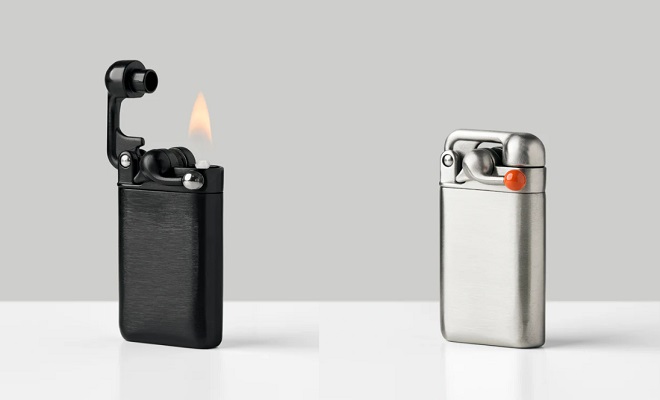
Simultaneously, the industry is witnessing a "tactile revolution," where utility items are being redesigned to provide sensory engagement. The Craighill Swingtop Lighter is a primary example of this trend. While the lighter market has long been dominated by disposable plastic units or standard flip-top metal cases, Craighill has introduced a mechanical "swingarm" mechanism. This design not only serves a functional purpose—striking the flint upon the return movement—but also caters to the growing consumer interest in "fidget" functionality. This shift suggests that EDC items are increasingly viewed not just as tools, but as interactive objects of industrial design.
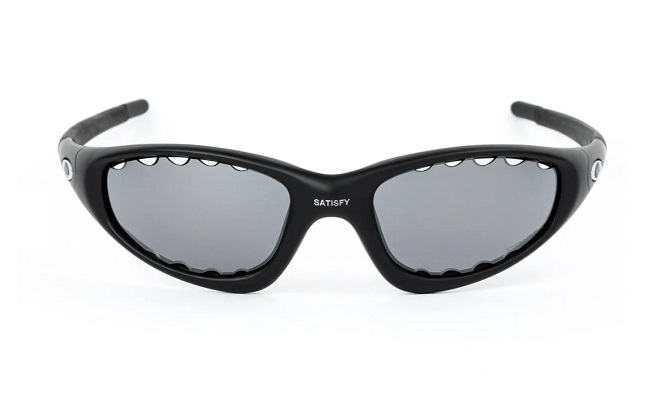
In the realm of wearable technology and optics, the partnership between Satisfy and Oakley continues to push the boundaries of performance-centric fashion. The Satisfy x Oakley Straight Jacket 99 revives a silhouette that first gained prominence in the 1990s, updating it with contemporary lens technology. The exclusive Prizm Black lenses are engineered with ventilation ports specifically designed to manage heat release during high-intensity aerobic activity, such as distance running. The integration of Unobtainium® earsocks—a material that increases grip as the wearer perspires—demonstrates a commitment to specialized ergonomics that cater to the "active-urbanite" demographic.
Urban Mobility and the Rise of Technical Slings
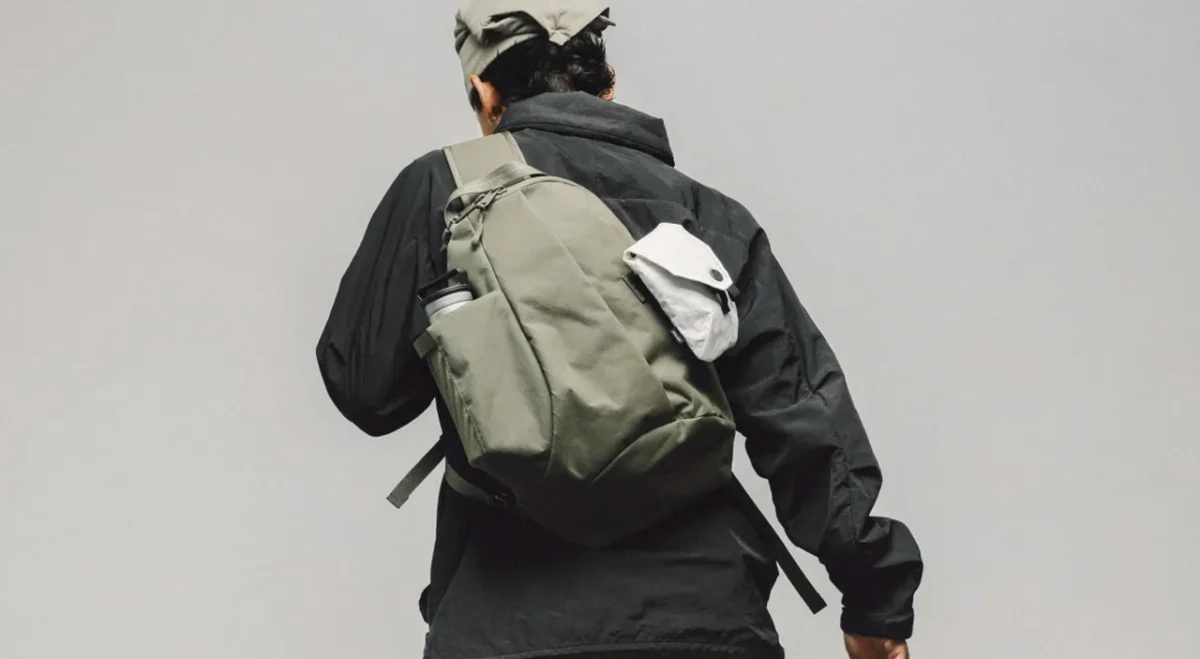
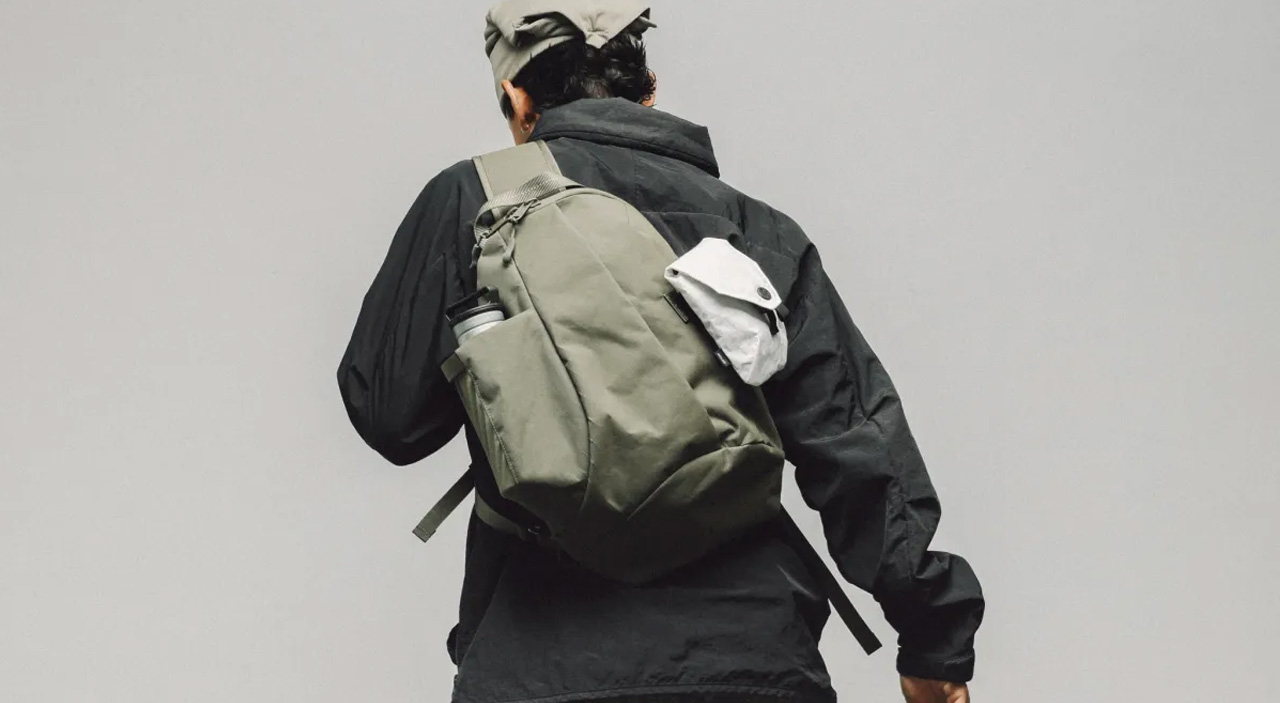
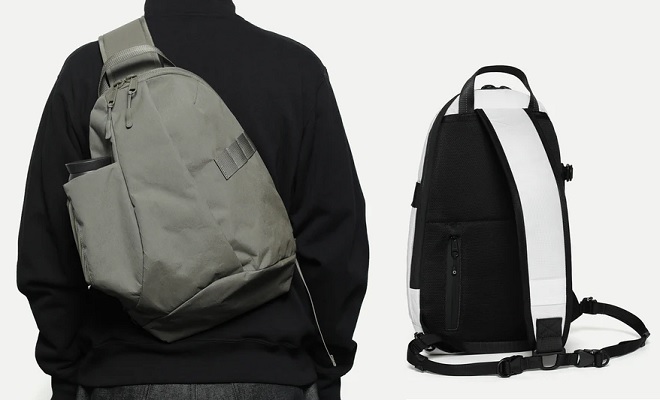
As urban commuting patterns stabilize in the post-pandemic era, the demand for mid-sized carry solutions has led to the proliferation of technical slings and modular backpacks. DSPTCH, a San Francisco-based brand known for its utilitarian aesthetic, has expanded its lineup with the Mono Sling. This 9-liter vessel is designed for the modern professional, offering dedicated housing for 14-inch laptops—a rarity in the sling category which typically caps at 11 or 13 inches. The Mono Sling’s availability in high-tenacity fabrics such as Dyneema and X-Pac reflects a broader industry move toward ultra-high-molecular-weight polyethylene (UHMWPE) materials, which offer superior strength-to-weight ratios and waterproof capabilities compared to traditional cordura.
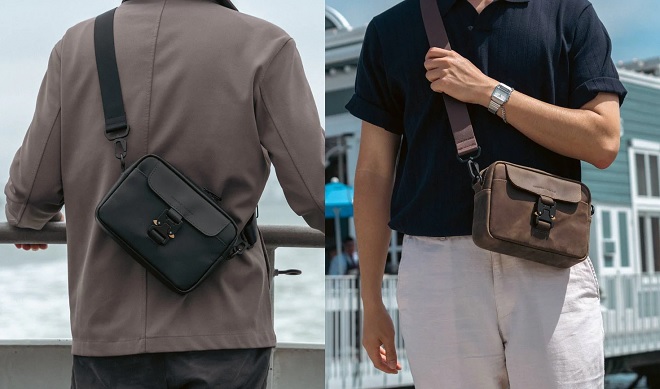
Conversely, the market remains receptive to traditional luxury materials when paired with modern silhouettes. WaterField Designs has addressed this with the Gramercy Leather Sling. Handcrafted in San Francisco, the 2-liter sling utilizes full-grain leather and Ultrasuede® linings, targeting a consumer segment that prioritizes the "patina" and longevity of natural materials over the sterile aesthetic of technical laminates. This product also highlights a trend toward modularity; by removing the strap, the sling functions as an internal organizer for larger travel bags, reflecting the consumer desire for "multi-mode" gear.
Budget Accessibility and Heritage Integration
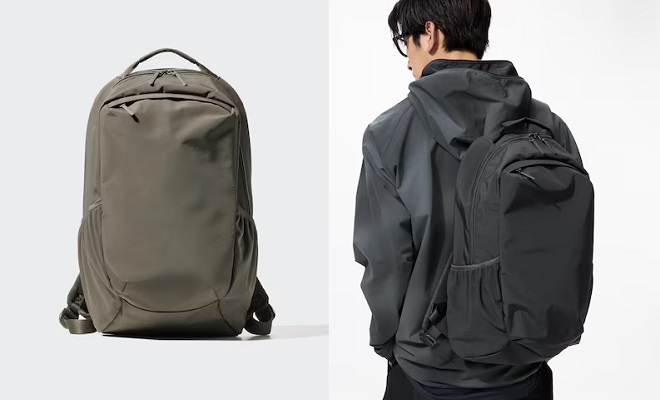
The democratization of high-quality carry gear is perhaps most evident in Uniqlo’s latest release. The Uniqlo Utility Backpack, priced at $59.90, represents a strategic entry into the technical pack market. By utilizing water-resistant nylon and a six-pocket organizational layout, Uniqlo is challenging the price-to-performance ratio of boutique carry brands. While long-term durability metrics for this specific model are pending its July 2026 U.S. launch, its success in Asian markets suggests a high consumer appetite for "entry-level technical" gear that does not sacrifice aesthetic minimalism.
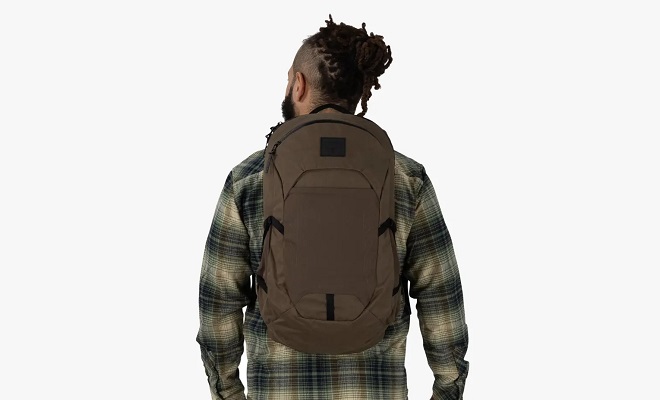
In a similar vein of bridging the gap between aesthetics, Osprey has introduced the Talon VSN^ (Vision Above) series. This represents a significant departure for the brand, which is typically associated with bright, synthetic technical gear. By utilizing recycled waxed cotton and organic fabrics, the Talon VSN^ series targets the "heritage-tech" market. This series, available in 11L and 20L configurations, integrates classic outdoor materials with modern features like padded laptop sleeves and custom hardware. This reflects a broader industry recognition that "outdoor" gear is frequently used in "indoor" or urban environments, requiring a more muted and sophisticated color palette—such as the Earl Grey and Truffle Brown options offered here.
The French artisanal sector is also making its mark on the urban scene with Bleu de Chauffe’s Léon Messenger Bag. Handcrafted in France using British Millerain cotton twill—a fabric with a history dating back to the 19th century—the Léon Messenger combines vegetable-tanned leather detailing with a 7-liter capacity suitable for 13-inch laptops. This product serves as a reminder that the carry industry is not solely driven by new-age polymers; there remains a robust market for traditional craftsmanship and "slow fashion" principles.
Ruggedized Protection and Technical Hiking Innovation
For the outdoor and professional photography sectors, the evolution of protective housing remains a priority. Pelican, a global leader in high-performance protective cases, has unveiled its Next Generation Protector Series. This update is significant as it introduces the proprietary HPX™ polymer technology, which Pelican claims provides a 12% increase in impact resistance over previous generations. The inclusion of the Modlight Pivot interior lighting system and upgraded wheel systems on the 1510 and 1560 models addresses specific feedback from field operatives who require better visibility and maneuverability in extreme environments. This update marks one of the most substantial structural refreshes in the Protector series’ 50-year history, signaling Pelican’s intent to maintain its dominance in the military and professional sectors.
Finally, the technical hiking market is seeing new competition from brands with tactical lineages. ThruDark, a company founded by former Special Forces operators, has transitioned from high-end apparel into the hardware space with the Pinnacle Series. The Pinnacle 28L and 42L packs utilize Robic® 210D Hex Nylon, a fabric known for its tear resistance and lightweight properties. By incorporating features such as floating top lids and adjustable back panels, ThruDark is applying military-grade load-carriage principles to the civilian hiking market. This "tactical-to-trail" transition is a growing trend, as hikers seek the durability associated with military gear without the overt "camo" aesthetic.
Chronology of Releases and Market Context
The release schedule for these products indicates a strategic push for the summer outdoor season and the "back-to-office" shopping window.
- June 2026: Initial rollout of the CW&T x gnuhr Little Scissors, Craighill Swingtop Lighter, and the Satisfy x Oakley collaboration.
- July 1, 2026: Official global release of the Osprey Talon VSN^ series and the U.S. debut of the Uniqlo Utility Backpack.
- Q3 2026: Expected full availability of the Pelican Next Generation Protector Series across all regional distributors.
This timeline suggests that manufacturers are timing their most innovative releases to coincide with peak travel and outdoor activity months, while also preparing for the transition into autumn urban commuting.
Industry Analysis and Broader Implications
The June 2026 "Scouted" collection reveals several critical insights into the future of the carry industry. First, the "Gorpcore" trend—the adoption of outdoor gear for urban fashion—has matured. Brands like Osprey and ThruDark are no longer just making gear for the mountains; they are intentionally designing for a hybrid existence.
Second, the shift toward sustainable and recycled materials is no longer optional. From Osprey’s use of organic cotton to Pelican’s focus on lifelong durability (reducing the need for replacement), sustainability has become a core engineering requirement.
Third, the "Made in USA" and "Handcrafted in Europe" labels continue to command a premium. Brands like DSPTCH, WaterField Designs, and Bleu de Chauffe are successfully leveraging their local manufacturing roots to appeal to consumers who are increasingly wary of mass-produced, low-quality goods.
In conclusion, the mid-2026 gear cycle is characterized by a "best of both worlds" philosophy. Whether it is a pair of scissors that weighs less than a coin or a backpack that can survive both a boardroom and a blizzard, the industry is moving toward a future where "carry" is defined by extreme versatility, material excellence, and a deep respect for both modern technology and traditional craft.