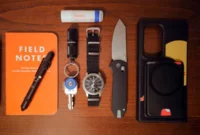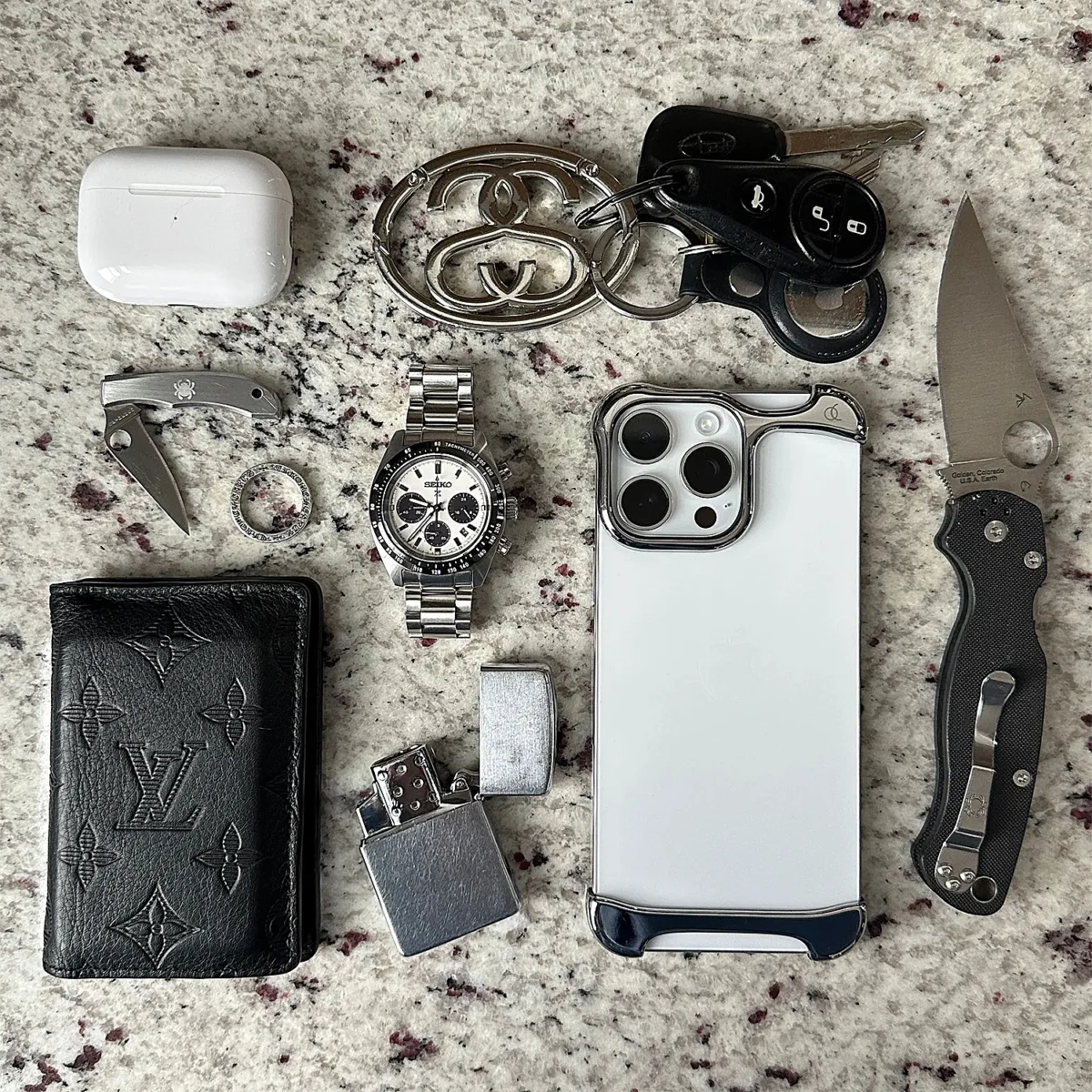
The concept of Everyday Carry, commonly abbreviated as EDC, has transitioned from a niche hobby practiced by survivalists and technicians into a global lifestyle movement that intersects with high fashion, horology, and precision engineering. This shift is characterized by a growing emphasis on "synergy," where the functional requirements of daily tools—such as knives, wallets, and watches—are balanced against a rigorous aesthetic standard. Recent trends in the EDC community highlight a sophisticated blending of industrial-grade utility with luxury accents, a phenomenon exemplified by the integration of chrome-finished accessories, specialized cutlery, and high-end jewelry into a singular, cohesive personal kit.
The Intersection of Utility and Personal Branding
In the contemporary landscape of personal gear, the selection of items is no longer dictated solely by their mechanical performance. Instead, users are curating "carry" profiles that serve as extensions of their personal style and professional identity. A notable example of this trend is the inclusion of luxury items like Chrome Hearts rings alongside traditional tactical tools. Chrome Hearts, a brand synonymous with high-end silver craftsmanship and rock-and-roll aesthetics, represents the "pocket jewelry" segment of EDC. By pairing a sterling silver ring with chrome-accented phone cases and keychains, users create a visual continuity that bridges the gap between a utilitarian toolset and a luxury wardrobe.
This stylistic synergy extends to the organizational components of the kit. The challenge for many enthusiasts lies in finding a luxury card wallet that does not sacrifice organization for the sake of minimalism. The market for high-end leather goods has responded with "discerning" designs that cater specifically to the EDC community—prioritizing slim profiles, rapid access to cards, and durable materials like shell cordovan or Epsom leather. These items are selected not just for their brand prestige, but for their ability to withstand the rigors of daily use while maintaining a refined appearance.
Precision Engineering for the Left-Handed Market: The Spyderco PM2
Central to many high-performance EDC setups is the folding knife, with the Spyderco Para Military 2 (PM2) standing as one of the most recognizable and respected models in the industry. Produced in Golden, Colorado, the PM2 is celebrated for its ergonomics, blade geometry, and the proprietary Compression Lock mechanism. However, the standard PM2 design is inherently right-hand biased, as the lock bar is situated for operation by the right thumb.
To address the needs of the approximately 10% of the global population that is left-handed, Spyderco developed a dedicated "lefty" version of the PM2. This adaptation involves a total mirroring of the handle scales, liners, and the Compression Lock itself. In a professional context, the choice of a left-handed PM2 signifies a deep understanding of tool mechanics and a refusal to settle for "workaround" solutions. The PM2 typically utilizes premium steels such as CPM S45VN, known for its balance of edge retention, toughness, and corrosion resistance. The inclusion of such a tool in a curated carry reflects a commitment to functional reliability that matches the user’s specific physiological requirements.
Horological Significance: The Seiko Panda Chronograph
The timepiece often serves as the anchor of an EDC layout. Among enthusiasts, the Seiko "Panda" chronograph—characterized by a white or silver dial with contrasting black sub-dials—remains a highly sought-after aesthetic. This design language traces its roots back to the golden age of motorsports in the 1960s and 70s, where high-contrast dials were essential for legibility during high-speed racing.
Seiko’s contribution to this category, particularly within the Prospex Speedtimer line, offers a blend of historical heritage and modern technology. Many modern Seiko Pandas utilize solar-powered quartz movements, such as the Caliber V192, which provides a high degree of accuracy and a power reserve of up to six months on a full charge. From a journalistic perspective, the popularity of the Seiko Panda in EDC circles can be attributed to its "tool watch" pedigree; it is a piece of equipment designed for measurement and durability, yet it possesses a timeless elegance that complements both casual and formal attire.
Chronology of the EDC Movement
The evolution of the EDC industry can be mapped through several distinct eras:
- The Utilitarian Era (Pre-2000s): EDC was largely defined by military surplus, multi-tools (like Leatherman or Victorinox), and basic pocket watches. Items were chosen strictly for their ability to perform a task.
- The Tactical Boom (2001–2010): Following global shifts in security and a renewed interest in preparedness, the market saw a surge in "tactical" gear. Black coatings, G-10 handles, and high-lumen flashlights became the standard.
- The Social Media and Curation Era (2011–2018): Platforms like Instagram and dedicated forums (e.g., EverydayCarry.com) allowed users to share their "pocket dumps." This introduced the concept of color coordination and "flat lay" photography, turning tools into subjects of artistic appreciation.
- The Modern Luxury Integration (2019–Present): The current era is defined by the "High-Low" mix. Users are now combining high-performance tactical knives with luxury watches (Rolex, Seiko, Omega) and artisanal jewelry. The focus has shifted to "synergy"—how well the items work together visually and functionally.
Market Data and Economic Impact
The global market for EDC-related products has seen significant growth over the last decade. According to market research, the global pocket knife market was valued at approximately USD 3.8 billion in 2022 and is projected to expand at a compound annual growth rate (CAGR) of 6.2% through 2030. This growth is driven by a combination of outdoor recreation trends and the "urban EDC" movement.
Similarly, the luxury watch market and the premium leather goods sector have seen increased engagement from younger demographics who view these items as "investment pieces." The EDC community, in particular, has a high "lifetime value" for brands because enthusiasts are likely to upgrade their gear frequently and participate in secondary markets. Brands like Spyderco and Seiko benefit from a cult-like following where specific model iterations (like the lefty PM2) can drive significant surges in brand loyalty and engagement.
Technical Analysis of Design Synergy
The concept of "synergy" mentioned in the source material is more than just an aesthetic preference; it is a principle of industrial design. When a user coordinates the materials of their carry—such as matching the brushed steel of a watch case with the chrome accents of a phone case—they are practicing a form of "visual weight balancing."
- Material Harmony: The use of chrome and silver (Chrome Hearts) creates a bright, reflective theme. This requires the other items in the kit to either match that brightness or provide a stark, intentional contrast (like the "Panda" dial).
- Ergonomic Integration: A well-curated EDC ensures that no two items compete for the same space in the pocket. The "optimal organization" of a luxury card wallet is essential because it prevents pocket bulge, allowing the user to maintain a sleek silhouette even while carrying a full-sized folding knife like the PM2.
- Accessibility: For a left-handed individual, the synergy is also functional. Having a knife, watch, and wallet that are all optimized for left-side access reduces "fumble time" and increases the efficiency of the user’s daily routines.
Official Responses and Community Implications
While there are no "official" governing bodies for EDC, industry leaders and prominent designers often weigh in on these trends. Designers at Spyderco have frequently noted that their "sprint runs" and specialized versions (like left-handed models) are a direct response to community feedback. This feedback loop is a hallmark of the modern EDC economy; consumers are no longer passive recipients of products but active participants in the design process.
Analysts suggest that the integration of luxury items into EDC reflects a broader societal shift toward "functional minimalism." As people carry fewer physical items (due to the digitization of keys, money, and documents), the items they do choose to carry must work harder to justify their place. This leads to a higher spend-per-item and a greater focus on the "story" or "craftsmanship" behind each piece.
Broader Impact and Future Outlook
The trend of merging style with utility is expected to continue as manufacturing technologies like 3D printing and CNC machining become more accessible to boutique makers. This will likely lead to even higher levels of customization, where users can order tools with specific finishes to match their jewelry or watches.
Furthermore, the EDC movement is increasingly overlapping with the "sustainability" movement. Enthusiasts are moving away from "disposable" goods in favor of "buy it for life" (BIFL) products. A Seiko watch or a Spyderco knife is designed to last decades if properly maintained, aligning with a consumer desire for durability and reduced environmental impact.
In conclusion, the modern EDC is a sophisticated assembly of engineering, ergonomics, and personal expression. The synergy between a chrome-accented aesthetic and high-performance tools like the lefty PM2 and the Seiko Panda chronograph demonstrates a mature market where the distinction between "tool" and "accessory" is increasingly blurred. As this subculture continues to grow, it will undoubtedly influence broader consumer trends in the automotive, technology, and fashion industries, cementing the "Everyday Carry" as a permanent fixture of modern lifestyle design.